10 Things You Were Taught About Dog Training That Science Has Proven Wrong
A lot of dog training advice people still follow today wasn’t built on solid research. It came from old habits, trial and error, and ideas pulled from studies that don’t really reflect how dogs behave. Over time, behavioral science has taken a closer look at these beliefs and rigorously tested them.
Now we understand much more about how dogs learn, respond, and build habits. That clearer picture makes it easier to spot which common tips don’t actually work and which ones are worth keeping.
You Can’t Teach an Old Dog New Tricks
This one has even become a proverbial saying, but learning ability doesn’t disappear with age. Older dogs still form new associations and respond to training when repetition and timing are consistent. What usually changes is energy level and recovery time, not the ability to learn. Keeping training active later in life supports both responsiveness and mental engagement.
Dogs Are Trying to Dominate You
Credit: Canva
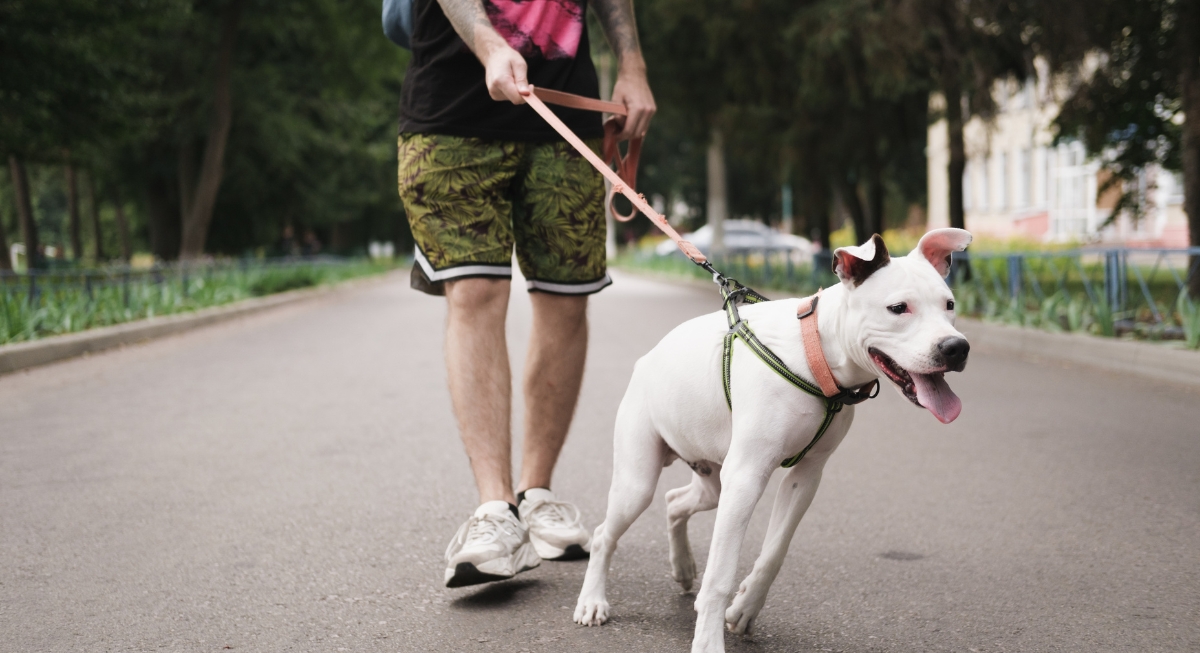
The idea that dogs are trying to dominate their owners comes from early wolf studies that looked at animals kept together in captivity. Later research showed those conclusions don’t hold up. Dogs aren’t trying to take control of the household. Most unwanted behavior comes from unclear expectations or inconsistent reinforcement, not an attempt to gain status.
You Need to Be Harsh to Get Results
Credit: Getty Images
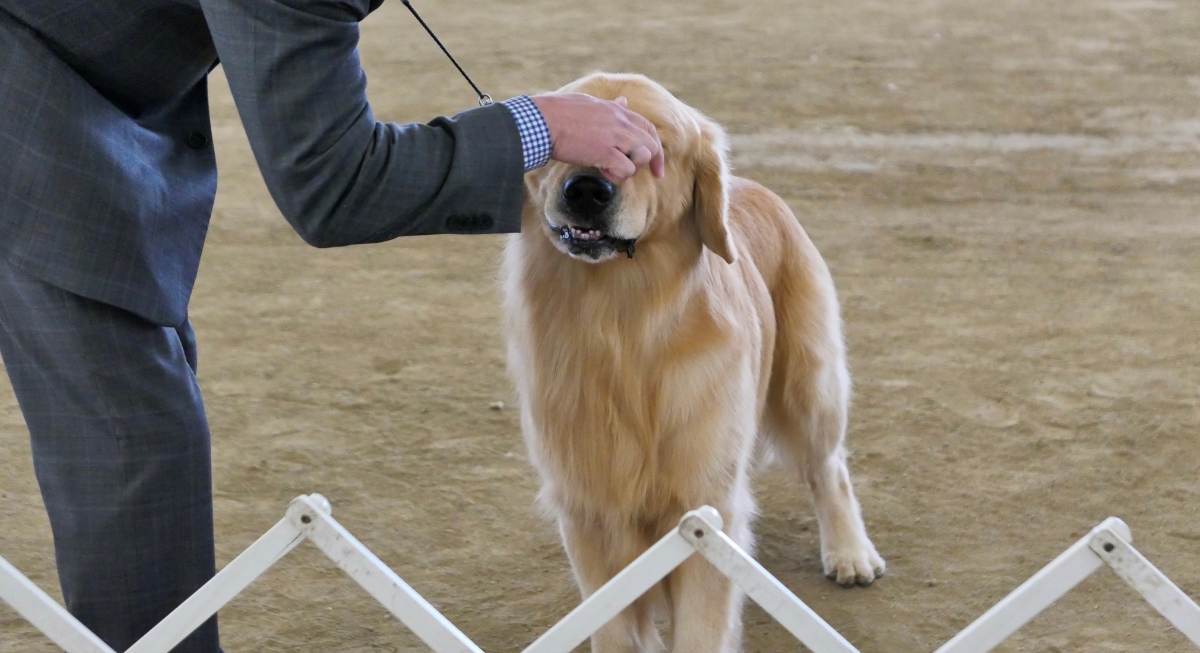
Punishment can interrupt unwanted behavior in the moment, but it doesn’t build understanding. Dogs learn through consequences they can predict. When a behavior consistently leads to a reward, it becomes more reliable. Harsh corrections often introduce stress, which interferes with learning and can create avoidance rather than cooperation.
Training Stops Once a Dog “Knows” Something
Credit: Canva
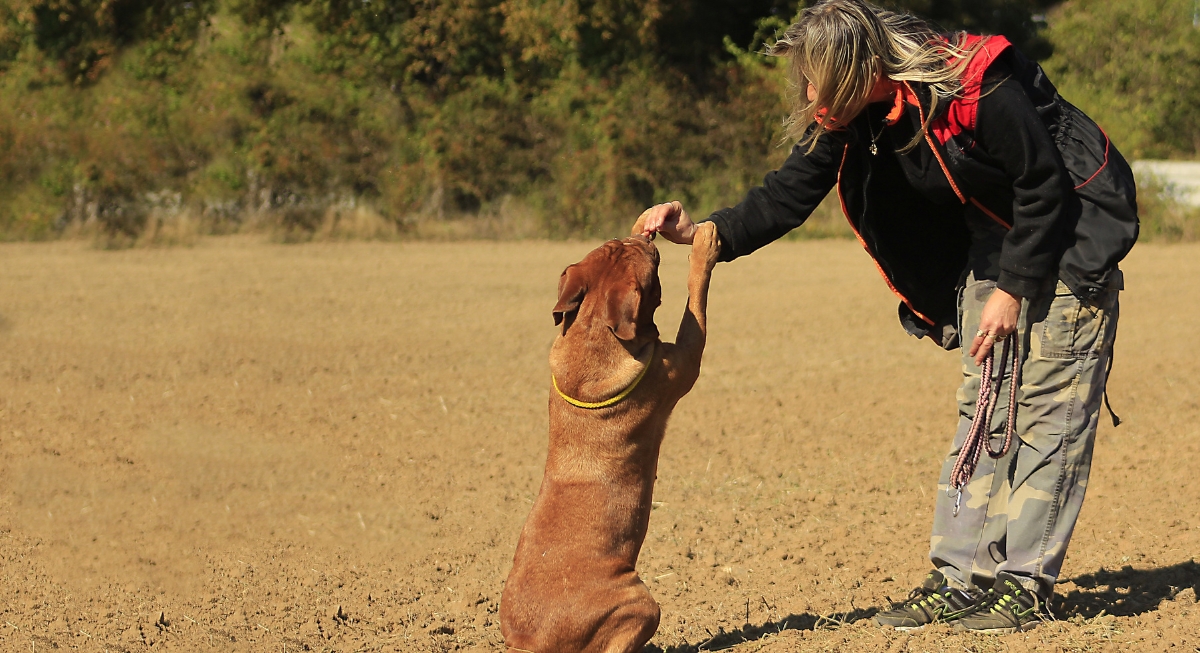
Training doesn’t end once your dog “knows” a cue. Learning it once is only the start. Dogs stay consistent when they keep using those behaviors, and without regular practice or reinforcement, they begin to slip. Working cues into daily routines helps keep them sharp, instead of treating training like a one-time task that’s done and over with.
Dogs Should Figure Out Behavior on Their Own
Credit: Canva
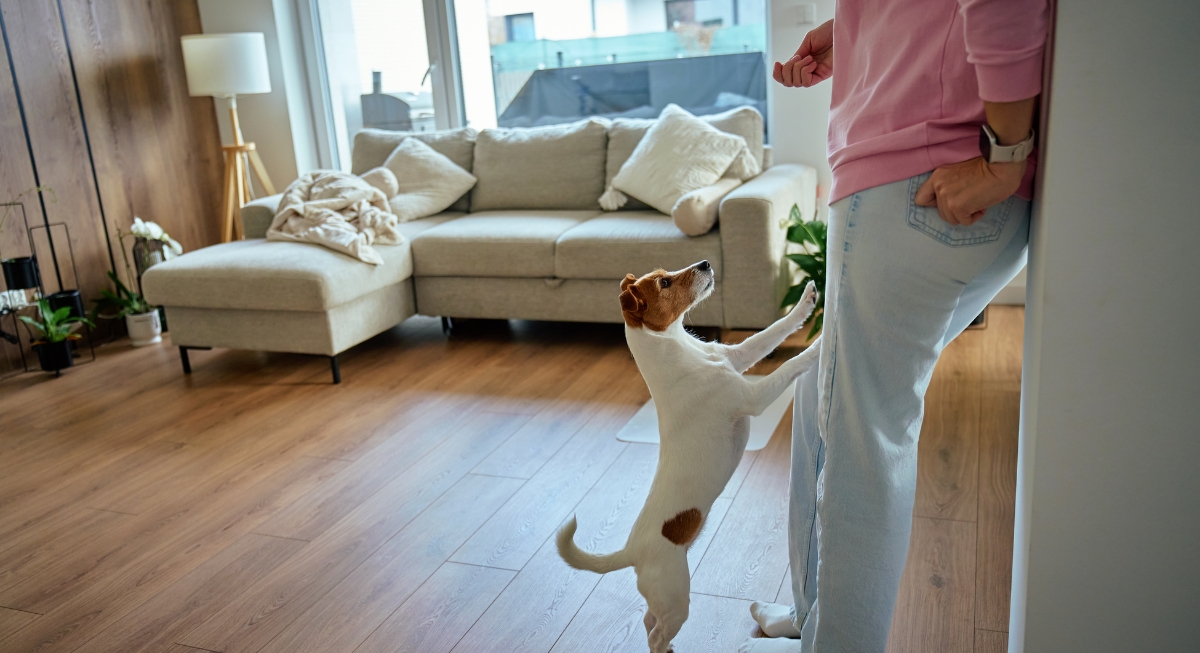
Dogs repeat behaviors that have worked for them before. Without guidance, they don’t arrive at human expectations on their own. Jumping, pulling, or guarding often continues simply because it hasn’t been redirected. Training provides a clear alternative that produces a better outcome, which gives the dog a reason to change.
Treats Are Just Bribery
Credit: Canva
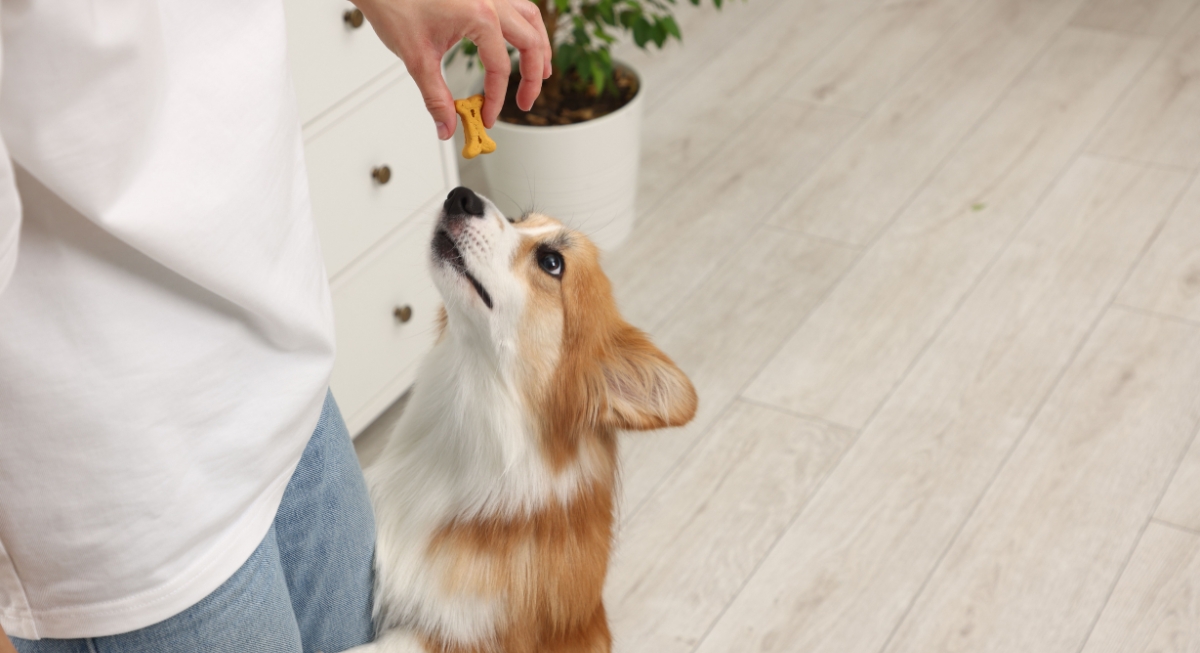
Treats aren’t bribery when used correctly. A reward given after a behavior strengthens it, which is reinforcement. Timing is what makes it work. Food is effective because it holds attention and clearly links the action to the outcome. As the behavior becomes consistent, rewards can shift to a variable schedule without reducing reliability.
All Dogs Can Be Trained the Same Way
Credit: pexels
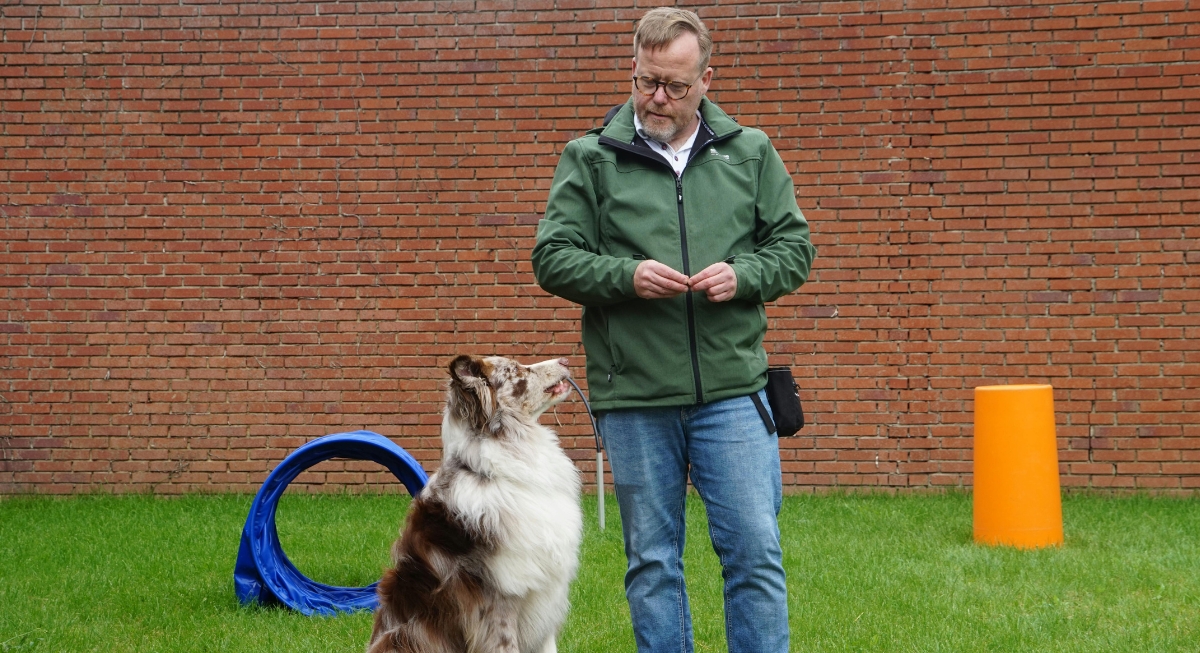
Differences in breed traits, early exposure, and temperament affect how dogs respond to training. Some adapt quickly to structured repetition, while others need gradual exposure or different rewards. Adjusting timing, motivation, and pacing to the individual produces more stable results than applying a fixed method across every dog.
Dogs Understand What You’re Saying

Credit: Getty Images
Dogs don’t understand words the way people do. They learn patterns. Your tone, body movement, and timing often matter more than the actual word. A cue only gains meaning when it’s used consistently and paired with the same outcome. That consistency matters far more than the specific vocabulary you choose.
Aggression Means a Dog Is Dominant
Credit: Canva
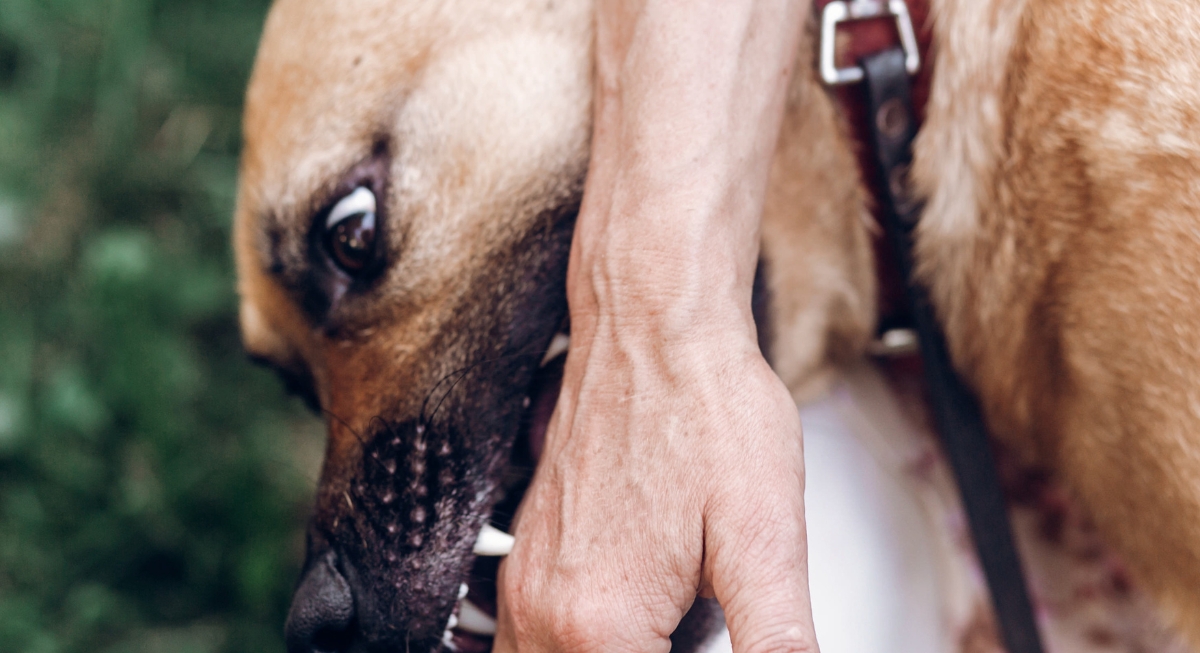
Aggression is usually tied to discomfort, fear, or uncertainty. When a dog reacts, it’s often trying to manage a situation it doesn’t feel secure in. Addressing the trigger and changing the dog’s response to it reduces the behavior more effectively than treating it as a power struggle.
Positive Training Stops Working Without Treats

Credit: pixelshot
Once a behavior is established, rewards don’t need to be constant to remain effective. Intermittent reinforcement actually strengthens reliability because the dog continues to respond without knowing exactly when the reward will appear. Over time, praise, access, or activity can replace food while maintaining the behavior.