10 New Scientific Discoveries That Prove Humans and Dogs Have Been Best Friends for 14,000 Years
Ancient humans and canines formed deep bonds long before the invention of farms or modern pet toys. Evidence from DNA and ritual burial sites highlights that domestic dogs existed as a distinct group over 14,000 years ago. These early animals lived closely with people as clever companions. Now our current obsession with dogs is a partnership thousands of years in the making.
The Swiss Breakthrough
Credit: Cheddar Gorge & Caves
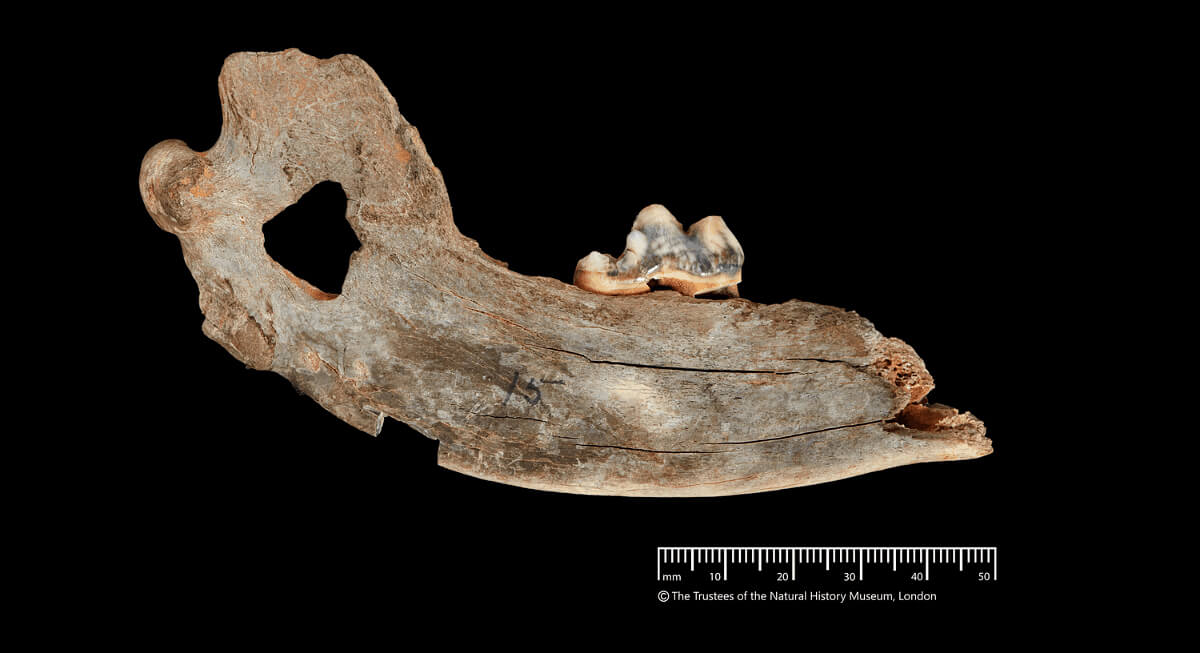
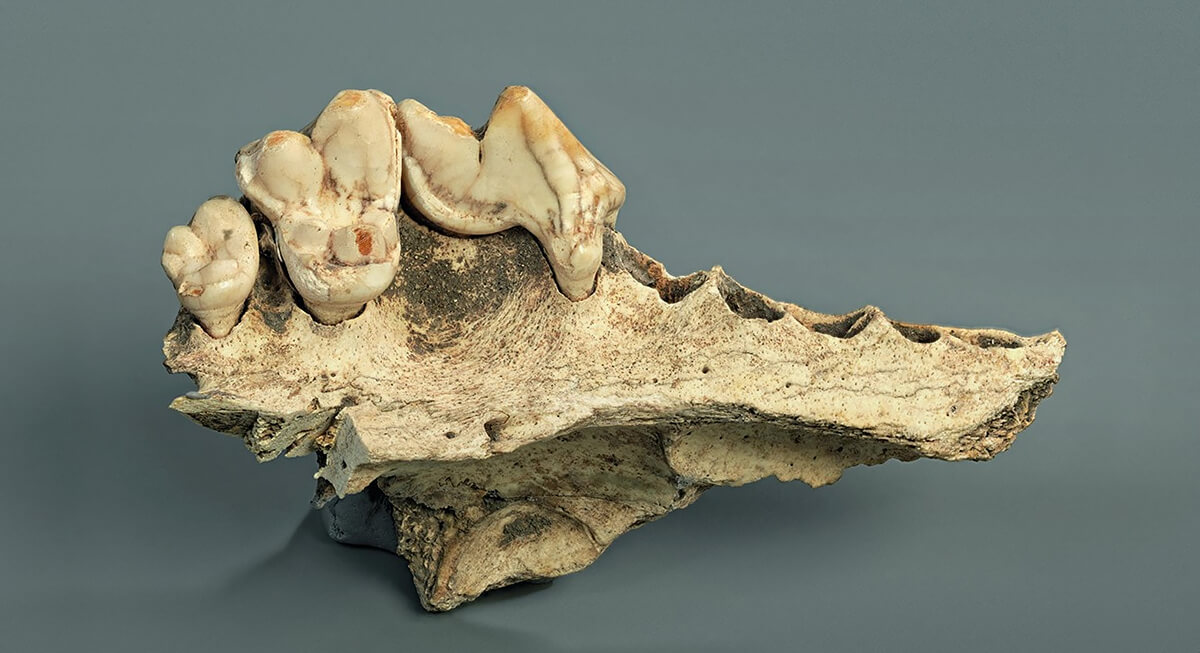
A 14,200-year-old canine discovered in Kesslerloch, Switzerland, has given researchers some clarity. DNA testing confirmed the animal belonged to the dog lineage rather than the wolf family. This is a huge discovery because the ancient skeletal remains of both animals look identical, which may mislead researchers during analysis. These findings prove that dogs existed as a distinct group deep within the Ice Age.
The Pinarbasi Surprise
Credit: Instagram
An even older clue surfaced in Pinarbasi, Turkey. Researchers found genetic evidence of a domestic dog from roughly 15,800 years ago. This discovery suggests the bond between humans and canines stretched far beyond Europe into a vast hunter-gatherer world. People had not yet started farming, but dogs already lived right beside them.
DNA Solved The Debate

Credit: pexels
For years, researchers relied mostly on bones to study early dogs, but that was not always reliable. Some ancient wolf and dog remains looked so similar that mistakes were easy to make. DNA testing changed that. Scientists can now compare genetic material directly, giving them a much clearer understanding of when dogs split from wolves and how they evolved over time.
Dogs Traveled Far

Credit: Getty Images
Early dogs lived in many locations rather than just one specific spot. New studies show these animals across western Eurasia, suggesting the bond between man and canines was widespread around 14,000 years ago. Human groups across various regions shared their lives with these creatures as they moved through different environments. This connection is now a common part of the human experience.
Farmers Adopted Old Dogs

Credit: Getty Images
Agriculture transformed the European landscape, but local dogs did not simply vanish as human populations shifted. Genetic research indicates that early farmers integrated hunter-gatherer canines into their own groups. This finding adds a fascinating layer to history. While human DNA changed significantly across the continent, many dogs already residing there simply transitioned into the new society.
Rituals Show They Mattered
Credit: Cheddar Gorge & Caves
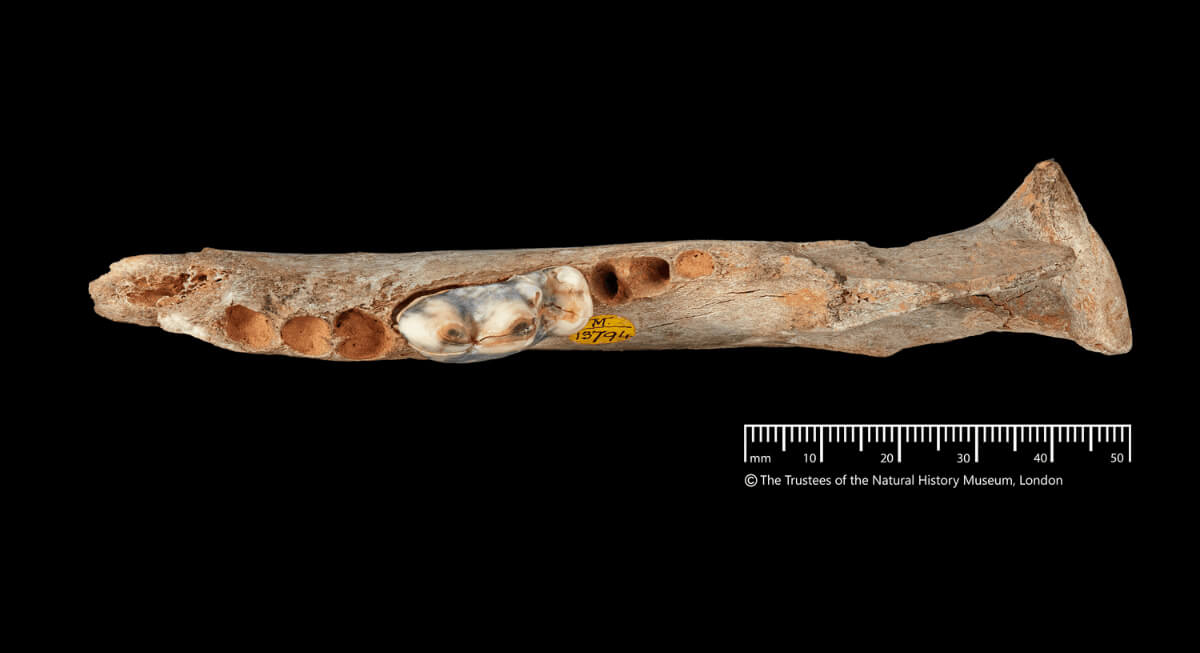
Ancient ruins reveal that people viewed dogs as more than just animals. Excavations at Gough’s Cave in the United Kingdom uncovered a dog jawbone showing signs of human modification after death. This find suggests ritualistic practices, even if the specific purpose remains a mystery. These early humans must have valued their canine companions enough to offer them unique honors long after their final breath.
Ancient Dogs Looked Wolfish
Credit: Sci.News
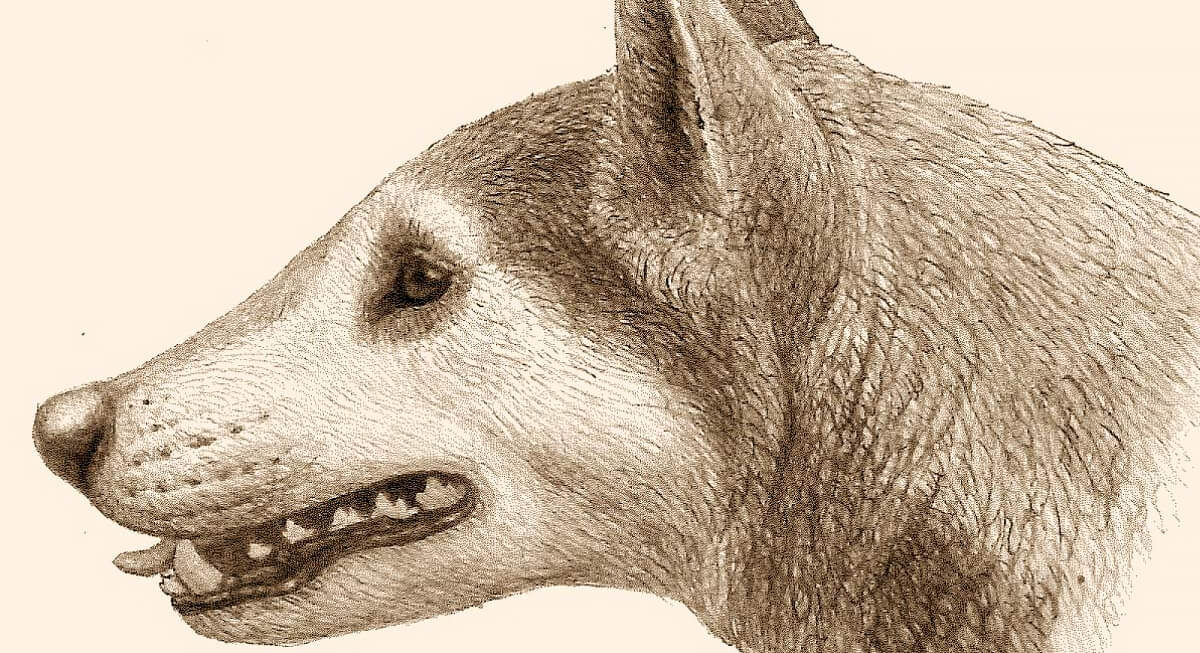
Early dogs likely looked nothing like the gentle pets found in modern living rooms. Scientists believe these animals resembled small wolves with tough bodies built for survival. This reality suggests a relationship based on utility rather than affection. Early humans did not choose companions for their looks. Instead, they relied on hardy, observant animals capable of enduring a brutal Ice Age environment.
Work Came Naturally
Credit: Wikimedia Commons
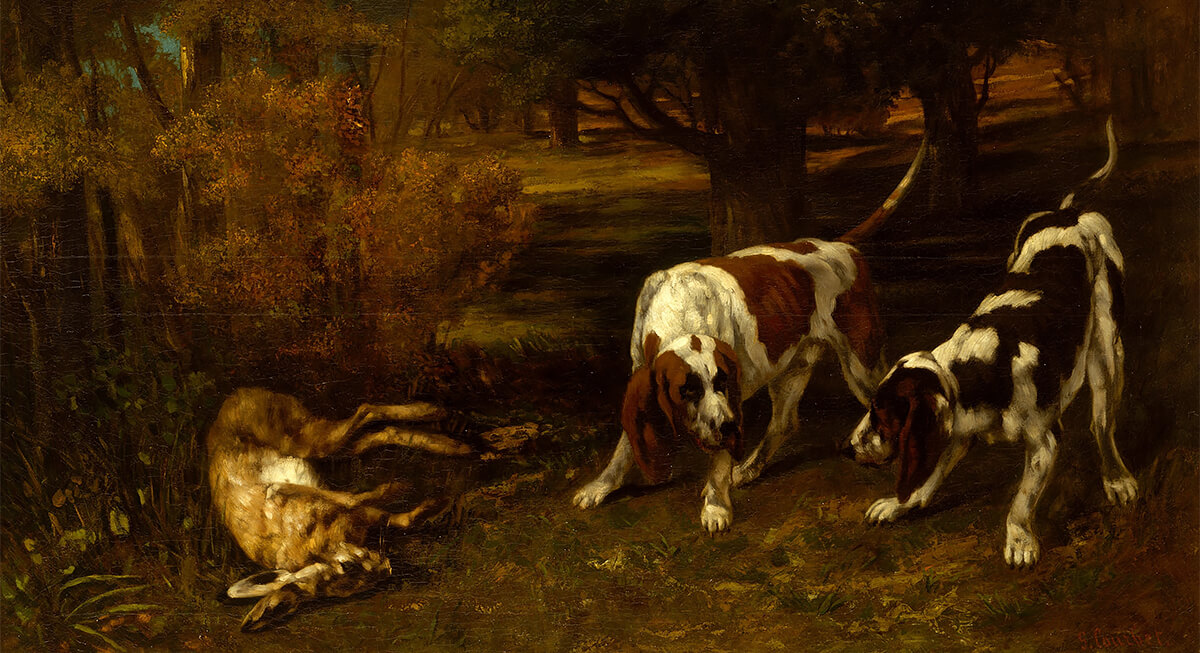
Early canines provided immense value to hunter-gatherer camps. Experts believe these animals assisted with hunts, protected the group, or joined in spiritual rituals. These tasks relied on natural instincts rather than modern training manuals. Sharp hearing and a reliable sense of smell offered daily advantages to human partners. This bond must have grown stronger as people and dogs worked together to survive in a challenging world.
Modern Dogs Carry Traces

Credit: pexels
Modern dog breeds look nothing like their ancestors, but the underlying DNA tells a deep story. Scientists have discovered that ancient lineages provided the foundation for the dogs we live with now. Whether a pet is a giant St. Bernard or a small rescue, its genetic code retains a link to those first Ice Age camps.
The Mystery Remains
Credit: pexels
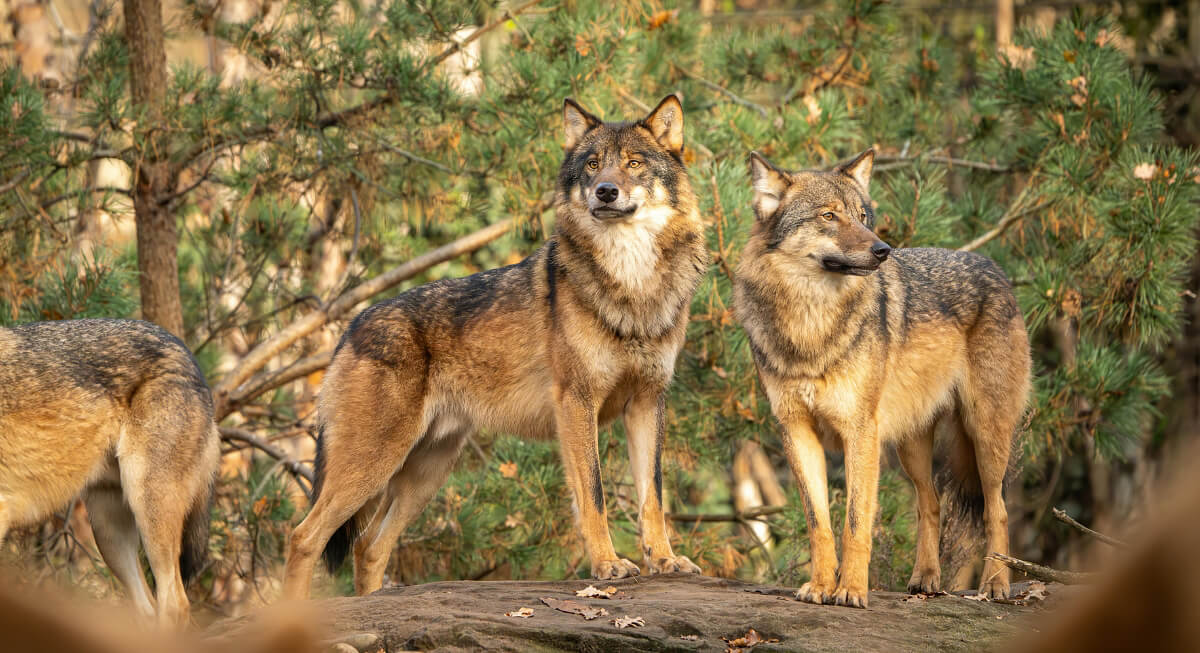
These fresh findings show that dogs and wolves are two distinct groups, but stop short of pinpointing the exact moment this domestication began. Still, we have reason to believe the bond developed over many centuries of gradual change. While these ancient remains mark a major milestone, the actual origin of the partnership between humans and canines remains hidden further back in the distant past.