10 Questions Vets Wish You Would Stop Asking
Vets hear all kinds of questions. Some are helpful, while others are based on myths that persist. It’s not that these questions are bad, but they often reflect misunderstandings that make it harder to give pets the care they truly need. Many of them come from a good place: love, worry, and a desire to do what’s right. Still, certain questions tend to derail appointments or delay important care.
Knowing what to ask instead can save time and lead to better results for your pet. These are the questions vets secretly wish would disappear, and what they’d rather you ask.
Can You Just Prescribe Something Without Seeing My Pet?

Credit: Canva
Even if the symptoms seem familiar, treatment isn’t always that simple. Most vets follow strict rules that require seeing the animal before offering a diagnosis or prescription. What sounds like a repeat issue might actually be something new.
Do They Really Need Regular Checkups and Blood Work?
Credit: Dragon Images
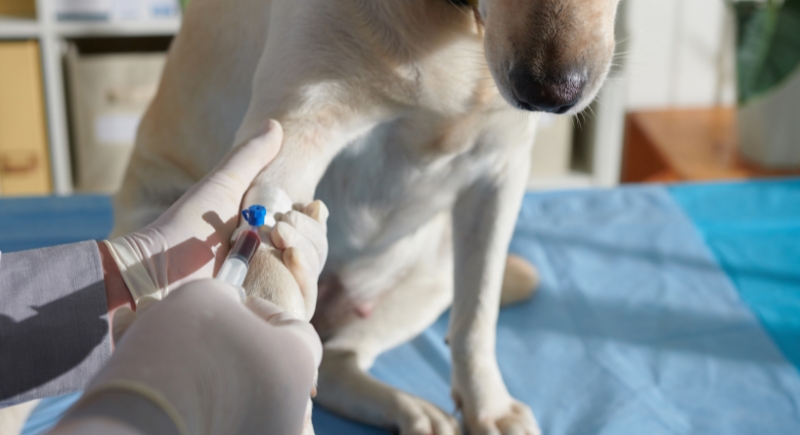
Many owners treat annual exams and lab tests as optional, yet vets rely on them to spot issues early, while treatment is easier and less costly. A better question is, “What can these tests tell us at my pet’s age, and how might that guide care?” Small changes in weight, blood markers, or behavior usually appear long before anything becomes serious, and routine screening helps you act before problems build up.
My Pet Stays Indoors. Do They Still Need Vaccines or Parasite Prevention?
Credit: Canva
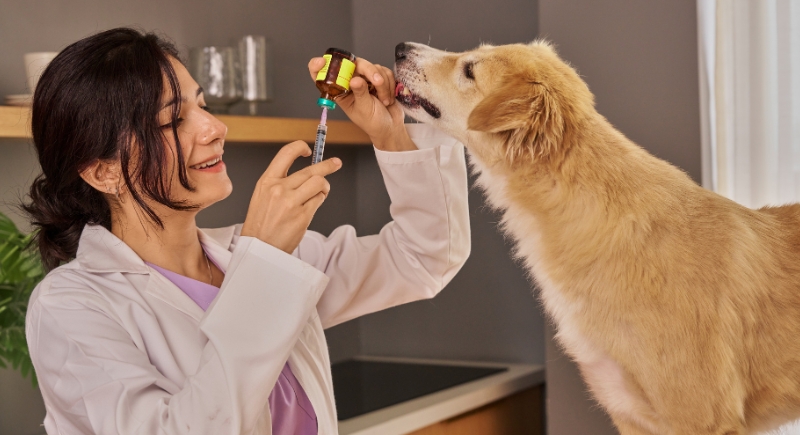
Indoor pets still face some health risks, so veterinarians consider lifestyle and local conditions to determine which vaccines and preventatives are necessary and how often they’re needed. Clinics regularly treat indoor dogs and cats for illnesses and parasites that could have been avoided. Exposure can happen through shoes, open windows, visiting wildlife, or a newly adopted animal, which is why routine protection remains part of basic care.
Can You Give Me Antibiotics ‘Just in Case’?
Credit: Getty Images
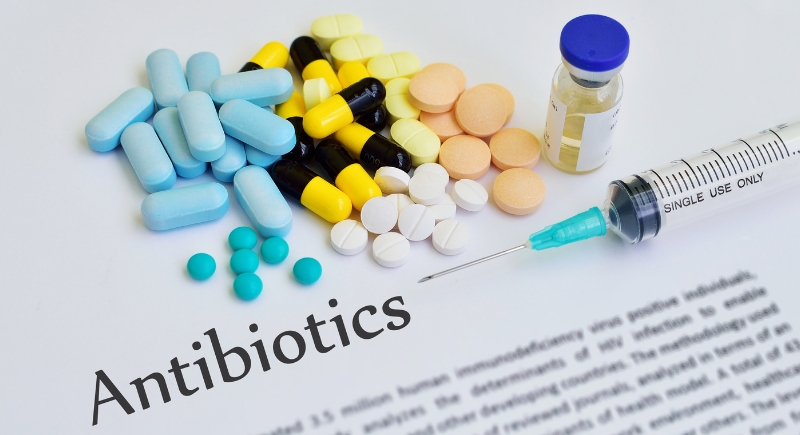
Antibiotics are not a safety blanket. Studies in companion animals show that inappropriate antibiotic use is common, driven in part by owner expectations and pressure. Overuse makes infections harder to treat later, and stewardship guidelines from AVMA, AAHA and others now urge vets to prescribe only when truly needed, with a diagnosis and a plan.
Why Is It So Expensive? Are You Just in It for the Money?

Credit: Canva
It’s normal to wonder about costs, but assuming bad motives puts both sides on edge. Most vets work long hours for modest pay and deal with emotional strain daily. A better way to talk about it is, “Can you walk me through what each part of this bill covers, and whether there are any reasonable lower-cost options?”
Can I Trust What I Saw on TikTok / Facebook Instead?

Credit: pexels
Good vets are happy to debunk bad advice without shaming you for asking. Instead of framing it as a challenge, try, “I saw this method online. Can you tell me if it is safe or useful for my pet?” It invites a real conversation without assuming either side is wrong.
Can You Squeeze Us In Right Now? This Has Been Going On for Weeks.
Credit: SeventyFour
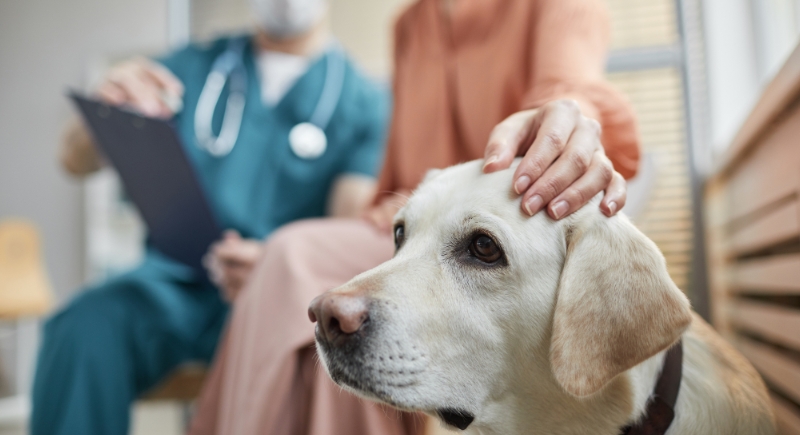
Emergency visits for true crises are part of the job. The problem comes when long-running issues are treated like last-minute add-ons. Clinics worldwide report overloaded schedules, long ER waits, and staff burnout, especially when chronic problems arrive as “urgent” and owners expect instant access. A better habit is to call when you first notice a problem. If something suddenly changes, describe exactly what changed and ask, “Is this an emergency or can it wait for the next open slot?”
Is It Really That Bad If My Pet Is a Little Chunky?

Credit: Getty Images
Research shows owners often underestimate their pet’s weight status, while vets link excess weight to arthritis, diabetes, and shorter lifespans. Instead of brushing it off with, “He is just fluffy,” ask, “Where does my pet fall on the body condition scale, and what would a healthy goal look like?” That opens the door to tailored diet and exercise advice.
I Feed Them What I Eat. Human Food Is Great for Pets, Right?

Credit: Getty Images
Sharing your own meals can feel harmless, yet many everyday foods create trouble for pets. Ingredients like onions, grapes, and rich meats can cause digestive issues or more serious reactions. A safer approach is to check which human foods are genuinely pet-safe in small amounts and make sure their regular diet provides the nutrients they actually need.
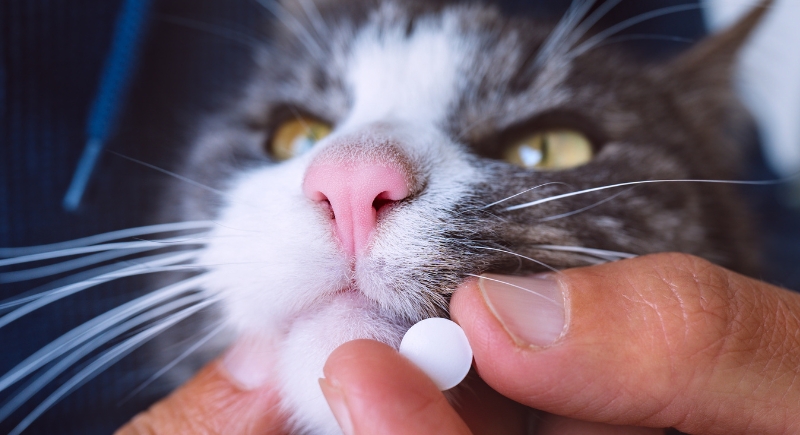
They Seem Fine. Do I Really Need to Finish All the Medication?
Credit: Getty Images
Medications, especially antibiotics, need a full course to work properly. Pets often look better before the underlying issue has completely resolved, and stopping early can let the problem return in a tougher form. Finishing the prescribed course helps ensure the condition is fully treated and less likely to come back.