10 Quiet Strengths of People Who Sleep With Their Pets
There’s a running joke that pet owners who share their beds are either deeply loving or completely unhinged. After all, dogs and cats don’t mind occupying a notable portion of the bed or even sitting on their owners’ faces. Yet, millions of people pull back the covers and make room. Psychologists suggest that people who let their pets sleep in their beds may be more emotionally open, more empathetic, and more naturally comfortable with closeness and daily companionship.
They’re Comfortable Being Vulnerable
Credit: Canva
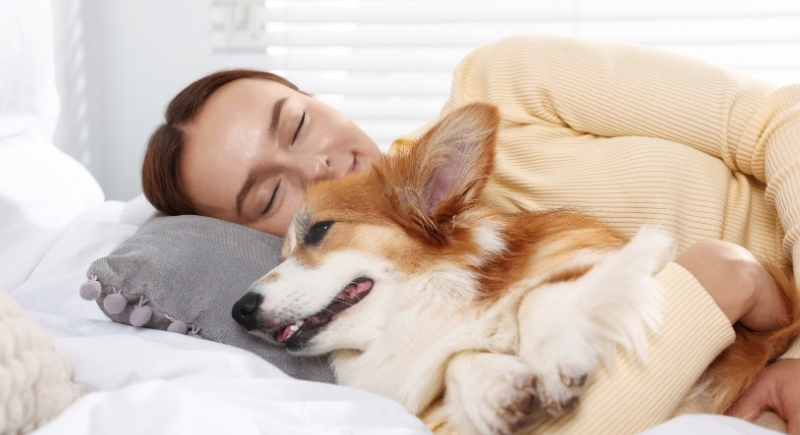
Sleep is when we’re most unguarded. Choosing to share that space with a pet says something meaningful. Dr. Michele Goldman, psychologist and media advisor for the Hope for Depression Research Foundation, explains that it can reflect a deep sense of trust. You’re able to fully rest without feeling the need to stay alert or protect yourself. That kind of ease, even with an animal beside you, often signals someone who’s at peace with their own vulnerability.
They Form Deep Bonds
Credit: Canva
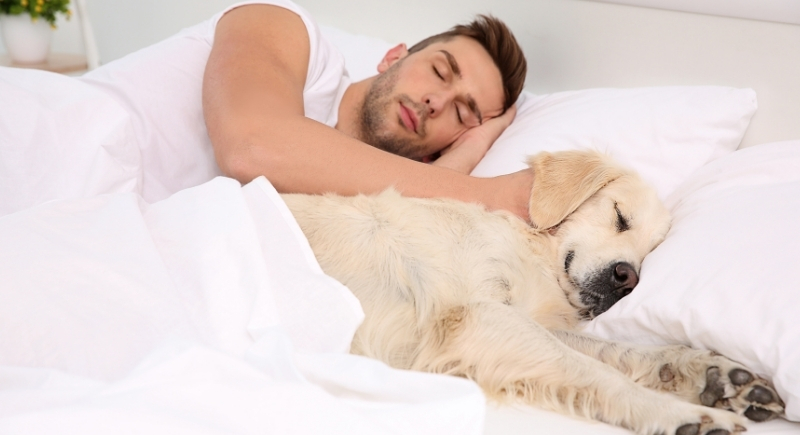
Ask why the dog gets half the pillow, and most co-sleepers will point to the connection. Research suggests close human–pet relationships may activate neurological reward pathways similar to those involved in human attachment. Dr. Denitrea Vaughan of Thriveworks says these individuals often deeply value emotional closeness. Still, current evidence does not prove that this necessarily translates into stronger relationships with other humans.
They Read the Room
Credit: Canva
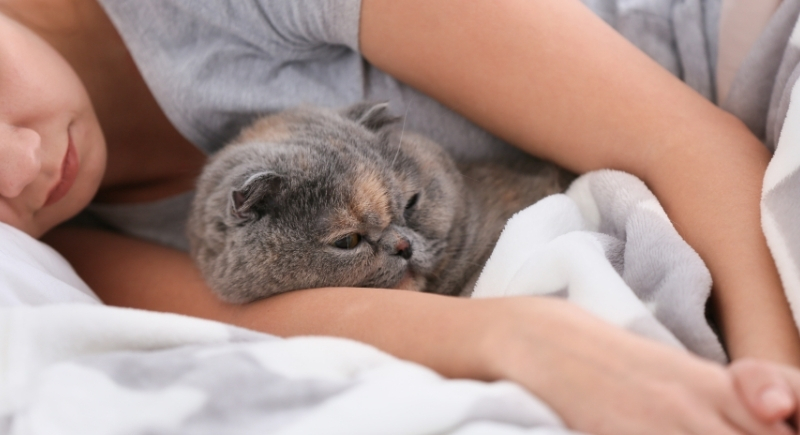
For many co-sleepers, the decision starts with the pet, not themselves. They notice when the dog seems restless or when the cat settles more easily beside them. Clinical psychologist Dr. Leah Kaylor describes this as empathy in action. Tuning in to an animal’s comfort at midnight can reflect a broader sensitivity to emotional cues, even if it does not automatically define someone’s personality.
Improved Sleep Quality
Credit: Getty Images
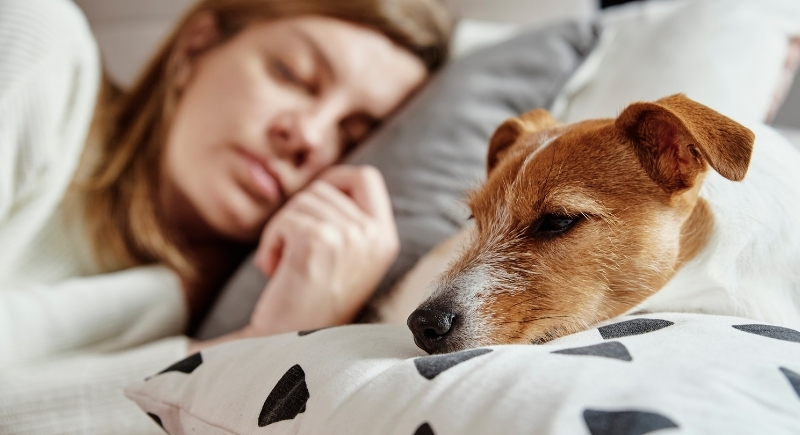
A 2020 study from Canisius College found that women who slept with a dog reported better sleep quality and a stronger sense of security than those who didn’t. For people carrying elevated stress or trauma histories, a pet’s warm and steady presence may help reduce nighttime anxiety, though researchers note that sleep outcomes vary and evidence remains mixed. Your dog is not going to send an email at midnight.
They’re Natural Caretakers
Credit: unsplash
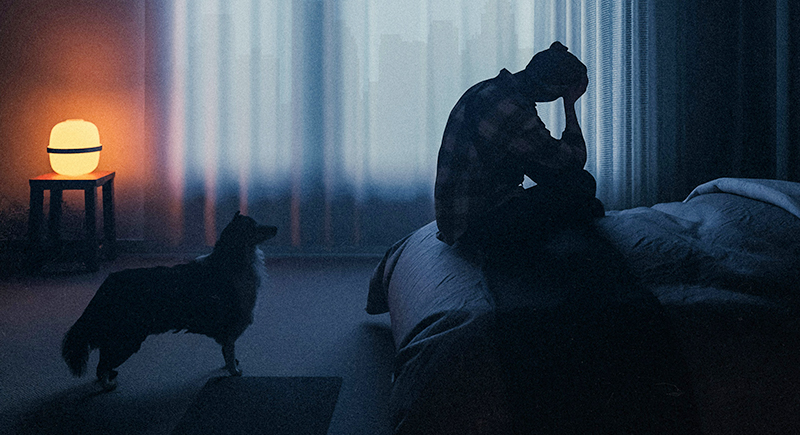
Making sure a pet is warm, close, and settled for the night often comes from a caregiving instinct. While sharing a bed with an animal doesn’t automatically define someone’s personality, it can reflect a habit of noticing needs before they’re voiced. The same attentiveness that ensures a dog is comfortable at midnight may also show up in everyday relationships, sometimes even at the expense of their own rest or space.
High Touch Tolerance

Credit: Canva
Pets are usually terrible at respecting personal space, and their owners usually love them for that. Co-sleeping with an animal almost guarantees sustained physical contact through the night. While people who prefer that kind of contact may tend to be more physically at ease with others, no scientific evidence directly links co-sleeping to a measurable tolerance for touch.
They Don’t Need Everything to Be Perfect

Credit: pexels
Optimal sleep and pet co-sleeping are rarely the same thing, and people who choose the latter anyway are revealing something real about their priorities. It can reflect a willingness to trade technical correctness for meaningfulness, which may surface in how they handle imperfection elsewhere. The person who has learned to sleep through a dog doing three full rotations before settling has picked up some adaptability, even if it wasn’t by design.
They’re Genuinely Calmer People

Credit: Getty Images
The CDC notes that pet ownership is sometimes associated with lower blood pressure, lower cholesterol, and reduced feelings of loneliness, though these findings reflect pet ownership broadly rather than co-sleeping specifically. Some researchers think falling asleep to a pet’s rhythmic breathing may promote calmness on a nightly basis, but calm personality traits are not proven outcomes of co-sleeping.
They Trust Easily and Wisely
Credit: Canva
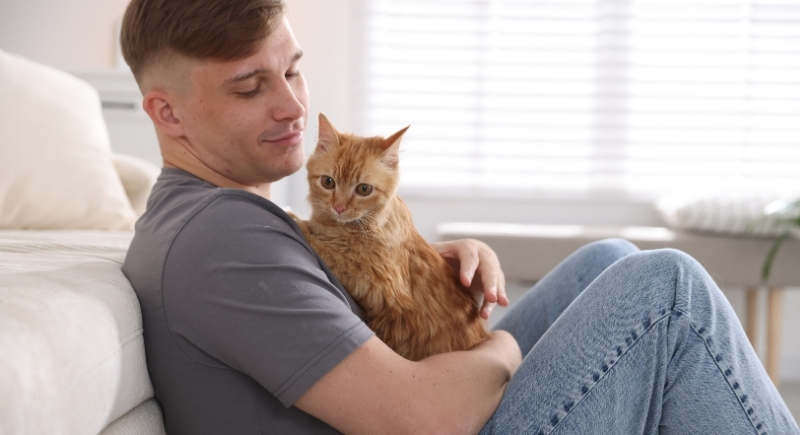
Sleeping beside another living creature, night after night, builds real confidence. Pets offer a steady, judgment-free presence, which can create a sense of psychological safety. Over time, that kind of environment makes openness feel natural. People drawn to it are not reckless with trust. Feeling secure enough to rest next to a pet often reflects someone who has already learned how to trust with care and intention.
Flexible by Nature
Credit: pexels
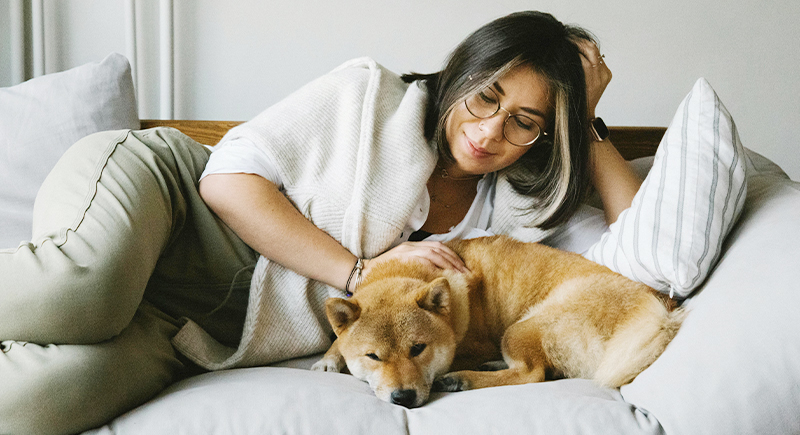
People who have pets in their beds know all too well about dogs that rotate like a clock hand or cats who decide 4 a.m. is the ideal time for a snack. Despite the inconvenience, their human keeps showing up for them. Accommodating a pet’s unpredictable sleep habits could build an adaptability that carries over into daily life, though research does not confirm that personality flexibility develops specifically from co-sleeping.