10 Human Foods That Can Be Fatal to Rabbits
Rabbits often seem curious and unfussy when food is nearby, but their bodies handle digestion very differently from ours. Something that feels ordinary to us, a bite left on the counter or a shared snack, can overwhelm a rabbit’s system fast. This list looks at common human foods that pose real risks to rabbits.
Avocados
Credit: Getty Images
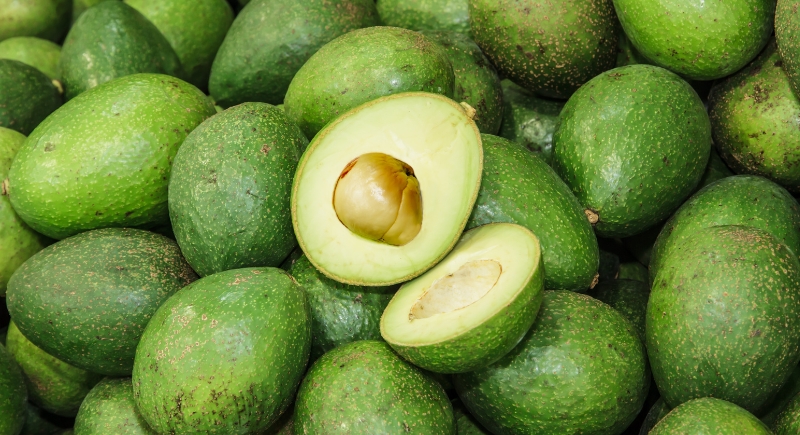
The fruit contains persin, a natural compound that affects the heart and lungs of several animals. Rabbits process it poorly, even in small amounts. The flesh, skin, pit, and leaves all carry risk. Ingestion can lead to breathing trouble and fluid buildup around the heart, which veterinarians consider a medical emergency.
Chocolate
Credit: pexels
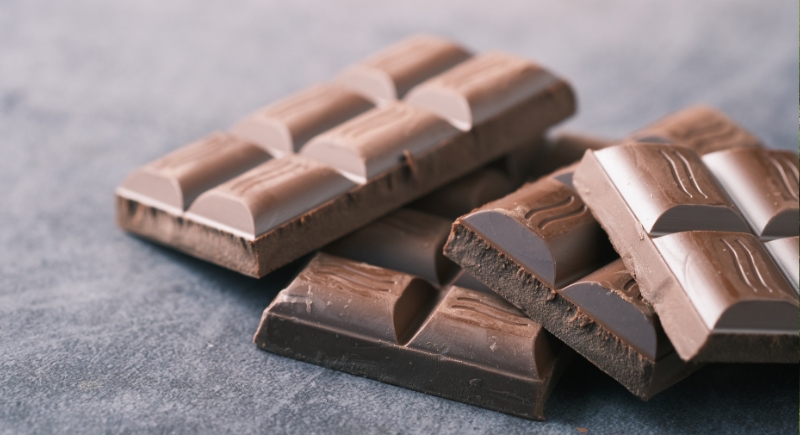
The chemicals theobromine and caffeine can overstimulate their systems, sometimes with fatal consequences. The darker the chocolate, the more dangerous it becomes. Rabbits can’t vomit, so once it’s in, it’s in. Even a tiny piece can lead to shaking, a high heart rate, or worse, if not caught quickly enough.
Raw Onions And Garlic
Credit: Canva
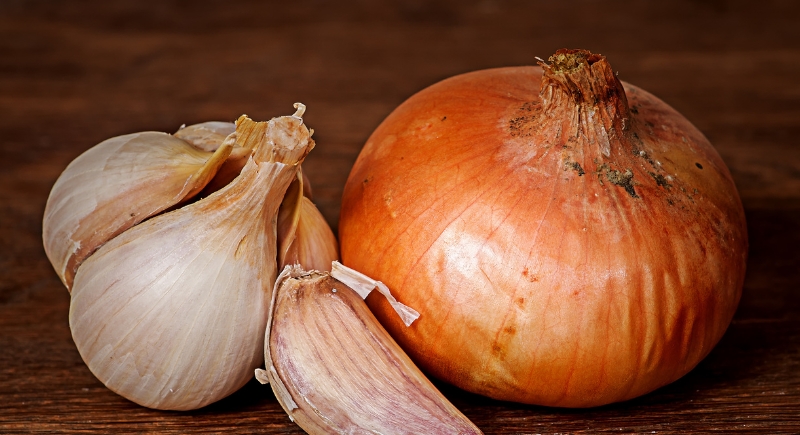
Raw onions and garlic contain compounds that damage red blood cells. As the body attempts to clean up, anemia can develop. Signs may include pale gums and reduced interest in food. Cooking does not remove this risk for rabbits. Powdered forms carry the same danger, which surprises many households that use them daily.
Fruit Seeds And Pits
Credit: Getty Images
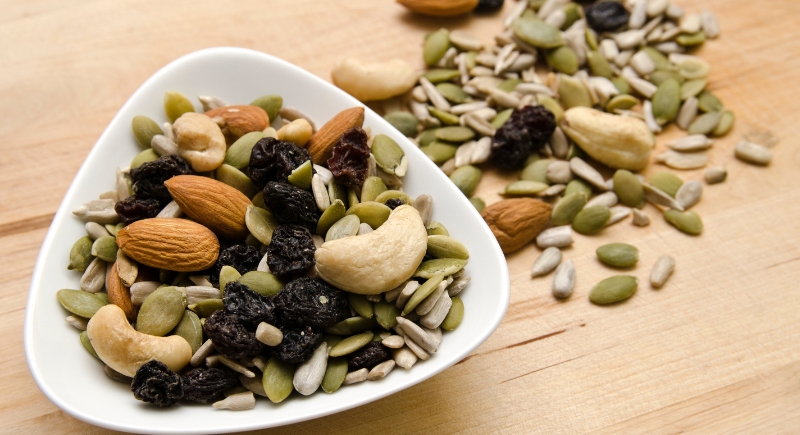
Apples, cherries, and peaches often tempt rabbits with their sweet flesh, but the seeds and pits tell a very different story. These parts contain compounds that can release cyanide during digestion, making them dangerous in any amount. The simple fix is to offer only the fruit itself and remove every seed or pit before serving.
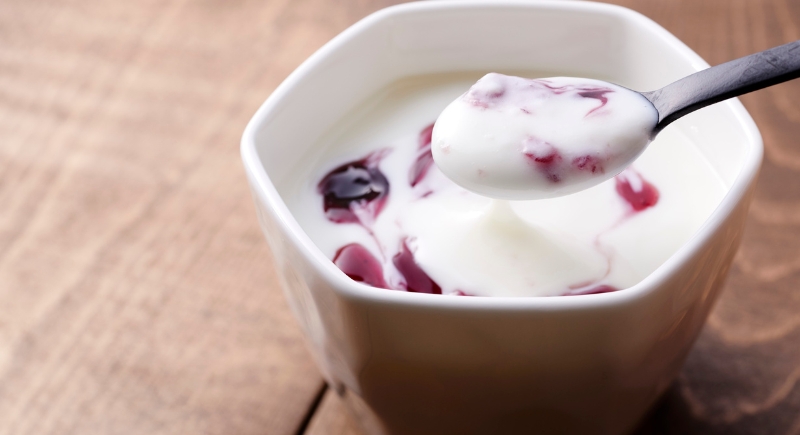
Yogurt Drops And Dairy Treats
Credit: Canva
Yogurt drops are often marketed as bunny treats, but rabbits are not built to handle dairy. Their digestive systems struggle with milk-based products, especially when sugar and fat are involved. These snacks can upset the natural balance in a rabbit’s gut and, in some cases, lead to sudden and serious digestive illness.
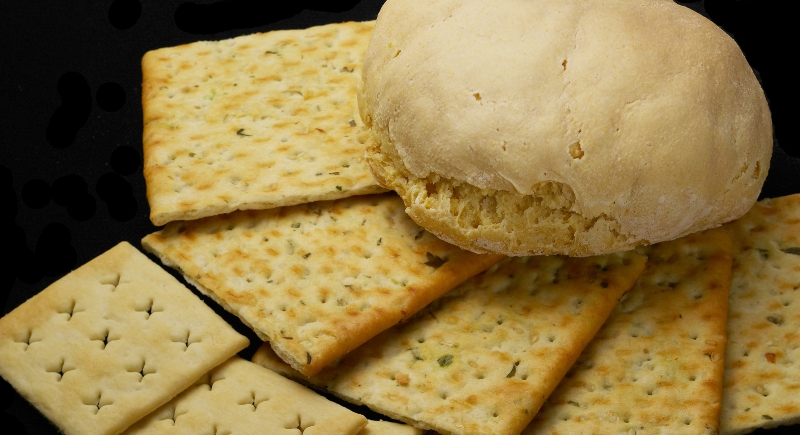
Processed Breads And Crackers
Credit: Getty Images
Bread, crackers, pasta, and cookies share a common issue for rabbits: high starch with low fiber. These foods ferment rapidly in the gut and upset the balance of beneficial bacteria. Rabbits depend on steady fiber intake to keep food moving properly. Processed grains interrupt that flow and carry risks beyond simple weight gain.
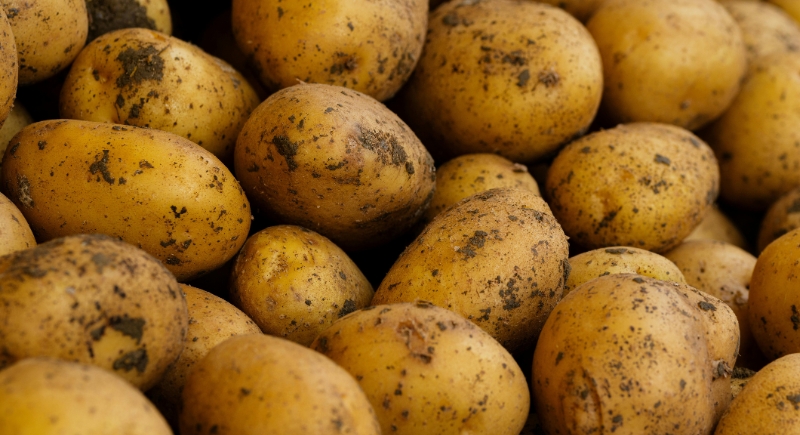
Raw Potatoes
Credit: pexels
Raw potatoes contain solanine, a natural toxin found in nightshade plants. Rabbits exposed to solanine may show signs such as lethargy and abdominal discomfort. Cooking lowers solanine for humans, yet potatoes still remain high in starch. That starch stresses a rabbit’s gut and teeth.
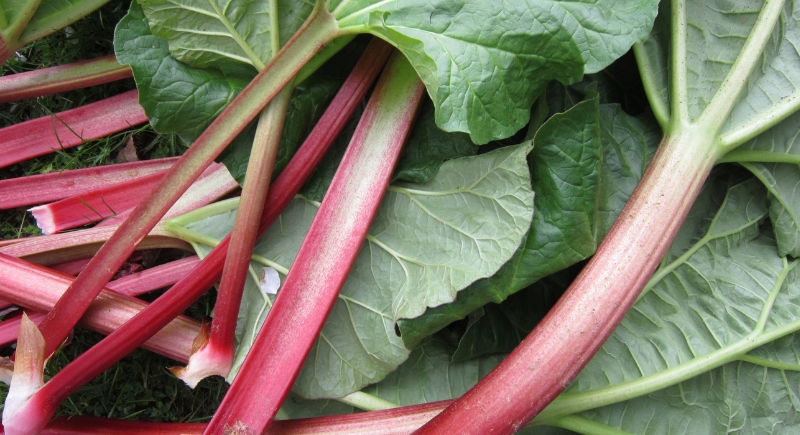
Rhubarb
Credit: pixabay
Rhubarb’s high oxalic acid content puts rabbits at risk. Too much oxalic acid can mess with calcium levels and trigger issues like bloating, mouth irritation, or diarrhea. The stalks and leaves both carry risk, and rabbits don’t exactly ask before they nibble, so keep it fenced off or out of reach.
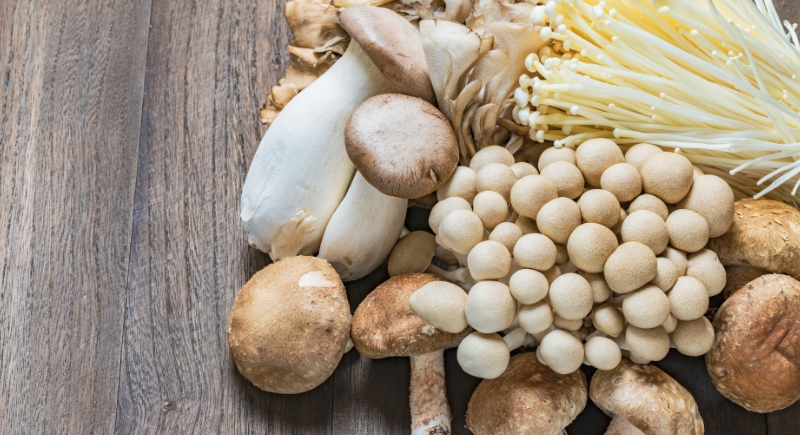
Mushrooms
Credit: Getty Images
Mushrooms can contain compounds that linger after cooking and cause stomach upset or organ trouble. The bigger concern? Wild mushrooms. It’s nearly impossible to identify them correctly unless you’re a mycologist, so it’s best to skip mushrooms altogether for rabbits, just to be sure.
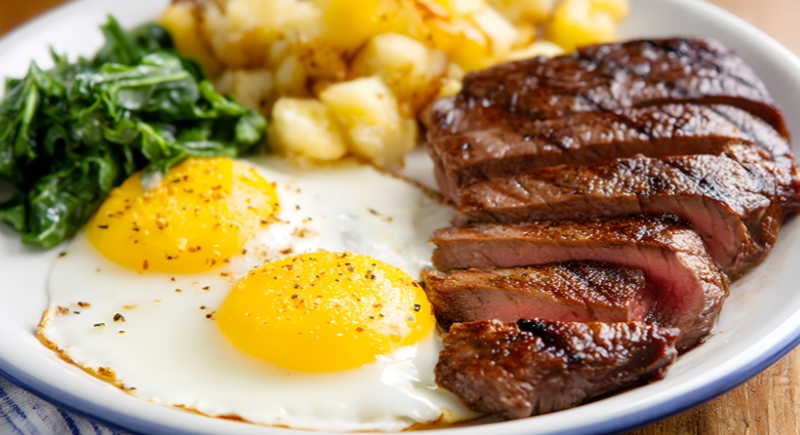
Meat And Eggs
Credit: Canva
Rabbits evolved as strict herbivores, built to digest fibrous plants rather than animal protein. Meat and eggs overwhelm their digestive system and disrupt gut bacteria. Curiosity may drive a rabbit to nibble unfamiliar smells, yet their biology offers no tools to handle these foods safely. Avoidance remains the only reliable strategy.