Unique Marine Animals You Can Spot While Scuba Diving in the Andamans
The warm waters around the Andaman Islands are full of movement, color, and the occasional surprise. With coral reefs stretching across miles and shipwrecks doubling as marine apartments, the sea life here gets creative. Divers with a keen eye and a little patience often stumble upon creatures that seem straight out of science fiction.
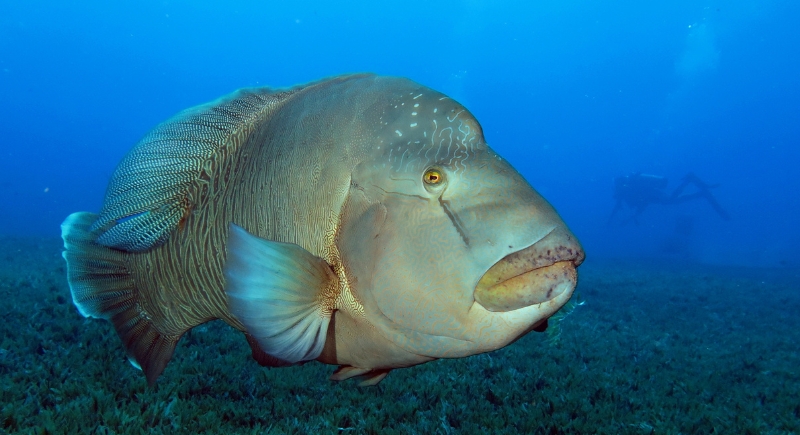
Napoleon Wrasse With a Serious Mug
Credit: Getty Images
The Napoleon Wrasse can grow over six feet and lives around reef drop-offs and coral-rich ledges. It’s easy to recognize by the hump on its forehead and thick lips. The Andamans remain one of the few places in India where divers still have a chance to spot one.
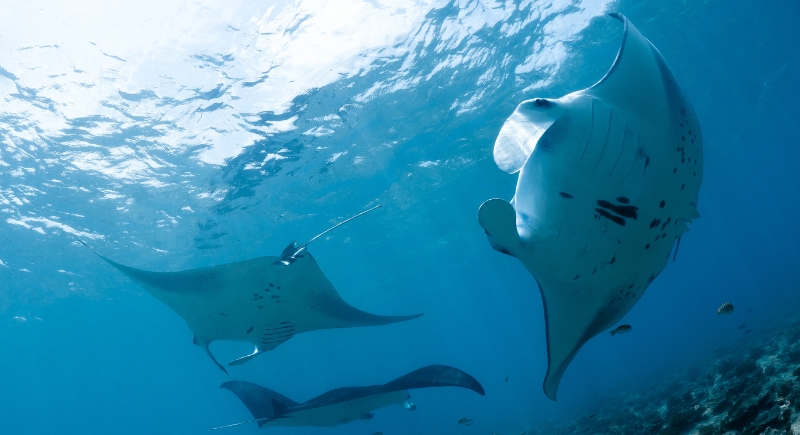
Manta Rays That Glide Like Kites
Credit: Getty Images
Manta Rays drift across open water with wingspans that stretch wider than a car. They’re often seen near “cleaning stations,” where smaller fish nibble parasites off their skin. In the Andamans, Dixon’s Pinnacle and Barren Island are known hangouts. Despite their size, they move gracefully and don’t mind being watched.
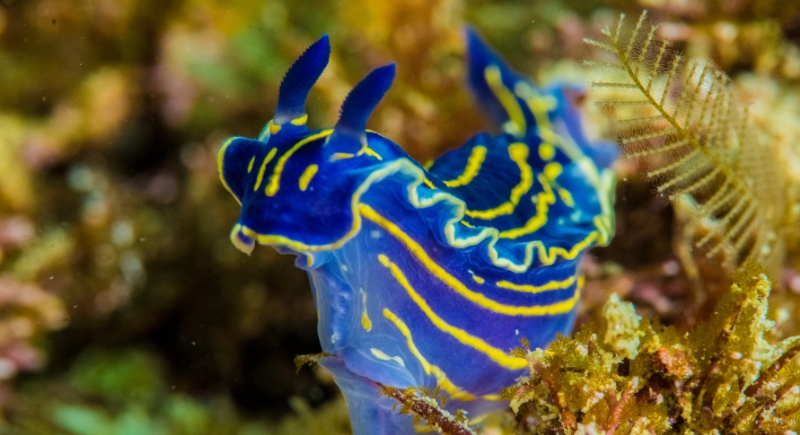
Nudibranchs That Look Hand-Painted
Credit: Getty Images
These tiny sea slugs are colorful enough to be mistaken for underwater confetti but are actually serious subjects for macro photographers. The Andaman Sea is a hotspot for nudibranch diversity, especially near Neil Island and North Bay. Each one is different with frills, dots, stripes, and even fuzzy tufts.
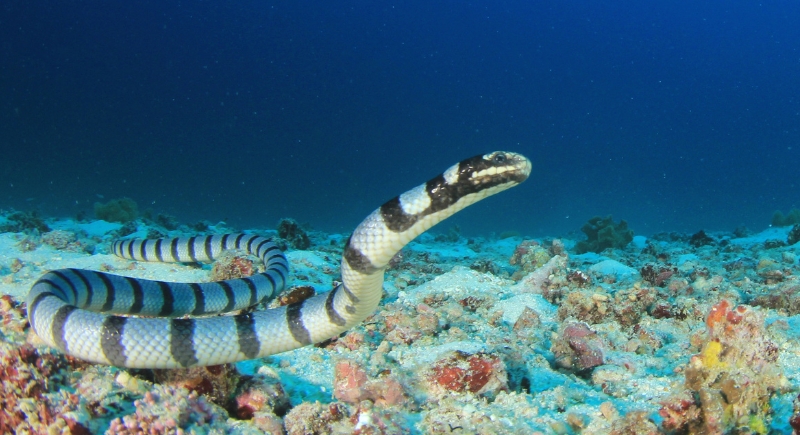
Banded Sea Kraits That Slip Through Reefs
Credit: Getty Images
These black-and-white-striped snakes are strong swimmers, and they’re also venomous. Still, they’re not considered dangerous to divers. Banded sea kraits pop up near reef edges or rocky coral heads, sometimes hunting eels or small fish. While they do come up for air, they spend most of their time underwater.
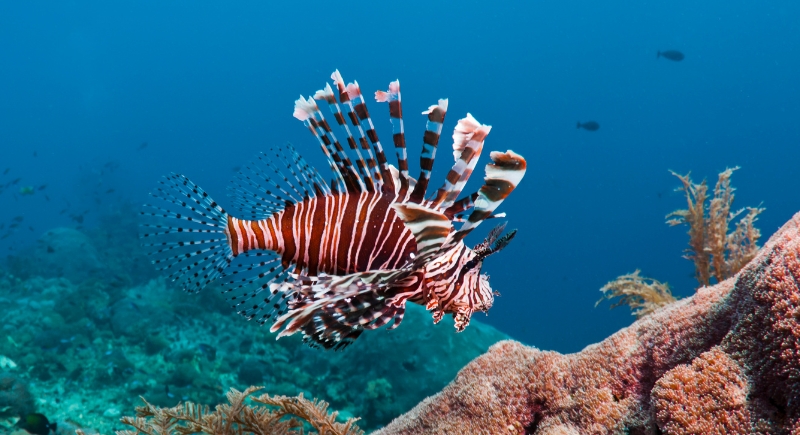
Lionfish That Look Like Royal Guards
Credit: Getty Images
While native to this region, the lionfish is better admired than approached since they’re highly venomous. They’re often found near Mac Point or The Wall in Havelock, where they hang still in mid-water, waiting for unsuspecting prey to swim past.
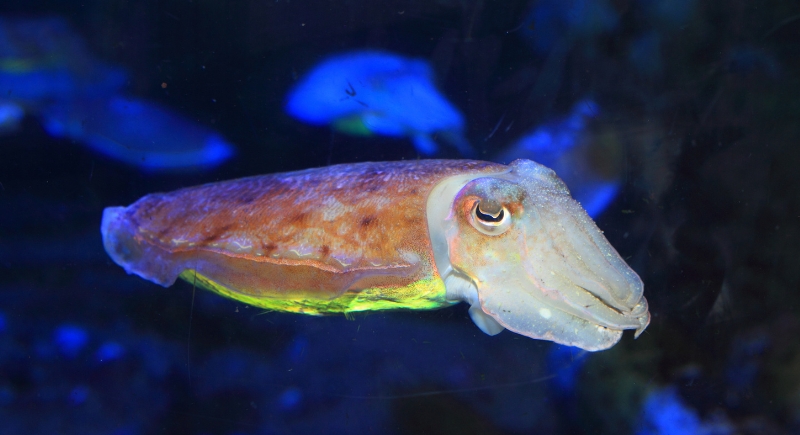
Cuttlefish With a Mood Ring Body
Credit: Getty Images
They change colors, then pulse through patterns and textures. Cuttlefish use chromatophores in their skin to communicate or blend in. You’ll find them between rocks or hovering in sandy patches. They’re intelligent, with W-shaped pupils and a tendency to watch divers back.
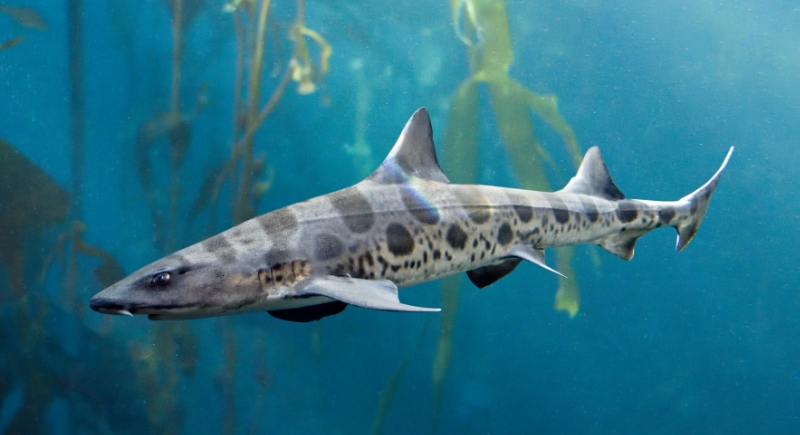
Leopard Sharks That Nap in the Sand
Credit: Getty Images
Despite the name, leopard sharks are mellow bottom-dwellers. They stretch over six feet long and often rest motionless on the seabed. In clear conditions, they blend almost too well into the sand. Sightings are more common in the shallower regions of the Andaman Sea, often near reef edges or sandy drop-offs.
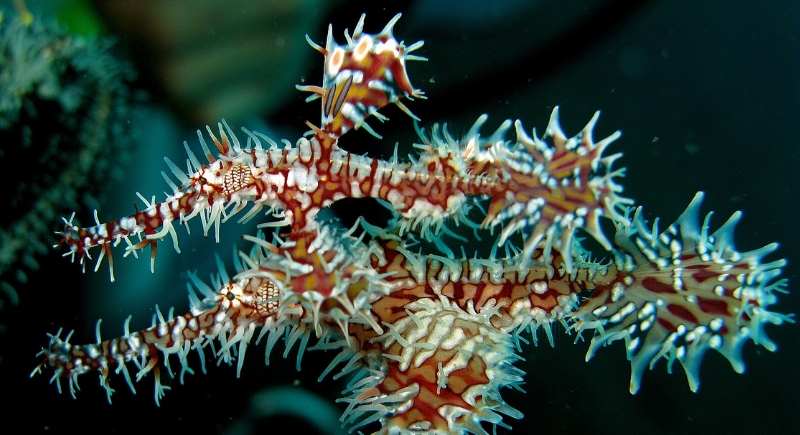
Ghost Pipefish You’d Swear Were Seaweed
Credit: Wikimedia Commons
Ghost pipefish float head-down near crinoids or soft coral, and their leaf-like bodies make them nearly invisible. Unlike seahorses, these relatives tend to hover still, which helps with camouflage. They’re seasonal and can be tough to find.
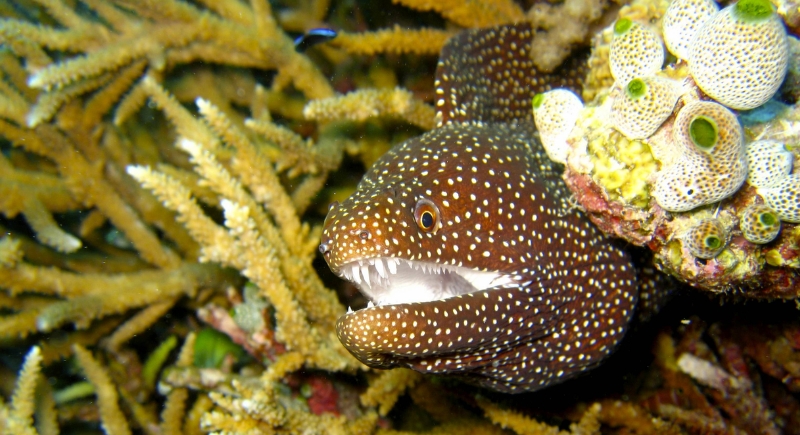
Moray Eels With the Worst Poker Face
Credit: Wikimedia Commons
Moray eels wedge themselves into crevices with just their heads poking out. They vary in color, from greenish-brown to golden or speckled. Divers often glimpse them during drift dives, especially around sites like Johnny’s Gorge.
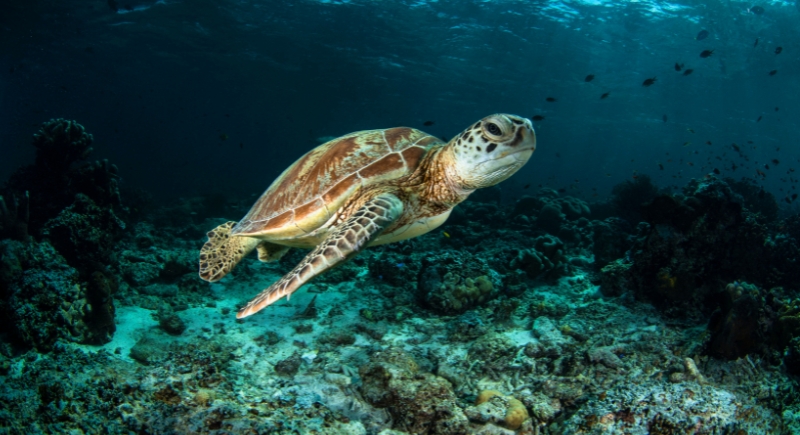
Sea Turtles That Cruise Without a Care
Credit: Getty Images
Hawksbill and green sea turtles pass by like they’ve got nowhere urgent to be. They might stop to munch on seagrass or glide silently overhead. Turtle Beach near Havelock Island is named for good reason, but they’re also spotted along other dive routes. They’re easy to track underwater—just follow the shadows that move effortlessly.