10 Rare Cat Breeds That Will Make You Do a Double-Take
Most people can easily recognize breeds like the Siamese or Persian, but there’s a whole side of the cat world that rarely gets attention. Only a small share of cats belong to pedigreed breeds, and some of those are so rare that even cat lovers don’t often encounter them. This list highlights a few rare breeds you’re unlikely to see in everyday life.
Sokoke
Credit: iStockphoto
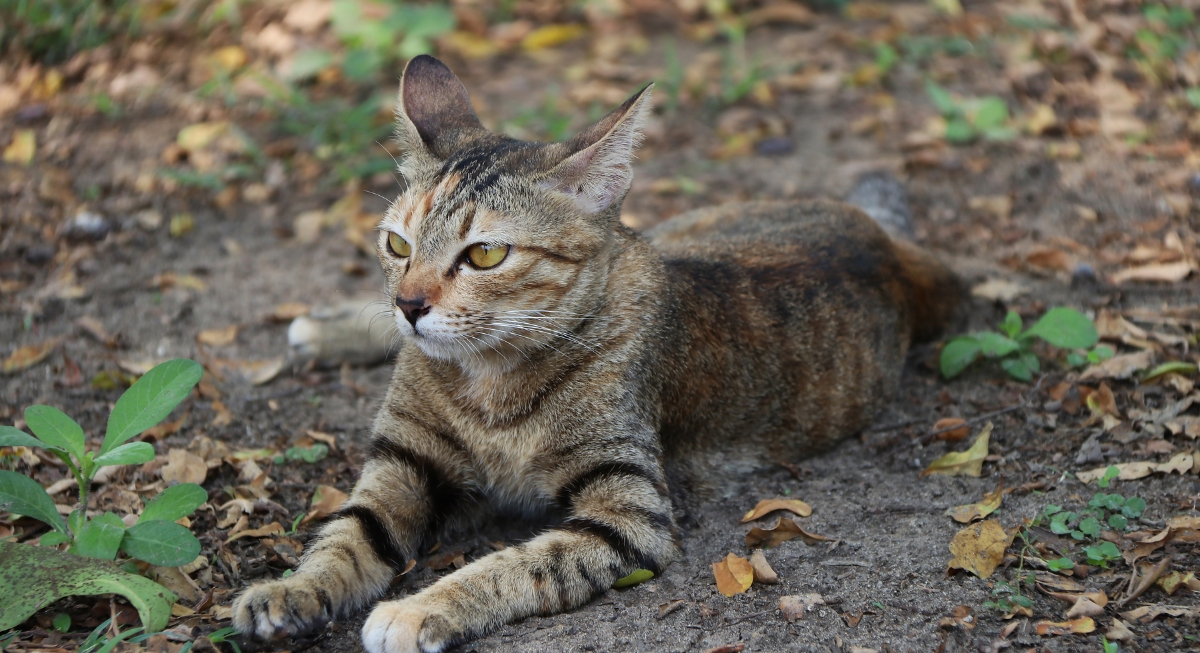
The Sokoke stands apart with its marbled coat that looks almost hand-painted. Early assumptions linked it to wild hybrids, though genetic studies traced its roots to domestic lines with ancient ties. This breed remains extremely scarce, partly due to limited breeding programs. Owners often describe Sokokes as energetic and alert, with a strong preference for climbing and interactive play.
Peterbald
Credit: iStockphoto
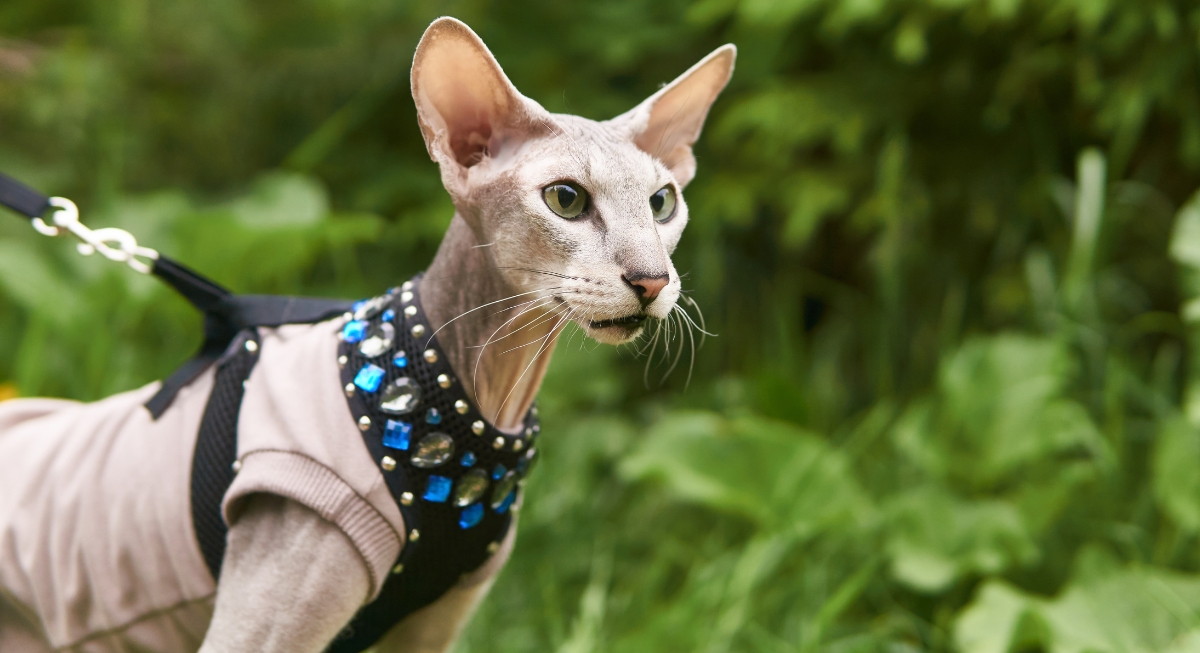
One cat may be completely hairless, while another carries a fine layer resembling suede. This flexibility comes from a specific gene mutation. The breed also shows a lean, athletic build and long limbs. Peterbalds tend to be affectionate and social, often following people closely and staying engaged in household activity.
Kurilian Bobtail
Credit: Wikimedia Commons
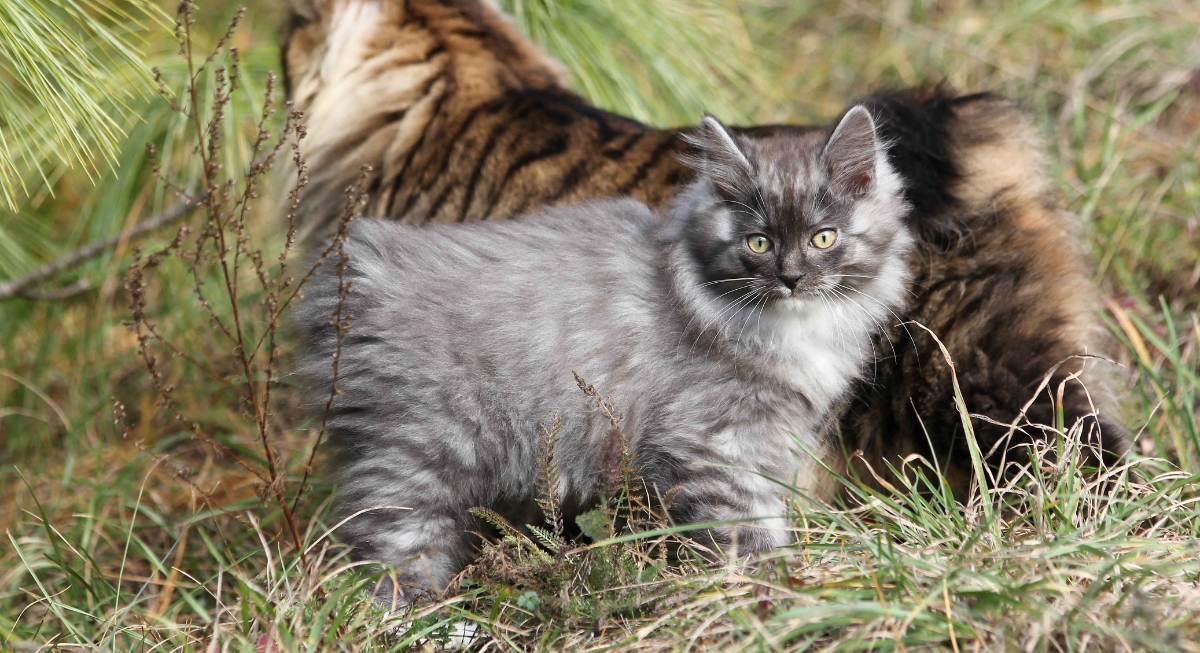
The Kurilian Bobtail comes from Russia’s Kuril Islands and is known for its short, pom-pom tail, a natural genetic trait. No two tails look the same, which gives each cat a distinct look. While it’s well known in parts of Russia, the breed remains rare in most other regions, with very few registered in North America.
Egyptian Mau
Credit: Wikimedia Commons
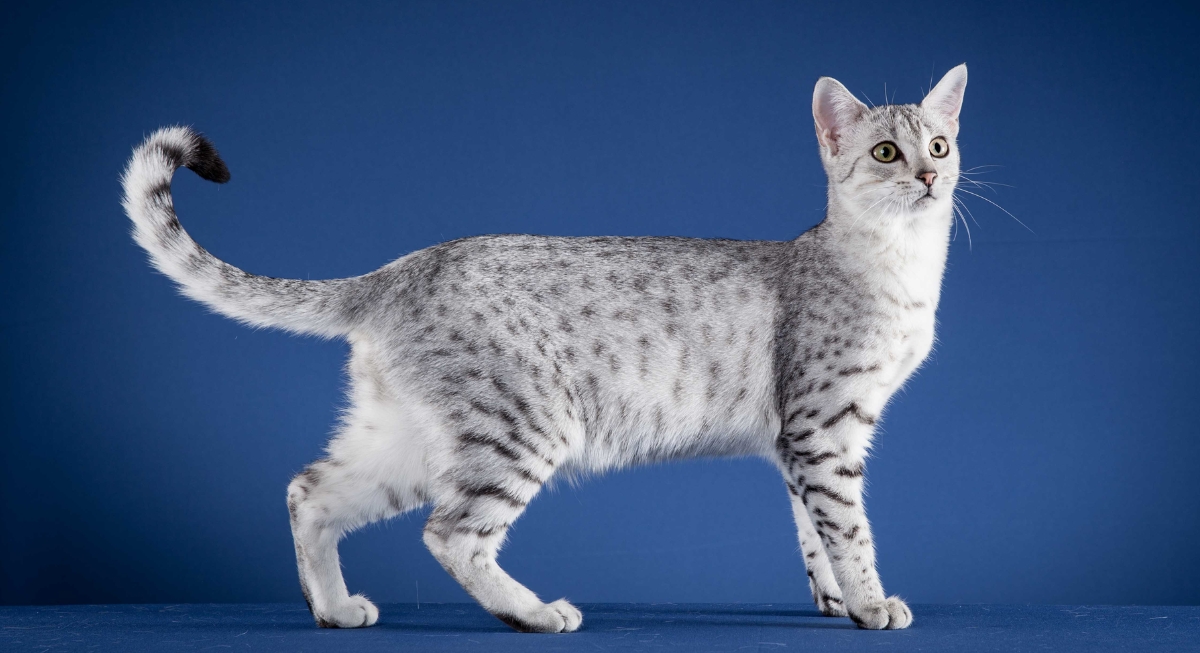
The Egyptian Mau traces back thousands of years, with similar spotted cats appearing in ancient artwork. Its spots form naturally rather than through selective breeding, which sets it apart from many other breeds. It’s also one of the fastest domestic cats, capable of reaching speeds close to 30 miles per hour.
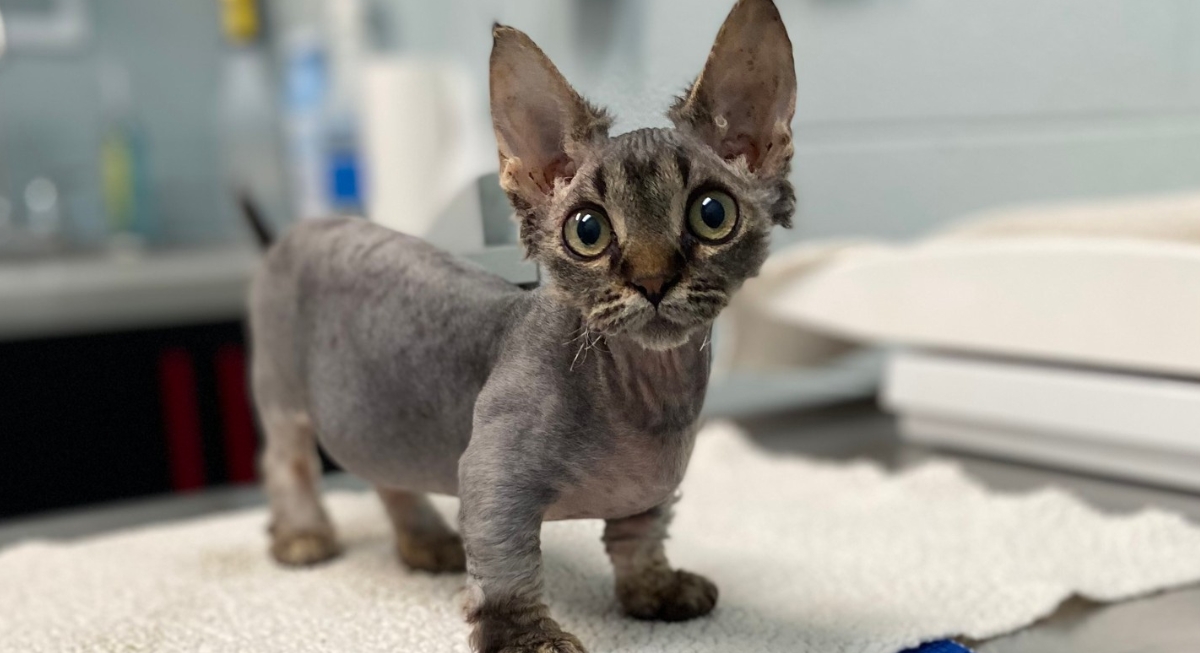
Minskin
Credit: Instagram
The Minskin arrived as a newer breed, officially recognized in 2008 after crossing Sphynx and Munchkin cats. Its appearance can seem unusual at first glance, with short legs paired with sparse fur concentrated on the face, ears, and legs. Despite that look, the breed has a warm, friendly personality.
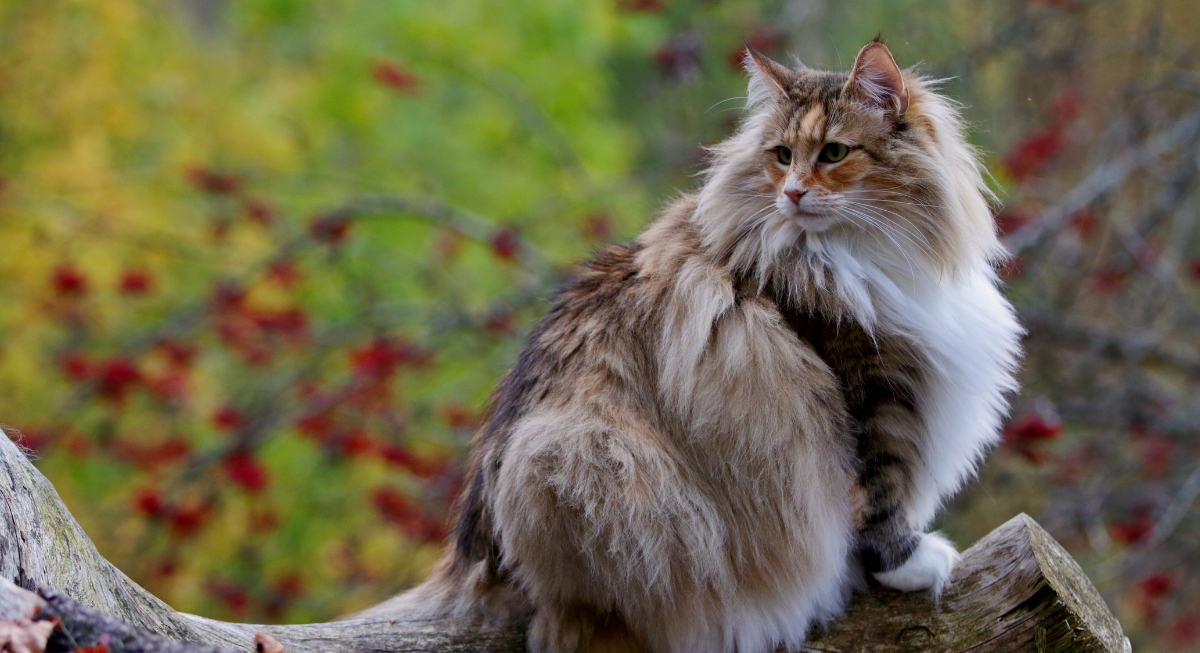
Norwegian Forest Cat
Credit: Getty Images
This large, sturdy breed developed naturally in Scandinavia, where harsh winters shaped its thick, water-resistant coat. It nearly disappeared during WWII before dedicated breeding efforts helped restore its numbers. Norwegian Forest Cats often appear imposing due to their size, yet their temperament leans gentle and social.
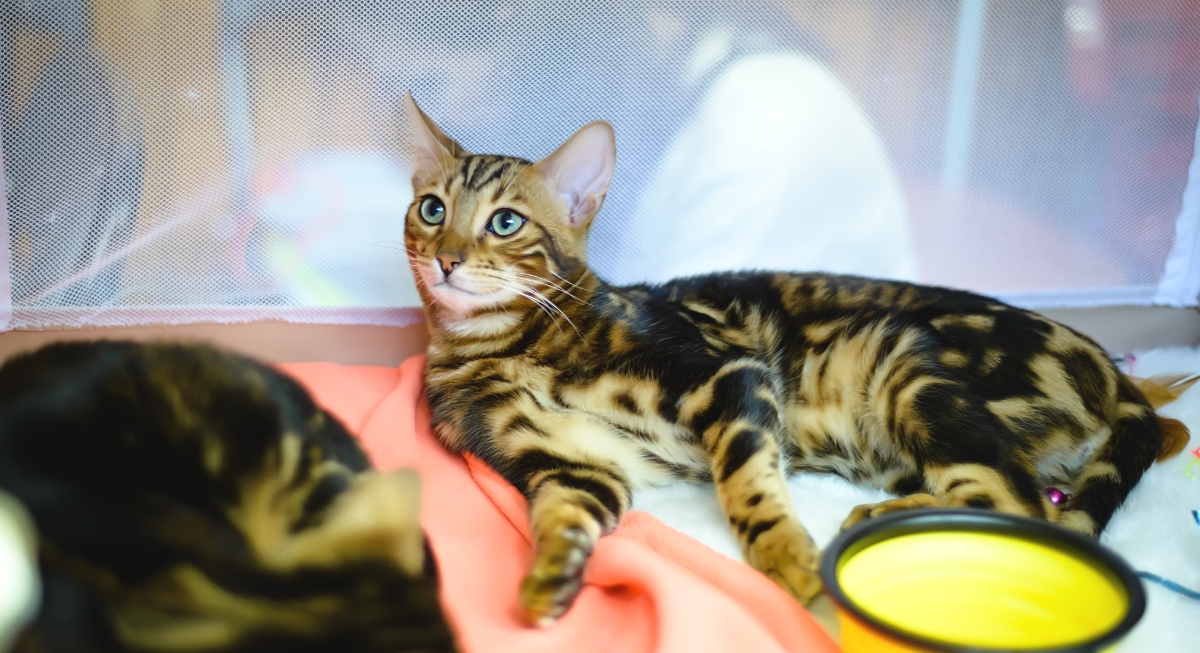
Serengeti
Credit: iStockphoto
The Serengeti was developed by crossing Bengal and Oriental Shorthair cats to create a serval-like look without using any wild ancestry. Its long legs, large ears, and spotted coat give it a distinct appearance. The breed remains uncommon due to a limited number of breeders, and it’s known for being highly active and curious.
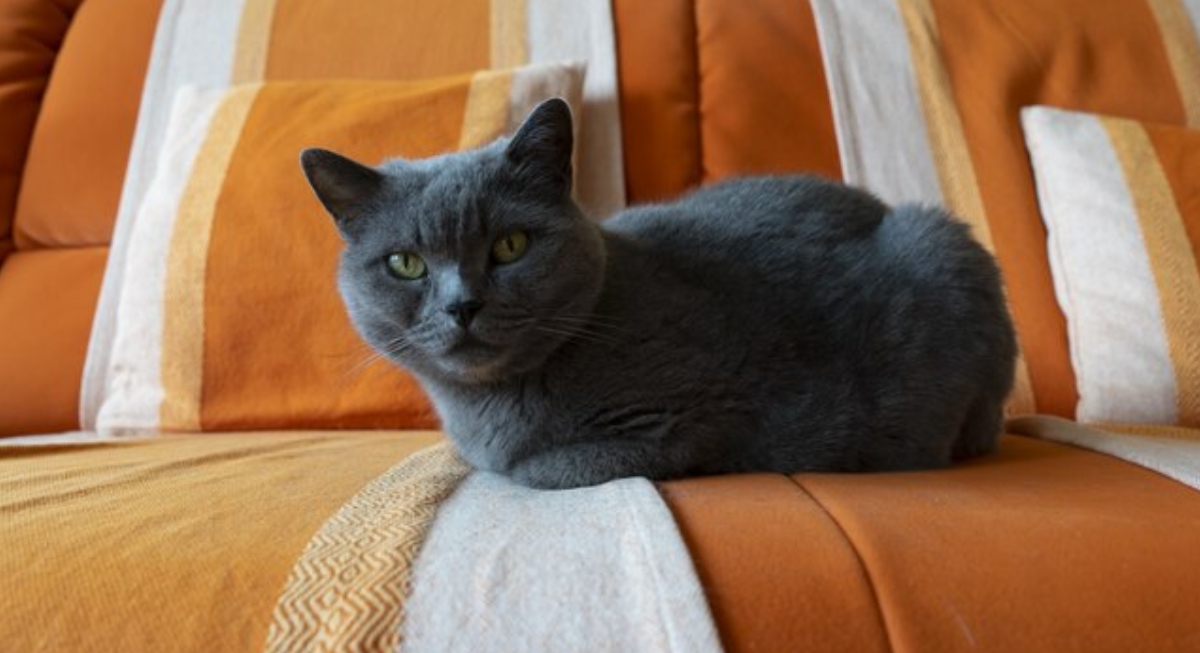
Chartreux
Credit: Wikimedia Commons
The Chartreux is known in France as the “smiling blue cat” and has a long history often linked to monastic communities. Its dense, water-resistant coat and copper-colored eyes give it a distinct appearance. The breed’s numbers declined during periods of war and were later restored through careful breeding programs.
LaPerm
Credit: Getty Images
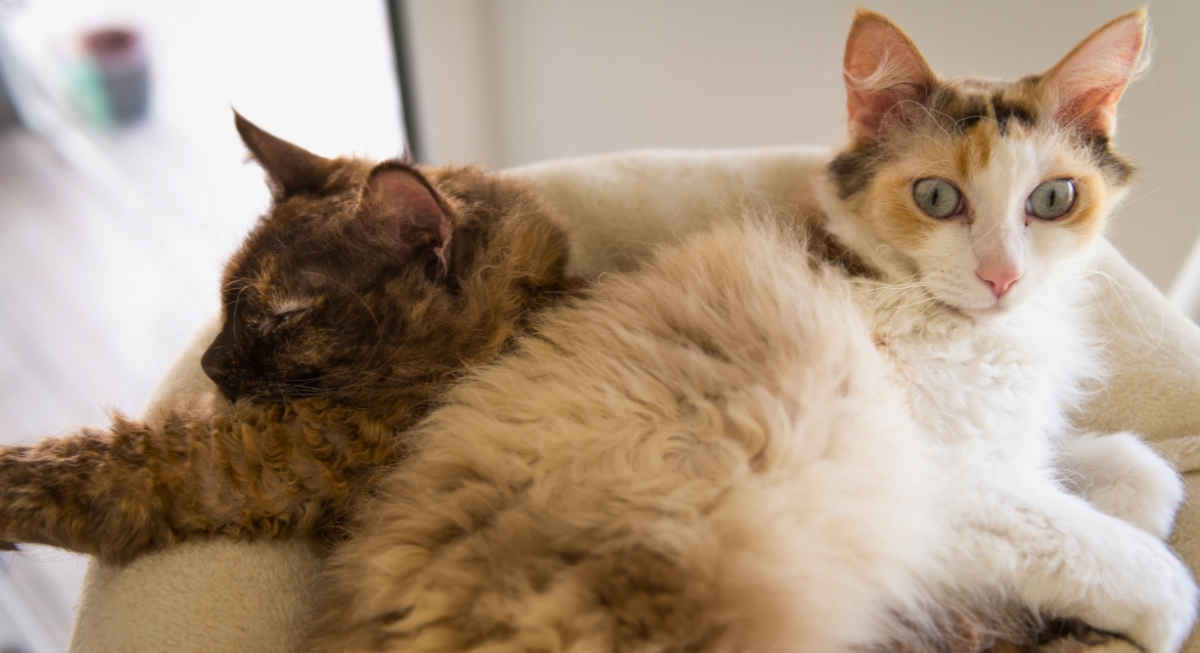
The LaPerm owes its name to its unusual curly coat, which first appeared in Oregon during the early 1980s. A single kitten with soft waves was the catalyst for the breed’s development. Its coat texture varies, though it often forms loose curls rather than tight ringlets. LaPerms are known for their friendly, curious nature and often seek attention.
Korat
Credit: Wikimedia Commons
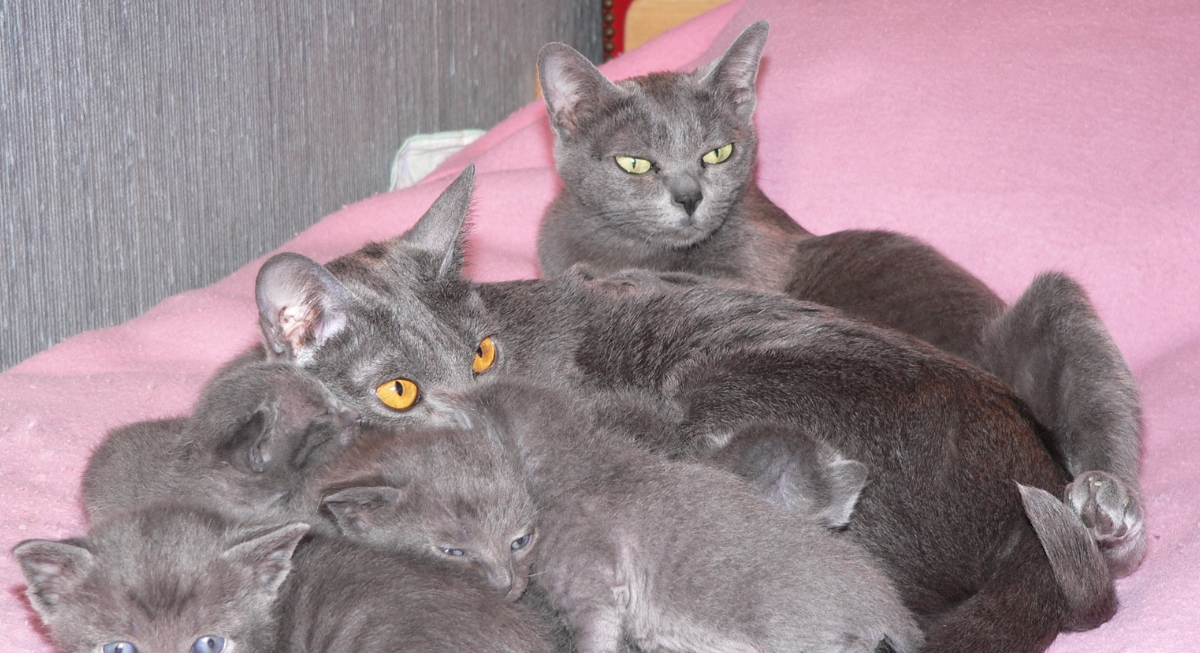
Highly valued in Thailand, the Korat has long been associated with good fortune and is traditionally given as a gift rather than sold. Its silvery-blue coat carries a luminous quality, paired with large green eyes that stand out immediately. Strict breeding practices in its home country have limited its global spread.