Why Vets Are Warning Against Raw Food Diets for Dogs
Sorting through dog‑food advice can feel like a full‑time job, and raw diets spark a lot of debates. Many vets raise flags due to safety issues, nutritional pitfalls, and research gaps. Their concerns don’t spoil the fun of feeding time, but they do help explain why this topic keeps resurfacing in clinics and waiting rooms.
Limited Nutrition Training
Credit: Getty Images
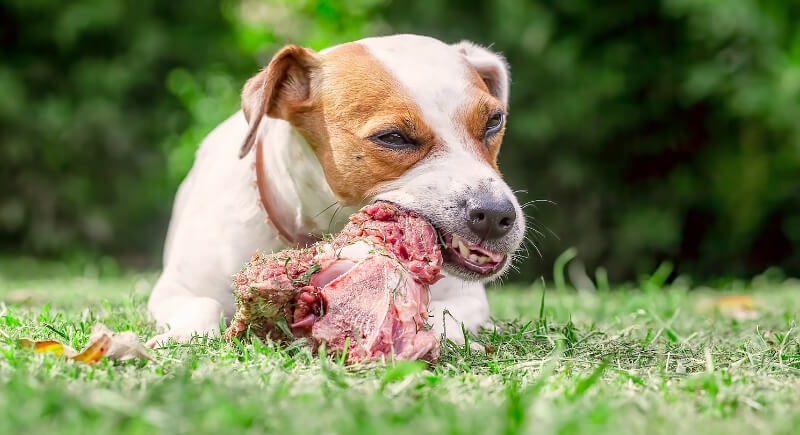
You’d think nutrition would take up a big chunk of vet school. However, most programs spend far more time on pharmacology and surgery than on macronutrient ratios. So when raw food conversations come up, some vets hesitate because their training didn’t exactly include an in-depth examination of meal planning for carnivores.
Concerns About Bacteria

Credit: Canva
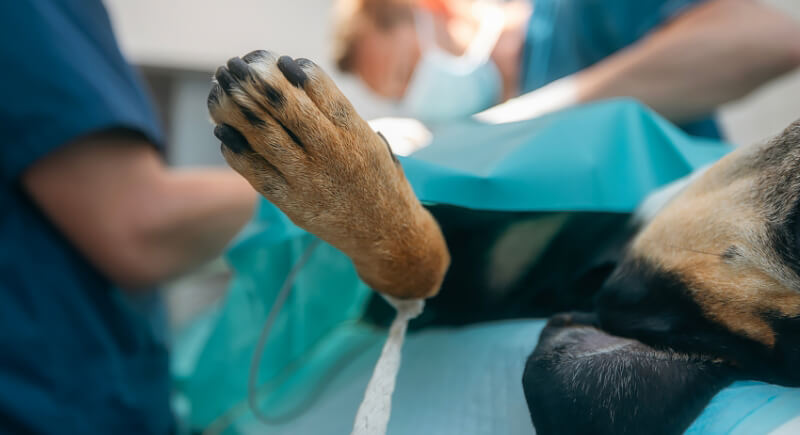
Raw feeding raises immediate concerns about pathogens that may be present in uncooked meat. Vets pay close attention to bacteria such as Salmonella and Listeria because these organisms can spread through bowls or shared living spaces. Dogs can handle many microbes well, but households with seniors or individuals who are immunocompromised present a different risk picture.
Handling And Cross‑Contamination
Credit: Canva
Veterinarians have seen cases where the dog was fine, but the owner ended up in the ER because someone forgot to clean the counter after preparing beef hearts. The food itself may be fine; it’s the trail of bacteria it leaves behind that vets worry about most.
Fear Of Nutritional Gaps
Credit: Getty Images
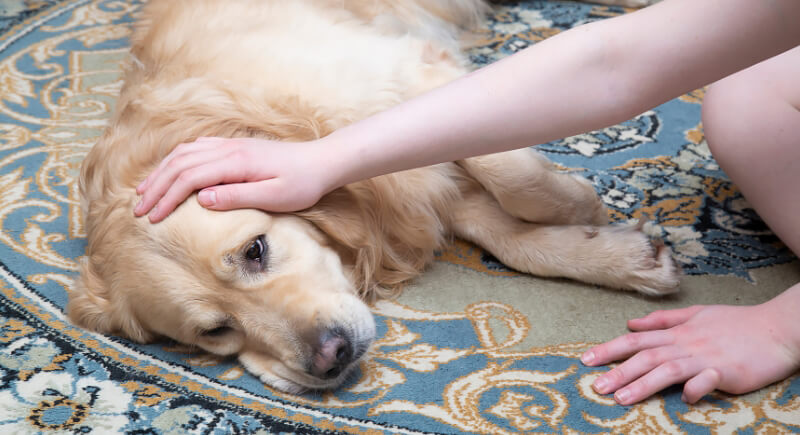
Raw diets can go sideways fast without a solid understanding of what dogs actually need. A bowl of ground beef and carrots may look healthy, but if it’s missing essential nutrients like zinc or taurine, it could lead to long-term health issues. Some signs don’t show up for months, and by then, the damage is harder to undo.
Concerns About Bones In Meals

Credit: Getty Images
Raw bones get a lot of love for keeping teeth clean, but they’re not all created equal. Small splinters can poke a gut, and larger ones have cracked more than a few molars. Cooked bones are a definite no, but even raw ones require close inspection.
Mixed Research Quality
Credit: Getty Images
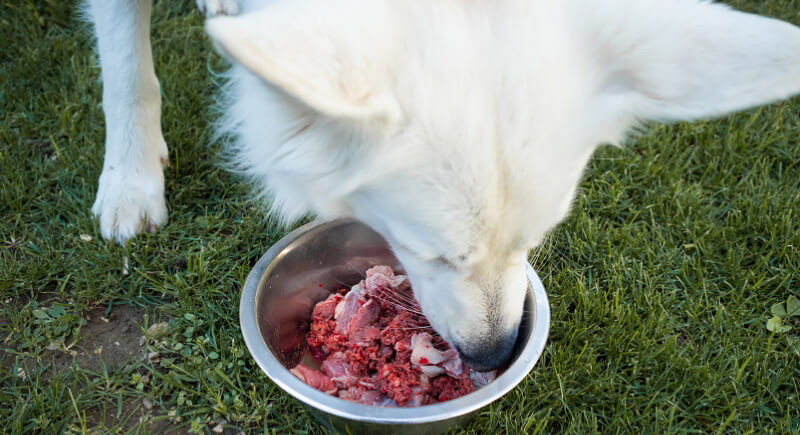
Studies examining raw diets reach uneven conclusions, partly because some research focuses only on bacteria rather than overall health outcomes. Funding sources also shape study design more than many readers realize. When vets read conflicting or limited data, they hesitate to recommend a feeding method that still exists in a gray area.
Higher Risk For Certain Dogs
Credit: Getty Images
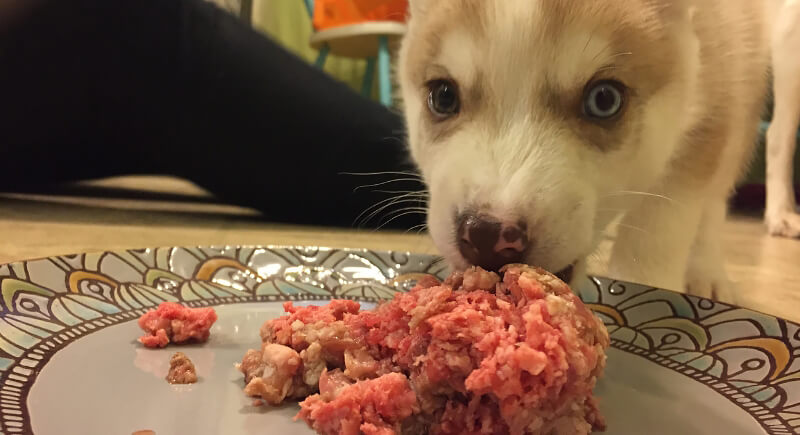
Puppies, seniors, and medically fragile dogs process food differently because their immune systems don’t work as efficiently. A bacterial load that a healthy adult dog handles without issue can overwhelm a vulnerable animal.
Veterinary Liability Worries
Credit: Getty Images
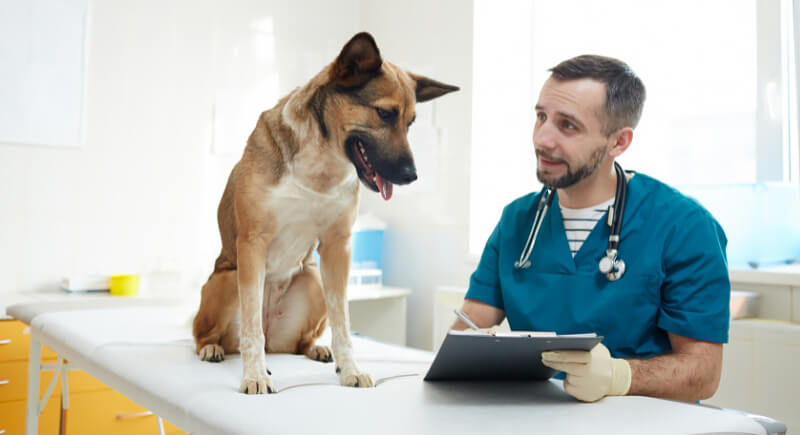
If a dog becomes sick after starting a raw diet and the vet gives it the thumbs-up, that can become a legal headache. Liability is part of the job, and some vets avoid recommending raw for that reason alone. Risky diets put them in tricky territory, especially if something goes wrong later.
Misleading Assumptions About “Natural” Diets
Credit: Getty Images
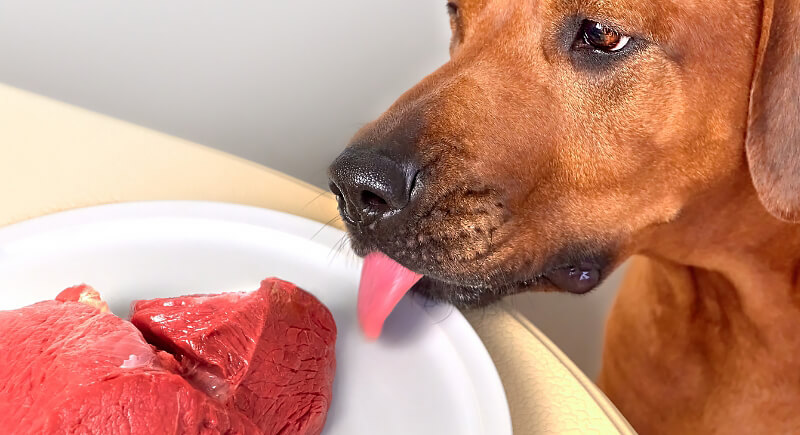
Raw feeding is often associated with the idea that dogs should eat like their ancestors. Vets understand the appeal but point out that modern dogs have adapted to digest starches more efficiently and live in environments far removed from their origins. The “natural” label doesn’t guarantee balance or safety.
Market Variability
Credit: Getty Images
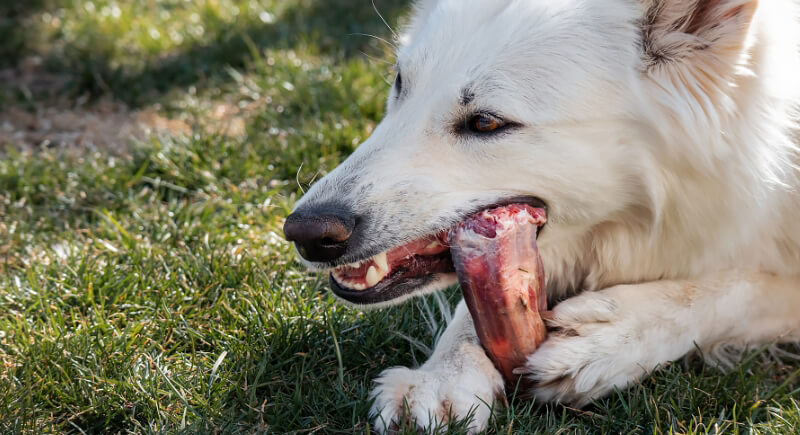
Commercial raw brands vary significantly in their safety practices, ingredient quality, and nutrient testing. Some companies use rigorous screening, while others offer blends that appear healthy but fail to meet established guidelines. Ingredient shortcuts and weak testing routines have real consequences for dogs.