10 Reasons Your Dog Drools More on Walks Than at Home, According to a Behaviorist
You may have noticed that your dog drools way more during walks than at home. Sometimes it happens the moment the leash comes out, and other times it starts halfway through the walk. In many cases, it has less to do with the drool itself and more to do with what your dog is feeling or reacting to outside. Walks bring excitement, stress, strong smells, heat, stimulation, and constant change all at once, so behaviorists usually look at the bigger picture rather than treating drooling as a single issue.
Excitement Before the Walk Even Starts
Credit: Getty Images
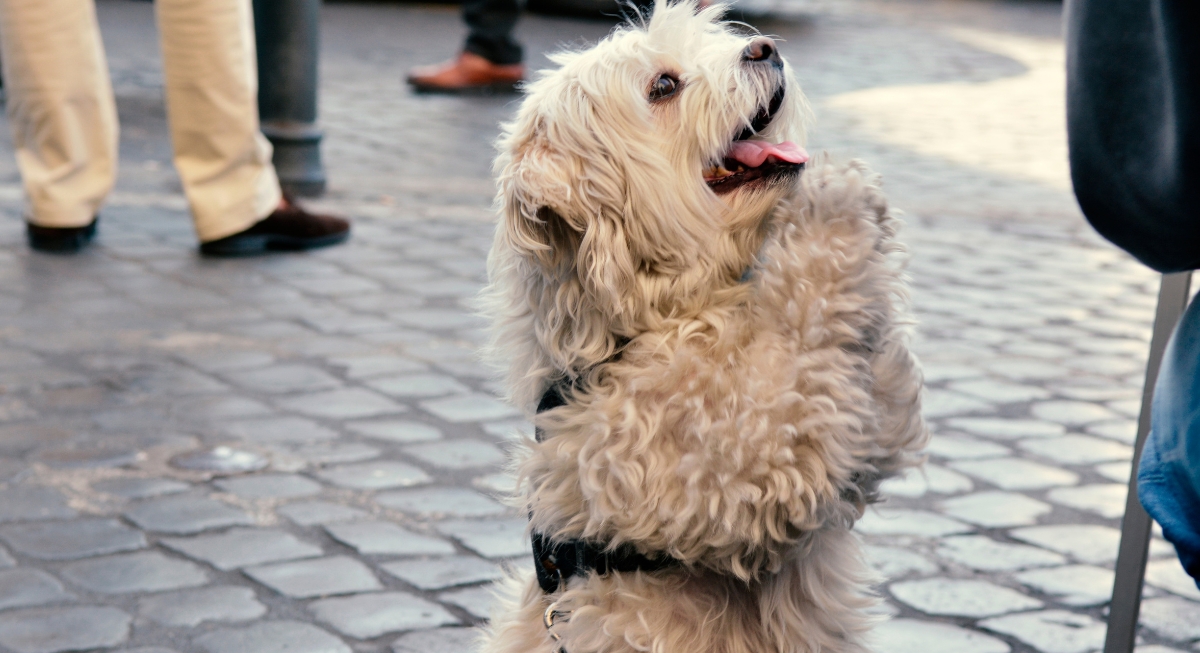
For some dogs, the drooling starts long before they actually step outside. They hear the leash, see you heading toward the door, and immediately know what is coming. That anticipation can trigger extra saliva because walks are tied to excitement, stimulation, and routine. Dogs that drool from excitement usually look eager overall, with quick movement, alert focus, and that restless energy people often see right before a walk.
Strong Outdoor Smells Trigger Salivation
Credit: pexels
Dogs constantly process outdoor scent information, and saliva plays a role in that sensory activity. Strong smells can stimulate the salivary glands just as food does. Sidewalk residue, animal scents, garbage, food scraps, grass, and urine markings all create layers of scent information unavailable indoors. Some dogs produce noticeably more saliva while investigating them.
Stress Around Noise, Crowds, or Traffic
Credit: Canva
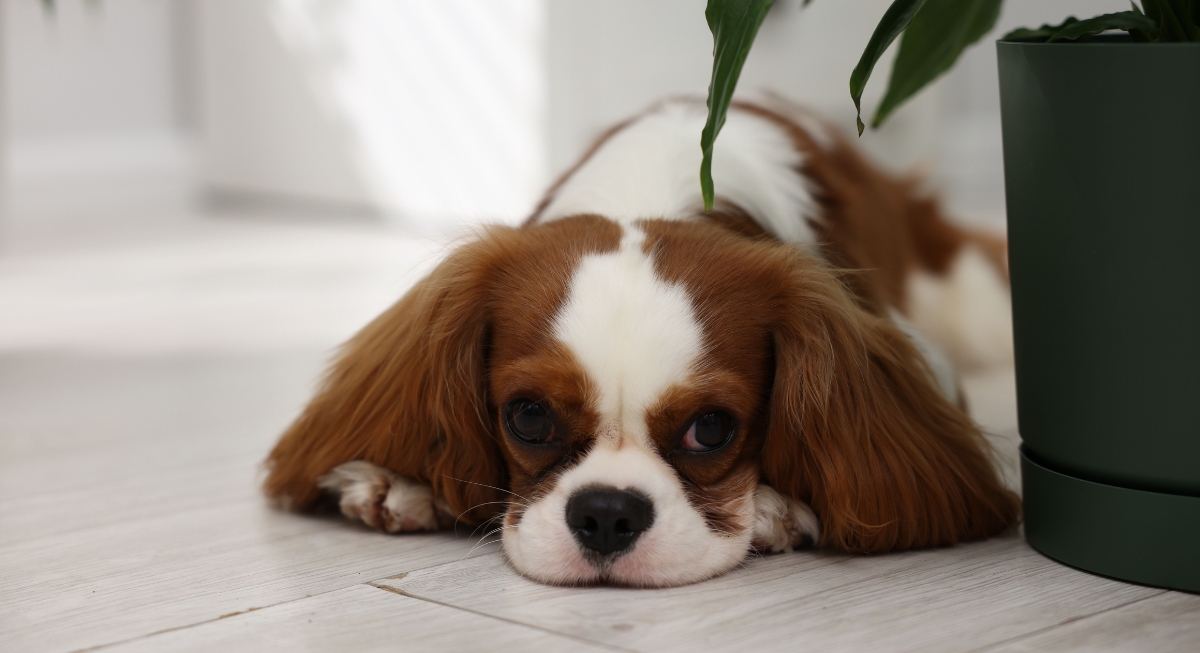
Busy sidewalks, loud traffic, crowded parks, and unpredictable noise can make some dogs noticeably more stressed during walks. Instead of looking excited, they may slow down, avoid certain areas, pant heavily, or seem uncomfortable while the drooling increases. Dogs that are sensitive to overstimulation often react this way when the environment starts feeling like too much at once.
Heat and Overheating During Walks
Credit: pexels
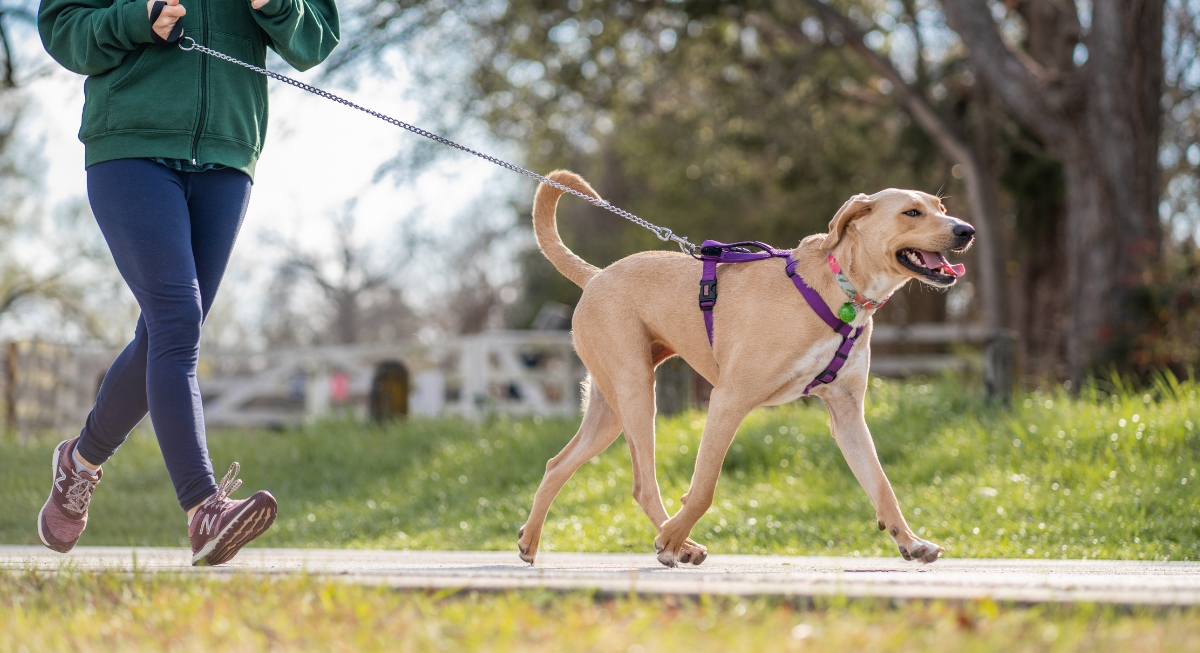
Hot weather can also make dogs drool far more than usual during walks. Since dogs rely heavily on panting and saliva to cool themselves down, warm sidewalks, direct sun, and physical activity can quickly increase drooling. Flat-faced breeds, thick-coated dogs, larger dogs, and overweight dogs usually struggle more once the temperature rises. In some cases, the drooling is simply the body trying to handle the heat, especially during long midday walks.
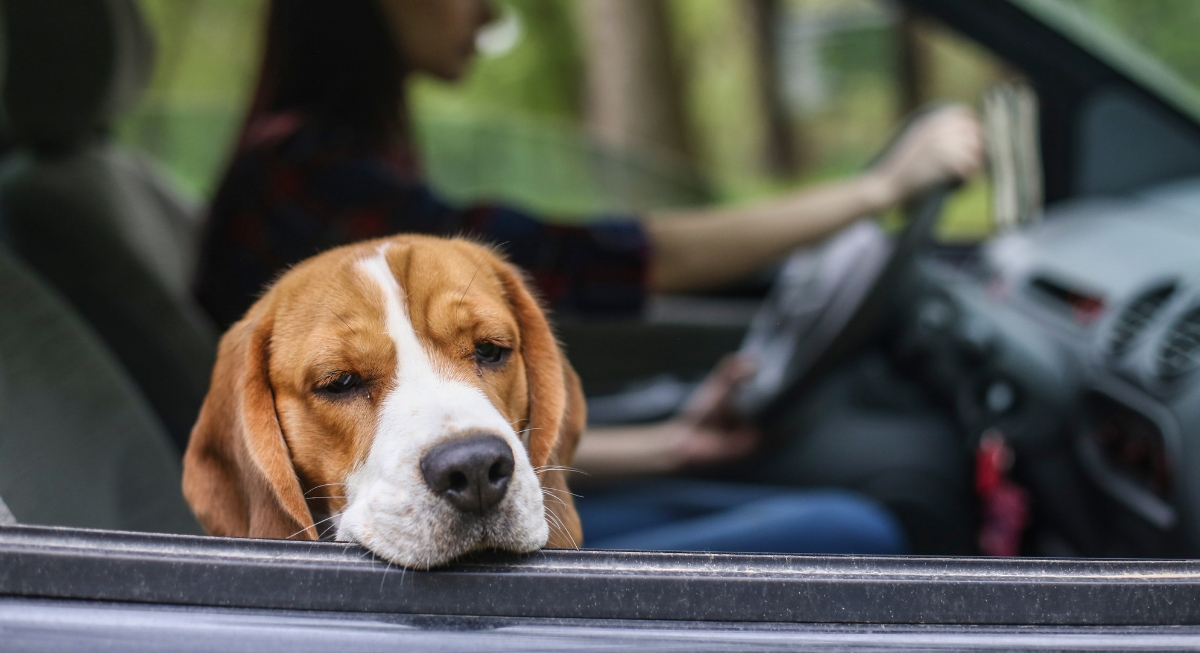
Motion Sickness Before or During the Walk
Credit: Getty Images
Dogs traveling by car to parks, trails, or busy walking areas may become nauseated during the ride itself. Saliva production commonly increases alongside lip licking, swallowing, whining, or restlessness. Younger dogs are more prone to motion sensitivity because the inner ear continues to develop during early life. Stop-and-go traffic or winding roads make it worse. Some dogs eventually connect the car with nausea and start drooling immediately after entering the vehicle.
Treat Anticipation During Training Walks
Credit: Getty Images
Some dogs start drooling the moment they realize a training walk is happening. Seeing the treat pouch, taking a familiar training route, or noticing certain cues outside can immediately trigger it. Dogs that expect frequent rewards during walks often start salivating before the treats even appear, especially if owners save their highest-value snacks only for outdoor training sessions.
Reactions to Other Dogs
Credit: Getty Images
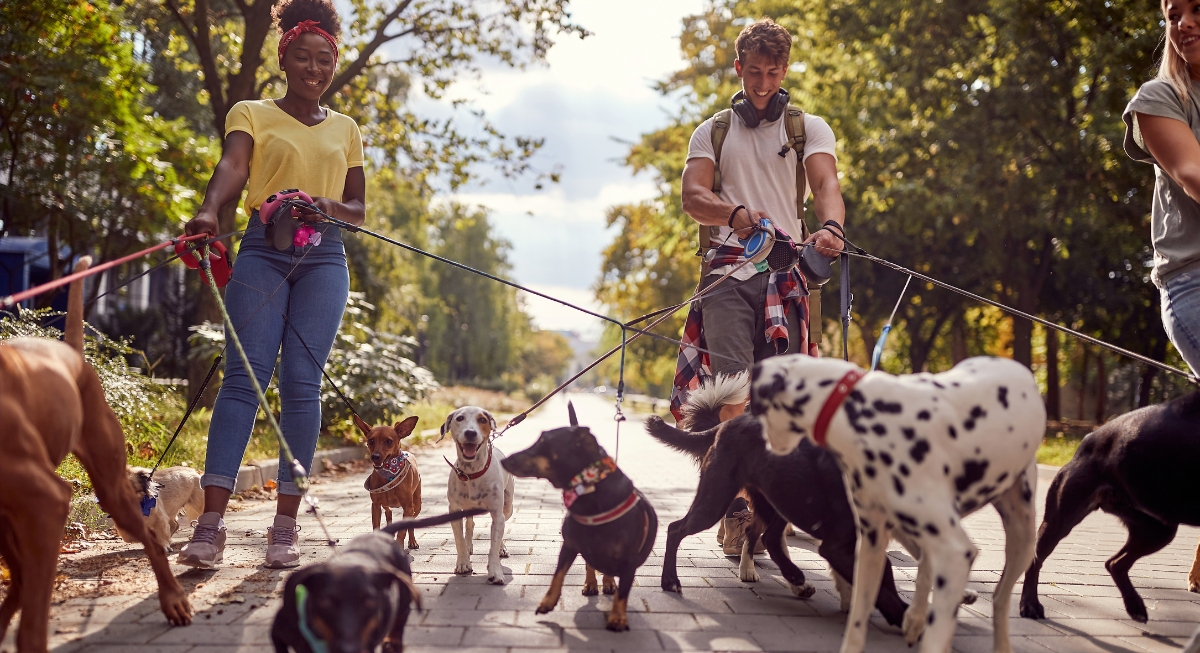
Dog encounters can also trigger extra drooling during walks, especially in dogs that react strongly to other dogs outside. Some become overly excited and eager to greet, while others feel nervous, frustrated, or tense once the leash limits their movement. In many cases, the drooling is simply part of a larger emotional reaction in the moment.
Mouth or Dental Discomfort Becomes More Visible Outside
Credit: pexels
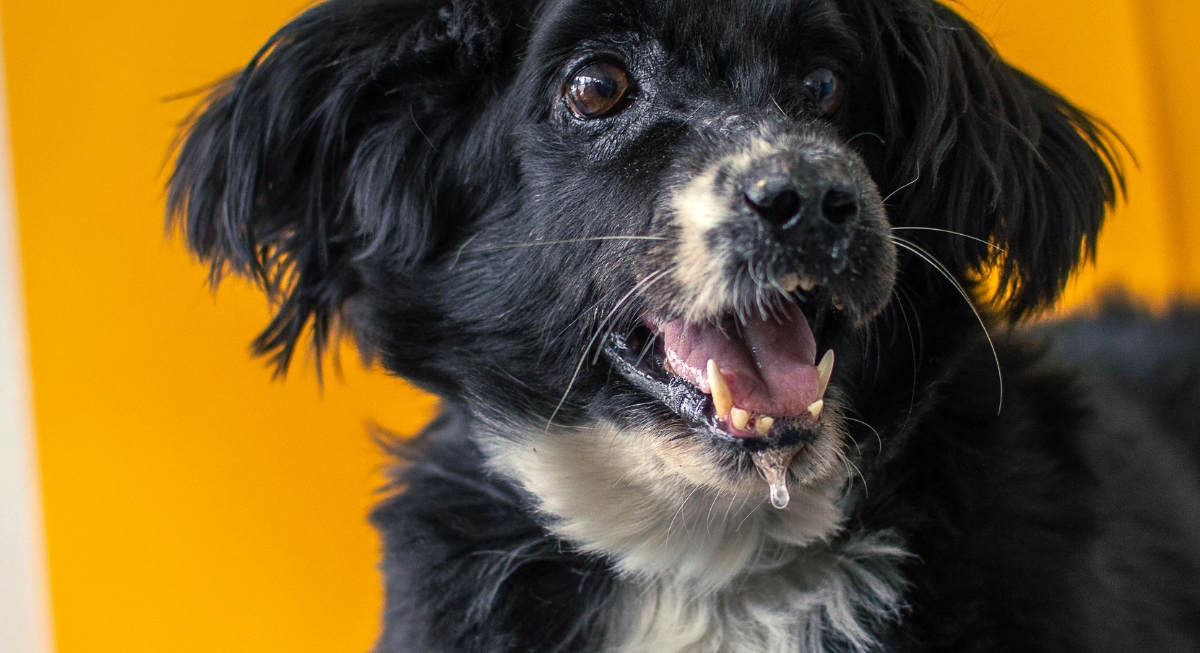
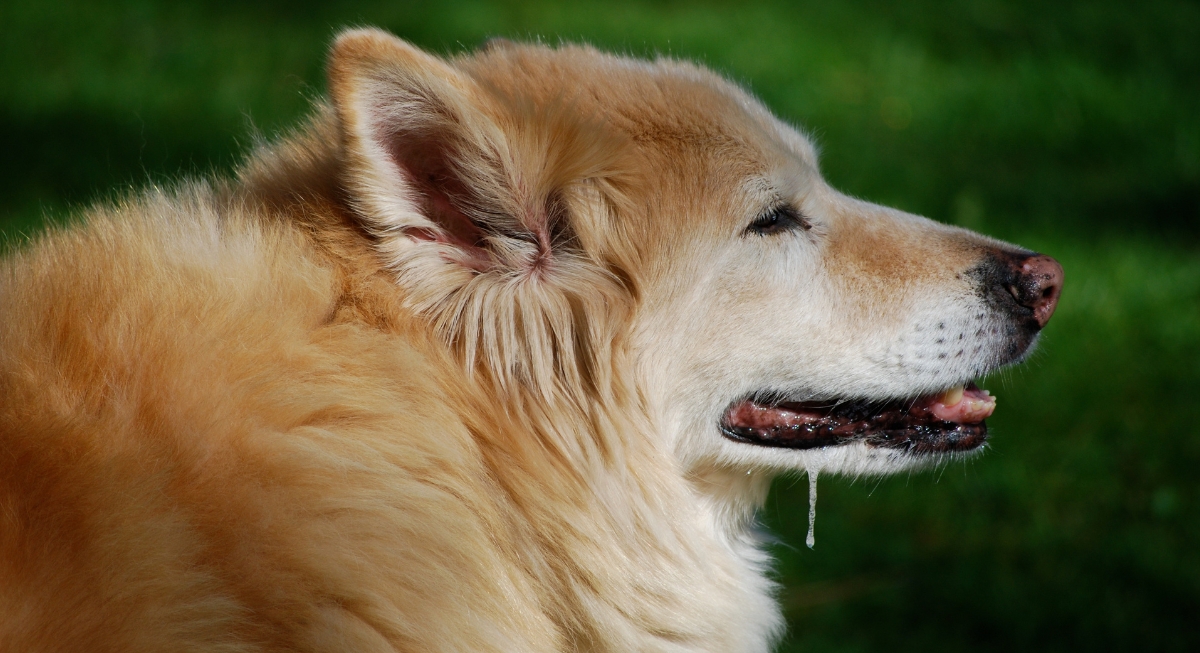
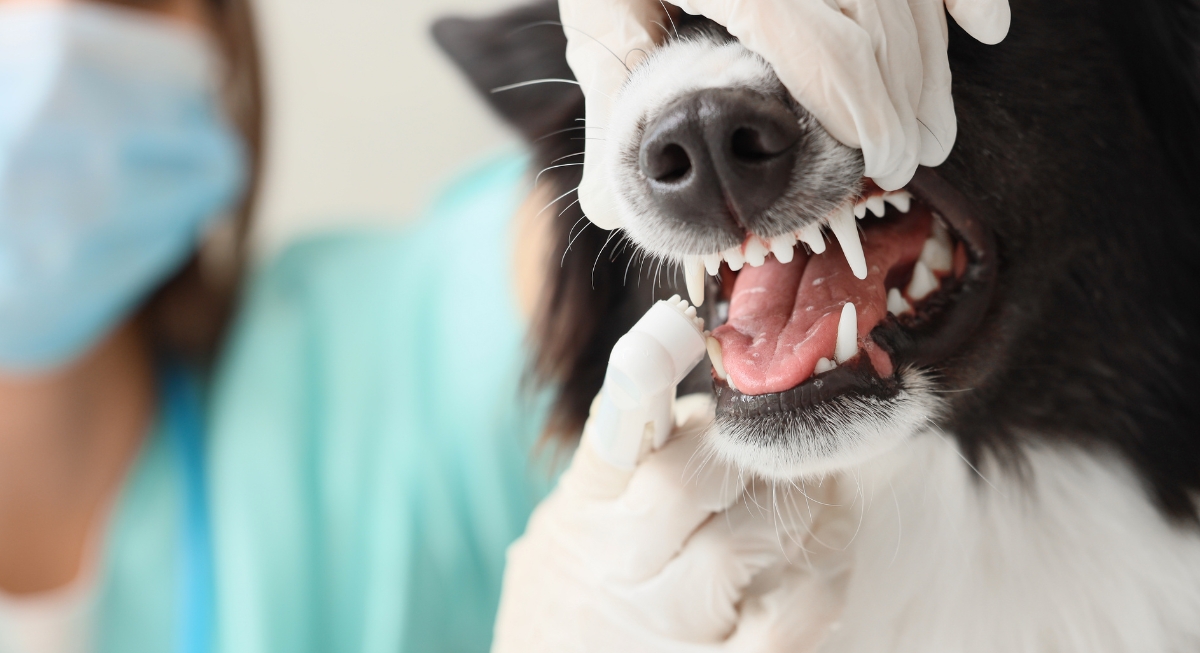
Walks make oral discomfort easier to notice because dogs keep their mouths open more frequently during exercise. Existing problems, such as gum inflammation, broken teeth, oral injuries, or lodged debris, can suddenly cause drooling when panting increases. Saliva hanging mainly from one side of the mouth usually signals an issue. Some dogs also stop chewing treats normally or resist touching around the face.
Nausea or Underlying Illness Triggered by Activity
Credit: Getty Images
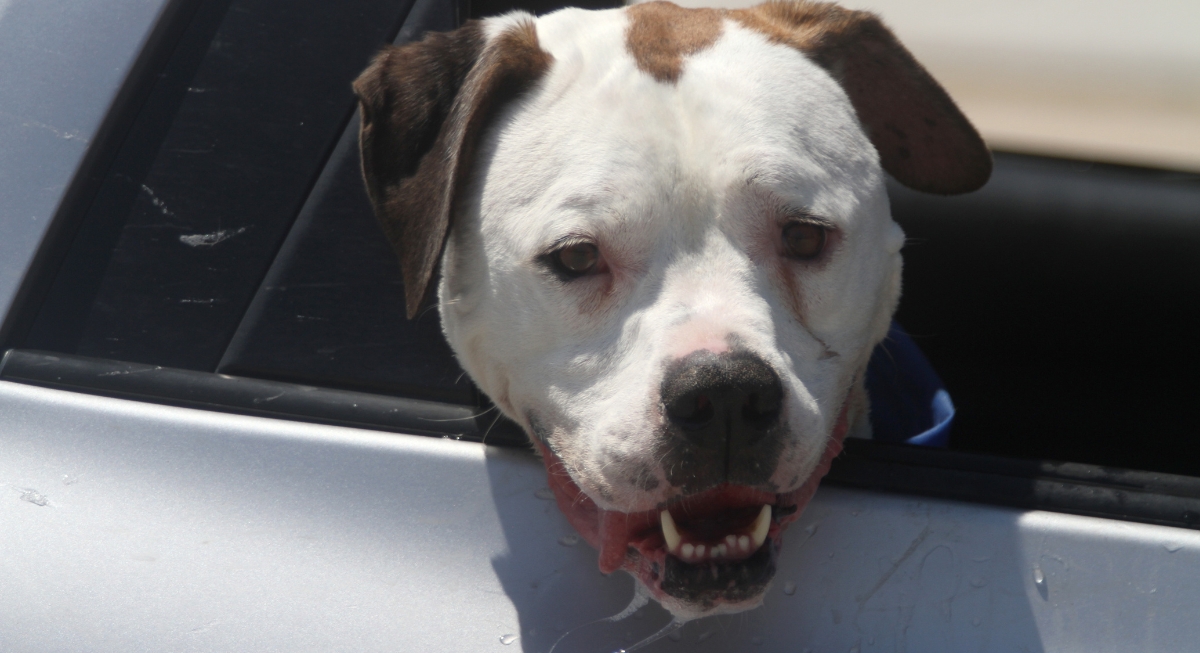
Physical activity can sometimes expose stomach problems that were less noticeable at home. Dogs dealing with nausea may drool heavily during walks, swallow repeatedly, slow down, refuse treats, or suddenly eat grass. Some stop wanting to continue the route halfway through or vomit shortly after returning home. This is not a training problem. Repeated episodes deserve veterinary attention.