Reptile-Safe Plants for Bioactive Terrariums
A bioactive terrarium is a living environment that supports both the animal and the ecosystem around it. Choosing the right plants helps improve air quality and adds natural hiding places. However, not all greenery is safe. These reptile-friendly plants help turn it into a thriving, self-sustaining mini habitat that feels alive and balanced.
Bromeliads Offer More Than Just Looks
Credit: Wikimedia Commons
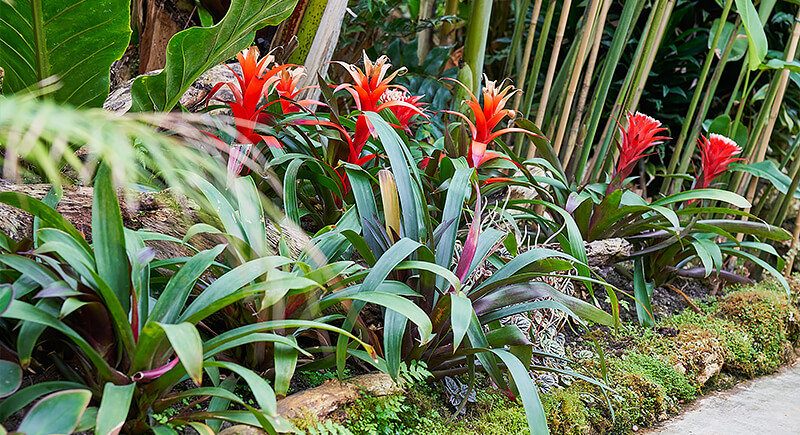
Bromeliads don’t root deep into soil, which makes them great for mounting on wood or hardscape. Their rosettes naturally collect water, which gives reptiles a place to drink without a bowl. They thrive in warm, humid enclosures and come in dozens of colors and patterns.
Spider Plant Can Handle the Chaos
Credit: pexels
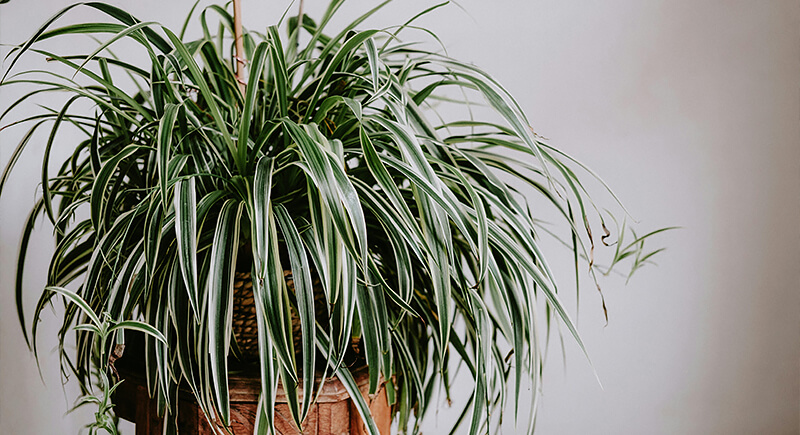
The spider plant doesn’t mind if your reptile bulldozes through it now and then. It’s a resilient, fast-growing option that tolerates a range of lighting conditions. Its long, arching leaves help soften the look of hard edges inside a tank. Plus, it’s non-toxic, so accidental nibbles aren’t a problem.
Sphagnum Moss Helps Manage Moisture
Credit: Wikimedia Commons
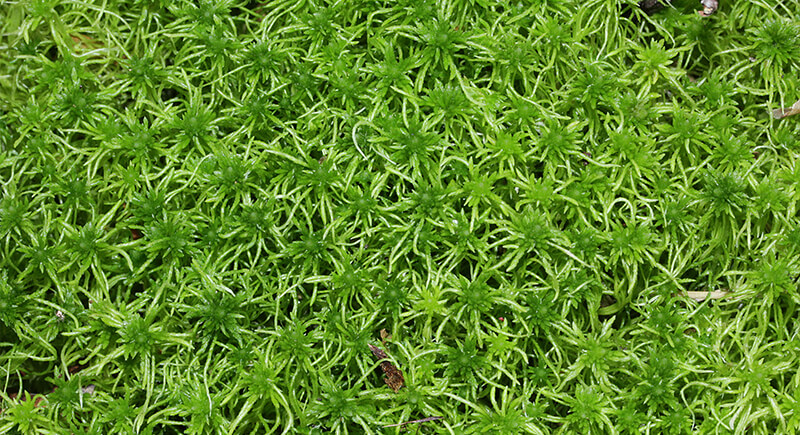
Sphagnum moss regulates humidity by holding water and releasing it slowly, which makes it especially useful in setups that require moisture stability. It also provides a soft base layer that helps prevent scale damage in reptiles with sensitive bellies. Bioactive keepers love using it in hide boxes or layered under other substrate materials to maintain microclimates.
Peperomia Brings Texture Without Demanding Much
Credit: Wikimedia Commons
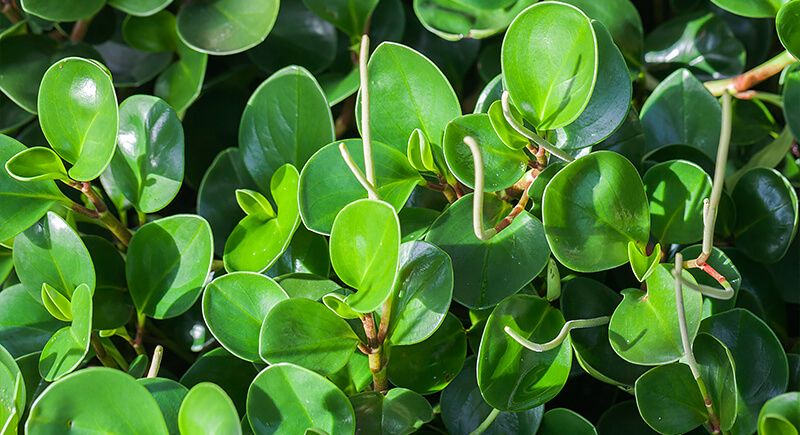
Peperomia plants don’t grow too tall or wild, which makes them a tidy fit for enclosed spaces. Their leaves come in a wide variety of shapes and patterns. They grow best in indirect light and medium humidity, so they’re ideal for planted terrariums with tropical species like geckos or frogs.
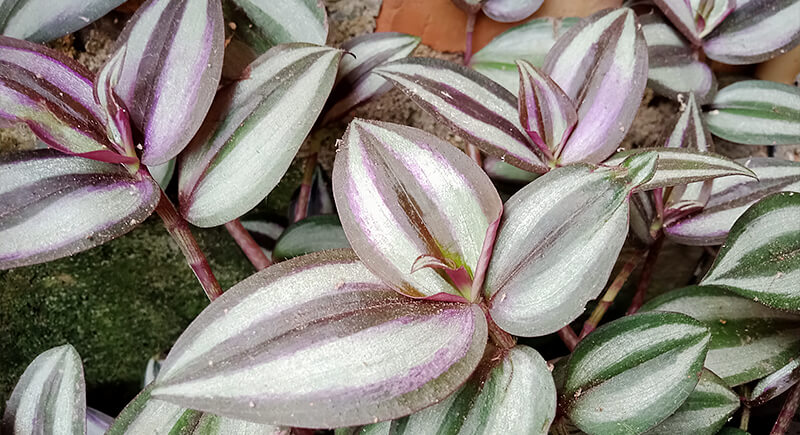
Tradescantia Spreads Where You Let It
Credit: Wikimedia Commons
Tradescantia, sometimes called wandering dude, grows quickly and trails beautifully along surfaces. Its striped or purple-colored leaves add color without needing high light levels. In a bioactive setup, it fills empty space fast but trims easily if it gets out of hand.
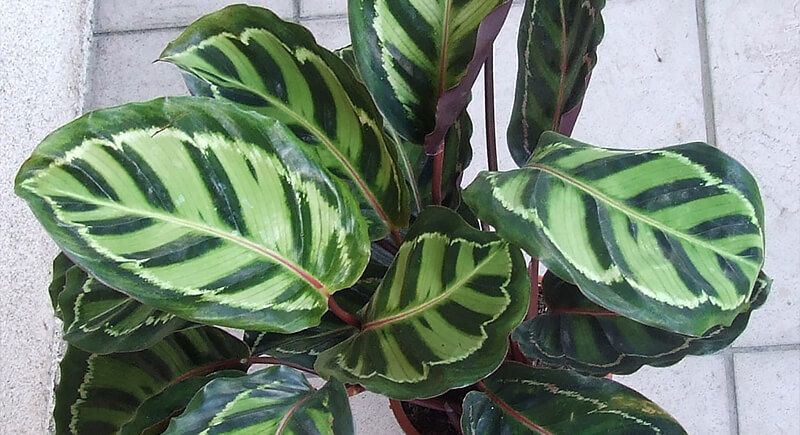
Calathea Likes Things Humid and Quiet
Credit: Wikimedia Commons
This plant thrives in higher humidity, which matches the needs of dart frogs, tree frogs, or day geckos. It prefers indirect light and doesn’t appreciate cold drafts or dry air. The patterned leaves close slightly at night and open during the day.
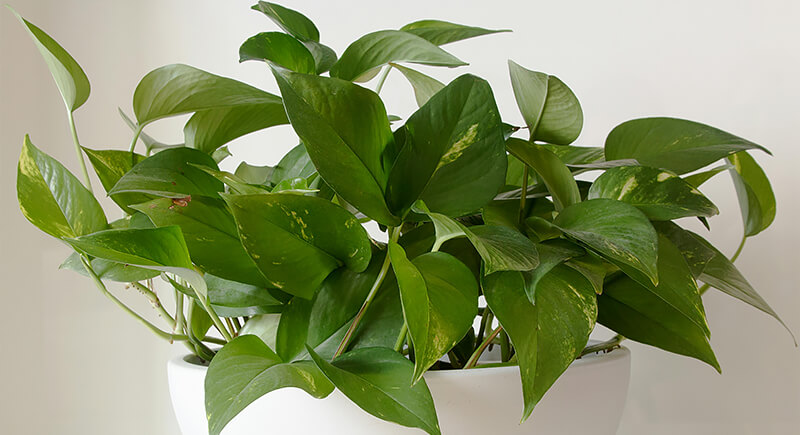
Pothos Handles Low Light Like a Champ
Credit: pexels
Pothos is one of the most flexible terrarium plants available. It doesn’t need much light, tolerates a range of moisture levels, and keeps growing even if it’s ignored. Vines can be guided along branches or allowed to trail across the floor of the enclosure. They also help absorb waste in bioactive setups.
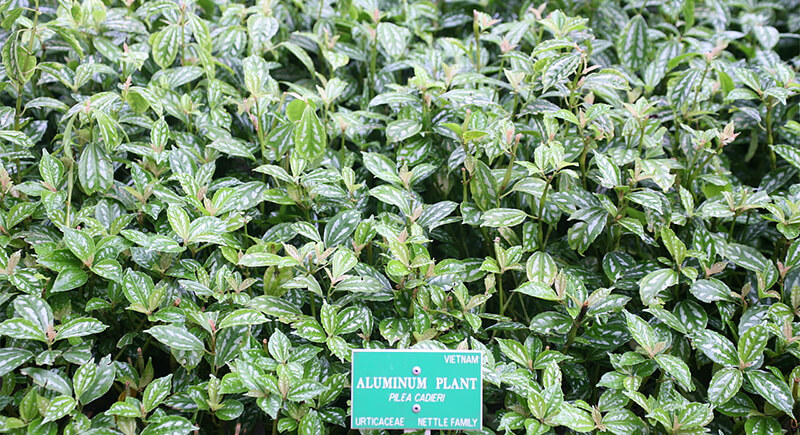
Aluminum Plant Adds Shine to the Shadows
Credit: Wikimedia Commons
Named for the silvery patches across its leaves, the aluminum plant stands out without stealing the show. It grows best in partial shade and moderate humidity, so it’s a solid pick for forest floor setups. While it needs trimming to prevent legginess, it responds well to shaping. It’s a good fit for reptiles that don’t trample their plants.
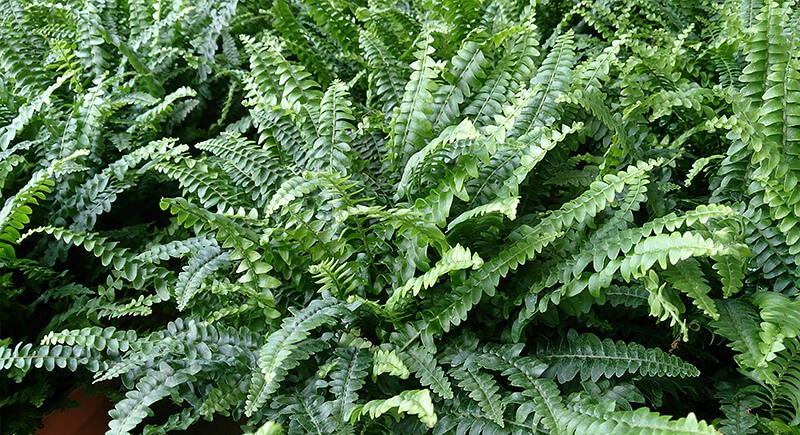
Boston Fern Creates Soft Ground Cover
Credit: Wikimedia Commons
Boston ferns work well in enclosures where humidity stays above 50% and there’s room for them to spread. Their feathery fronds offer hiding spots for shy reptiles and help soften the environment visually. With consistent care, they’ll support the terrarium’s moisture levels and double as décor.
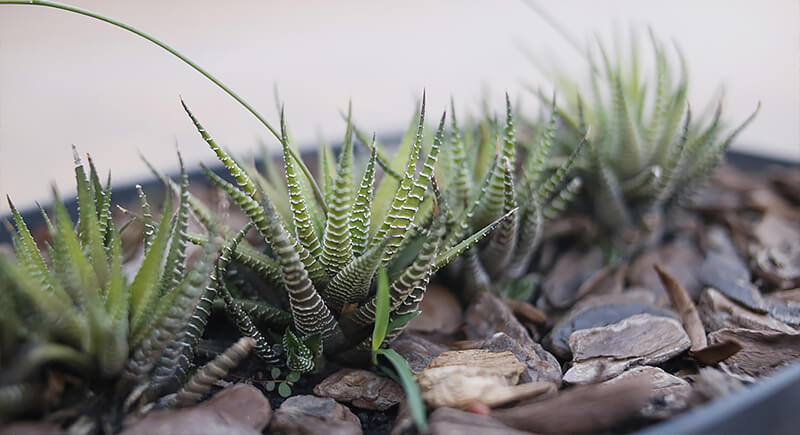
Haworthia Is Built for Dry Setups
Credit: Wikimedia Commons
Not all terrariums are tropical. Haworthia thrives in arid enclosures and doesn’t need frequent watering. It’s a small succulent with thick, spiky leaves that resemble aloe, but it’s more compact. It won’t mind being ignored for a while, as long as it has bright light and decent airflow.