10 Reptiles That Actually Enjoy Being Handled by Humans
Reptiles often have a bad reputation for being standoffish, but that perception does not hold up once the right species is introduced. Some reptiles tolerate handling, and a smaller group actually settles in, relaxes, and appears comfortable interacting with people. Enjoyment stems from warmth, routine, and familiarity, rather than affection in the mammalian sense, which still makes these animals surprisingly rewarding to interact with. The species listed below are known for their calm temperaments, predictable behavior, and a track record of warmth when their care needs are met.
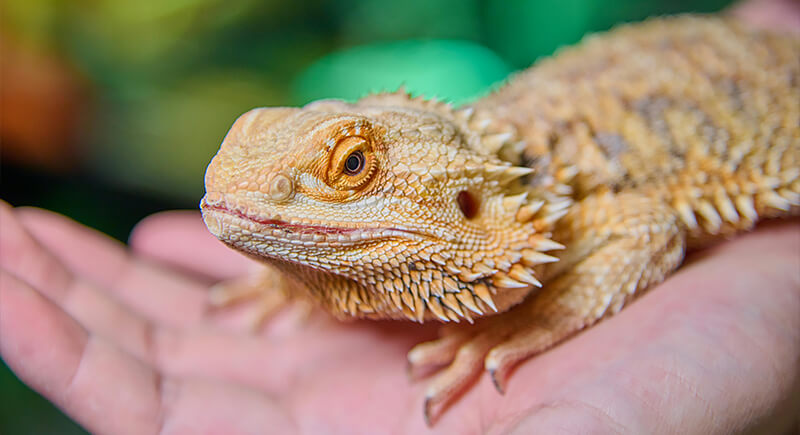
Bearded Dragons
Credit: pexels
Calm behavior is the reason this lizard is often found in so many homes. Warm hands mimic the basking spots these reptiles rely on for digestion and energy. Regular handling frequently leads to closed eyes and relaxed limbs. They’re even willing to perch on shoulders. A typical adult reaches 18 to 24 inches, which gives enough size to feel secure without being heavy. With proper care, their life expectancy often exceeds 10 years.
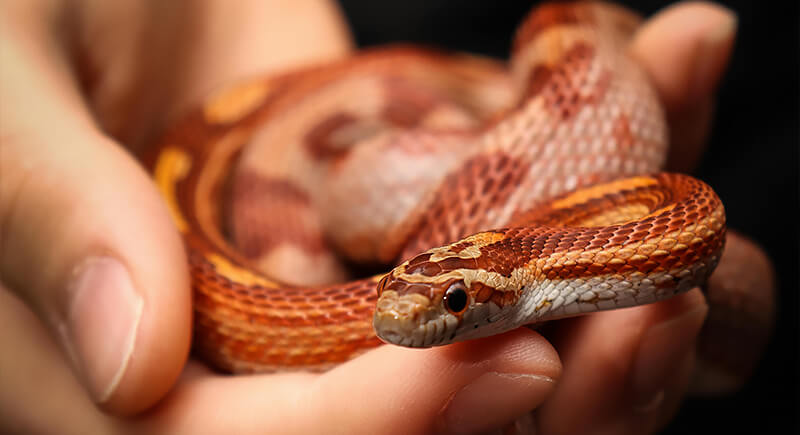
Corn Snakes
Credit: pexels
Their slender bodies and slow movements make corn snakes easy to handle. Tongue flicking during handling signals curiosity. Many individuals remain calm even when passed between people, which is rare among snakes. Feeding typically occurs every 7 to 10 days. Captive-bred corn snakes regularly live 15 to 20 years.
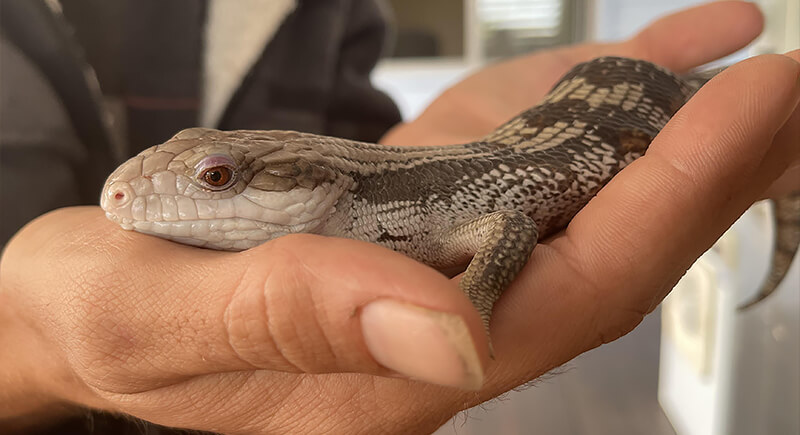
Blue-Tongue Skinks
Credit: Reddit
Adult blue-tongue skinks often weigh over 1 pound. Exploration during handling is common, especially along arms and shoulders. Their omnivorous diet includes vegetables and insects, which simplifies feeding compared to strict carnivores. Lifespans of 20 years are common with consistent care and attention.
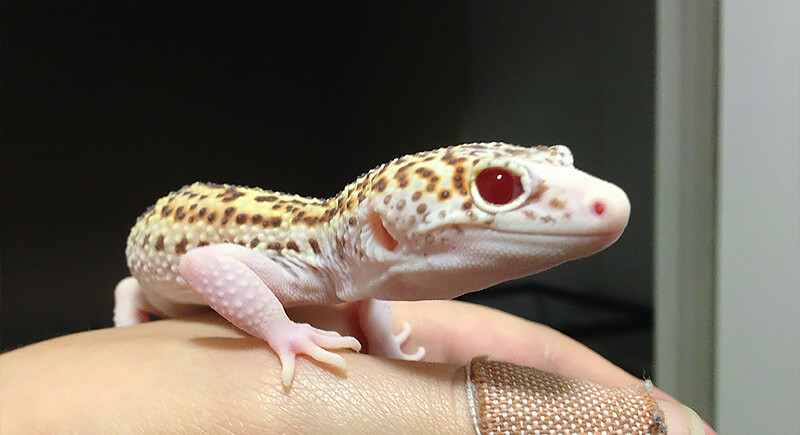
Leopard Geckos
Credit: Reddit
Leopard geckos lack sticky toe pads, so sudden dashes up arms are unlikely. When handled properly, most remain still and warm themselves against the skin. Their fat-storing tails indicate good health and reduce the need for frequent feeding. Many individuals live 15 years or longer in captivity.
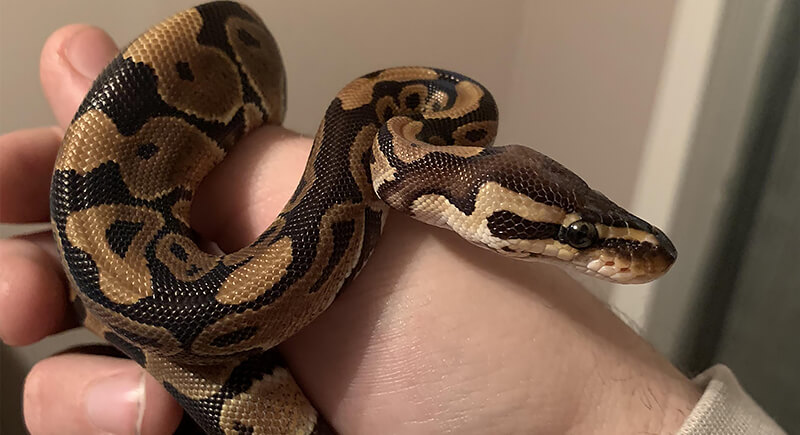
Ball Pythons
Credit: Reddit
These snakes move slowly and rarely strike when accustomed to people. Body warmth helps regulate their temperature during short handling sessions. Adults usually stay under 5 feet, which keeps them manageable. Many captive ball pythons live to be 25 to 30 years old.
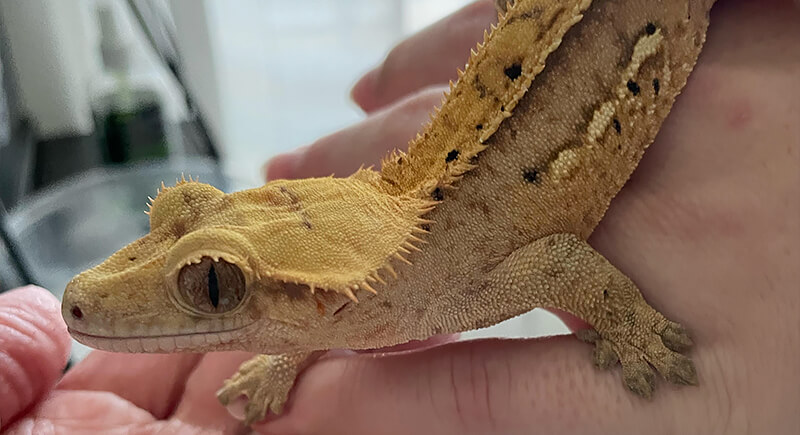
Crested Geckos
Credit: Reddit
Handling crested geckos feels more like supervised climbing. Their sticky toe pads allow steady movement across hands and arms. Many individuals willingly jump onto hands once they associate people with food. A powdered fruit-based diet mixed with water replaces most live feeding. Captive lifespans typically range from 15 to 20 years.
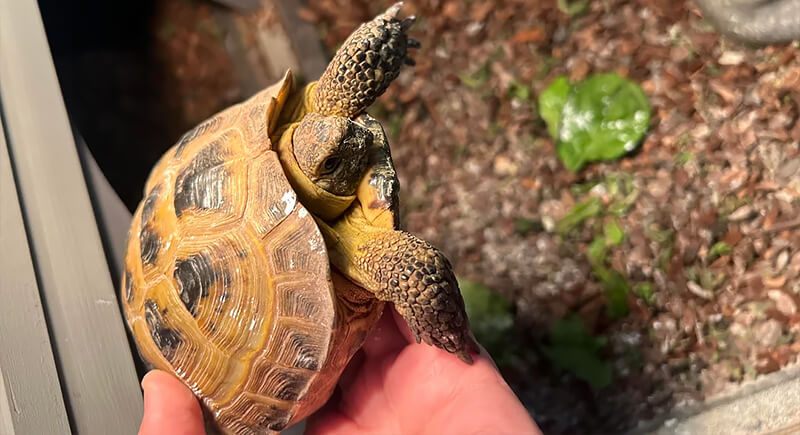
Russian Tortoises
Credit: Reddit
As for Russian tortoises, lifespans often exceed 40 years with proper care. They usually tolerate gentle lifting and light shell rubs without stress. Hand-feeding leafy greens can build recognition over time. Even in adulthood, they remain relatively small at 8 to 10 inches.
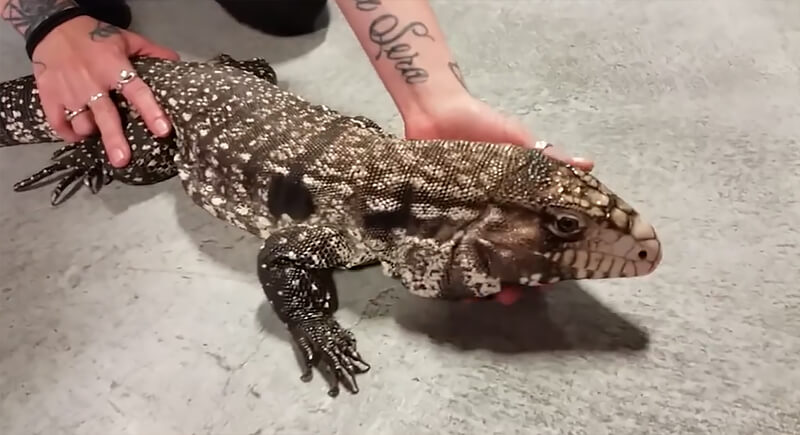
Argentine Tegus
Credit: Facebook
Intelligence sets this reptile apart, as regular interaction leads to recognition of voices and routines. Some individuals even seek contact and remain still during petting. Adult Argentine tegus can exceed 4 feet in length, which requires ample space and confident handling.
Garter Snakes
Credit: Reddit
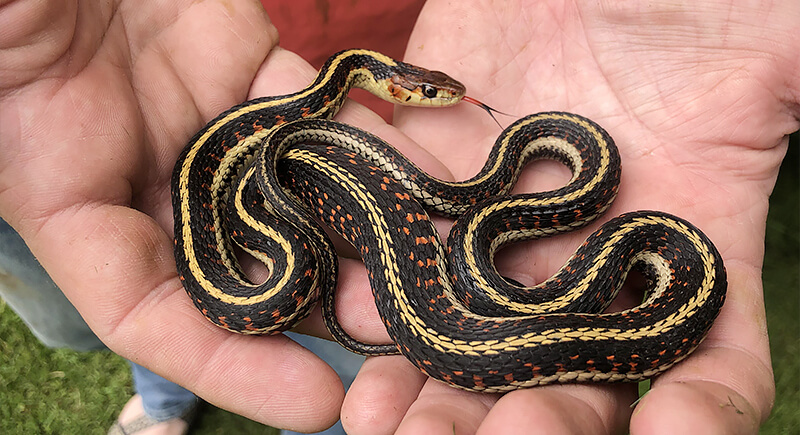
Garter snakes, whose lifespans typically range from 10 to 15 years, are daytime creatures. This makes them easy to observe and interact with. Handling often involves constant movement, and their small size keeps stress levels lower for beginners. Diets include fish, worms, and rodents, depending on the availability of these sources.
Children’s Pythons
Credit: Reddit
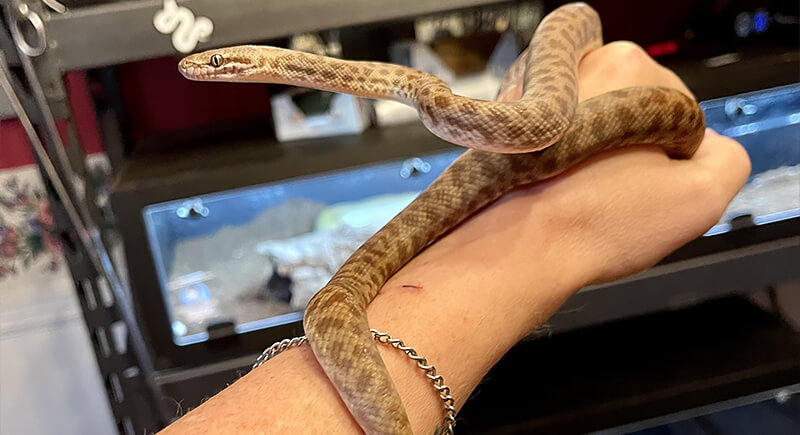
Despite the name, these snakes are suitable for adults just as well. Most remain under 4 feet, which simplifies enclosure design. Feeding happens every 10 to 14 days for adults, and captive lifespans often reach 20 years.