10 Best Dog Breeds for Retirees Who Want a Low-Energy Companion
Retirees looking for a low-energy dog usually want one that fits their pace. Not every breed works for a slower lifestyle, and a poor match can quickly become hard to manage. Some dogs need structure, long walks, and constant activity. Others are fine with short outings, long naps, and simply staying close. These breeds stand out because they’re easy to live with and don’t turn daily life into extra work.
Shih Tzu
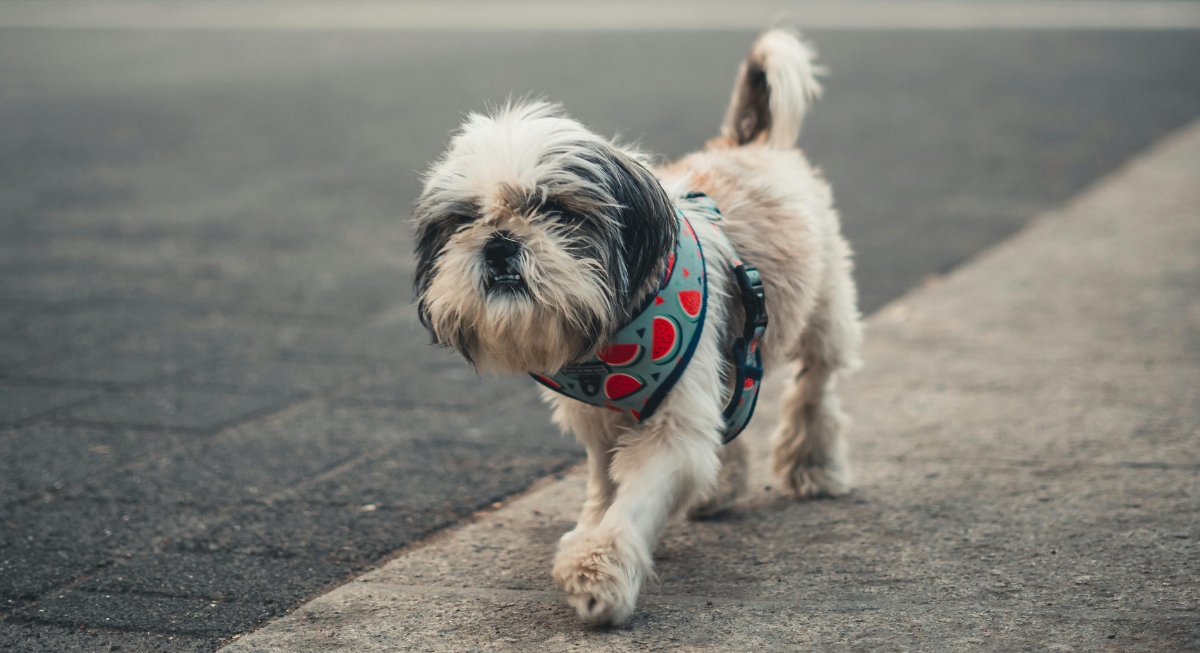
Credit: pexels
There’s no guesswork with a Shih Tzu, and that predictability is what makes it easy to live with it long-term. It wakes up ready to relax and stays that way most of the day. You won’t find it pacing the house or looking for something to do. A short walk keeps it satisfied, and the rest of its time is spent napping or staying close without being demanding.
Cavalier King Charles Spaniel
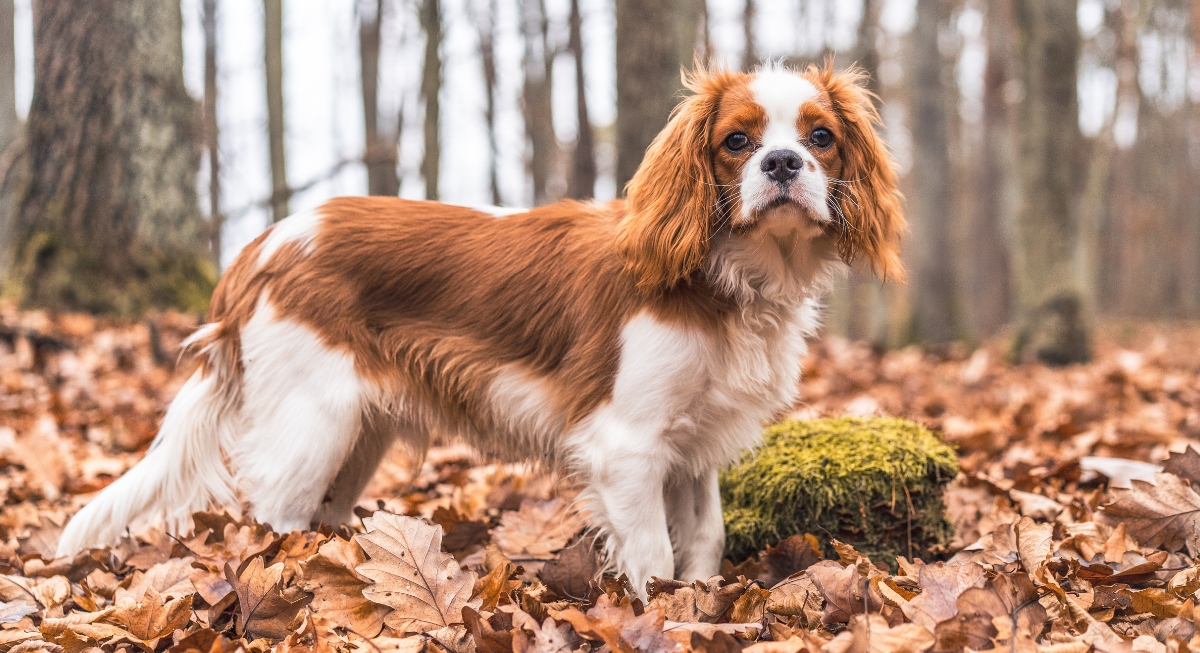
Credit: Getty Images
They stay close without being demanding and don’t need much to stay content. A short walk, some attention, and they’re settled for the day. They’re comfortable spending time beside you rather than needing constant activity. That balance makes them a steady, low-effort companion.
French Bulldog
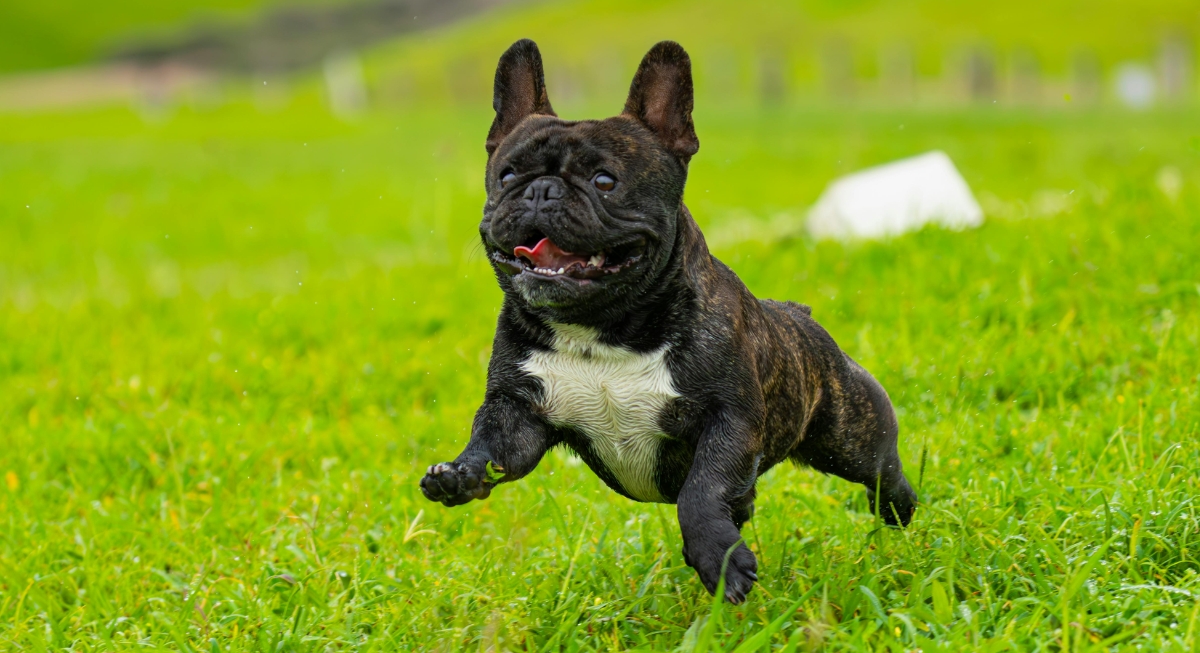
Credit: pexels
French Bulldogs tend to live life in short, low-effort bursts. A bit of movement, a bit of curiosity, and then they’re ready to settle again. They’re not interested in long outings or high stimulation, which makes them easy to live with day after day. They are also known for their quiet nature and rarely bark unnecessarily.
Pug
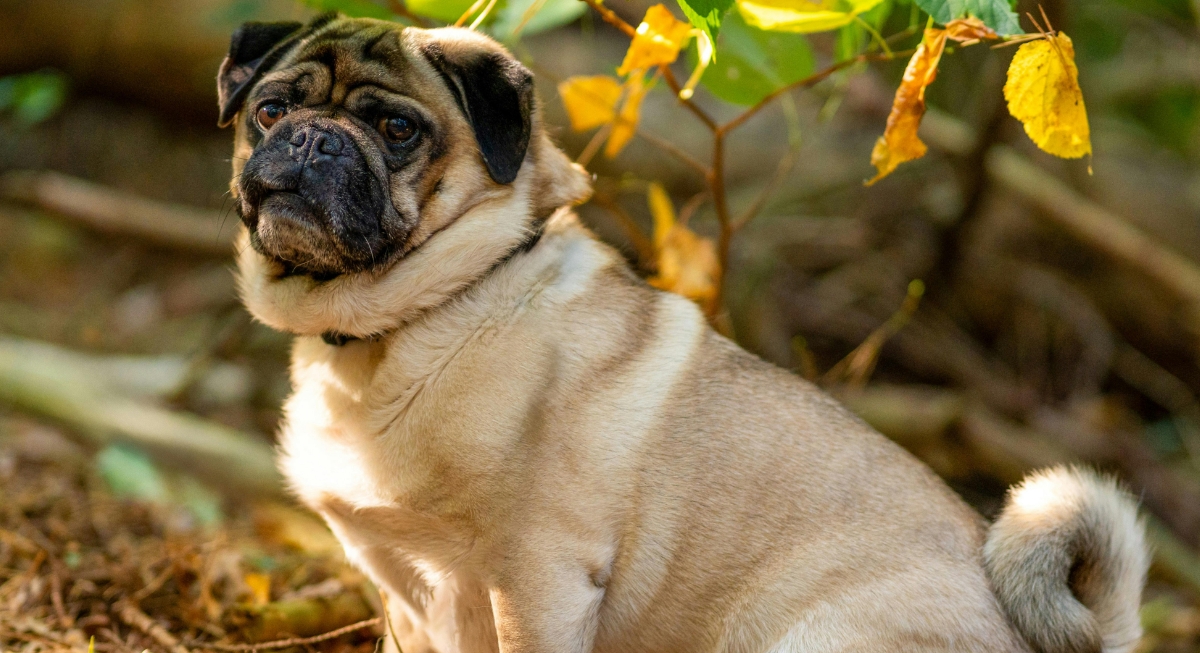
Credit: pexels
They’re known for their strong attachment to their owner and tend to follow you from room to room. That constant presence makes them feel more like company than a pet that comes and goes. Their flat face also means they tire quickly, so they rarely push for long walks or intense activity. Most are happy staying close, watching what you’re doing, and settling in beside you.
Havanese
Credit: pexels
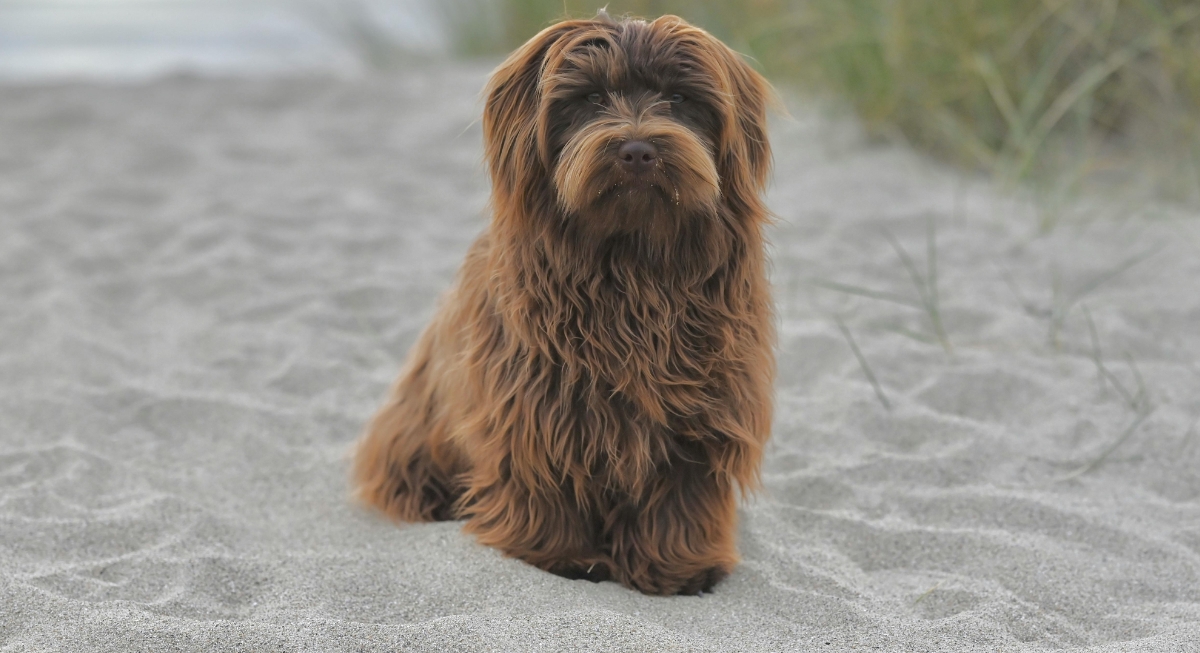
Havanese are one of the few small breeds with a silky coat that sheds very little, which makes them easier to manage in terms of hair around the home. They’re also known for a light, springy gait that gives them a distinct way of moving. Their energy comes in short bursts, and they settle quickly afterward, so daily care stays simple without much buildup of excess activity.
Dachshund
Credit: pexels
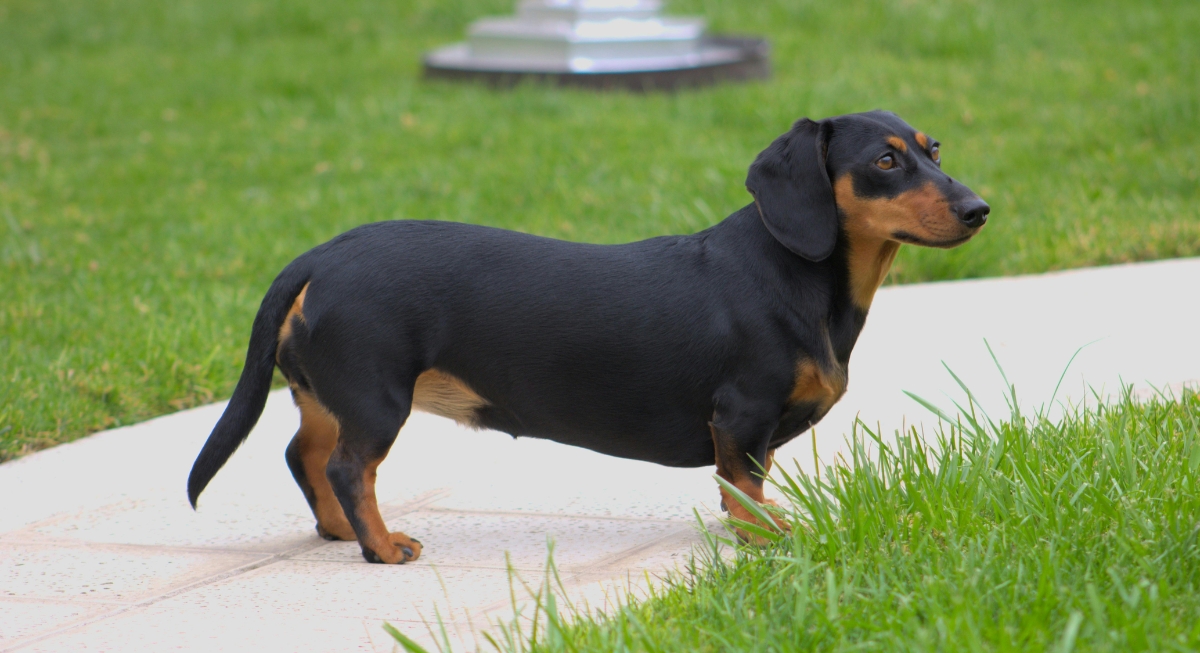
Dachshunds operate on their own terms, and that often means choosing comfort over activity. They don’t try to match high-energy expectations. Their long bodies and short legs naturally limit how intense their movement can be, which works in their favor. What stands out more is their ability to stay entertained without needing much space or stimulation. Their size also helps, since handling, lifting, or managing them never feels like a physical strain.
Basset Hound
Credit: Wikimedia Commons
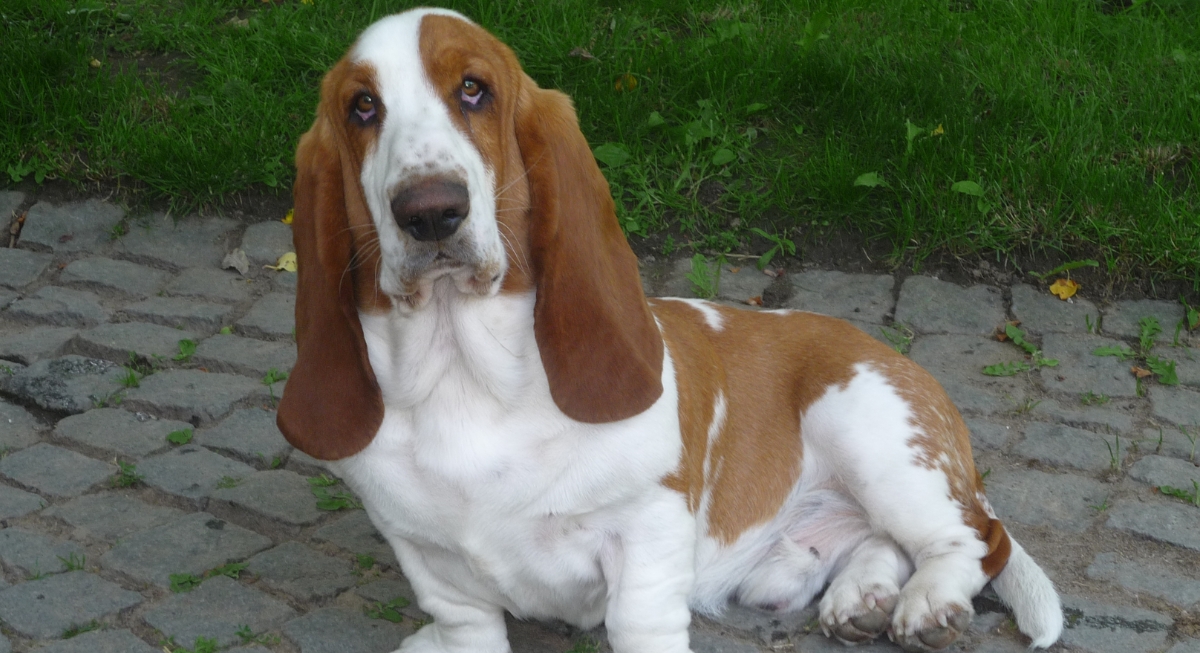
Few dogs move as slowly and deliberately as a Basset Hound. Everything about them, from their stride to their posture, reflects a naturally unhurried temperament. They don’t rush through walks or demand constant attention. Even their exercise needs are moderate, which removes pressure from daily routines. Living with one naturally shifts things into a more relaxed rhythm and lifestyle.
Greyhound
Credit: Wikimedia Commons
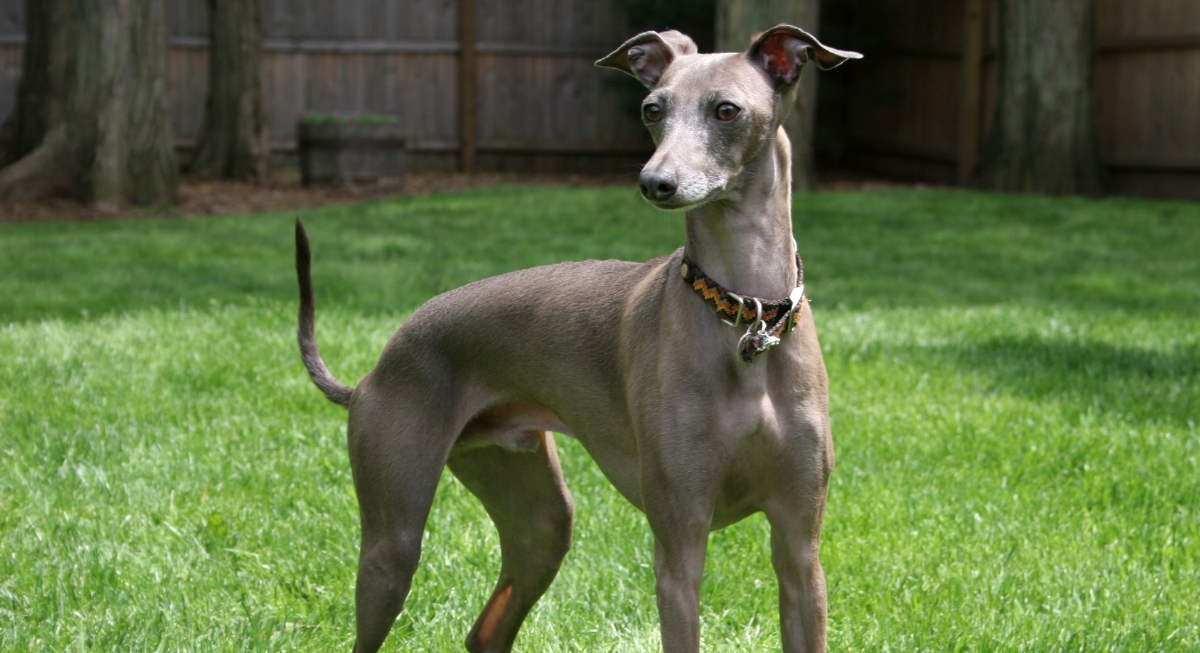
At first, a Greyhound seems like an odd choice. Built for speed, known for racing, it’s easy to assume they require constant exercise. In reality, they spend most of their time resting. Once they’ve had a short walk, they’re usually done for the day. The contrast surprises most people and makes it a strong option for a low-activity lifestyle.
English Bulldog
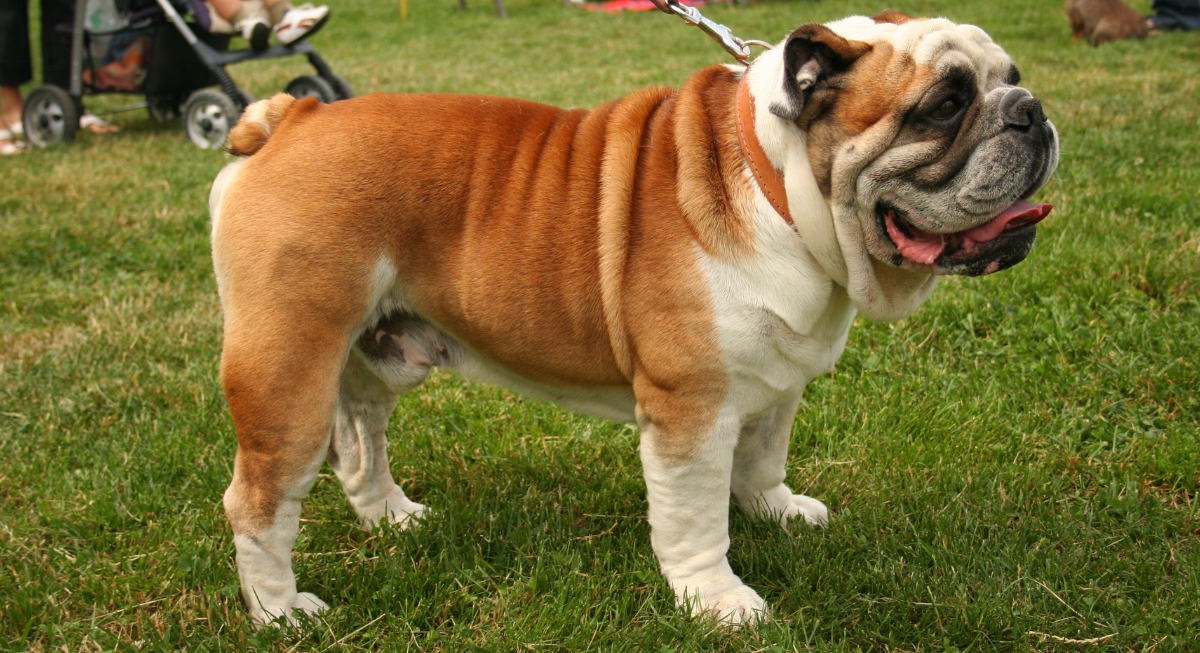
Credit: Wikimedia Commons
English Bulldogs don’t just prefer a slower pace; they rely on it. Their physical build makes intense activity uncomfortable, so they naturally stick to short, manageable bursts of movement. That limitation actually works in favor of retirees, since there’s no pressure to keep up with demanding routines. What you get instead is consistency and predictability.
Lhasa Apso
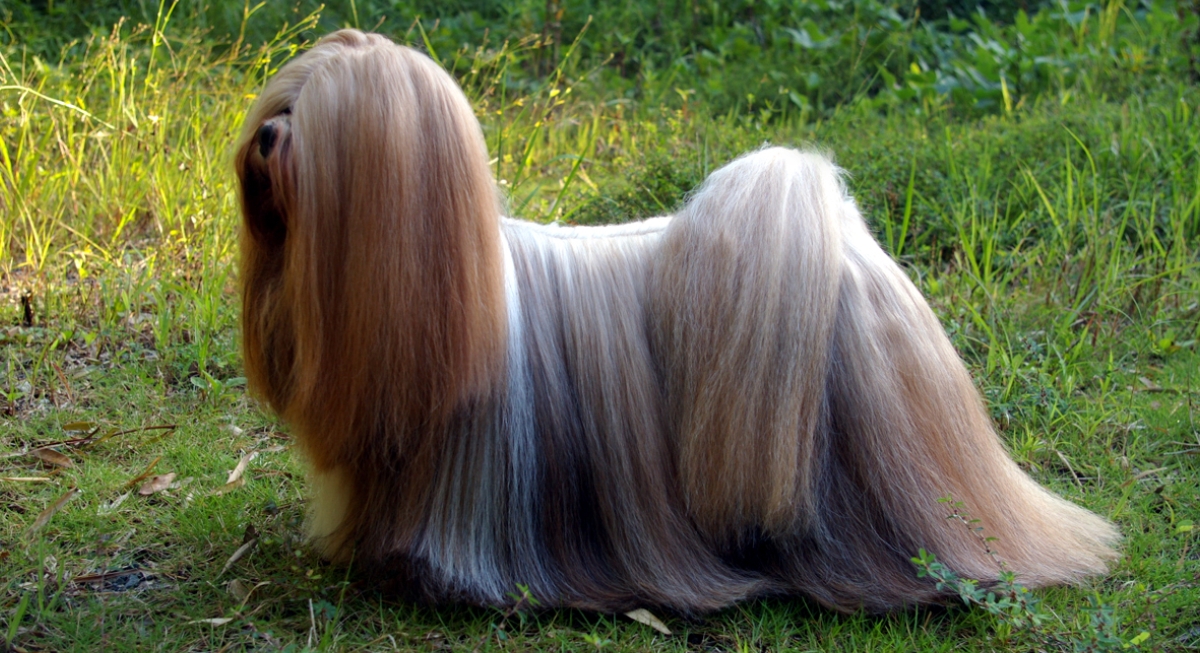
Credit: Wikimedia Commons
Lhasa Apsos were originally bred as indoor watchdogs in Tibetan monasteries, which shows in how observant and self-contained they are. They stay aware of their surroundings without needing constant interaction, and they’re comfortable spending time on their own without becoming anxious. Their independence pairs with steady loyalty, so they remain connected to their owner without being overly dependent. This balance works well in calm homes where routines stay consistent and uninterrupted.