How the Roman Military Helped Spread Cats Across Europe
Long before cats became internet icons or household companions, they earned their place by solving a very practical problem. Around 2,000 years ago, the Roman military relied on cats to keep rats out of forts, ships, and supply stores. They were not treated as pets in the modern sense, but as valued helpers whose presence protected food, equipment, and health. As Roman legions moved across Europe, these quiet problem-solvers moved with them.
Cats Didn’t Arrive Through Farming, As Once Believed
Credit: pexels
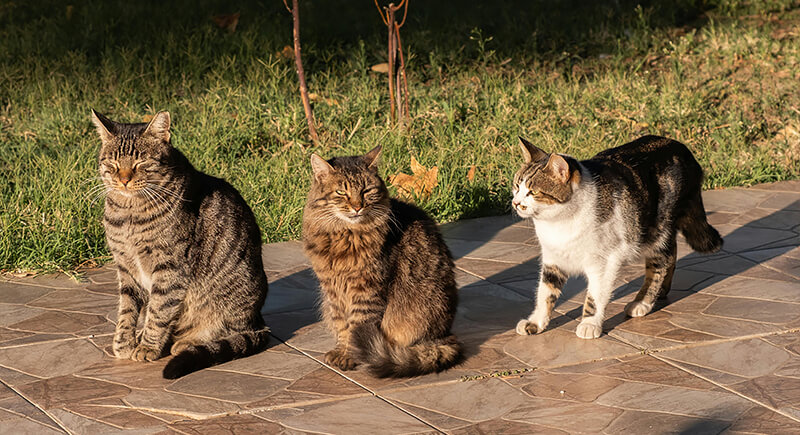
For years, researchers assumed cats entered Europe with Neolithic farmers around 6,000 years ago. That theory relied heavily on older archaeological interpretations and limited DNA evidence. But the truth is that felines didn’t arrive with early agriculture, but through organized Roman movements.
DNA Evidence Reshaped What We Thought We Knew
Credit: Wikimedia Commons
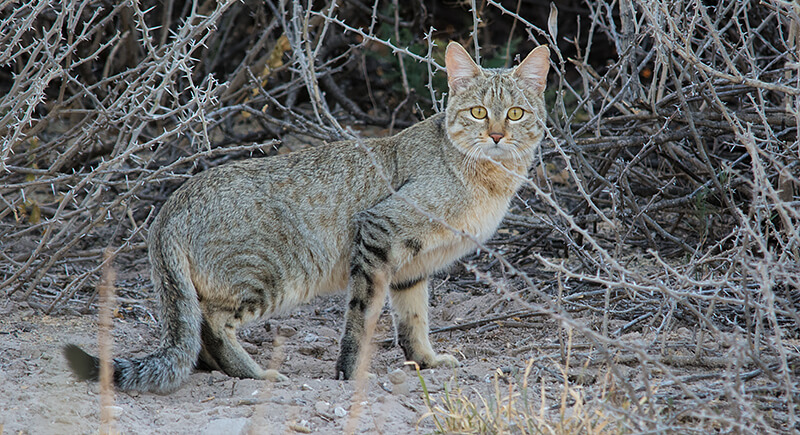
A major genome study challenged older assumptions about when cats began living in Europe. Researchers analyzed 70 ancient feline genomes and confirmed that true domestic cats didn’t show up on the continent until about 2,000 years ago. Earlier remains belonged to wildcats, not domesticated ones. The study’s results align closely with Roman military activity across Europe.
The Oldest Domestic Cat in Europe Lived Near a Roman Fort
Credit: Wikimedia Commons
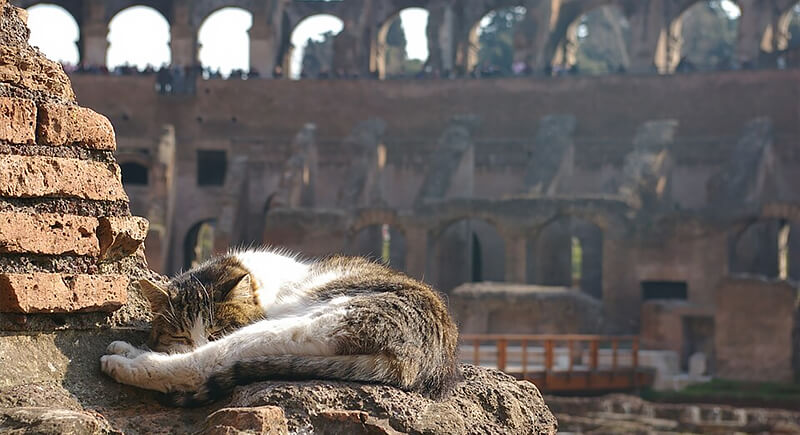
Archaeologists discovered the remains of a domestic cat in present-day Austria, dated between 50 BCE and 80 CE. The site was part of a Roman fort along the Danube River. This discovery is evidence that cats coexisted with Roman soldiers during the empire’s expansion. It also marks the earliest confirmed domestic cat in Europe.
Cats Protected Food Supplies and Military Gear
Credit: Wikimedia Commons
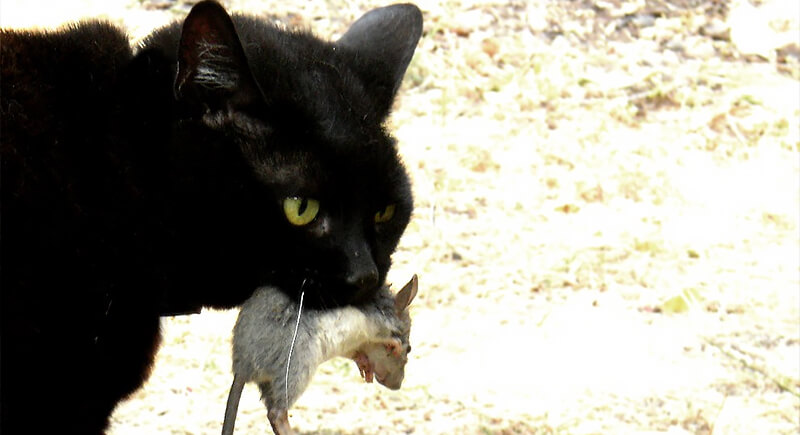
Grain was the backbone of the Roman army’s food system. Stored in large quantities, it attracted rats that could quickly spoil entire shipments. Leather armor, shields, and sandals were also vulnerable to rodent damage. Consequently, felines helped preserve these resources by controlling rodent populations.
Ships Acted as Gateways for Feline Travel

Credit: Wikimedia Commons
Roman ships moved grain and goods across the Mediterranean, and rats came along for the ride. To protect cargo, sailors brought cats aboard. As these ships stopped in new cities and ports, cats sometimes stayed behind. This steady movement expanded the cats’ reach into coastal Europe.
A Unique Roman Unit Earned a Feline Nickname
Credit: Wikimedia Commons
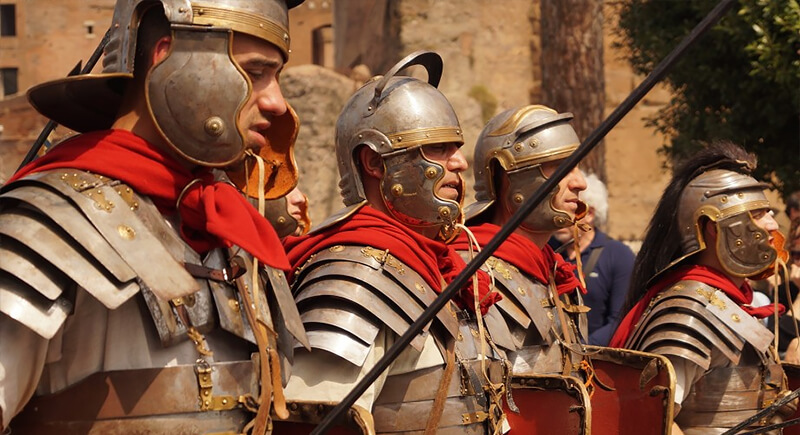
The sixth cohort of the Praetorian Guard, Rome’s elite soldiers, had an unusual nickname: “the cats.” And while the reason isn’t completely clear, it suggests that cats had a visible and perhaps valued role in daily military life. Whether the name was a reference to mascots or their rodent control duties, the fact that it existed shows how integrated cats became within Roman military units.
Offered Companionship in Harsh Conditions
Credit: pexels
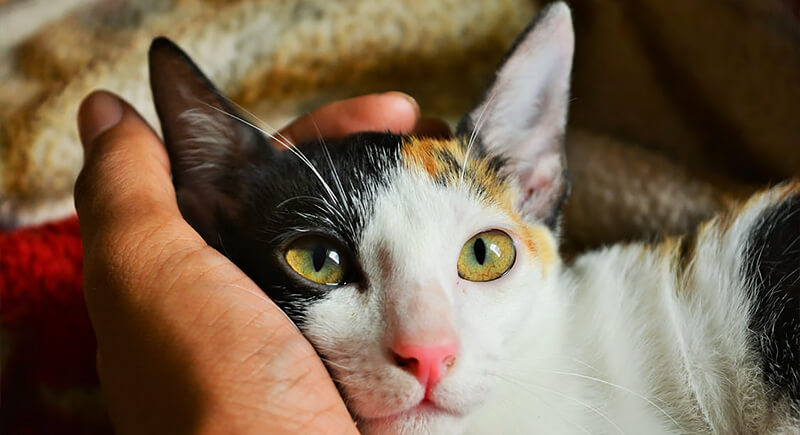
Soldiers posted far from their homes endured long periods of waiting, often in unfamiliar lands. In those conditions, cats became a steady and living presence. Some were buried with care, and a few were even placed in coffins. That level of attention indicates that these furry creatures earned more than utility-based respect and played a key role in the emotional environment of an otherwise demanding military life.
North African Wildcats Played a Foundational Role
Credit: Getty Images
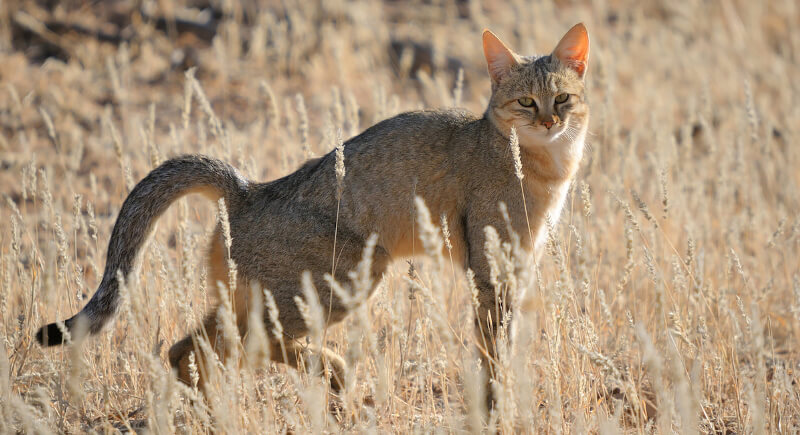
Modern European domestic cats share strong genetic ties with wildcats native to North Africa. This connection reveals that Roman cats likely originated in that region. Roman trade routes linked North Africa to Europe, and those links became corridors for feline movement. The army’s access to Egyptian and North African ports meant cats could easily board ships.
Roman Infrastructure Carried Cats Further Inland
Credit: Wikimedia Commons
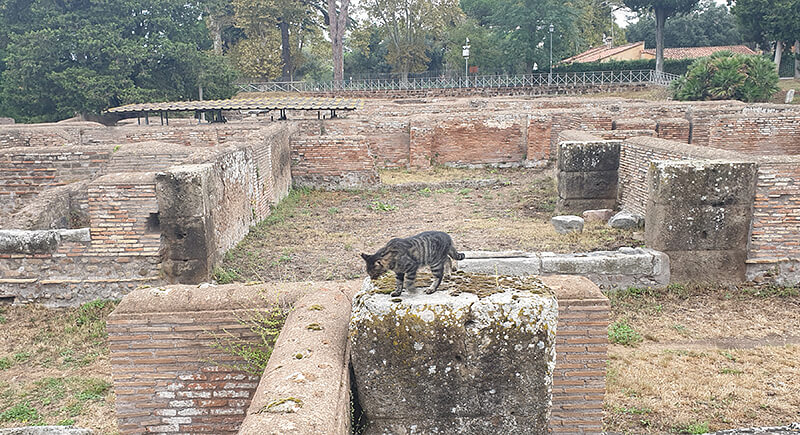
Roman roads weren’t just for soldiers and wagons because they connected remote forts with larger cities across Europe. As cats proved their usefulness, soldiers brought them along between postings. The army didn’t need special permission to move animals. If something helped the mission, it traveled with the unit. That’s how cats reached inland territories beyond the coastlines.