10 Female Species in the Animal Kingdom That Are Ruthless
Nature does not reward politeness, and being a male or female doesn’t change that rule either. Across the animal kingdom, the female gender often controls reproduction and resources with ruthless actions. These behaviors can look shocking through a human lens, but they serve specific purposes. If it was ever in doubt, these 10 female species validate Mother Nature’s dark sense of humor in ways we never saw coming.
Praying Mantis
Credit: Getty Images
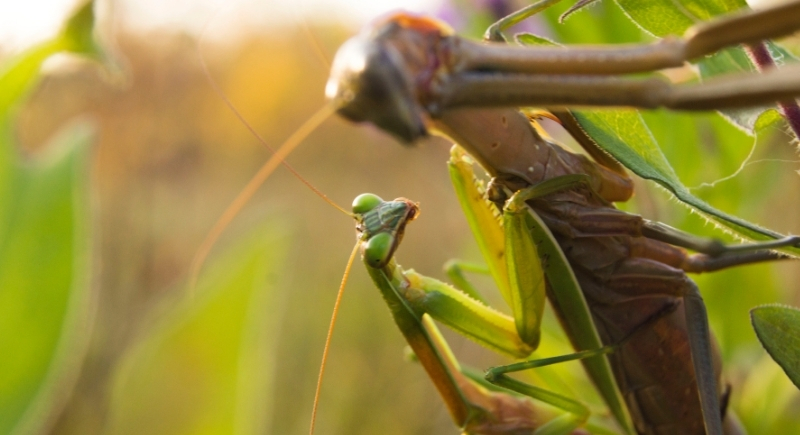
Cannibalism reaches its peak with the praying mantis, as they sometimes bite off their partner’s head during or immediately after mating. It was once thought to be an artifact of laboratory conditions, but has since been confirmed in wild populations of some mantis species. The male partner’s body becomes a protein-rich meal that nourishes developing eggs. Interestingly, decapitation doesn’t stop the reproductive process because the headless body continues through nerve impulses.
Octopus
Credit: pexels
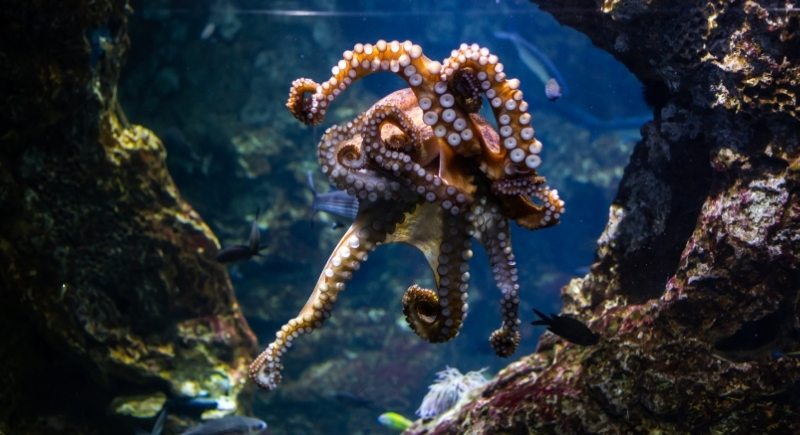
Approaching some female species of octopus at the wrong moment can prove fatal for overeager males. These intelligent invertebrates will strangle and devour suitors who show up when they’re not receptive or who demonstrate poor mating technique. Some male species have adapted by mating from a cautious distance, extending a specialized arm while keeping the rest of their body far away to avoid becoming dinner.
Spotted Hyena
Credit: Getty Images
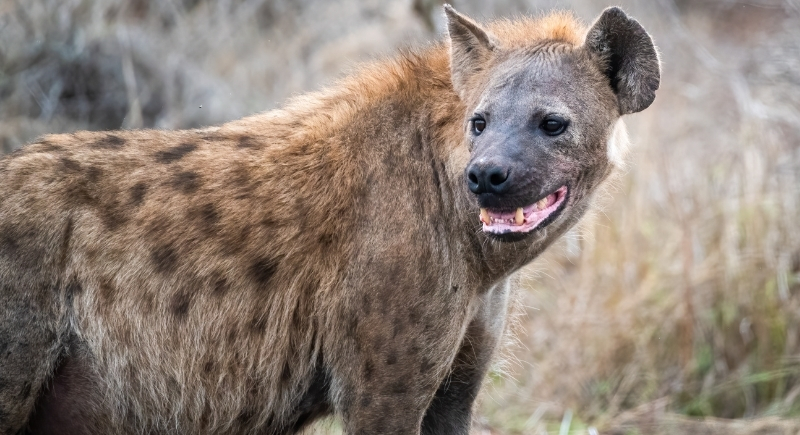
Hyena society operates as a violent matriarchy where females dominate through size, aggression, and testosterone levels that rival those of males of other species. Social rank, too, passes from mother to daughter.
Anglerfish
Credit: Reddit
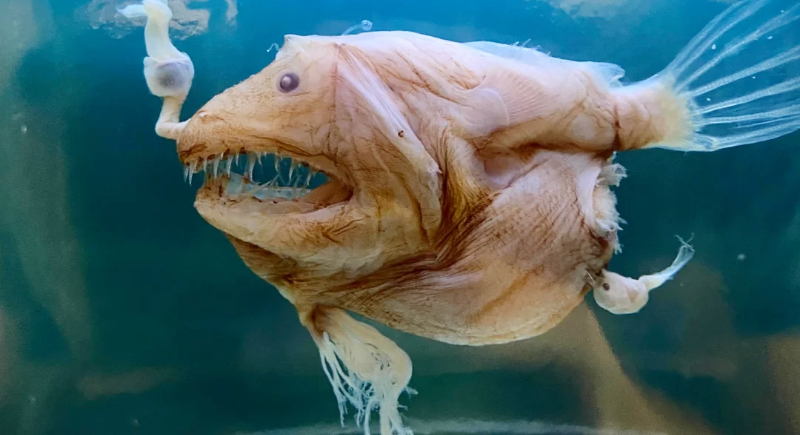
Deep-sea anglerfish males sacrifice everything for reproduction by fusing their bodies into their mate’s flesh. When a male locates a female in the pitch-black ocean depths, he bites into her and permanently attaches himself. His body gradually degenerates until nothing remains except a parasitic sperm reservoir dependent on her bloodstream for survival. She accumulates multiple males this way.
House Sparrow
Credit: iStockphoto
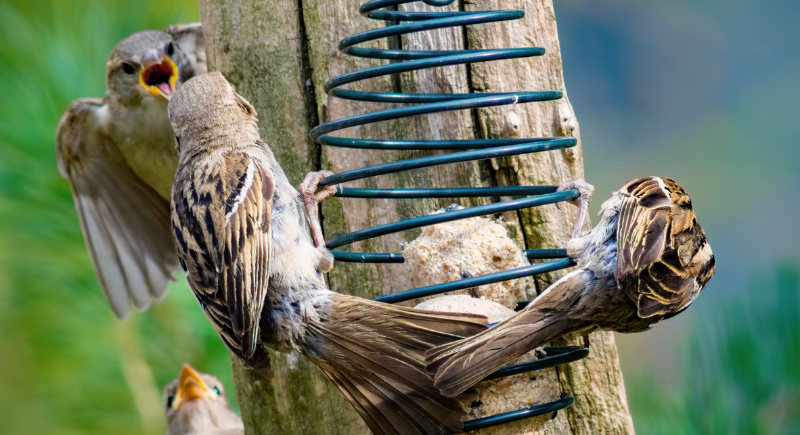
Infidelity triggers murderous rage in female house sparrows, but they don’t attack their cheating partners. Instead, they hunt down the nests of rival females who mated with their male and kill the resulting chicks. Researchers have documented female infanticide in house sparrows, though studies have not conclusively shown how this behavior affects subsequent parental investment. Still, infanticide can remove competing offspring from nearby nests.
Honey Bee
Credit: iStockphoto
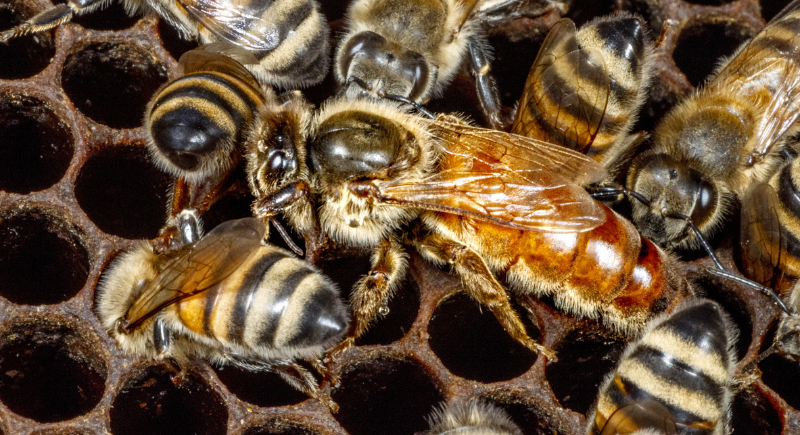
A queen bee controls her hive through chemical signals. She releases pheromones that suppress the reproductive systems of female worker bees, which keeps them sterile and focused on maintaining the colony, gathering food, and caring for young. When new queens develop, conflict is unavoidable. Rival queens are tracked down and killed, often through direct stinging fights inside the hive. During swarming or supersedure, workers may raise several queens at once, but the outcome is the same. Only one survives, and she removes all competition before taking full control of the colony.
African Lion
Credit: Getty Images
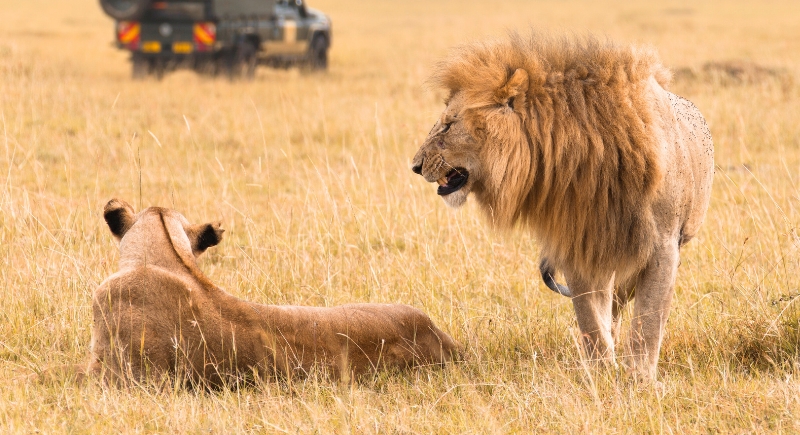
Lionesses form the backbone of every pride, controlling hunting, territory knowledge, and cub rearing, while males rotate in and out over time. When a new male coalition takes over, existing cubs are often killed, forcing females into a brutal reproductive reset. Lionesses fight fiercely to defend their young, but biology favors numbers. Once cubs are lost, females return to estrus and strategically mate with the new males to secure protection for future offspring.
Meerkat
Credit: Getty Images
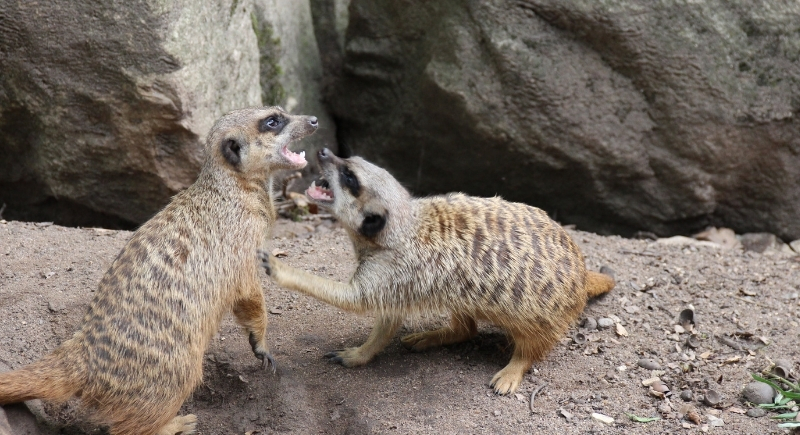
Dominant female meerkats control their groups through strict reproductive enforcement.
Pups born to lower-ranking females are often killed to reduce competition for food and care. Pregnant subordinates may be driven out of the group altogether, especially when the dominant female is preparing to give birth. When the matriarch has her own litter, subordinate females are forced into caregiving roles, including wet-nursing. Both eviction and enforced care can disrupt a subordinate female’s chances of reproducing.
Cuckoo
Credit: Getty Images
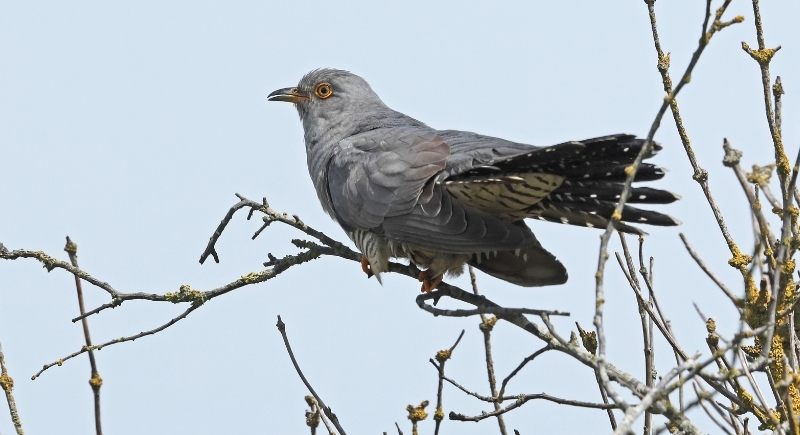
Parental responsibility means nothing to the cuckoo; she dumps her eggs in another bird’s nest and vanishes. Her chick hatches and grows faster than its nestmates. The brutality of the female cuckoo’s act is evident when her offspring shoves every other egg or baby bird out of the nest to die. Exhausted adoptive parents work themselves ragged feeding their oversized stranger, never realizing it murdered their own babies.
Green Anaconda
Credit: Wikimedia Commons
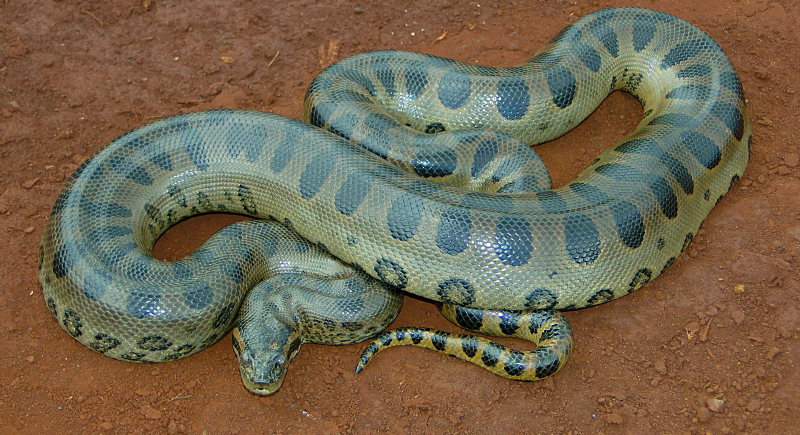
Female green anacondas are around 17 feet, while males are usually half that long. Breeding season brings several males forming a “breeding ball” around one female as they compete for mating access. Post-mating cannibalism has been reported in green anacondas, though the biological reasons for this behavior are not well established. Males competing in breeding aggregations face increased risks of injury or death, with reproductive success varying widely.