Scientists Formally Describe a New Species of Dwarf Shrew Found in Ethiopia
For years, a few tiny shrew specimens collected in Ethiopia puzzled researchers. They were noticeably smaller than any known species, yet the evidence was scattered across different expeditions and museum collections, never quite enough to draw a firm conclusion. The mystery lingered, waiting for the right tools and comparisons to bring clarity.
That clarity has finally arrived. Scientists have now confirmed a new species of dwarf shrew weighing just three grams, about the mass of a sugar cube. It now ranks among the smallest mammals ever recorded and adds an important new piece to the story of Ethiopia’s highland biodiversity. The discovery also shows how overlooked specimens can quietly reshape scientific records once the data comes together.
Confirming A Species, Not A Fluke
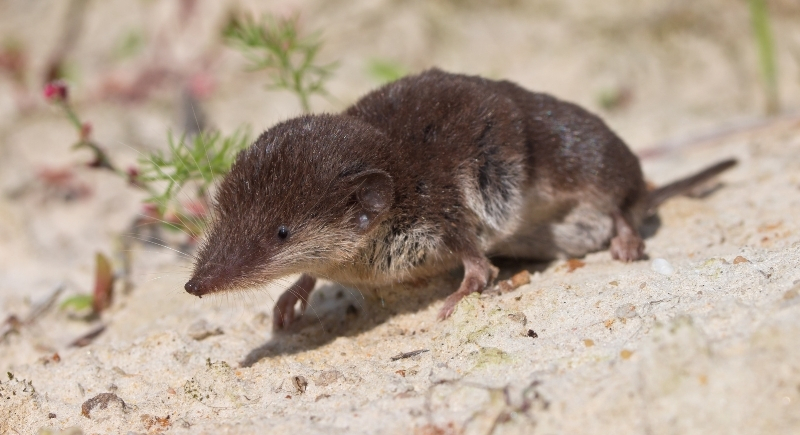
Image via Getty Images/CreativeNature_nl
The shrew measured about 5 centimeters in body length, with a tail about 3 centimeters long. Its head was slightly flattened, and its tail carried short fur, details that made it distinct within its genus. Still, size and appearance alone do not earn a species name. Genetic analysis delivered the deciding evidence.
DNA comparisons showed consistent differences separating the shrew from known relatives across the region. Combined with anatomical data, the findings met the strict criteria required for formal classification. The animal now carries the name Crocidura stanleyi and is among the smallest mammals documented.
Ethiopia Keeps Surprising Scientists

Image via Getty Images/Josep Maria Barres
Ethiopia’s highlands punch well above their weight when it comes to biodiversity. Steep terrain, isolated plateaus, and sharp changes in elevation have allowed species to evolve on their own paths for millions of years. As a result, many mammals found here exist nowhere else. Small insect-eating animals, often overlooked because of their size and secretive habits, are especially likely to go unnoticed until careful study brings them into focus.
Shrews present a special challenge. Their rapid metabolism, tiny size, and elusive behavior make them difficult to sample consistently. Many species likely remain undocumented, not because they are rare, but because traditional survey methods fail to capture them. The discovery of Crocidura stanleyi demonstrates that targeted techniques can still shape scientific understanding.
More Than A Name On Paper

Image via Canva/Aflo Images
Formal description matters for reasons beyond taxonomy. Recognizing a species enables scientists to accurately study its ecology, distribution, and conservation status. Without a name, an animal cannot be properly monitored or protected.
Researchers associated with this work also plan to examine health factors tied to small mammals living in the area. Understanding potential zoonotic pathogens is part of broader One Health research that links wildlife, ecosystems, and human well-being. None of that work happens until the species itself is clearly identified.
A Tribute Inside The Data
The species name honors mammalogist William Stanley, whose earlier fieldwork produced one of the first known specimens. He never saw the final confirmation, yet his contribution proved essential. In taxonomy, naming carries influence, often preserving scientific legacies alongside biological ones.
Crocidura stanleyi now joins a short list of animals connected to his research career, proof that discovery rarely follows a straight path. Sometimes it unfolds across years, collections, and collaborations, waiting patiently until the evidence aligns.