10 Senior Dog Mobility Changes Owners Mistake for Normal Aging
Mobility changes in senior dogs are hard to notice. Seeing them eat normally and follow their daily routine leads owners to assume there is nothing wrong with their dogs. Then one day, the dog suddenly struggles with stairs or stops jumping into the car completely. In many cases, the warning signs started months earlier.
Different signs can point toward discomfort developing in the joints, muscles, or spine. Vets and rehabilitation specialists pay close attention to those subtle changes because early mobility problems do not always begin with dramatic limping or complete loss of movement.
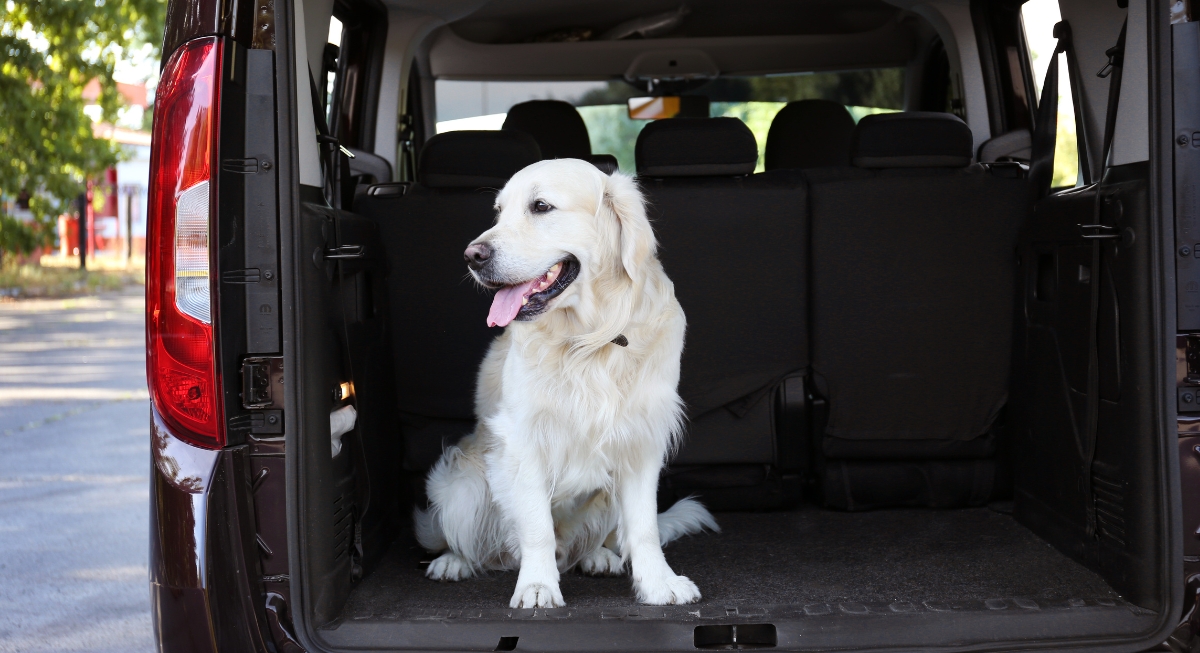
Hesitating Before Jumping Onto Furniture or Into the Car
Credit: pixelshot
To jump, dogs draw strength from their hips, knees, spine, and rear legs. Discomfort usually affects those movements early. Senior dogs with arthritis or weakening joints often start hesitating to jump before you notice limping. You may notice the problem more easily with higher surfaces because the dog requires more force and balance.
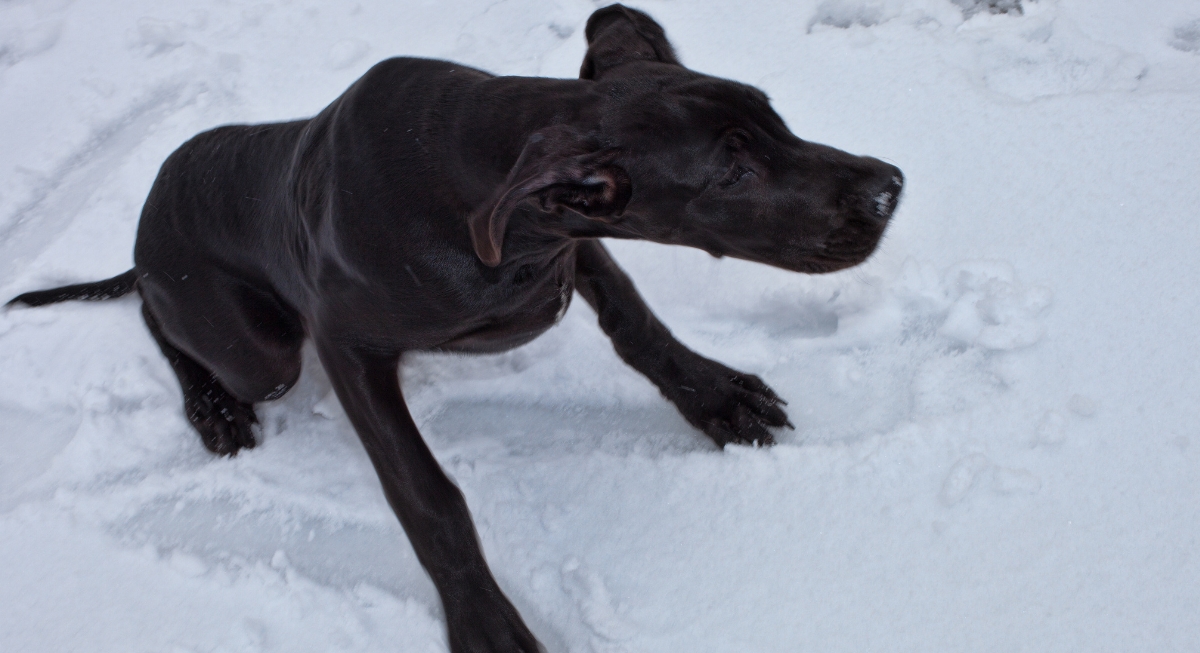
Slipping or Losing Traction on Smooth Floors
Credit: Getty Images
Tile and hardwood floors remove the extra grip that older joints rely on. Dogs with reduced muscle support or joint instability often struggle to stabilize without traction. The body starts compensating immediately by shortening steps and widening posture, moving more cautiously indoors. Frequent slipping can increase strain. Carpets may mask these problems, as they cushion movement and improve stability.
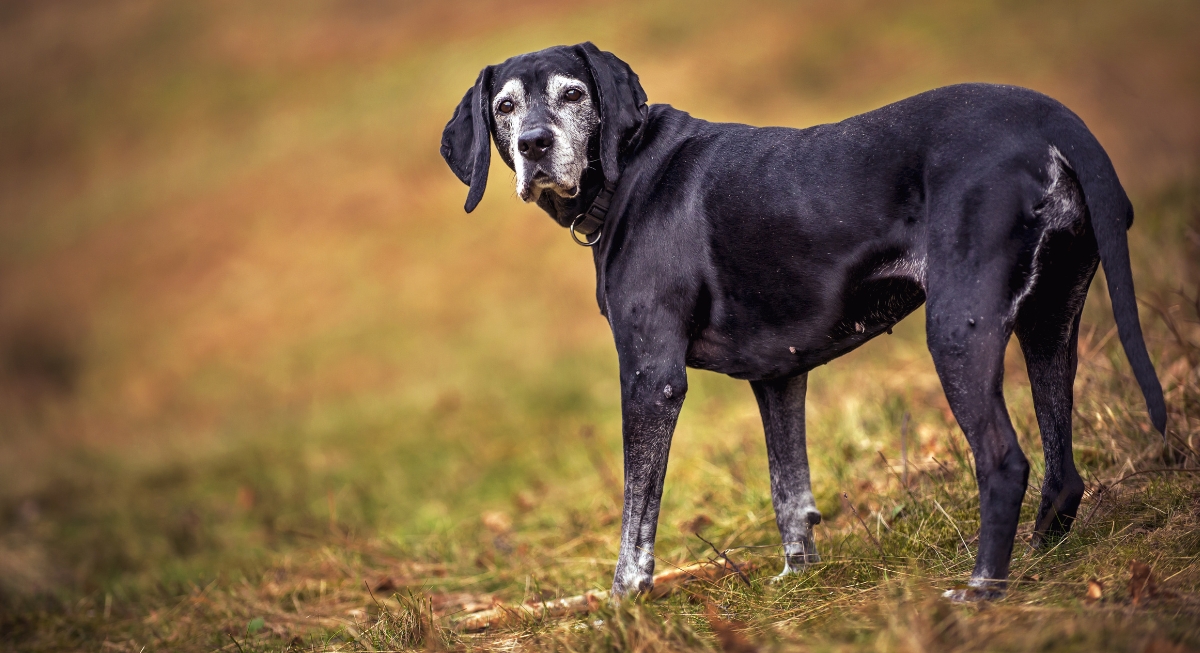
Taking Longer to Stand Up After Resting
Credit: Getty Images
After long periods of inactivity, many senior dogs need extra time to straighten their hips, knees, spine, or shoulders. Arthritis and chronic inflammation commonly slow the process because the joints tighten during rest. Delayed rising often becomes one of the earliest physical changes owners notice. Vets treat that slowdown seriously. Consistent struggles to get up after naps or bedtime often signal an underlying condition.
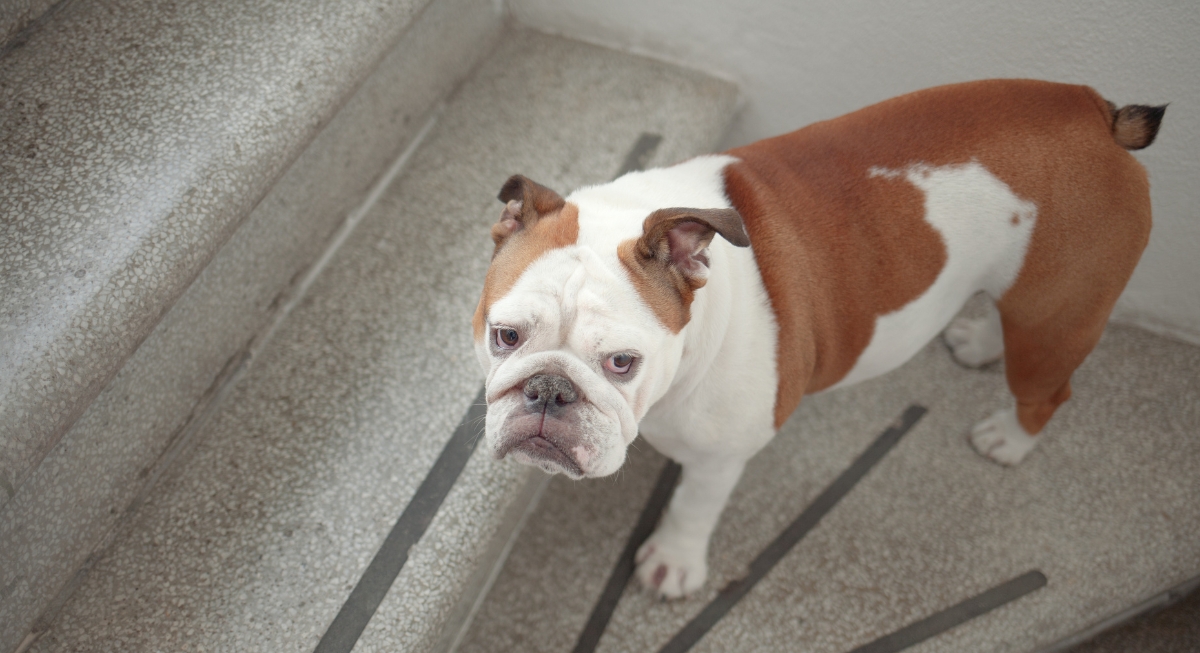
Refusing Stairs or Moving Differently on Them
Credit: Getty Images
Stairs can become difficult for senior dogs because they put repeated pressure on aging joints. Climbing requires power from the rear legs, while going down adds strain to the shoulders, elbows, hips, and knees. Dogs dealing with arthritis, spinal discomfort, or rear-leg weakness may start slowing down, hesitating, losing balance, or avoiding stairs altogether.
Swaying or Sinking in the Rear While Standing Still
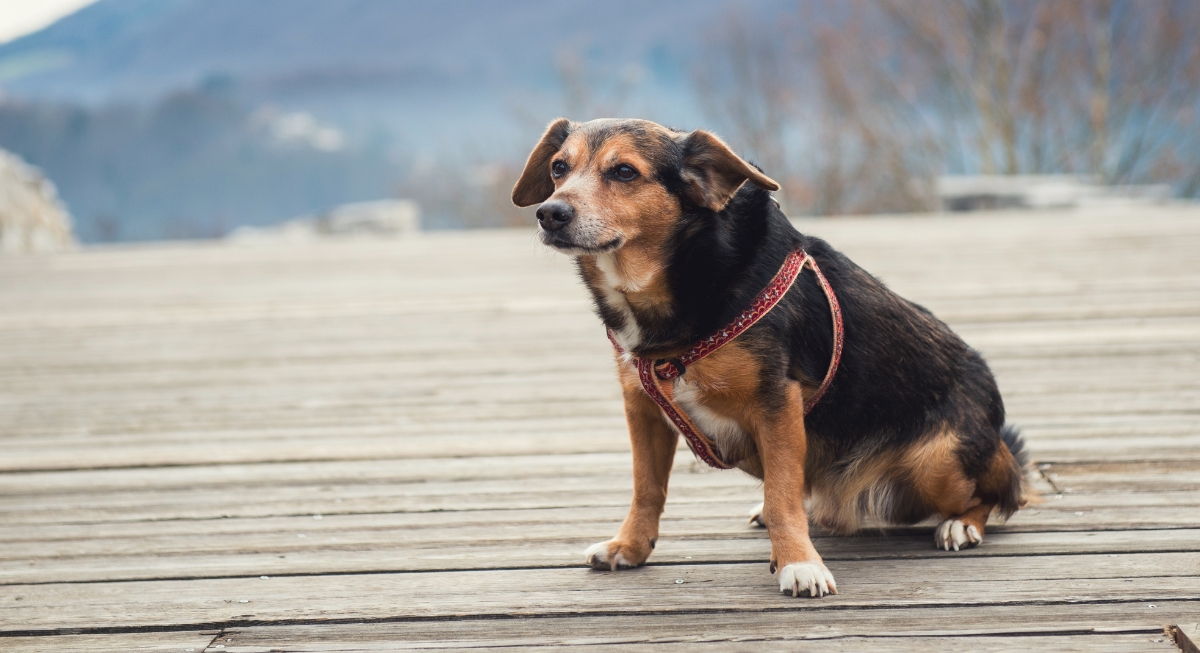
Credit: Getty Images
Some senior dogs start showing subtle changes while standing still. The rear end may sway slightly, wobble, or slowly sink lower after standing for a short time. Walking can sometimes hide the problem because movement helps with balance and support. These changes may seem minor at first, but they often point to weakness, discomfort, or an underlying mobility issue rather than normal aging.
Scraping Nails or Dragging the Tops of the Paws
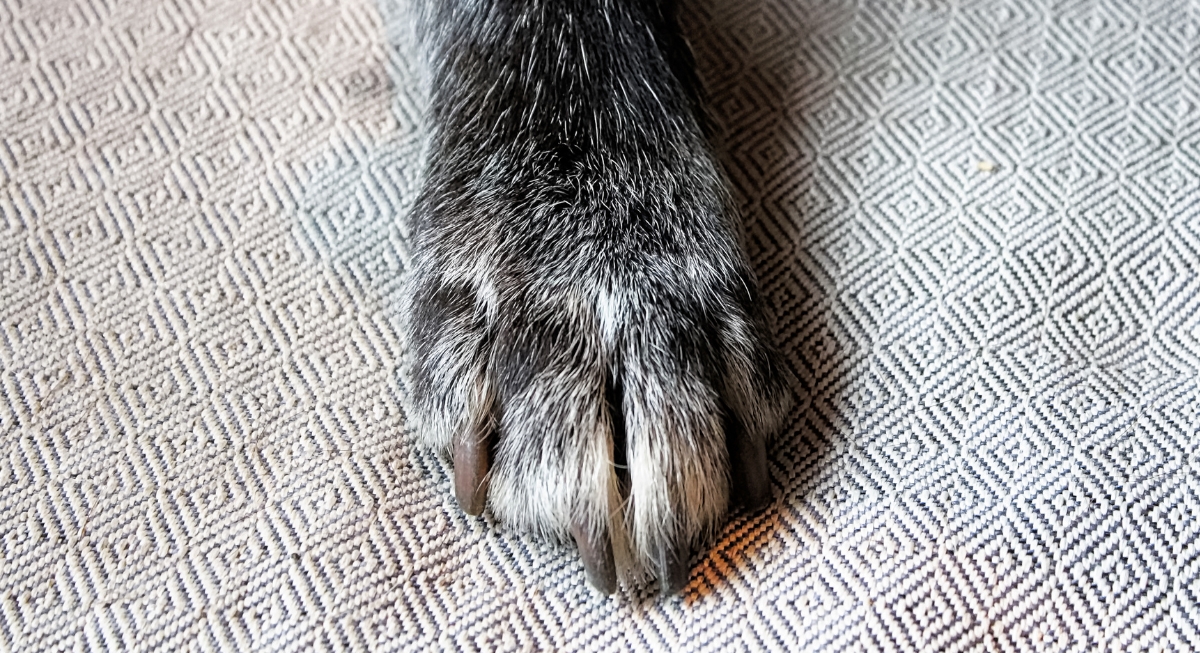
Credit: Getty Images
Healthy gait mechanics require the feet to lift cleanly off the ground during every step. Senior dogs with neurological decline sometimes lose that control. Nail scraping is the first sign, as the paws stop fully clearing the ground during movement. Vets connect this kind of dragging with reduced proprioception. Over time, the nails wear unevenly, and the tops of the paws may develop scrapes or be missing fur.
Shorter Walks and Tiring Out Faster Than Before
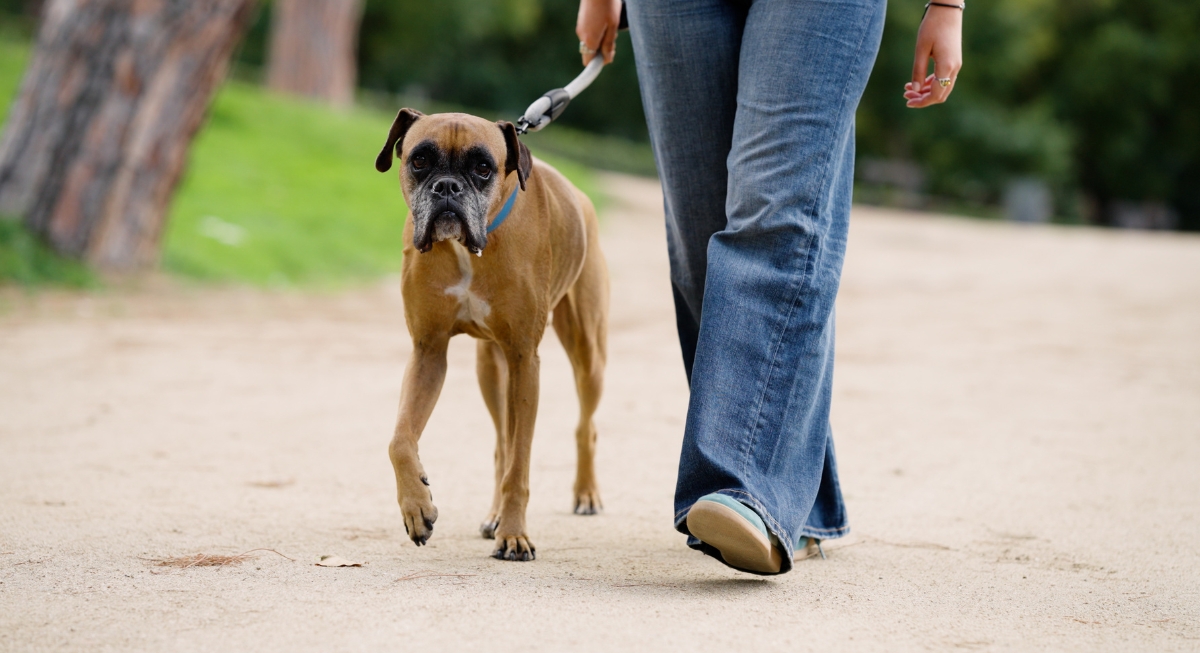
Credit: Canva
Endurance drops if movement causes physical strain. Even when the dog still enjoys going outside, discomfort gradually shortens their stamina. Recovery periods also become longer because aging joints handle exercise less efficiently. Stamina changes commonly appear before major limping or gait abnormalities develop. A dog that suddenly struggles with familiar routes may already have significant mobility decline.
Shifting Weight Off One Leg While Standing
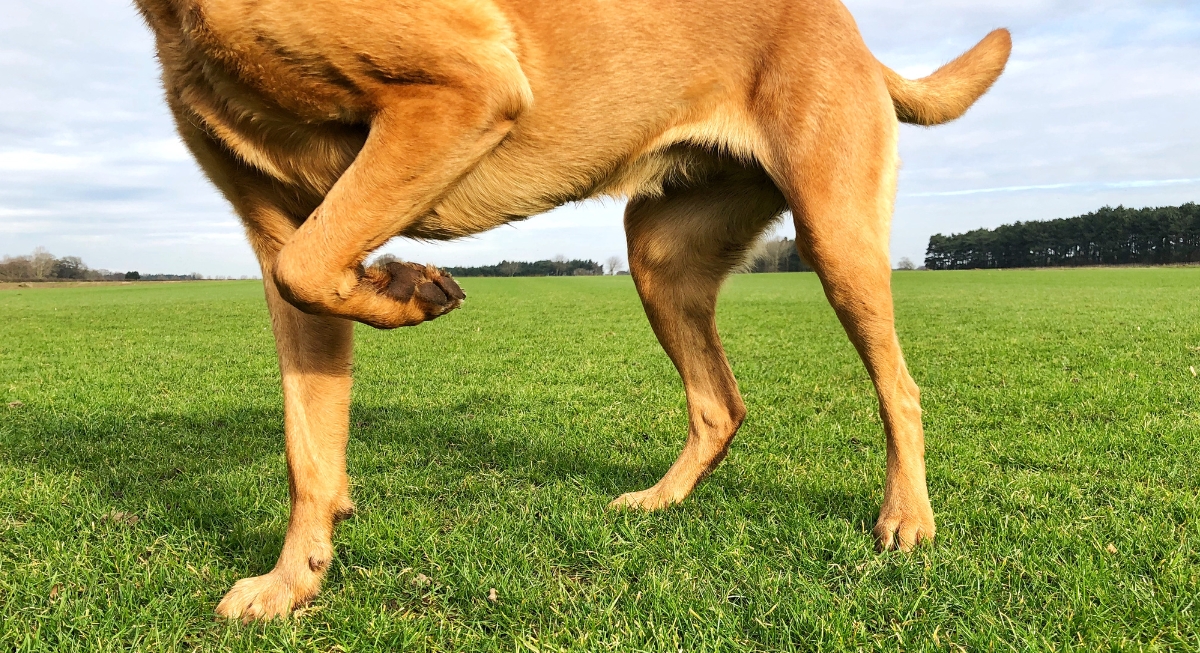
Credit: Getty Images
Dogs with joint discomfort often redistribute weight automatically to reduce pressure on painful areas before any obvious limping. One sign not to ignore is a change in posture. Injuries and bone disease commonly trigger those adjustments in senior dogs. They may lean away from one side, lift a paw briefly, or reposition repeatedly while standing. Compensation behaviors frequently expose chronic pain earlier than walking changes do.
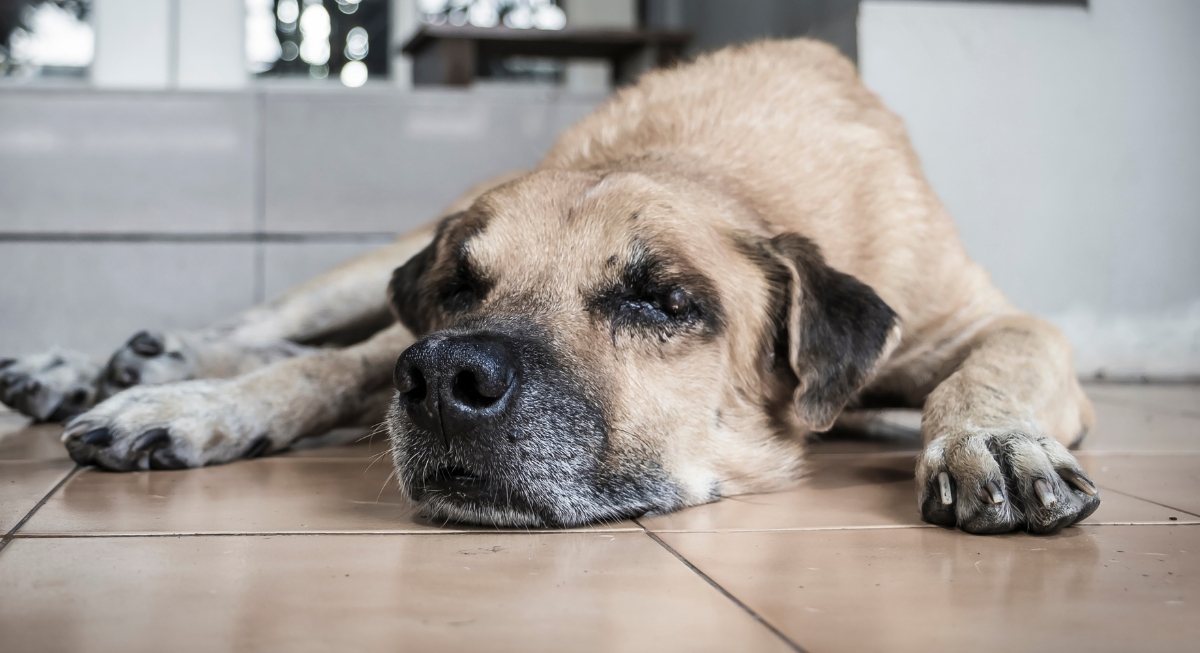
Changes in Sleeping Spots or Resting Surfaces
Credit: Getty Images
Joint stiffness and spinal pain can make certain surfaces difficult to use comfortably, especially elevated beds, slippery floors, or heavily cushioned areas that complicate standing afterward. Many senior dogs who need to reduce pressure on painful joints prefer flatter surfaces because they require less effort to get up from.