10 Takeaways on Senior Pet Nutrition as Lifespans Increase
Senior pets are living longer thanks to improved veterinary care, but this also means their nutrition must do more than it used to. Older animals often experience muscle loss, joint pain, or decreased stamina, even if their bloodwork appears normal. Their food should support organ function, strength, mobility, and overall comfort.
On this note, experts explain why many popular feeding approaches often fail to meet the needs of aging pets and why updating their diet can make a significant difference in their daily well-being.
Understand When Senior Nutrition Should Begin

Credit: Getty Images
Size influences aging far more than age alone. A 7-year-old Great Dane may already show signs of decline, while a 12-year-old Yorkie could still be active. Cats typically follow aging patterns similar to those of smaller dogs. Knowing this allows owners to make earlier dietary adjustments for large breeds, before problems start.
Mobility Loss Is Often the First Real Sign of Aging

Credit: Getty Images
Many pets appear healthy during check-ups, with strong laboratory results and a stable weight. But they hesitate to climb stairs, struggle with hardwood floors, or stop jumping into the car. These changes reflect muscle weakness, not illness. Paying attention to how pets move can signal the need for dietary changes that encourage muscle and joint function.
New Diseases are Emerging in Older Pets

Credit: Getty Images
Veterinarians are diagnosing GOLPP, or geriatric onset laryngeal paralysis and polyneuropathy, more often in large breeds. This condition affects a dog’s voice and causes weakness in the rear legs. A decade ago, this disease was rarely seen. Today, it’s part of routine evaluations for aging retrievers and other big dogs.
Senior Formulas Often Cut the Wrong Nutrients
Credit: pexels
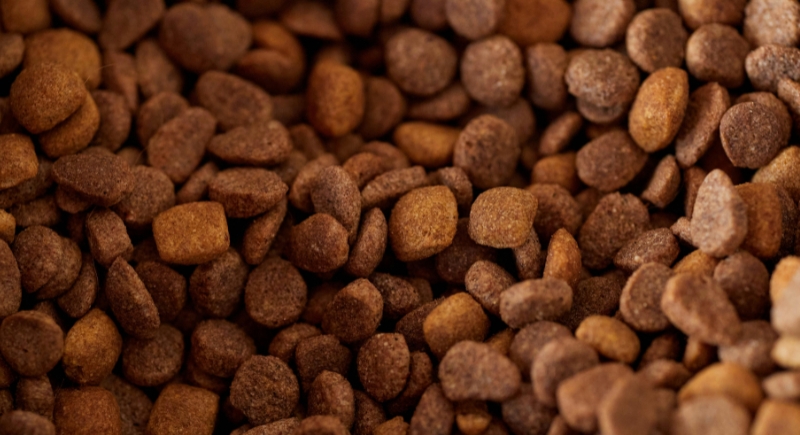
Several commercial senior pet foods reduce protein and fat, because they assume older animals need fewer calories. However, senior dogs, especially healthy ones, require higher protein levels to maintain their muscle mass. Professionals warn that low-protein diets can worsen age-related muscle loss.
Use Omega-3s To Improve Aging Joints

Credit: Getty Images
Fish oil is a proven method backed by substantial research. Omega-3 fatty acids reduce inflammation and ease joint stiffness in older pets. Cold-water fish oils, such as those found in salmon and sardines, are especially effective for arthritis support. They do require cool, dark storage and can upset sensitive stomachs.
Try Green-Lipped Mussel for Sensitive Pets
Credit: Canva
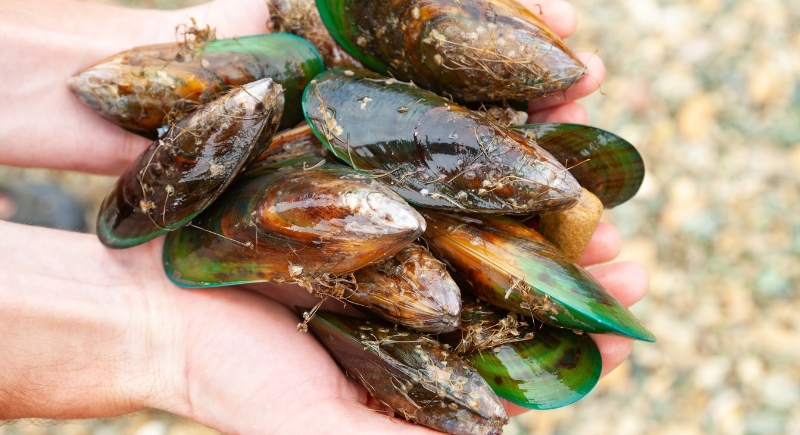
While fish oil is effective, not every pet can tolerate it. For animals with sensitive digestion, green-lipped mussel is a gentler option. It contains natural omega-3s and trace nutrients that help ease joint discomfort. This shellfish-based supplement, originating from New Zealand, has gained popularity as a safer alternative for dogs prone to stomach issues.
Choose Collagen Based on Your Dog’s Needs
Credit: Getty Images
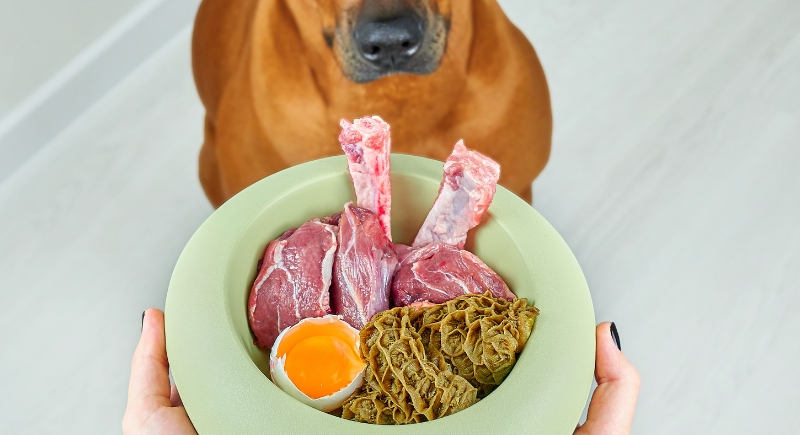
Type 2 collagen enhances cartilage resilience and works well for active pets without arthritis. Meanwhile, bovine collagen provides benefits for both joints and skin simultaneously. Matching the type of collagen to your pet’s age, activity level, and physical condition makes a difference. But don’t choose randomly. Instead, ask your vet which type aligns with your dog’s needs.
Look for Ingredients That Build Muscle

Credit: Canva
Pet food shelves are full of joint supplements, but muscle loss causes just as many problems. Fortetropin, a natural ingredient, has been studied for its ability to increase muscle mass and slow down muscle wasting. Including it in a senior pet’s diet can enhance balance, mobility, and overall quality of life.
The Supplement Industry Isn’t Closely Watched

Credit: Getty Images
Pet supplements often appear scientific, but many lack oversight. The FDA doesn’t require proof of ingredient accuracy or effectiveness. That means labels may not reflect what’s inside, and marketing claims might not be backed by research. It is up to you to approach supplements with questions and consult vets familiar with quality brands.
Vets Need to Welcome Diet Conversations

Credit: Canva
Owners often explore new feeding styles, such as lightly cooked or freeze-dried diets. However, they often feel shut down when they bring these up at veterinary appointments. A flexible, informed conversation helps pets more than blanket rejections. Senior nutrition isn’t limited to kibble, and open-minded guidance gives owners a better chance of choosing diets that truly support aging animals’ needs.