Sergeant Rambo, The Three-Legged Marine Dog Who Helped Change Military History
Military working dogs have long played a practical role in modern warfare. Around 2010, thousands of them were deployed worldwide to detect explosives, clear routes, and protect troops. Despite that service, U.S. military policy treated these dogs as equipment, which meant injured animals could be discarded, euthanized, or left behind once they were no longer useful.
That system stayed in place for decades. It changed because of one Marine Corps dog who survived severe injuries and refused to disappear. His name was Sergeant Rambo, and his story reshaped how the military treats its dogs after service.
The Training And Service That Built Him
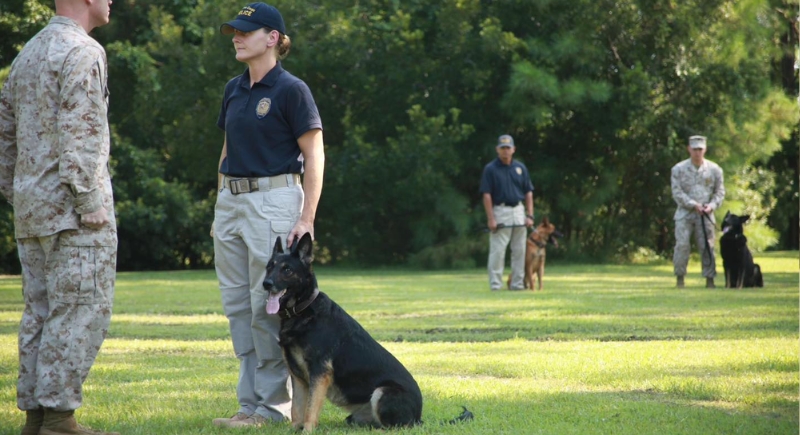
Image via Facebook/Sgt Rambo N577
Sergeant Rambo completed 994 training hours while on active duty. Training typically happens at the Holland Dog Center at Lackland Air Force Base in San Antonio, Texas, which serves as the primary training hub for United States military working dogs.
Detection dogs like Rambo can identify weapons, bomb components, gases, and narcotics with an accuracy that still exceeds that of many detection machines. After training, Rambo deployed to Marine Corps Air Station Cherry Point in North Carolina. During his assignment, he completed 620 stateside search operations across base and local response situations.
Local law enforcement sometimes relied on military working dog teams when resources were limited. In the Havelock area, Rambo and his handler responded to bomb threats because the region lacked a dedicated police bomb-detection dog. He also held patrol certification, meaning he could physically engage threats on command during security operations.
An Injury That Ended His Career
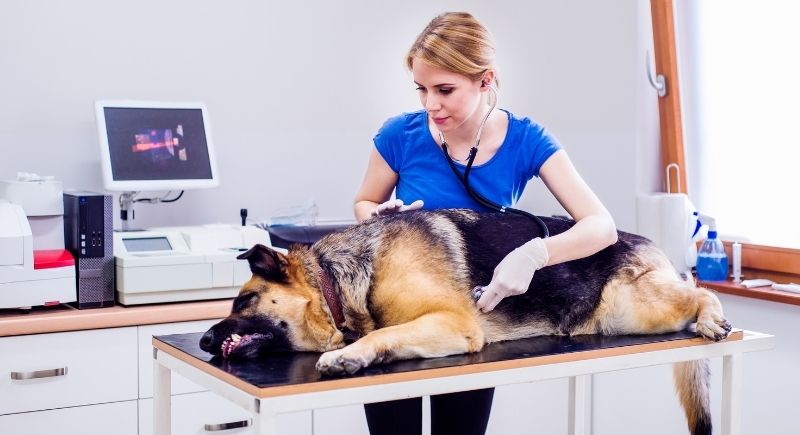
Image via Canva/halfpoint
Rambo injured his left shoulder during routine bite training. Early medical evaluations missed a small bone fragment inside the shoulder joint, and months passed with continued pain and limited improvement. X-rays later revealed the fragment had caused significant joint damage.
Veterinary specialists eventually recommended amputation after confirming other joints remained strong enough to support mobility. The procedure ended his military career after about a year and a half of service, which is short compared to the typical military working dog career that often spans several years.
Rambo’s retirement became historic. He received a formal retirement ceremony at Cherry Point, the first known ceremony of its type held there for a military working dog. That visibility brought attention to how military dogs were treated once service ended, especially among veterans and lawmakers already discussing policy updates.
A Change in the Law
Image via Canva/Marcin Jucha
The Canine Members of the Armed Forces Act, passed in 2013, helped change how retired military working dogs transitioned back into civilian life. Earlier policies treated working dogs strictly as government property. That system created major challenges when handlers wanted to adopt retired dogs or bring them back to the United States.
Advocacy related to working dog cases helped raise awareness, and many retired military dogs now return to their handlers or qualified adopters after service. Public education around military working dogs increased during this period. Stories connected to injured or retired dogs helped civilians understand the physical risks these animals face during service operations.
Life After Service
Army veteran Lisa Phillips adopted Rambo in 2012 after networking efforts connected them. After surgery and recovery, he adjusted well to life as a three-legged dog and began appearing at public events supporting veterans and military working dog care programs.
Rambo later earned the 2015 Military Dog of the Year honor through the American Humane Hero Dog Awards. He also became connected to nonprofit work supporting retired working dogs that still need medical treatment or transportation assistance.
He has participated in multiple Honor Flight trips, supporting World War II veterans traveling to memorial sites in Washington, D.C. Appearances at parades, veteran events, and public ceremonies helped build awareness around the long-term care needs of retired military dogs.