Shelter Worker Melts After Seeing Two Lonely Kittens Holding Paws Through Bars
A routine check inside an animal shelter led to a discovery that quickly spread through the building. A shelter employee noticed two kittens housed in separate kennels sitting with their paws pressed together through the metal bars. Staff recognized it as a sign of social bonding, something shelters closely monitor because it can impact kitten development and adoption outcomes.
The moment happened inside the cat room at Humane Society of York County in South Carolina. A shelter employee noticed two kittens housed in separate kennels sitting close to the shared divider. Instead of pawing or climbing, they stayed still, and their front paws reached through the bars and rested together.
Colleen and Pedro Pascal were both around 13 weeks old. Colleen stood out to staff right away because she had no tail, likely the result of an early injury, though her history was unknown. It never affected her confidence. She was friendly, curious, and drawn to other kittens. Pedro was housed in a nearby kennel. They were not littermates and arrived at different times, but they still formed a connection on their own.
A Bond That Formed Naturally
Shelter staff are used to seeing kittens paw at toys or try to play through kennel bars, but this interaction stood out. There was no roughhousing or excitement. The two kittens sat calmly with their paws touching, as if that closeness was enough. Moments like this align with what animal behavior experts observe: kittens form social bonds very early, and simple proximity can signal a genuine attachment.
According to veterinary behavioral research published by the American Veterinary Medical Association, social contact during early development supports emotional regulation and reduces stress responses in young cats. Colleen and Pedro demonstrated a connection without needing a shared history or constant contact. They found reassurance in proximity alone.
When One Gets Adopted First
Shelter stories rarely stop at the heartwarming moment because daily operations move quickly. Adoptions happen constantly and are often shaped by timing rather than emotional bonds. Pedro was adopted soon after, while Colleen remained at the shelter. Staff noticed the change right away. She stayed friendly and playful, but began seeking out other kittens more often. That shift reflected something shelter workers already understand: kittens cope better when they have companionship.
Across the United States, many shelters now recommend adopting kittens in pairs. The American Society for the Prevention of Cruelty to Animals notes that kittens raised with a companion tend to develop stronger social skills and fewer behavioral issues. Still, those recommendations do not always keep bonded kittens together. Space constraints and adoption demand often determine outcomes.
Why Shelters Encourage Paired Adoptions
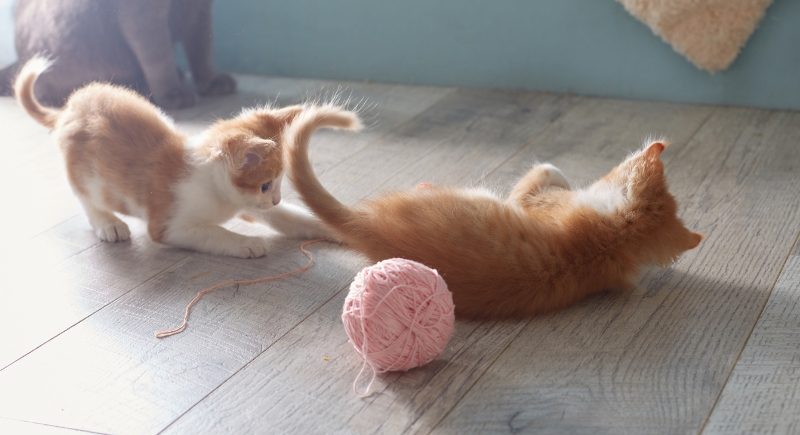
Image via Canva/Tatiana Kutina
Colleen’s behavior reflected what shelters see every day. Social kittens do better with companionship. Having another kitten reduces stress, supports healthy play, and helps them adjust to new homes. Staff explain this to adopters as a welfare issue, not a preference. Two kittens keep each other engaged and burn off energy together. After Pedro left, Colleen stayed outgoing and continued seeking contact, showing both resilience and sociability.
The image of their paws touching stood out because it was simple and genuine. It showed connection without exaggeration. For shelter workers, moments like this highlight why small behaviors matter. Colleen remained available for adoption, fully vaccinated, spayed, and social. Staff continued encouraging adopters to consider pairing her with another kitten.