Signs Your Cat Is Bored and How to Fix It
Cats are built for stimulation, even when they spend most of their lives indoors. Hunting instincts, curiosity, and routines all need somewhere to go, and when those needs stall, boredom shows up. These signs don’t mean something is “wrong” with your cat, but they do hint that daily life has gotten a little too flat.
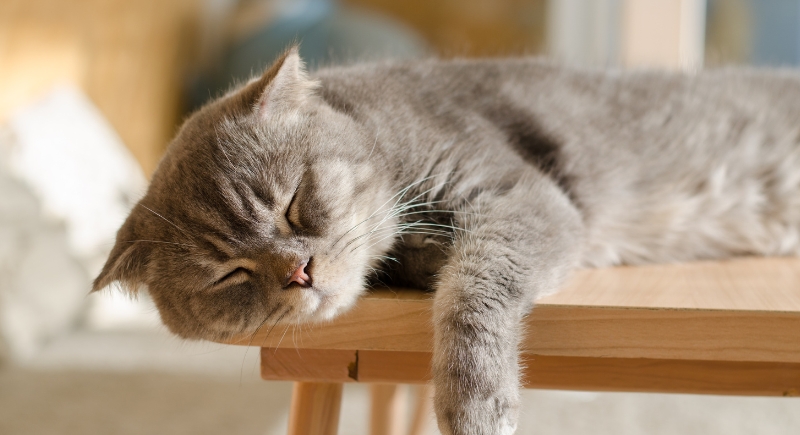
Excessive Sleeping During Waking Hours
Credit: Getty Images
Activity cycles matter more than total hours slept, and when a cat starts dozing through dawn or evening, it usually means those windows no longer offer anything worth staying awake for. Short bursts of interaction during those times, even five minutes, can re-anchor energy patterns and restore clearer separation between rest and engagement.
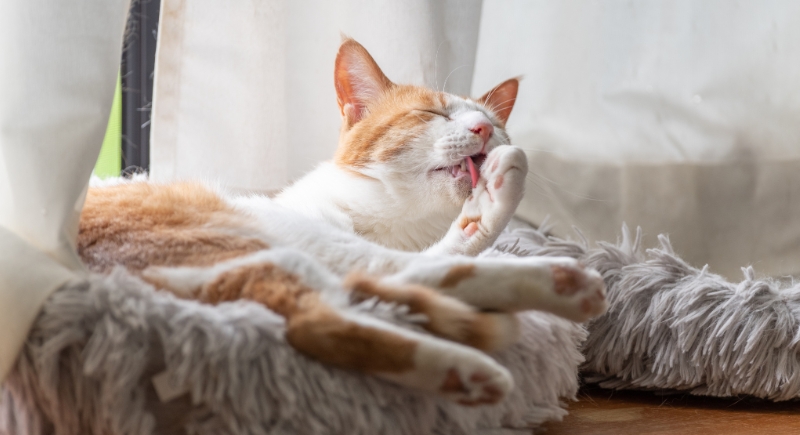
Overgrooming That Leaves Thin Patches
Credit: Getty Images
Repetitive grooming often fills mental downtime rather than addressing cleanliness. Once the behavior settles in, it becomes automatic, so shifting daily routines to include food-based challenges or brief problem-solving tasks gives that restless focus somewhere else to land. Doing so can quietly reduce the need for self-soothing behaviors without requiring direct intervention.
Sudden Interest in Knocking Things Over

Credit: Africa Images
The draw here is reaction. Noise, motion, and human reactions spark immediate stimulation. Cats in highly predictable spaces often create these moments themselves there. Redirect that curiosity toward toys designed to move, roll, or react, preserving the same reward while reducing accidental damage near shelves and counters.
Constant Meowing Without a Clear Reason

Credit: Getty Images
When a home stays quiet for much of the day, some cats start filling the space with sound. Meowing becomes less about a specific need and more about checking for connection. A loose daily rhythm helps, especially when attention comes at expected moments instead of sporadically. Without that sense of flow, vocalizing is often just a cat’s way of breaking up the silence.
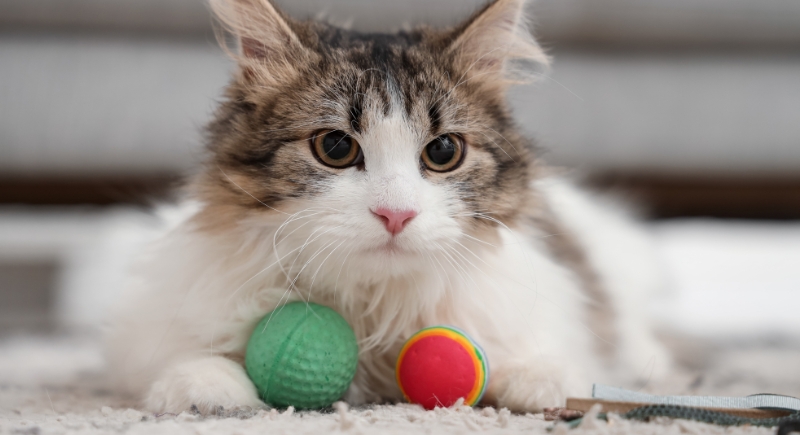
Ignoring Toys That Used to Be Favorites
Credit: pixelshot
Cats rarely lose interest in play itself. What fades is the spark when the surroundings never change. A toy that once felt exciting can start to disappear into the room after too many identical days. Small shifts are often enough to bring curiosity back, because when everything feels predictable, play stops standing out at all.
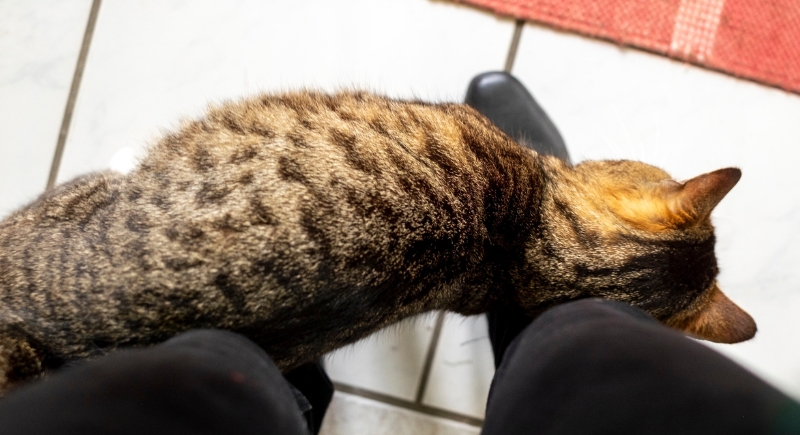
Chasing Feet or Ambushing Ankles
Credit Aflo Images
Fast-moving feet trigger the same instincts as small prey, especially when a cat hasn’t had a chance to stalk or chase earlier in the day. Structured play that mimics hunting often reduces these ambushes, but the behavior itself usually signals unused drive rather than aggression.
Eating More Without Weight Stability
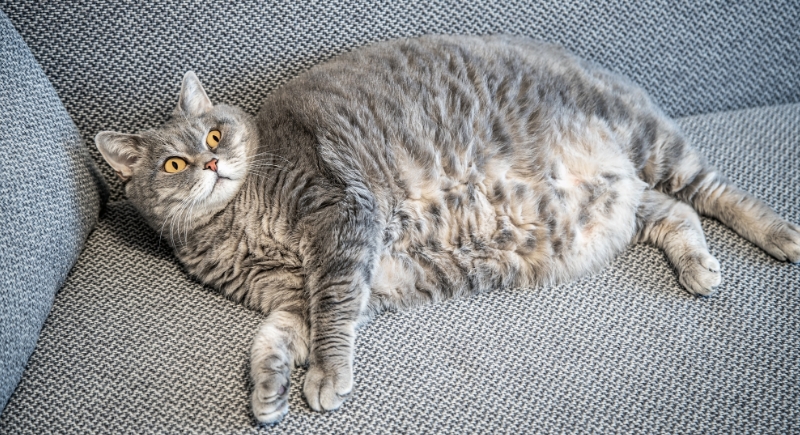
Credit: Getty Images
Food can quietly become a form of stimulation when the day lacks variety. Some cats revisit the bowl out of habit, not hunger. Slowing down meals with puzzles or scatter-feeding changes the experience. Yet, the underlying issue often shows how limited the rest of the environment feels.
Scratching Furniture More Than Usual

Credit: Canva
Scratching ramps up when tension builds or routines begin to feel dull. Providing posts near favored resting spots helps redirect the behavior, but location matters because scratching reflects both emotional ownership and physical need. Furniture often gets targeted simply because it sits where the cat already feels anchored.
Restlessness Without Clear Play Interest
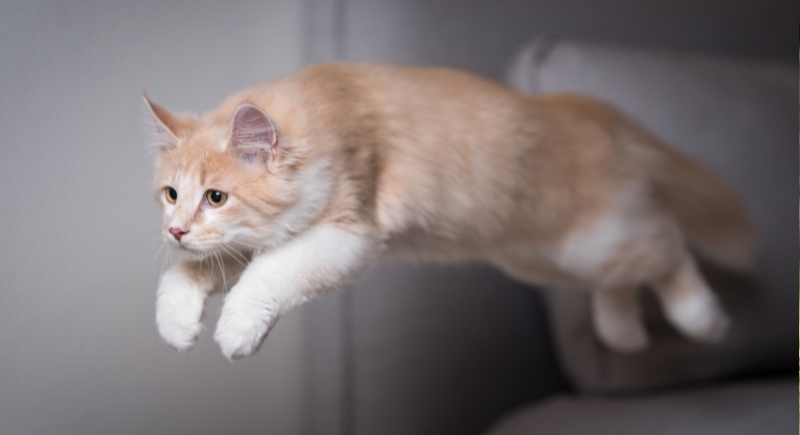
Credit: Getty Images
Restless pacing and constant spot-switching tend to show up when a cat’s environment feels too static. Adding visual variety, like a window perch or a change in room access, often settles that behavior even when toys are ignored. The movement usually signals a search for stimulation rather than excess energy.
Litter Box Changes With No Medical Cause
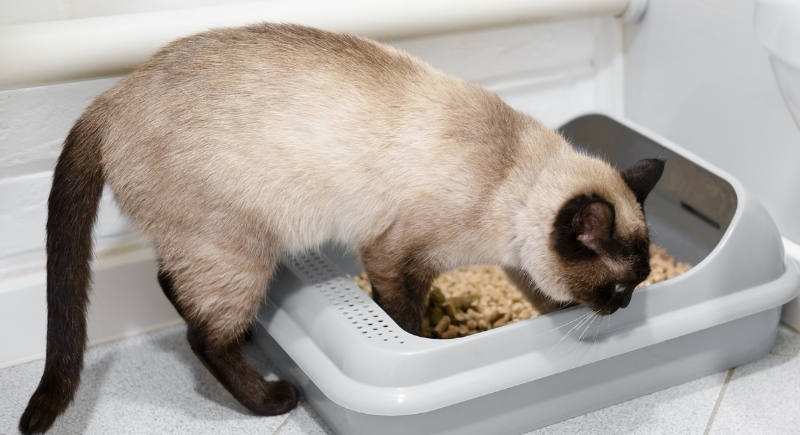
Credit: Canva
Once health issues are ruled out, low-level stress can cause shifts in litter box usage. Behaviorists note that environmental frustration may contribute to inappropriate elimination; therefore, increasing daily engagement and restoring predictable routines can help alleviate this pressure. However, the behavior itself tends to reflect broader discomfort rather than dissatisfaction with the box alone.