Facts About Sloths That Will Make You Envious
Sloths appear to have life figured out, and once the details are revealed, being envious makes sense. These tree-dwelling mammals have survived for millions of years by doing things their own way, and that way happens to look pretty relaxing. Behind the sleepy faces and slow-motion movements are facts that make their lifestyle feel oddly aspirational. These interesting facts about sloths are bound to make any busy human pause and sigh.
There Are Two Very Different Kinds
Credit: Getty Images
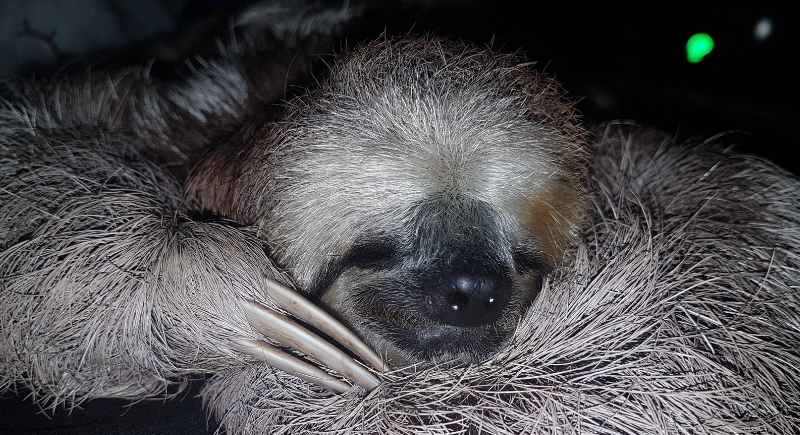
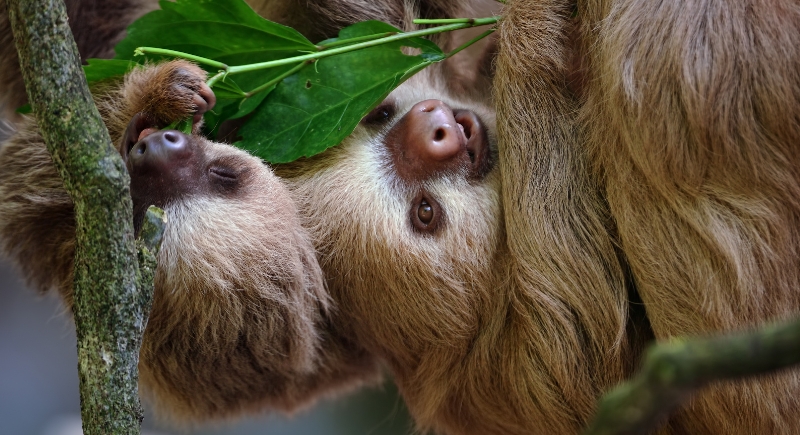
Sloths are classified into two main groups, which can be distinguished by the number of claws. Two-toed sloths have two long claws on their front limbs and tend to be slightly larger. Three-toed sloths have three claws on all four limbs and a very different family tree. Altogether, six species live in the tropical rainforests of Central America and South America.
Their Stomachs Are Basically Time Machines
Credit: Getty Images
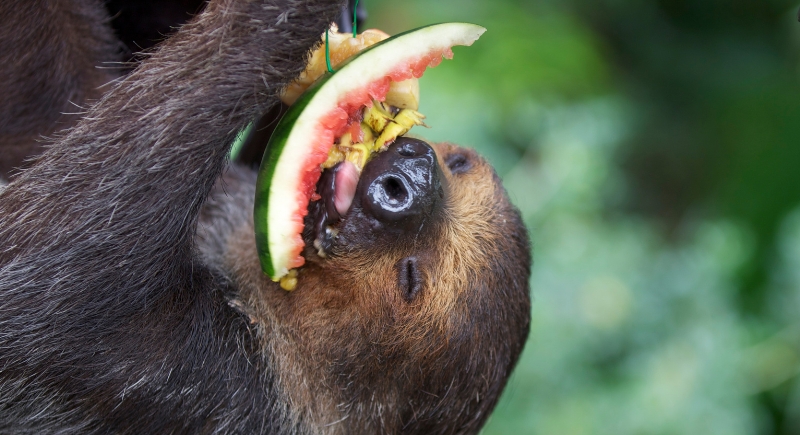
Digestion for a sloth is a slow commitment rather than a quick task. Leaves, fruit, and sap sit in a multi-chambered stomach that can hold up to 37% of body weight at one time. Food can take days or weeks to fully break down.
Trees Are Home in Every Way That Matters
Credit: Getty Images
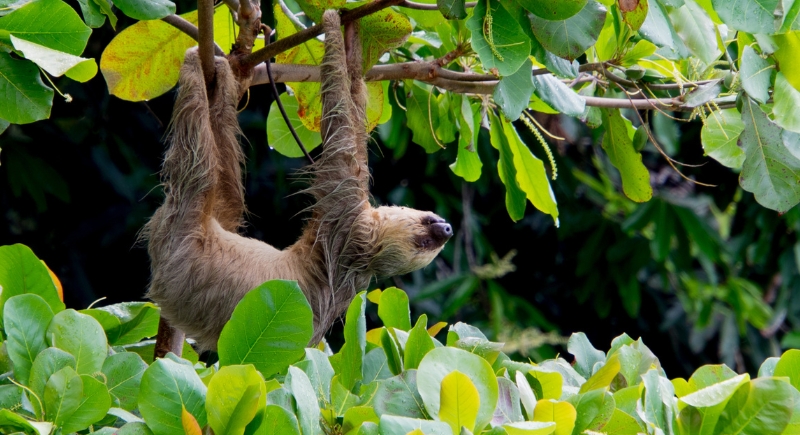
Life happens upside down for sloths, including sleeping, eating, mating, and giving birth. Their long, curved claws lock onto branches with little effort and allow them to hang without burning much energy. Descending to the forest floor is rare and risky, which is why staying aloft is the default setting.
Bathroom Trips Are a Weekly Event

Credit: Getty Images
A sloth heads to the ground about once a week for bathroom business: during that single visit, up to 20% to 30% of body weight can be released at once. The ritual is slow, despite exposing the animal to predators.
Water Turns Them Into Speedsters

Credit: iStockphoto
On land, sloths crawl at about 4 meters per minute. In water, their movement changes significantly, with swimming speeds reaching approximately three times the speed of ground travel. The preferred style is a breaststroke- or dog–paddle–like motion.
Being Slow Is a Survival Trick
Credit: Getty Images
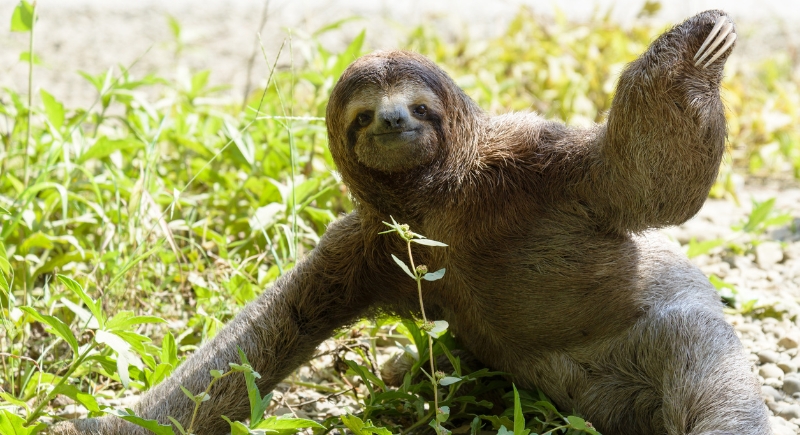
Motionless hanging helps sloths avoid attention from predators that hunt by movement. Their low-energy diet demands a low-energy lifestyle. Sleeping takes up about 8 to 10 hours a day in the wild.
Their Family History Is Wildly Intense
Credit: Getty Images
Modern sloths have ancestors that looked nothing like today’s calm tree residents. Ancient ground sloths, such as Megatherium, stood up to 6 meters tall and weighed 3 to 4 metric tons. Fossil evidence suggests these giants were aggressive and lived on the ground.
Fur That Hosts an Entire Community
Credit: pexels
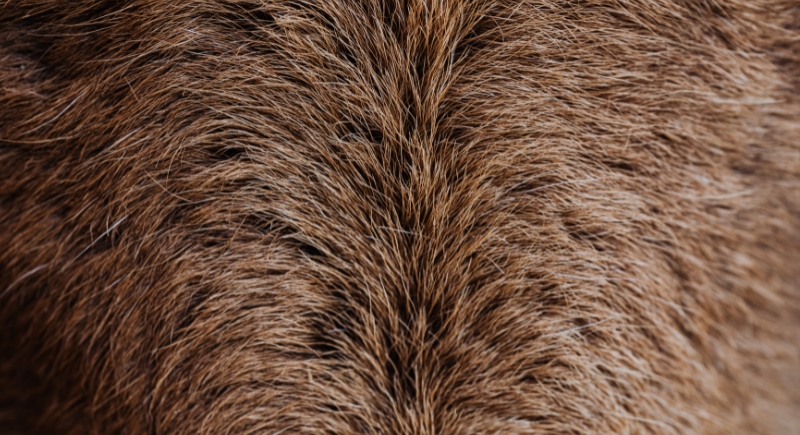
A sloth’s coat is home to algae, insects, and microbes that thrive in the grooves of each hair strand. Green algae adds nutrients while tinting the fur for camouflage. Certain moth species rely on sloths for their entire life cycle.
Necks With an Impressive Twist
Credit: Getty Images
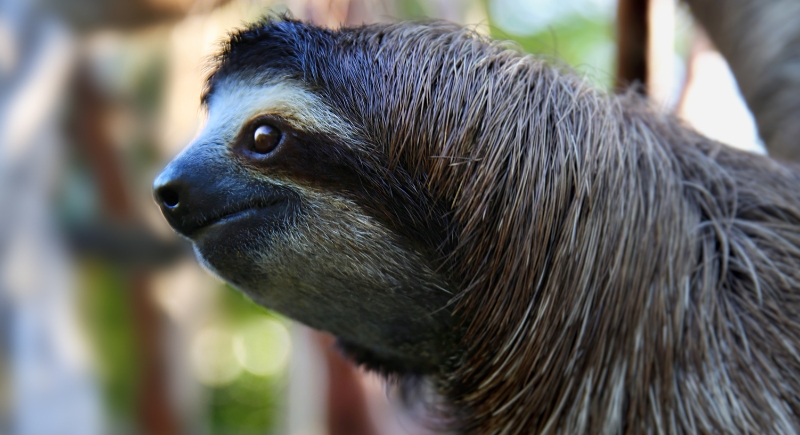
Three-toed sloths can rotate their heads up to about 270 degrees. This flexibility enables them to scan their surroundings without having to shift their bodies. Staying still while staying alert keeps energy use low and safety levels higher.
They Are Losing Ground Despite the Calm Vibes
Credit: Getty Images
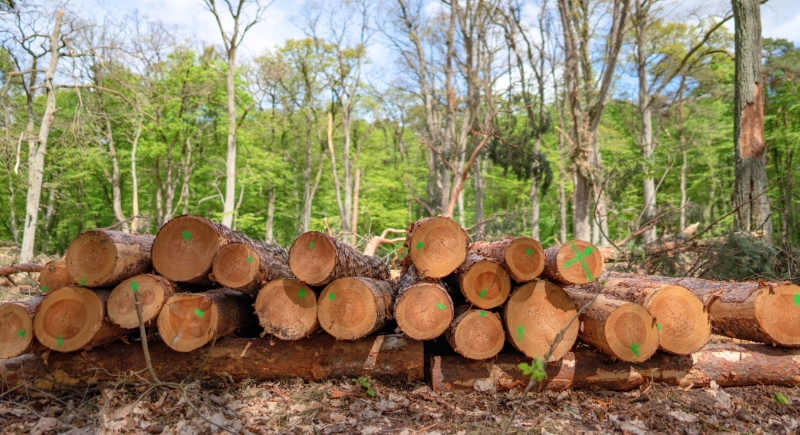
Deforestation poses a significant threat to sloths, which depend on healthy rainforests for their survival. Habitat loss in places like Colombia and Brazil’s Atlantic Forest has already caused population declines. Even species listed as Least Concern remain vulnerable when trees disappear at a rate faster than they can adapt.