10 Animals That Are Surprisingly Strong for Their Size
Across the animal kingdom, some of the strongest creatures are also among the smallest. They don’t rely on bulk to get things done. They use smart muscle design, efficient movement, and unusual adaptations.
These animals show how force can come in unexpected forms.
Dung Beetle
Credit: Getty Images
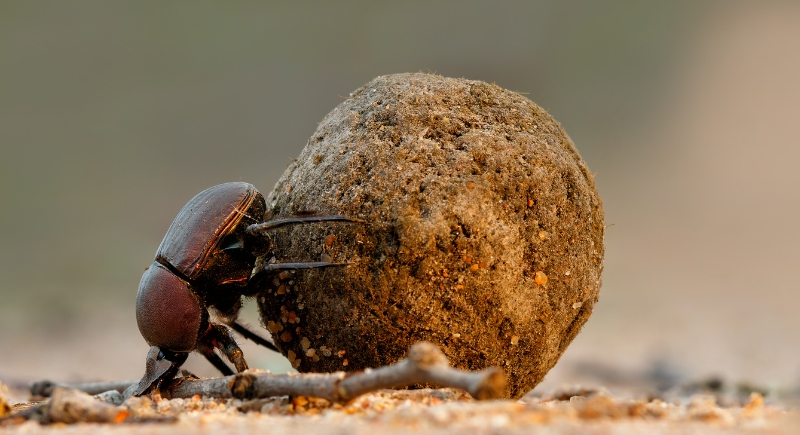
In the bug world, dung beetles are the ultimate haulers. According to entomological studies, some species can move more than a thousand times their weight. They use this strength to roll dung across long distances, often through rough terrain, to bury it for feeding or reproduction.
Snapping Shrimp
Credit: Getty Images
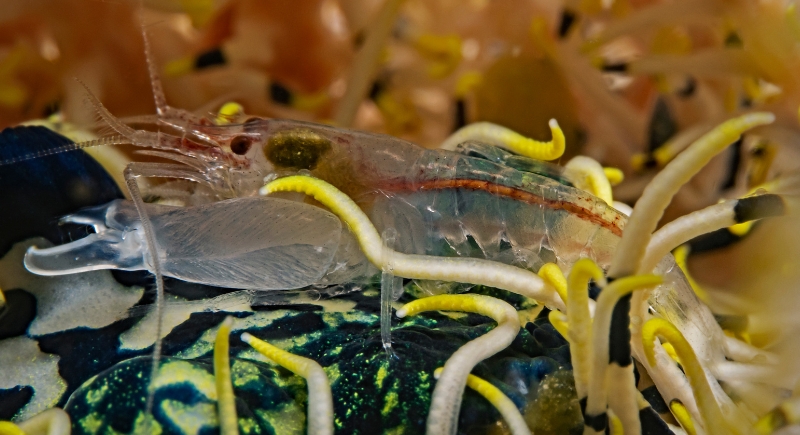
At first glance, this creature is just a shrimp with a big claw. But that claw moves so fast that it generates a bubble reaching about 200 decibels. The implosion stuns or kills nearby prey. Its claw weaponizes pressure and heat. This shrimp uses raw physical motion to create one of nature’s loudest underwater sounds.
Honey Badger
Credit: Canva
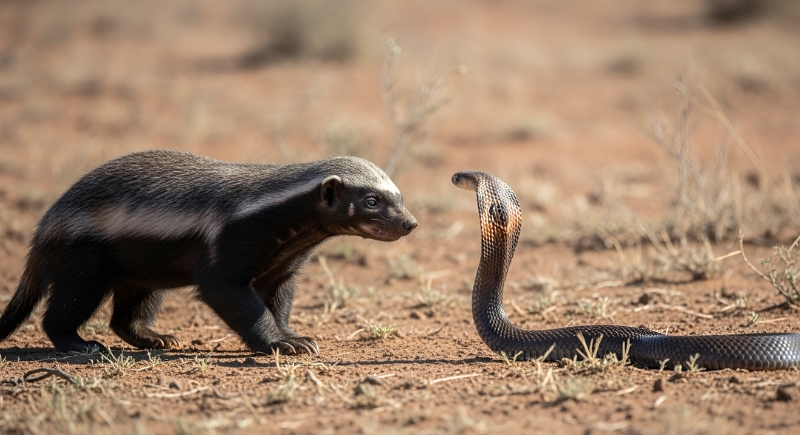
Honey badgers weigh as little as 25 pounds but routinely fight off animals many times their size. Field observations and wildlife footage document their use of strength and aggression. Their strong limbs and loose skin help them dig quickly and twist free from predators’ bites during fights.
Leafcutter Ant
Credit: Getty Images
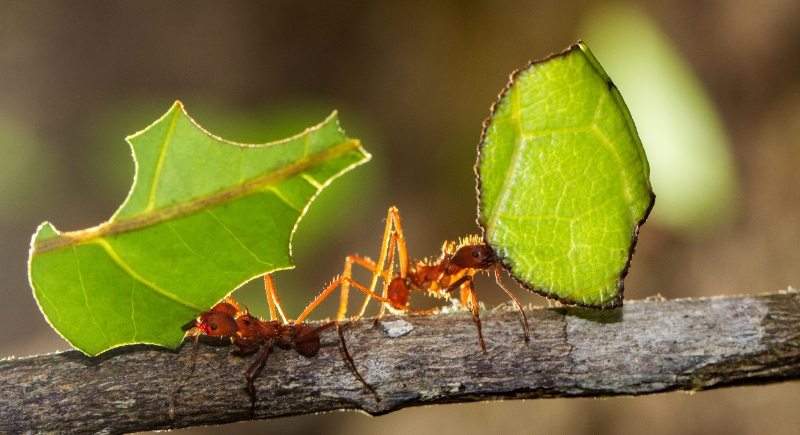
Leafcutter ants walk in long lines, each carrying chunks of leaves that look oversized next to their tiny bodies. But there’s more going on here. They’re transporting material to grow a fungus that feeds the whole colony. Strong jaws and teamwork turn these ants into tireless builders and farmers rolled into one.
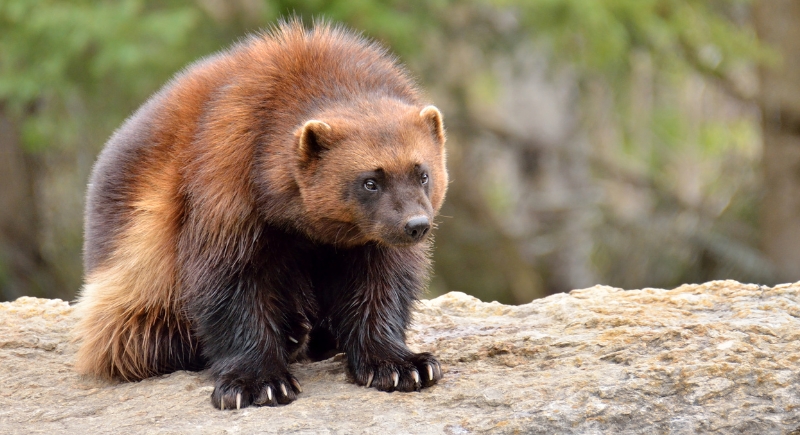
Wolverine
Credit: Getty Images
Wolverines don’t hunt like wolves or cats. When food is scarce, they’ll drag entire carcasses up slopes or across snowbanks, sometimes more than twice their weight. Their muscles are compact, built for endurance, and adapted to handle rough terrain.
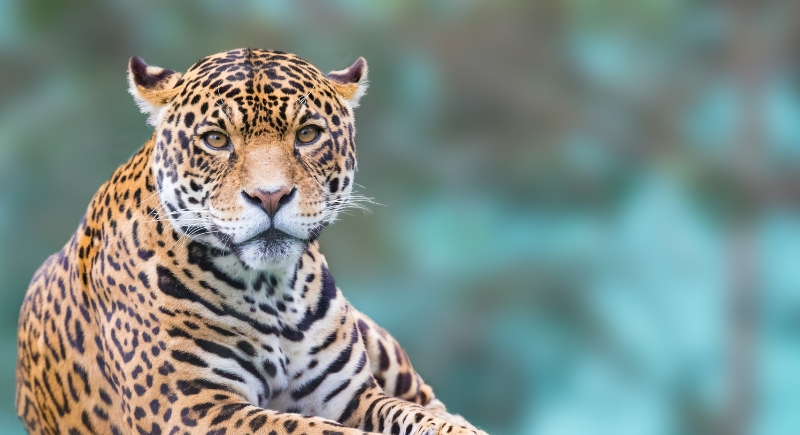
Jaguar
Credit: Getty Images
A jaguar’s bite can crack a tortoise shell clean through. It uses targeted power, concentrated in a stocky skull and thick jaws. They weigh far less than lions or tigers, but their ambush strategy and raw bite strength make them one of the most efficient predators alive.
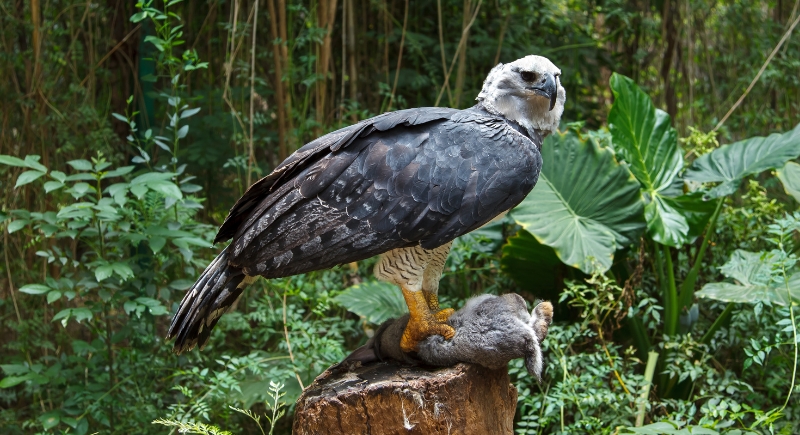
Harpy Eagle
Credit: Getty Images
Their wingspan may not break records, but harpy eagles have legs thicker than many raptors and claws as long as grizzly bear talons. In fact, their legs match the diameter of a child’s wrist, and their talons exert enough pressure to lift monkeys and sloths straight from trees. In terms of aerial lifting power, no other bird comes close.
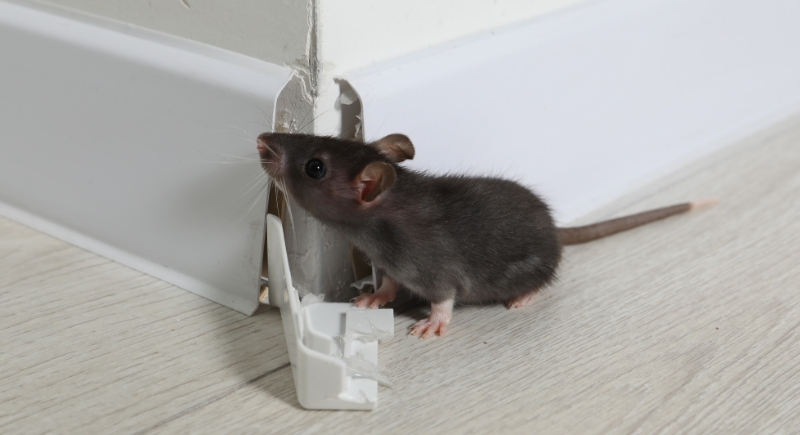
Rats
Credit: Africa Images
Rats chew through materials such as aluminum, wood, plastic, brick, and even weaker concrete, due to their extremely hard enamel and a bite force of around 7,000 psi. Their teeth grow continuously and remain sharp enough to cut through materials most animals can’t touch. This physical ability, backed by anatomical research, makes them extraordinarily durable and difficult to keep out of human spaces.
Electric Eel
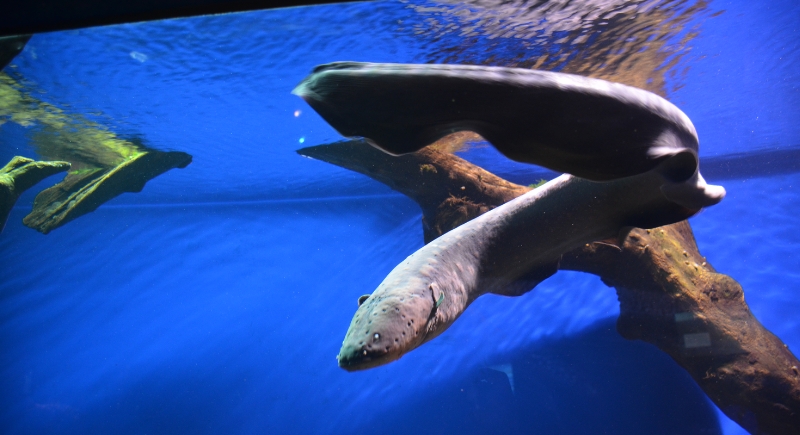
Credit: Wikimedia Commons
Electric eels release shocks of up to 600 volts to hunt or defend themselves against predators. They generate electricity using stacked cells called electrocytes, which activate in a wave-like pattern. The stored chemical energy converted into electric power temporarily disables targets.
Octopus
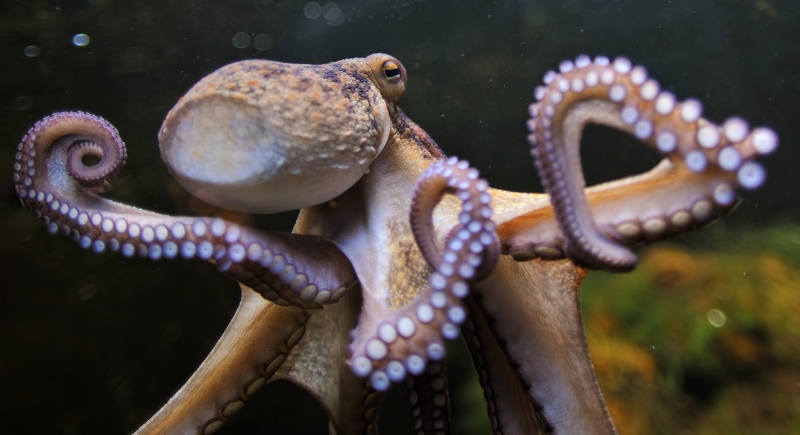
Credit: Getty Images
Octopuses have no bones, but their limbs work with surprising coordination. They’ve opened jars from the inside and lifted weights many times their own body mass. Each arm is equipped with hundreds of suckers that grip and release with precise timing.