The Top 9 Small Exotic Pets Suitable for Apartment Living
Small spaces do not rule out having a memorable pet, as many small exotic pets thrive indoors and stay quiet enough to live with shared walls. These animals rely on compact enclosures instead of yards. Laws vary by location, so legality always matters, but these creatures consistently rank among the best fits for apartment living.
Rabbits
Credit: Canva
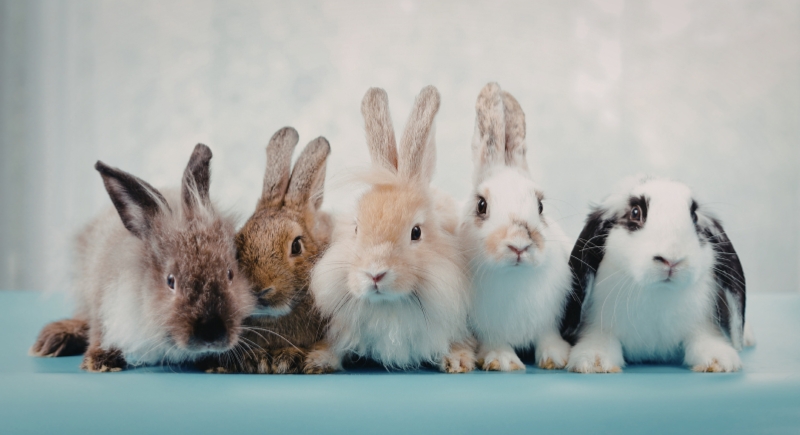
Some apartments allow rabbits because they stay quiet and can be litter-box trained. Domesticated rabbits come in roughly 50 breeds, with adult sizes ranging from 2 to 16 pounds. Indoor exercise works well when floors are protected and cords are secured. Chewing and digging are instinctive, so basic bunny-proofing is necessary. Many owners allow supervised free roaming to support daily movement.
Ferrets
Credit: Africa Images
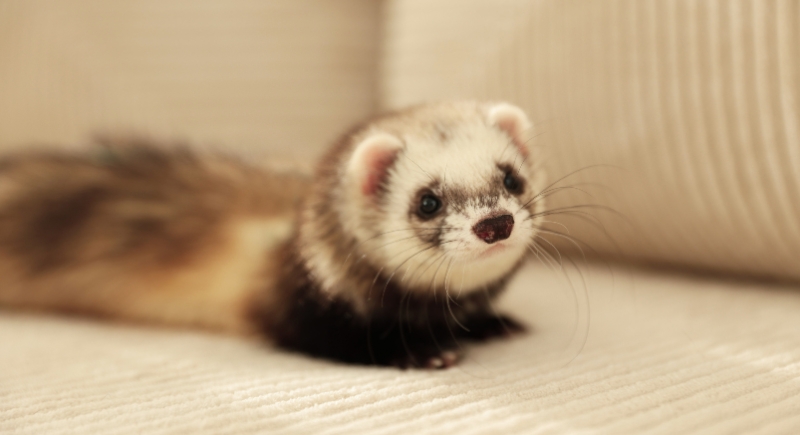
This small mammal sleeps through much of the day, which aligns with standard work schedules. A large cage supports their active bursts of play, as they can usually reach 13 to 16 inches long and weigh under 5 pounds as adults. Curious behavior leads them into tight spaces, so blocked vents and sealed appliances matter. Some states require permits for ownership.
Rats
Credit: pixabay
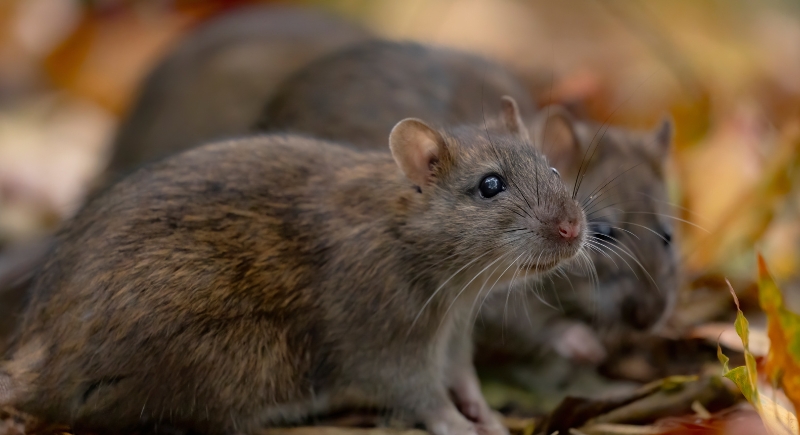
Domestic rats, typically weighing up to 2 pounds in adulthood, show high intelligence and social behavior. A cage size of about 2 cubic feet per rat supports comfort and movement, with many of them tolerating handling well and sitting on shoulders or laps. Night activity dominates their schedule, though they wake easily for interaction.
Frogs
Credit: Getty Images
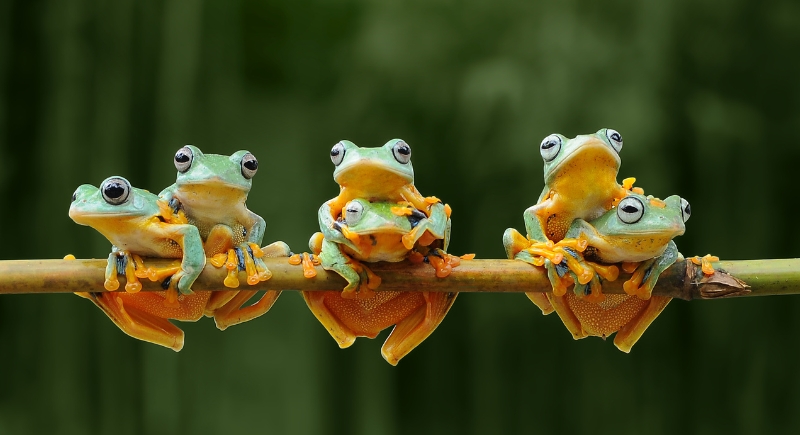
If you’re into amphibians, many frog species thrive in compact tanks ranging from 10 to 20 gallons. Feeding usually happens a few times per week. These animals work best as display pets rather than handling companions. Some male frogs vocalize, though their calls rarely disturb neighbors. Species choice affects humidity and water needs.
Guinea Pigs

Credit: Getty Images
Floor space matters more than height for guinea pigs, with about 7 to 8 square feet recommended. Adults usually weigh between 1.5 and 2.5 pounds. These animals vocalize with short wheek sounds that stay quiet enough for shared walls. Daily social time improves temperament, but wire protection matters during supervised roaming.
Hamsters
Credit: pexels
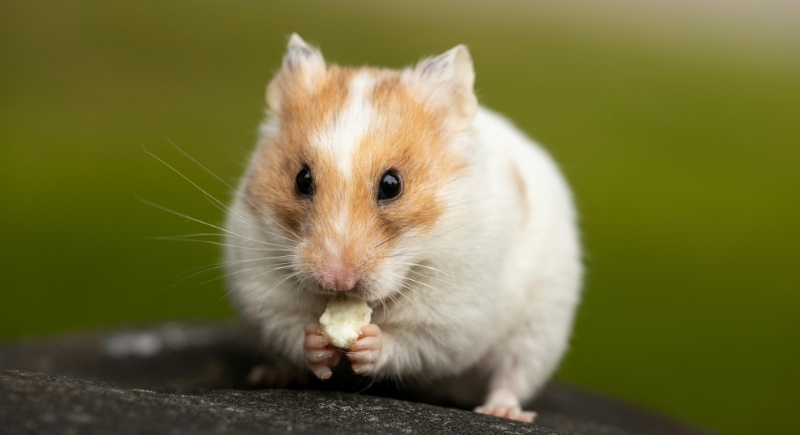
Their small size makes hamsters among the most widely accepted pets in apartments. Many leases that ban cats or dogs still allow them. Shedding is minimal, which helps people with allergies, while regular handling supports calm behavior. On top of that, most hamsters require only about 2 cubic feet of space, including a wheel and hiding areas.
Hedgehogs
Credit: Canva
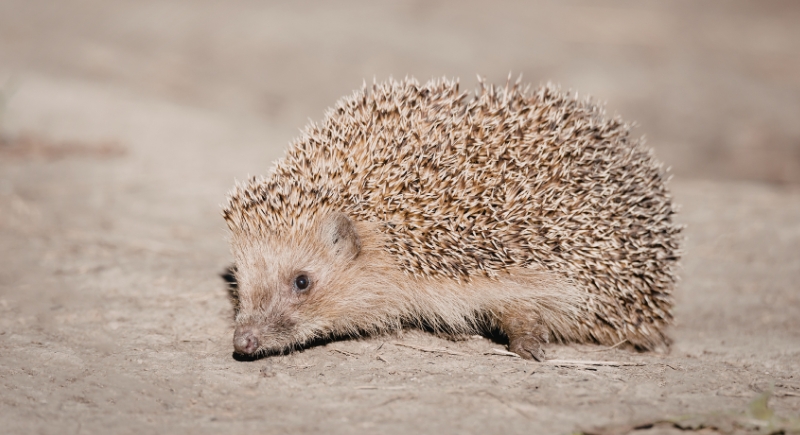
Low dander and subtle habits make hedgehogs compatible with small apartments. After all, who wouldn’t want less clean-up? Most adults weigh under 3 pounds and remain active at night. A 2-foot-by-3-foot enclosure meets the space needs. Solitary behavior means they do well on their own. Legal restrictions vary by state and city.
Hermit Crabs
Credit: Getty Images
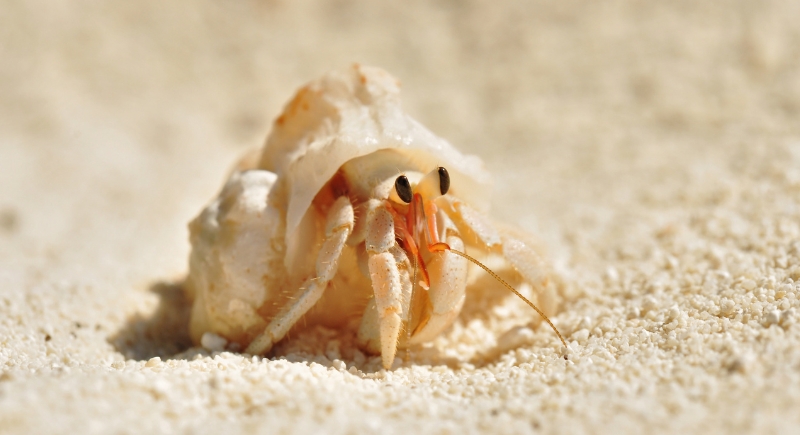
Silence and low allergen output suit shared buildings, and most hermit crabs can live comfortably in 10- to 20-gallon tanks with humidity control. Social behavior improves when housed with companions. Shell swapping provides natural enrichment, as maintenance focuses on substrate moisture and shell availability.
Chinchillas
Credit: Getty Images
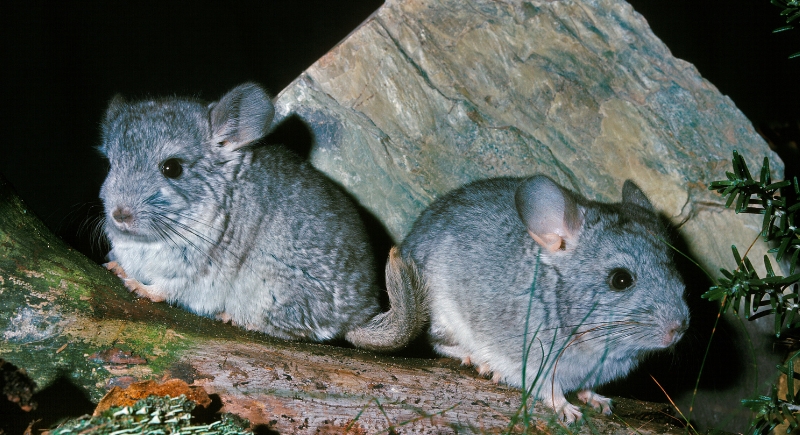
For pet owners who work during the day, chinchillas are the perfect companions because they are nocturnal. Their dense fur stays clean and odor-free, which helps in tight living spaces. Moreover, adults usually weigh between 1 and 3 pounds, so a cage measuring at least 2 feet by 2 feet allows jumping and climbing. Gentle handling from a young age supports bonding, too.