Tips for Raising a Healthier and Happier Pet in 2026
Apart from food and shelter, pets depend on our daily choices to stay healthy, safe, and mentally balanced. In 2026, veterinary care is shifting from a focus on reacting to illness to one of identifying changes early. That means looking closely at small routines: how they eat, play, and respond to the world around them.
New data show that subtle behavioral shifts and changes in health can reveal a great deal, if we’re paying attention. These tips reflect current veterinary advice and are designed to help you identify issues before they become more severe.
Schedule a Comprehensive Wellness Exam

Credit: Getty Images
Veterinarians look for subtle changes in organ function, mobility, and oral health before symptoms appear. These yearly checkups often include lab work and physical exams that establish a health baseline. That makes it easier to spot when something’s off, even if your pet seems perfectly fine at home.
Measure Food Accurately at Every Meal

Credit: Getty Images
It’s easier than you think to overfeed a pet by a few tablespoons. Even small overages can add up and lead to joint problems, weight gain, or insulin resistance. Stick to a standard measuring cup or a digital scale to portion meals according to your pet’s age, size, and activity level.
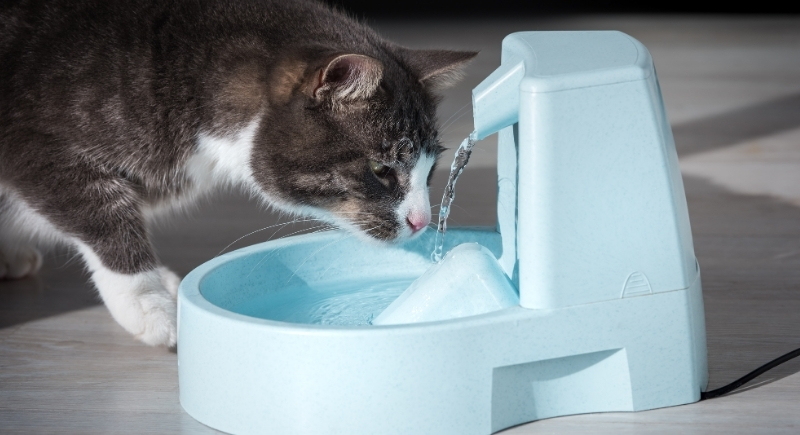
Ensure Continuous Access to Clean Water
Credit: Getty Images
Pets don’t always let you know they’re thirsty. Low water intake can stress the kidneys and slow digestion. Swap the water daily and clean the bowl to stop mold or bacteria buildup. For cats, who are often picky, consider a drinking fountain to encourage more consistent hydration.
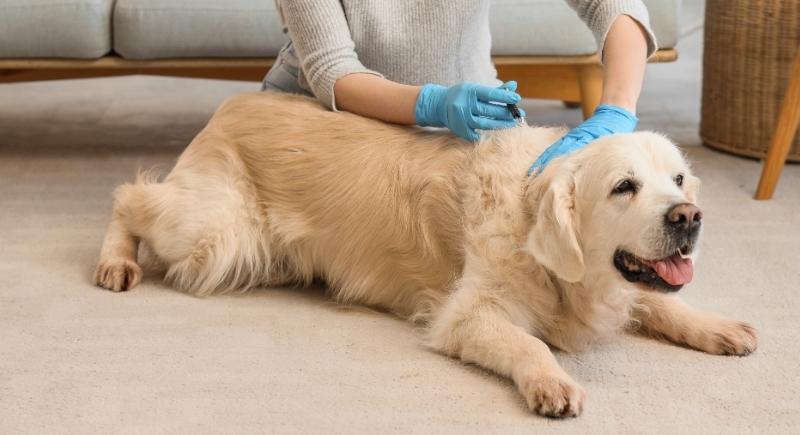
Maintain Year-Round Parasite Protection
Credit: Canva
Ticks, fleas, and mosquitoes can transmit serious diseases, including Lyme and heartworm. Warmer winters have extended tick season in many areas. Monthly preventives are recommended year-round, not just during warm months. Check your pet’s body after outdoor activity, especially around the ears, toes, and collar, where ticks may hide.
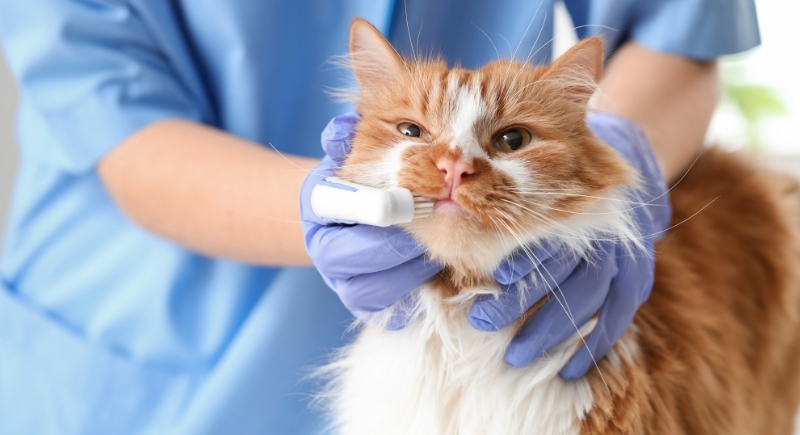
Brush Teeth Frequently to Prevent Disease
Credit: Canva
According to the American Veterinary Medical Association, most pets exhibit signs of dental disease by the age of three. Left untreated, this can affect the heart, kidneys, and liver. Daily brushing is the most effective at-home care. Look for signs such as bad breath, drooling, or changes in eating habits, and schedule dental cleanings as needed.
Replace Food Bowls With Puzzle Feeders

Credit: Getty Images
Some pets inhale their meals in seconds. That can lead to indigestion or bloating, especially in larger breeds. Puzzle feeders make eating more interactive and slow down the process. They also serve as mental exercises, which can help ease anxiety and reduce attention-seeking behavior throughout the day.
Use Grooming to Check for Physical Changes

Credit: Canva
Brushing isn’t just for hair control. It’s one of the easiest ways to check for physical changes. Feel for new lumps or bumps, look for skin issues, and ensure your nails aren’t growing too long. Regular grooming helps detect infections or parasites early, especially in long-haired or older pets.
Observe Behavior for Early Health Clues

Credit: Canva
A pet that suddenly stops jumping on the couch or starts sleeping in a corner might be hurting. Shifts in social behavior, eating, or posture are often the first clues that something’s wrong. Keep a note of changes and bring them up during wellness checks, even if they seem minor.
Anchor Daily Life Around Predictable Cues

Credit: Canva
Consistency helps pets manage stress. Feeding, walks, play, and rest should happen on a steady schedule. Avoid abrupt changes in routine when possible, and use the same verbal cues for basic commands. This reduces anxiety and enhances your pet’s ability to adapt to new experiences.
Microchip and Keep Information Updated

Credit: Getty Images
A microchip is a permanent ID that increases the likelihood of recovering a lost pet. Dogs with microchips are more than twice as likely to be returned, and cats are more than twenty times as likely, according to AVMA data. Verify that your registration details are correct and update them when your contact info changes.