Smartest Rodents on Earth That Solve Puzzles Faster Than Most Pets
Rodents are usually linked with chewed wires, subway tunnels, or lab cages. Researchers, however, came away with a very different view after spending decades studying them through mazes, memory tests, scent training, and social behavior. What they found surprised a lot of people. Some rodents can solve puzzles quickly, remember routes for months, recognize patterns, and even warn others about danger.
Rats
Credit: Wikimedia Commons
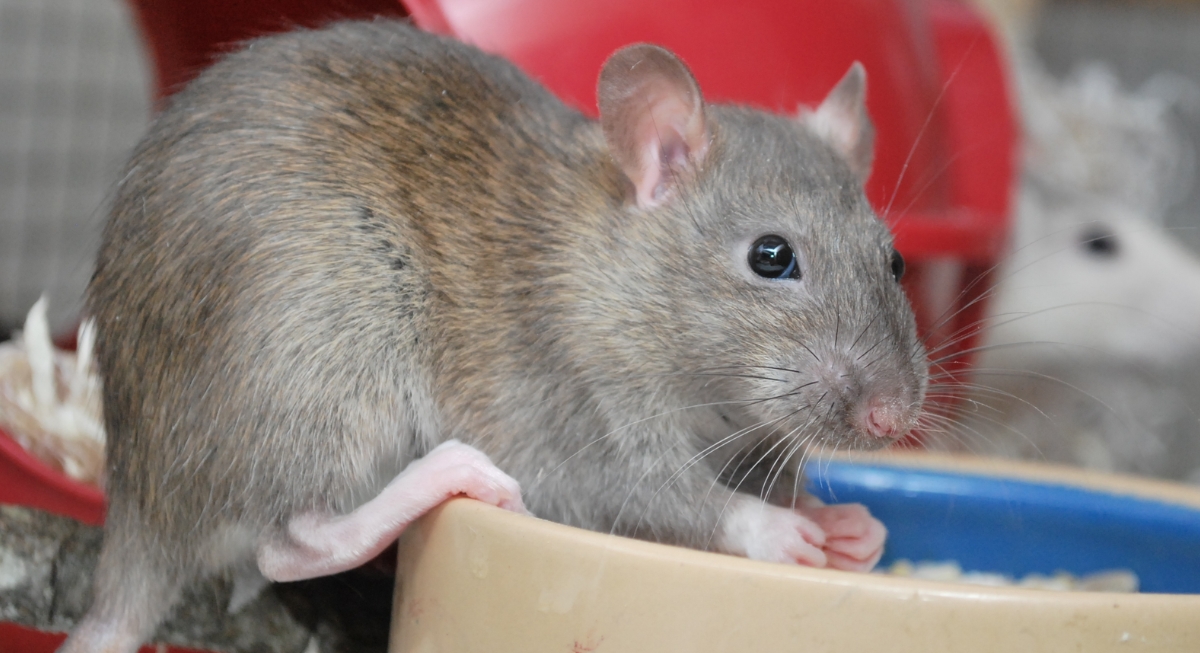
Researchers noticed that rats stopped relying on random guessing once they understood how a maze worked. Many remembered the fastest route even after pathways changed, which helped support the idea that rats mentally map spaces instead of wandering aimlessly. Studies also found that they can learn by watching other rats complete tasks first, and some even hesitate during difficult choices rather than reacting automatically.
Grey Squirrels
Credit: Wikimedia Commons
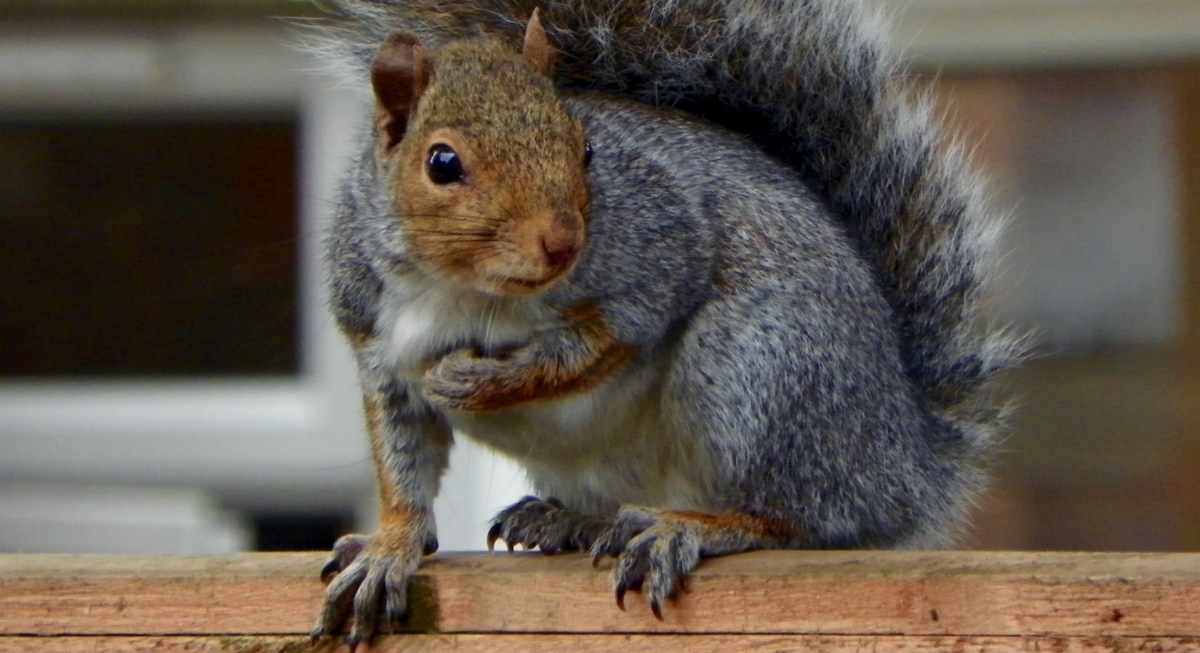
A single squirrel may hide thousands of nuts during one season, then recover many months later using spatial memory and environmental landmarks. Urban squirrels added another layer to that intelligence by adapting to bird feeders, spinning barriers, and motion-activated deterrents designed specifically to stop them. Researchers documented that squirrels changed their techniques after failed attempts. They also pretend to bury food when nearby animals are watching.
Degus
Credit: Wikimedia Commons
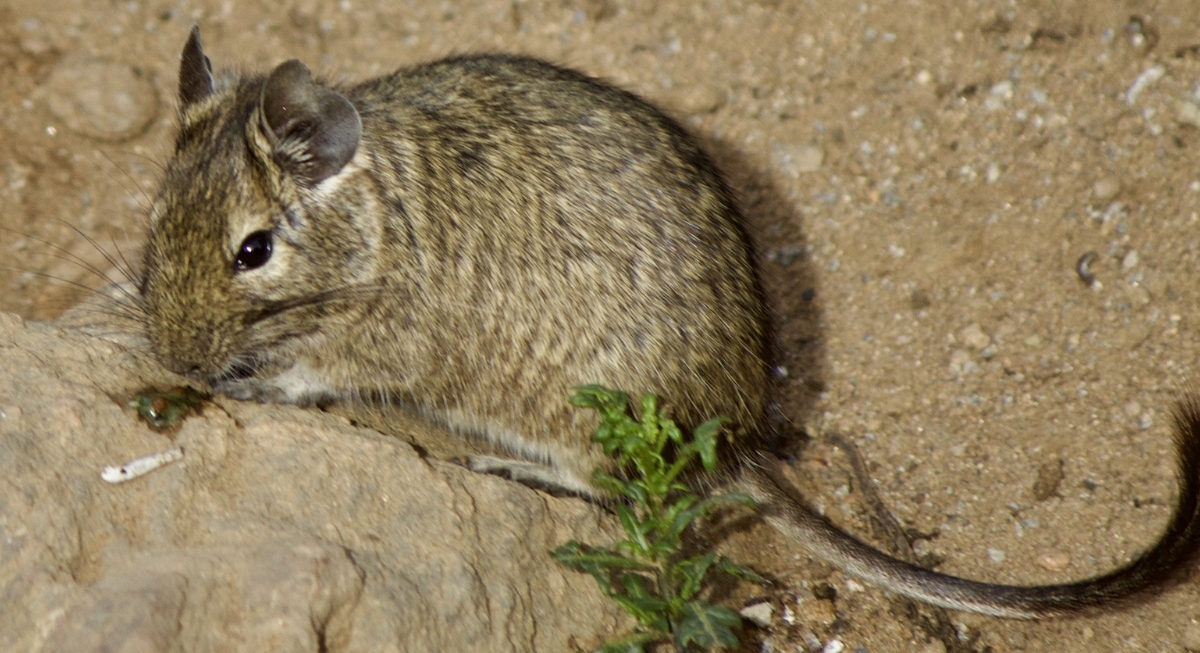
Scientists became especially interested in degus because their social behavior is far more advanced than most people expect from rodents. Native to Chile, they constantly communicate through sounds, scent marking, and group cooperation inside their colonies. Research also found that degus can recognize familiar environments and other degus for long periods. In maze studies, they quickly improve their navigation skills and adjust routes when conditions change.
Mice
Credit: Wikimedia Commons
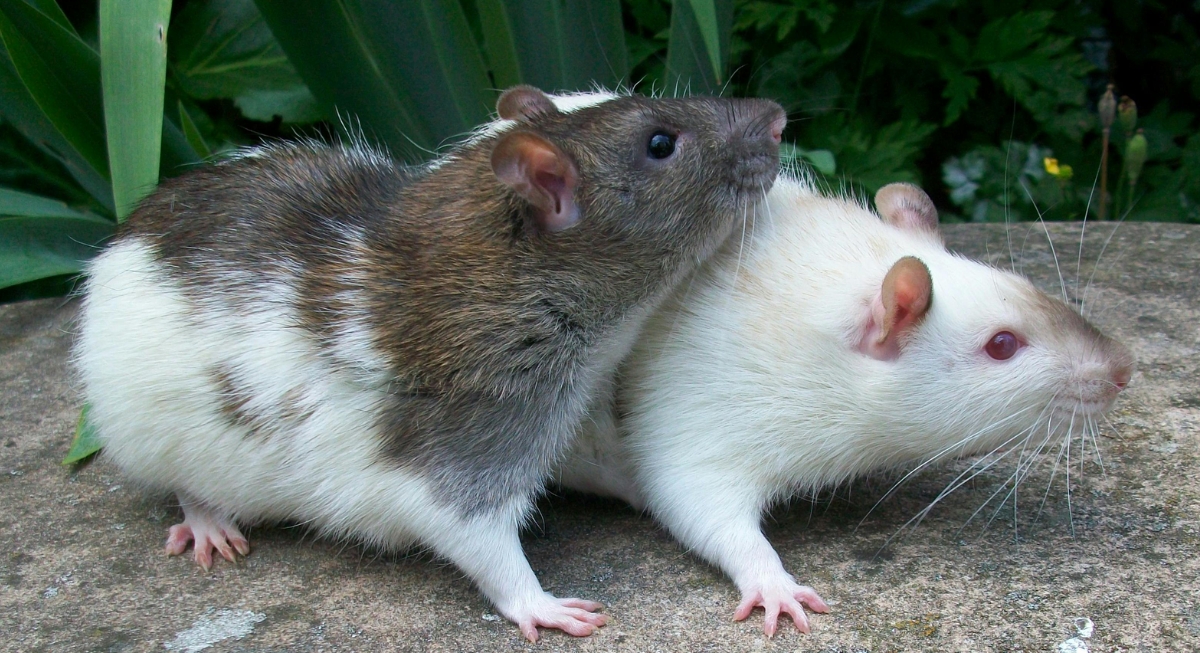
Modern neuroscience would look completely different without mice. Their role extends far beyond genetics because mice repeatedly demonstrated strong spatial learning and memory retention in controlled experiments. Wild mice add another dimension through survival behavior involving escape routes, nesting choices, and territory recognition. Certain strains perform better in navigation tasks than others, which helped scientists study inherited cognitive traits.
African Giant Pouched Rats
Credit: Facebook
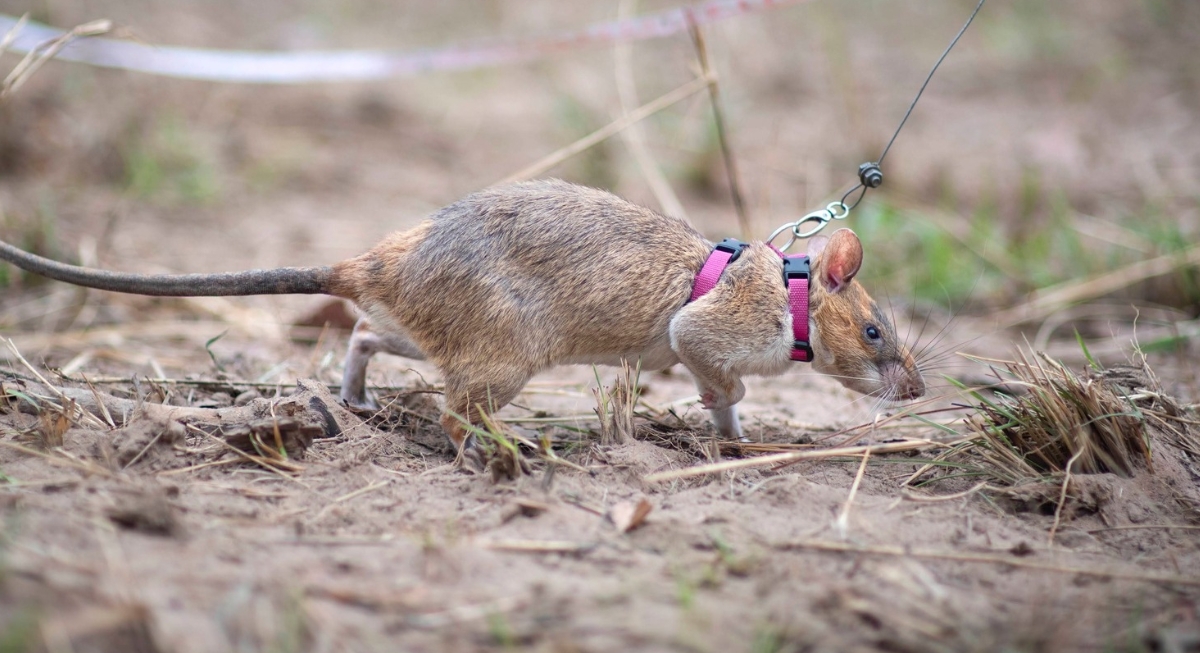
Training programs in Tanzania and Mozambique taught African giant pouched rats to identify explosive chemicals hidden underground. This enabled them to safely locate landmines across former war zones. Their light body prevents accidental detonations, but the real breakthrough involved scent discrimination and task consistency. Some rats also learned tuberculosis screening by identifying infected sputum samples significantly faster than laboratory processing in crowded clinics.
Prairie Dogs
Credit: pexels
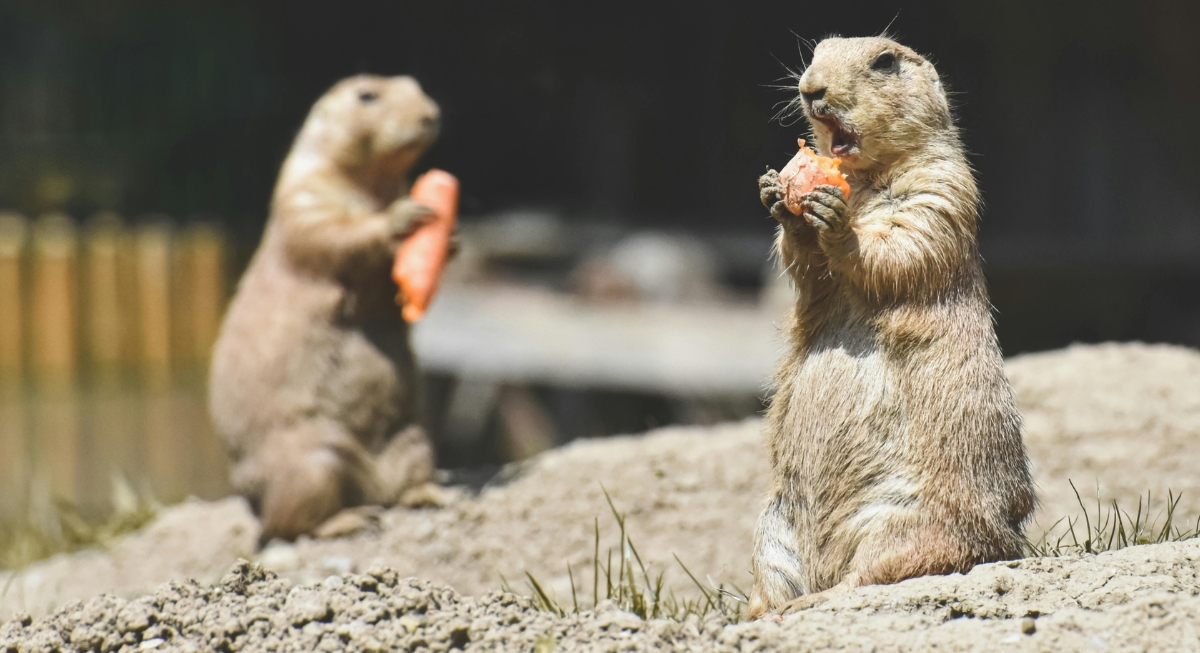
Prairie dogs surprised researchers with how detailed their warning calls can be. Different sounds alert the colony to hawks, coyotes, humans, or dogs, and some studies suggest the calls may even describe size or movement. They also live in large underground communities where certain prairie dogs act as lookouts while others search for food nearby.
Beavers
Credit: Wikimedia Commons
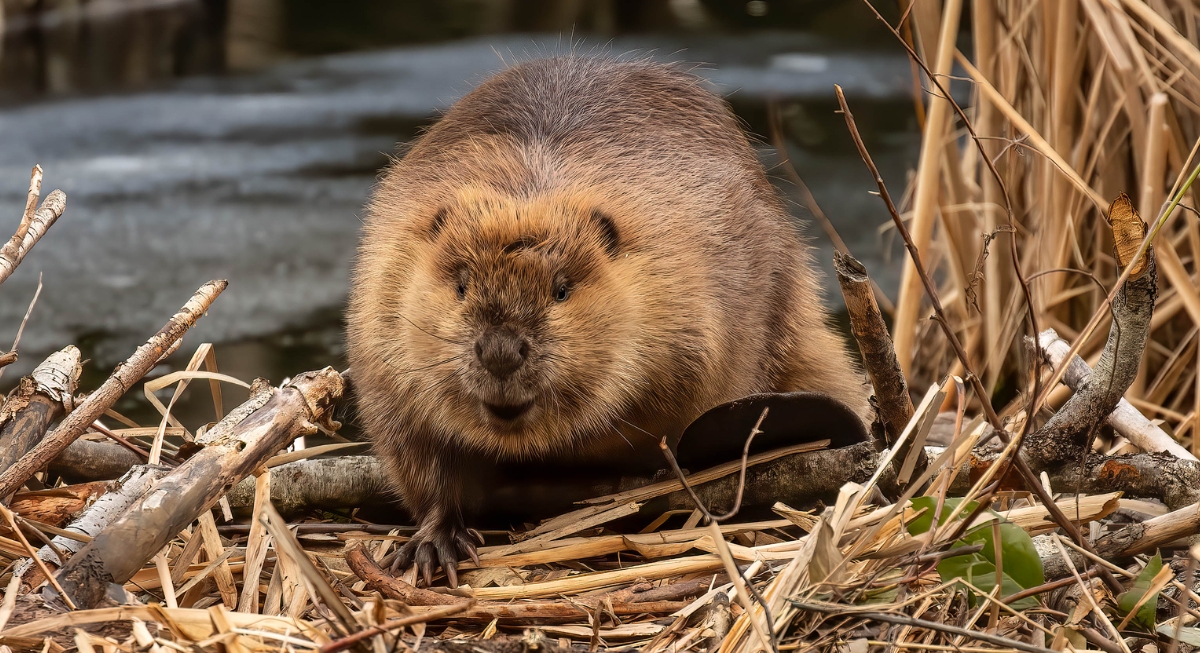
Beavers are far more calculated builders than they look. Their dams are constantly adjusted based on changes in water flow, and they will reinforce weak areas after hearing running water nearby. Over time, those structures can reshape entire wetlands and change local ecosystems. Young beavers also spend years learning construction habits while staying close to their family groups.
Deer Mice
Credit: Wikimedia Commons
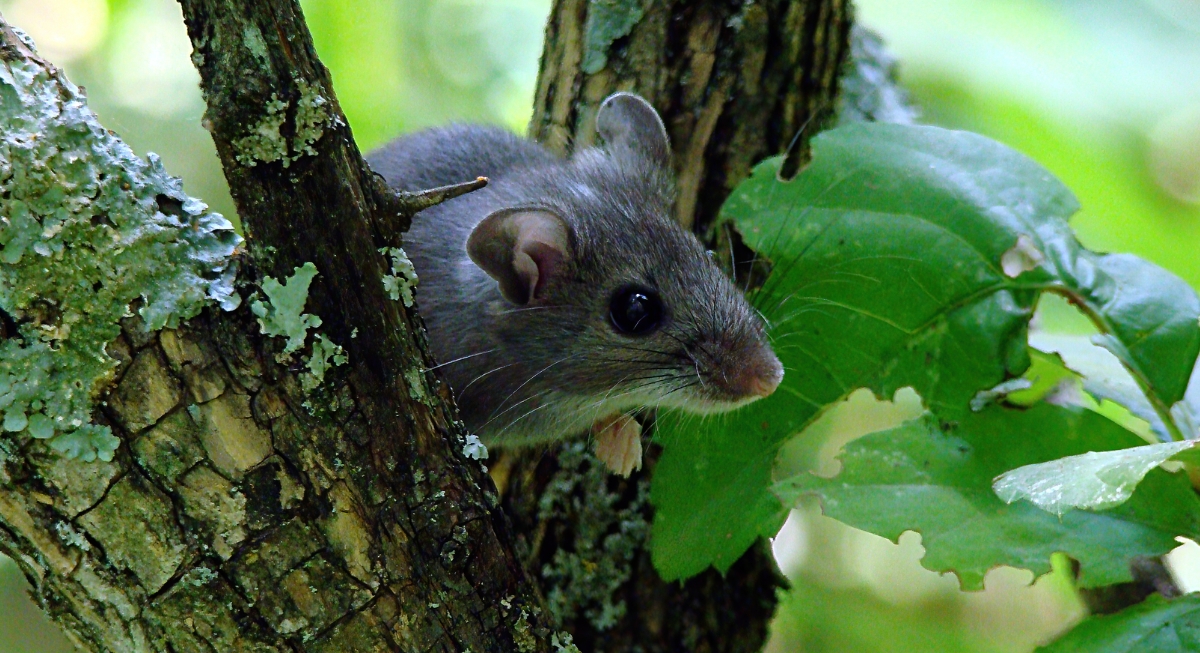
Deer mice survive by navigating large areas at night while avoiding predators across constantly changing terrain. Studies found that they rely heavily on memory, environmental cues, and directional awareness to move through forests, deserts, grasslands, and mountain regions. Their intelligence stands out because it developed through real survival pressure in unpredictable outdoor environments rather than controlled laboratory settings.
Mongolian Gerbils
Credit: Wikimedia Commons
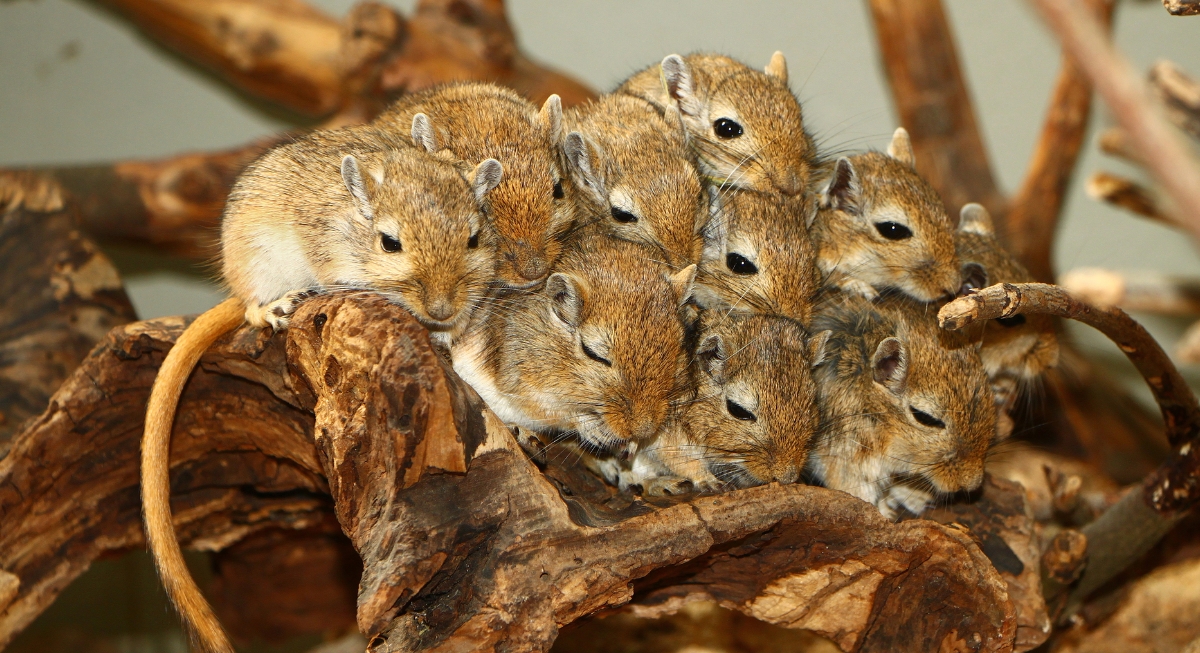
Wild Mongolian gerbils create extensive tunnel systems with nesting chambers, food storage areas, and escape routes spread beneath dry grasslands. They have been known to investigate unfamiliar objects and adapt quickly to altered enclosures. Social interaction matters heavily as well. Gerbils form bonded pairs and communicate through grooming, scent signals, and physical contact. Their problem-solving happens more during environmental exploration than formal puzzle-box performance, which separates them from heavily maze-tested rodents like rats.
Naked Mole-Rats
Credit: Wikipedia
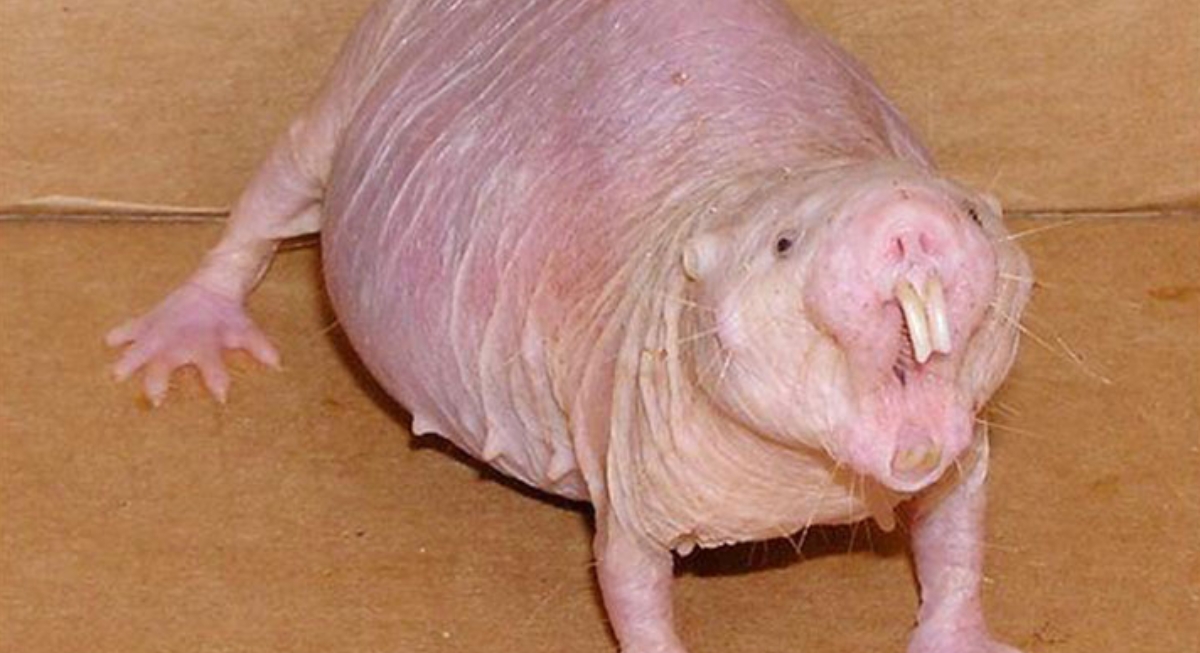
Naked mole-rats organize themselves more like insect colonies than typical mammals. A single breeding queen dominates massive underground networks filled with worker groups assigned to digging, defense, and food collection. Colony members cooperate to maintain those systems continuously while responding collectively to threats and environmental disruption. Mole-rats divide labor without constant conflict. Beyond cognition, they also display unusual resistance to cancer and pain.