How 10 Snow Animals Outsmart Winter Using Unique Adaptations
Winter asks animals to be precise. Snow animals survive by solving specific problems. Their solutions rely on cooperation, stillness, storage, or timing. These 10 animals handle winter in practical ways shaped by daily necessity.
Emperor Penguin

Credit: pixabay
On Antarctic ice, survival depends on coordination. Emperor penguins gather in dense huddles that constantly shift, with individuals rotating between the warmer center and the exposed edge. No single bird stays outside for long. The movement turns into a shared heat system during months when food is scarce.
Arctic Fox

Credit: Canva
For the Arctic fox, the body itself becomes shelter. Its winter fur grows thick enough to trap air, while hair spreads across the foot pads to soften contact with snow. When resting, the fox curls tightly and pulls its tail across its face. The posture matters because it helps seal in warmth.
Snow Leopard
Credit: Canva
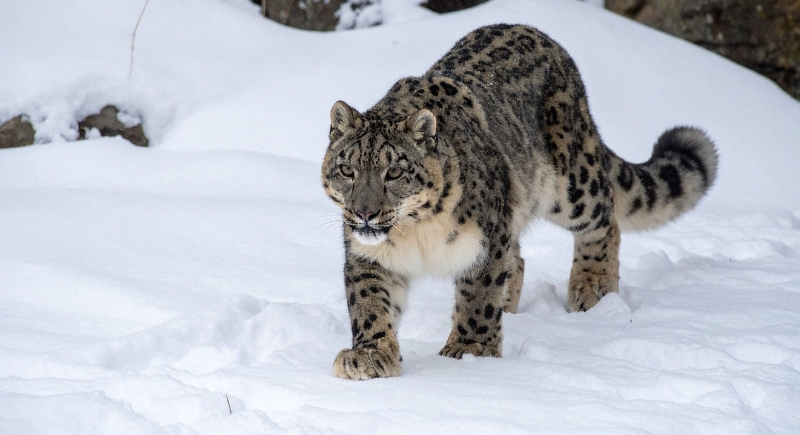
Snow leopards move through cold temperatures by limiting their movement. Their wide paws distribute weight across soft snow, reducing sink and sound. Fur covers the toes to protect the skin from frozen rock. Their balance comes from a long tail that steadies the body on steep ground, where a single slip can mean injury.
Wood Frog
Credit: Canva
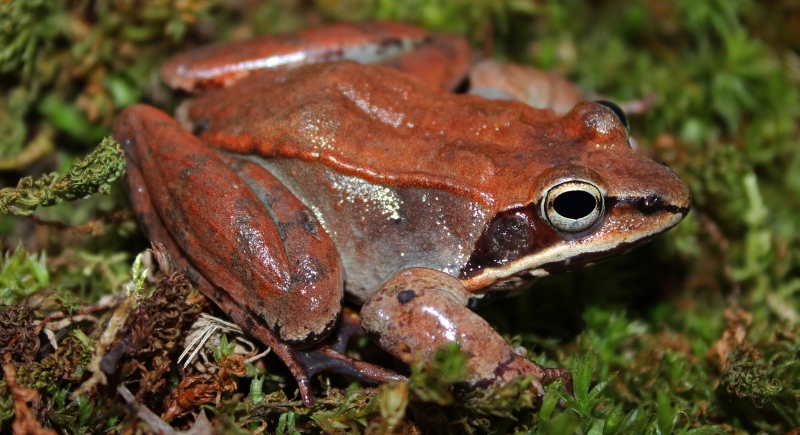
Winter stops the wood frog almost completely. As temperatures drop, the frog freezes solid beneath leaf litter. Its heartbeat and breathing pause. Inside the body, glucose floods cells to prevent damage. Weeks later, thawing restarts circulation. Survival comes from waiting until conditions change again.
Polar Bear
Credit: pexels
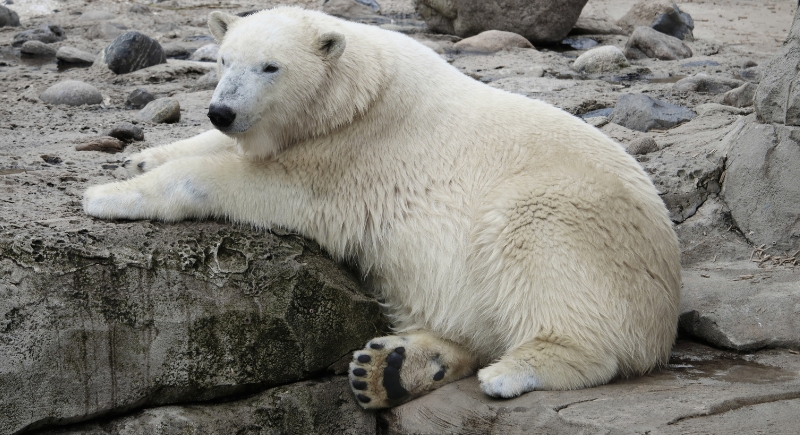
Polar bears prepare for winter long before it arrives. Their thick layer of blubber stores energy and insulates against heat loss, while their hollow hairs trap air against the skin. They also have dark skin that absorbs sunlight beneath the fur. Movement remains efficient because once the bear enters icy water, staying warm becomes more critical than staying fast.
Reindeer
Credit: pexels
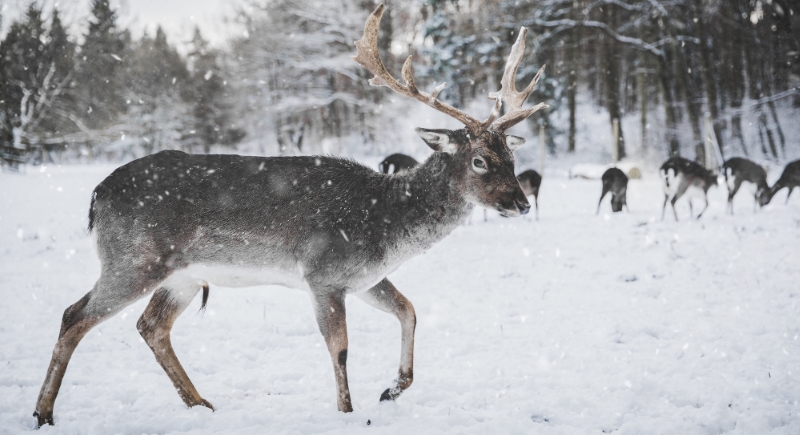
Cold air poses a problem long before it reaches the body, but reindeer solve it in the nose. Their dense nasal passages warm the air during exhalation, then transfer that heat to the next breath in. The exchange limits moisture loss and reduces strain on the lungs during long days spent moving across exposed tundra.
Grouse
Credit: Getty Images
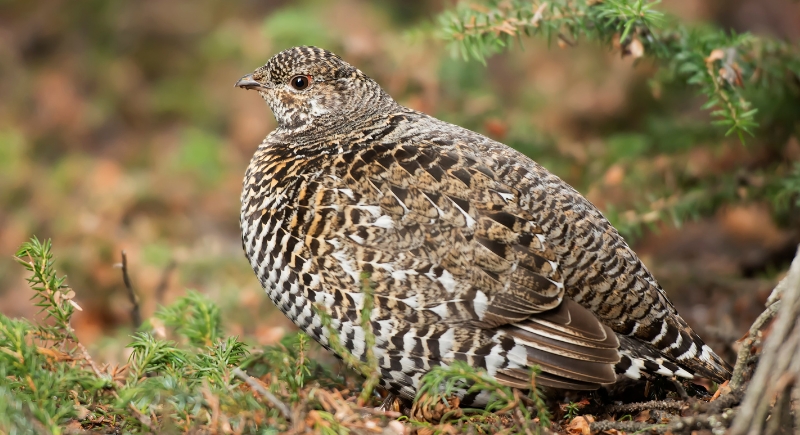
As night temperatures drop, grouse dive straight into snowbanks. Inside, the snow traps pockets of air that block wind and stabilize temperature. The chamber lasts only hours. At first light, the bird bursts back out without leaving any trace behind.
Japanese Macaque
Credit: Getty Images
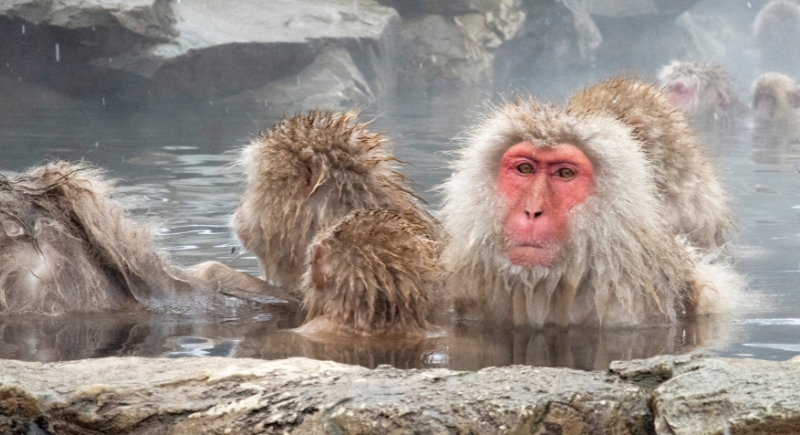
In snowy mountain areas, Japanese macaques turn hot springs into part of daily survival. The warmth helps them hold onto body heat during long, cold spells. Access is not random. Higher-ranking monkeys settle in first, while others wait nearby. Even winter comfort follows the same social rules that shape the rest of their lives.
Icefish
Credit: Wikimedia Commons
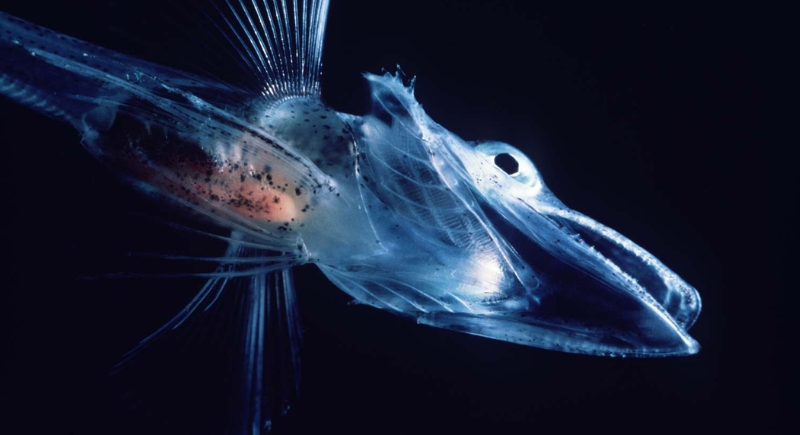
Icefish survive by breaking a basic rule of biology. Their blood lacks hemoglobin, which makes it thin and transparent. Antifreeze proteins in their body further prevent ice crystals from forming, while oxygen passes directly through the plasma and the skin. The system only works in cold, oxygen-rich seas, where slow circulation is enough.
Painted Turtle

Credit: Getty Images
During winter, painted turtles remain underwater in frozen ponds and enter a state of extreme metabolic slowdown. They absorb small amounts of oxygen through specialized tissues near the tail. Their feeding and movement stop as the body conserves energy. When the ice melts in spring, the turtles gradually resume normal breathing and activity without ever leaving the water.