Spring Pollen Triggers That Are Quietly Wrecking Your Dogs’ Skin Right Now
Spring usually means dogs spend more time outside sniffing around on walks, but it also brings the season when many suddenly start licking their paws, scratching nonstop, or rubbing their faces on the carpet. Pollen allergies in dogs often affect the skin and ears first, causing itchy paws, red bellies, ear irritation, and constant licking. The problem is that pollen is small enough to cling to fur and paws after every walk, then follow the dog straight into the house without anyone noticing. Here are some of the biggest spring triggers behind it.
Oak Pollen
Credit: Reddit
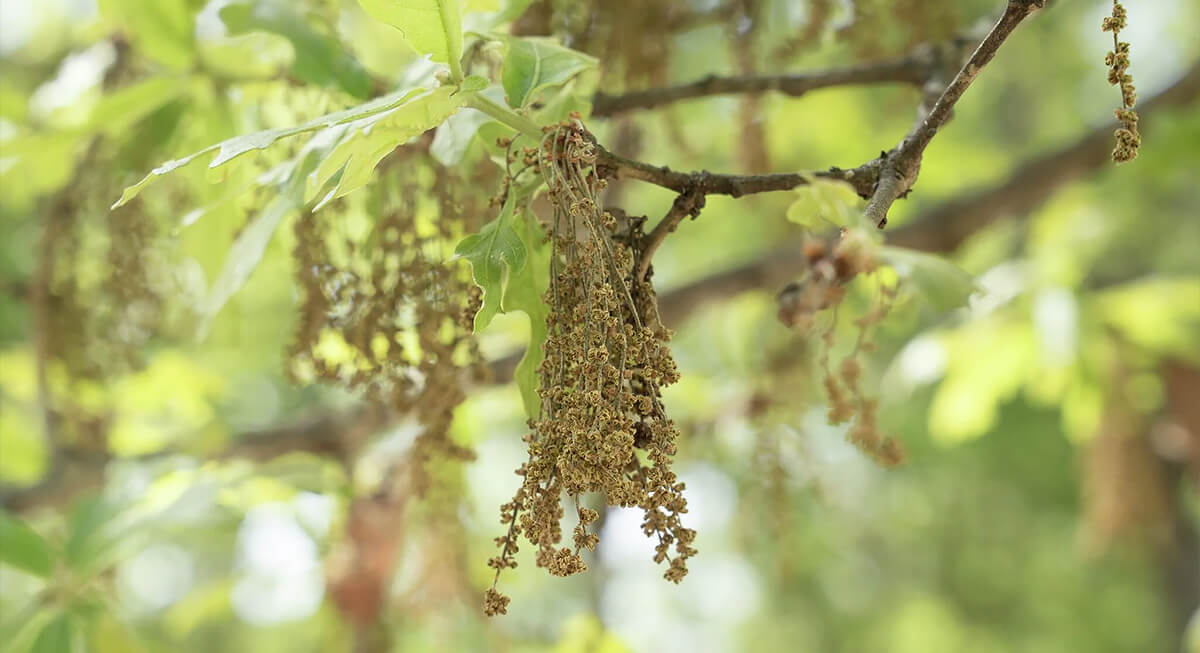
Large oak trees may keep the yard cooler, but they also release huge amounts of pollen during spring. Dogs pick it up while lying in the grass, sniffing around fences, or rolling where pollen has settled. Paws and bellies usually collect the most since they stay closest to the ground. Wiping your dog down after outdoor time can help remove some of the pollen before the itching starts later.
Birch Pollen
Credit: PxHere
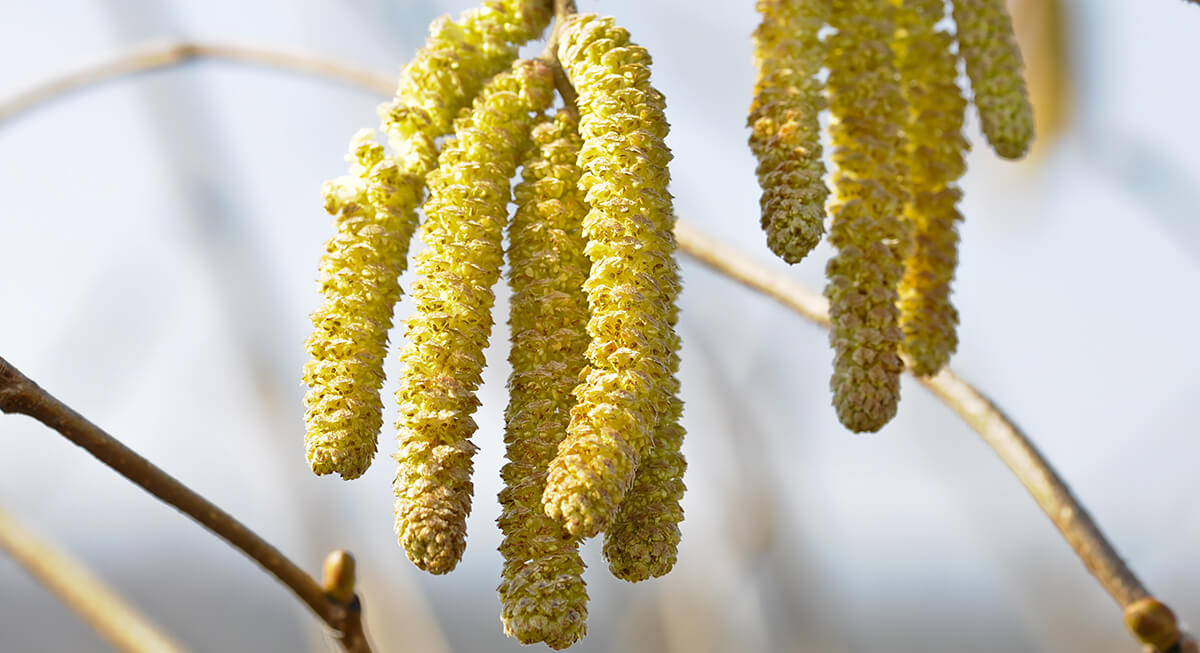
Even without a tree nearby, birch pollen can still irritate your pet. Spring breezes carry these tiny particles everywhere, so exposure happens fast. A quick walk around the neighborhood might leave a sensitive pup rubbing its eyes or paws. This airborne pollen is a likely suspect if a dog starts scratching after a windy afternoon.
Cedar Pollen
Credit: Wikimedia Commons
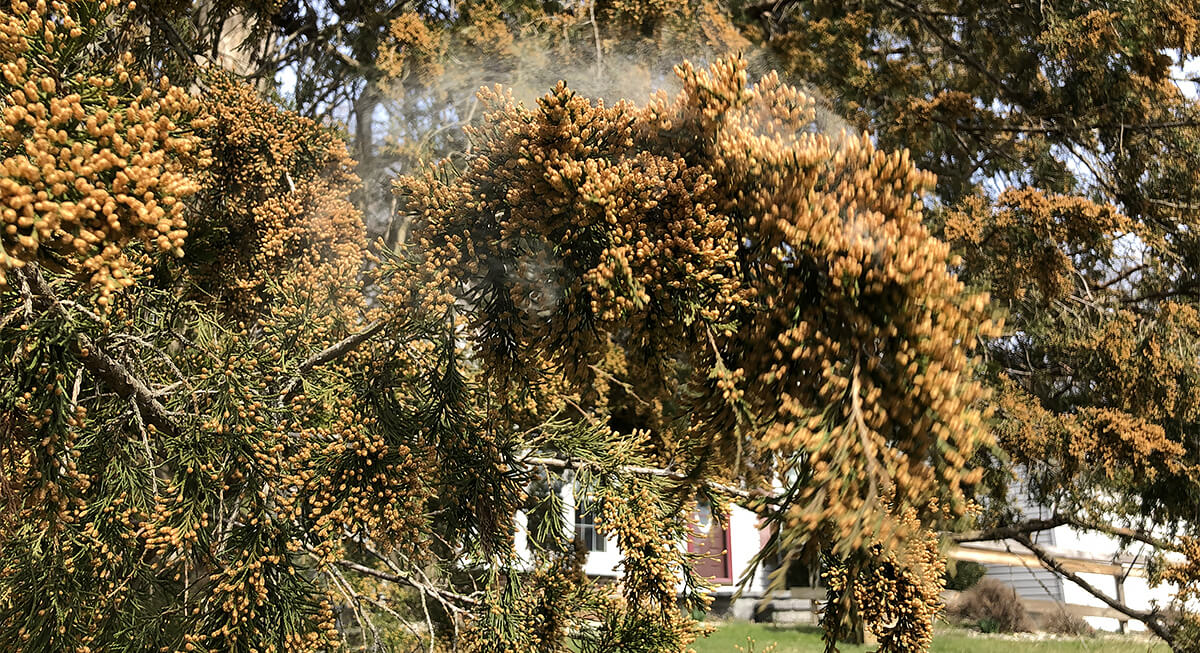
When dogs sniff shrubs, they press their faces right into cedar or juniper pollen. These allergens stick to their muzzles, chests, and necks. Those pets might later rub the carpet or scratch their face to find relief. To help, try a quick wipe around the nose and chin after a walk through the bushes.
Maple Pollen
Credit: Wikimedia Commons
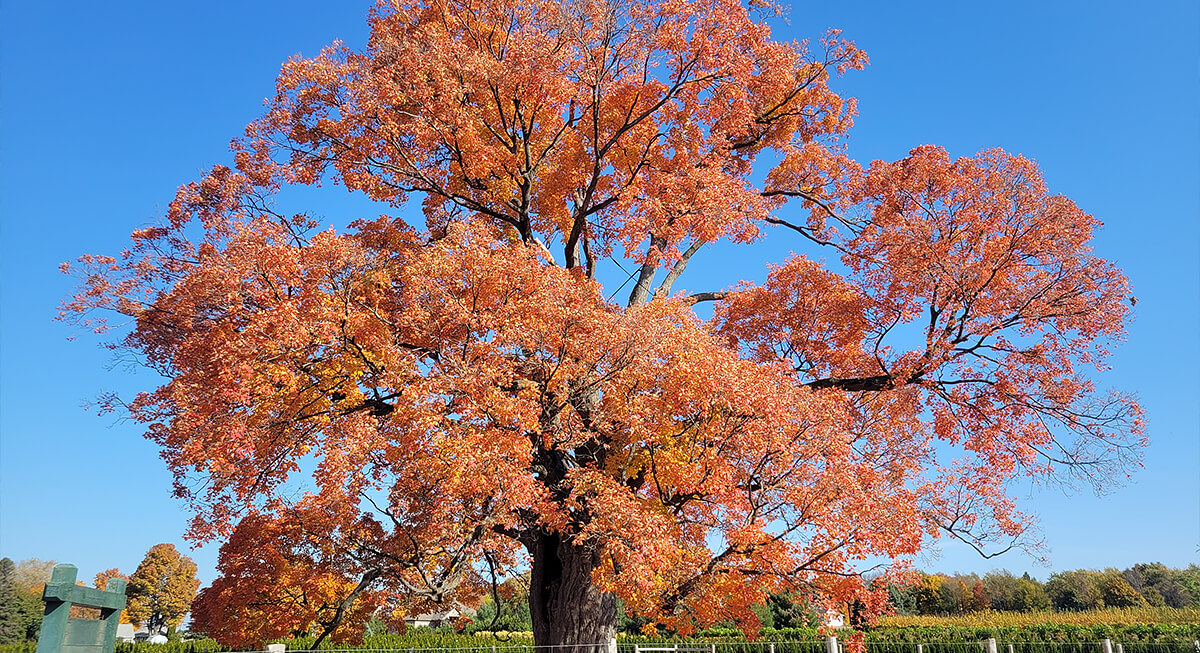
Maple pollen shows up before spring truly kicks in. You might see a patchy lawn and think the yard is fine, but the dog is already scratching. This early start surprises owners who wait for flowers to bloom before worrying about allergies. Keep an eye on the calendar. If that itch returns at the same time every year, mention it to the vet.
Elm And Ash Pollen
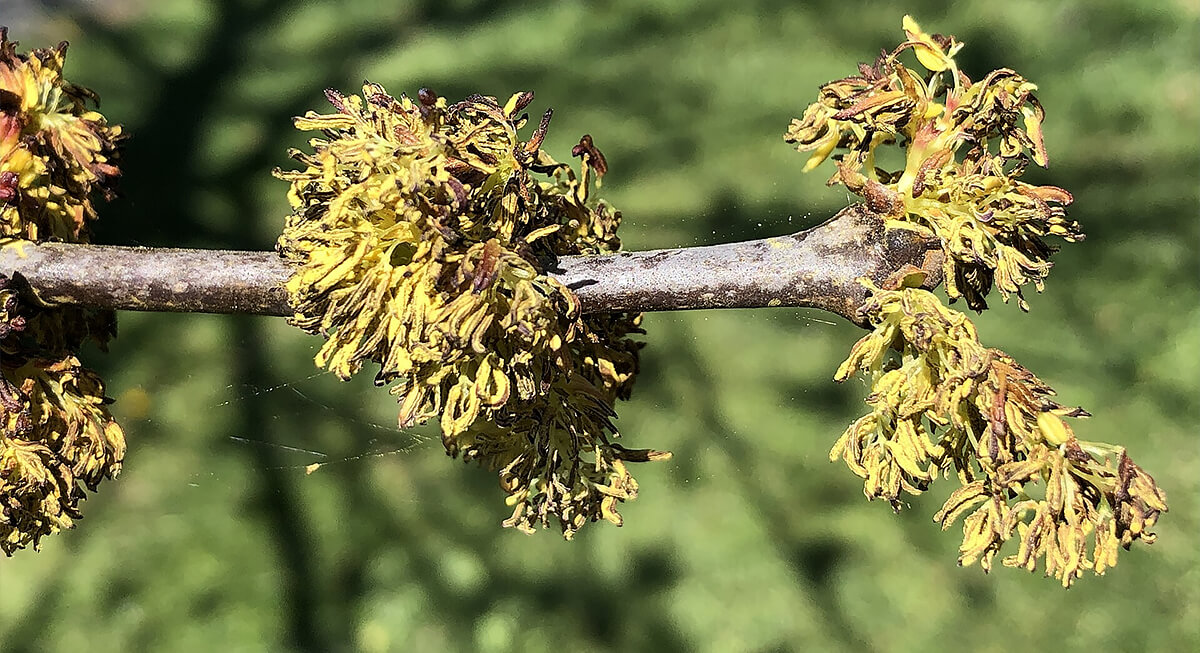
Credit: Wikimedia Commons
Elm and ash trees leave pollen along sidewalks, grassy strips, and park paths where dogs constantly sniff close to the ground. That makes it easy for the particles to stick to their fur and skin during walks. These allergies often show up through ear irritation, so repeated head shaking afterward may be more than a minor itch.
Bermuda Grass
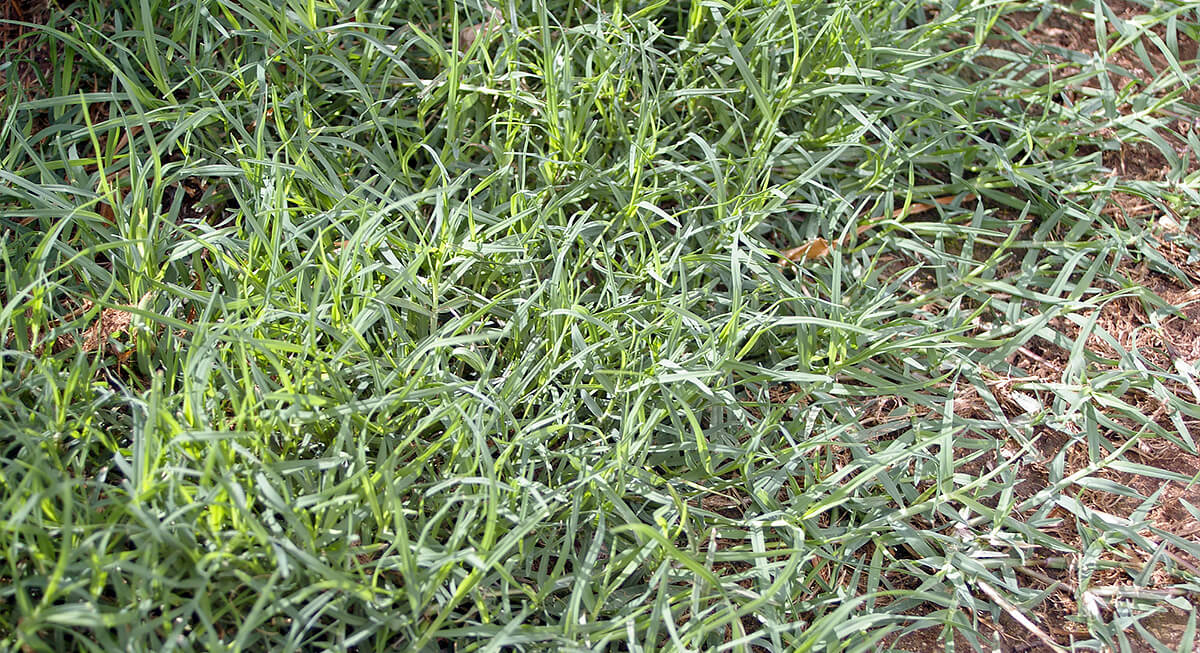
Credit: Wikimedia Commons
Bermuda grass is a full-body problem for dogs that enjoy lounging outside. Pups run, roll, and slide their bellies across the lawn constantly. While pollen is a major concern, direct contact makes avoiding exposure difficult. Watch thin-skinned areas such as the belly, armpits, and inner legs after a long play session.
Ryegrass And Fescue
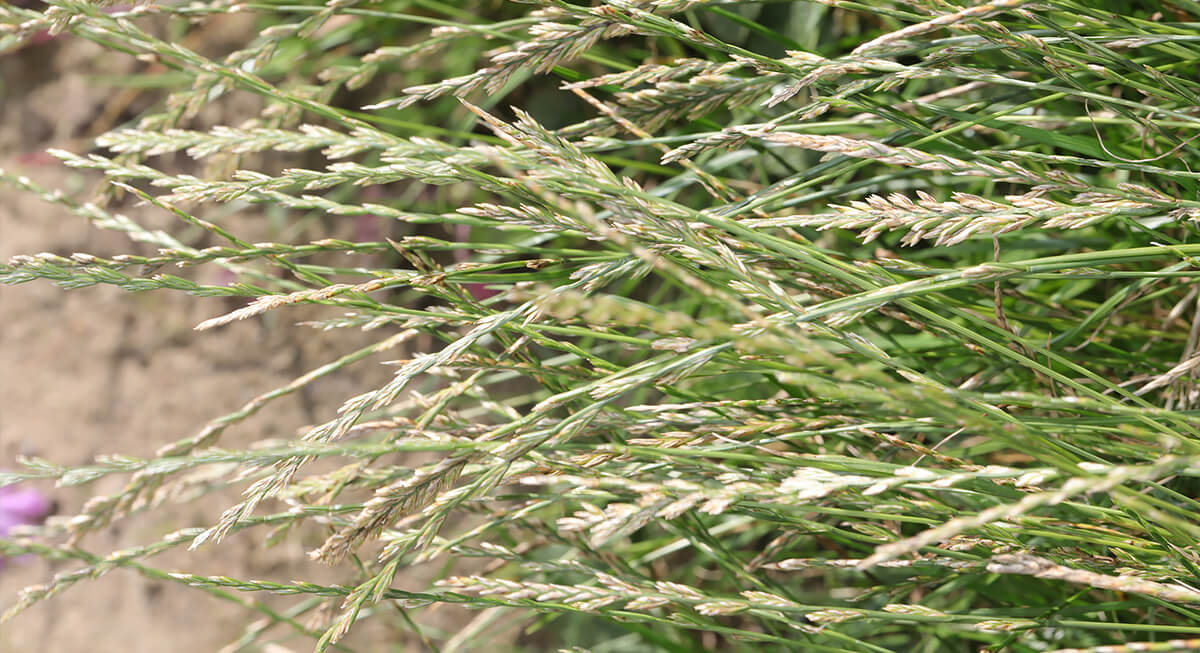
Credit: Wikimedia Commons
Ryegrass and fescue pollen easily cling to fur during walks and then spread across rugs, blankets, dog beds, and couches afterward. That means sensitive dogs may stay exposed to the irritants long after outdoor time is over. A quick brush after playtime and regular washing during heavy pollen weeks can help reduce some of that buildup indoors.
Kentucky Bluegrass
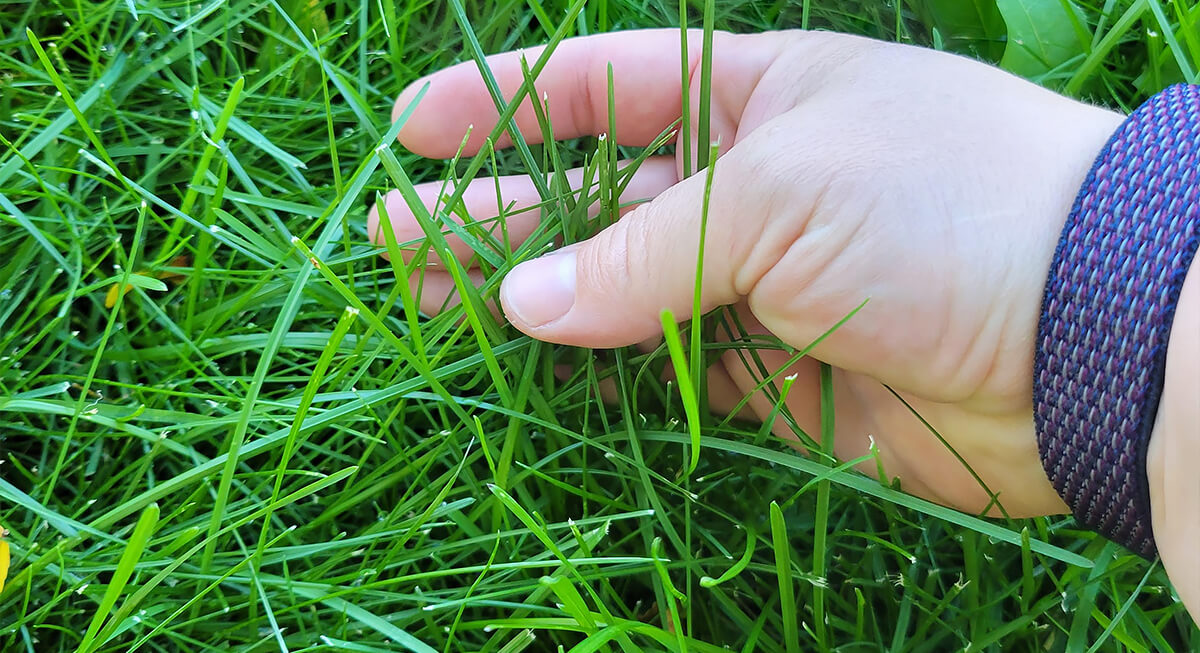
Credit: Wikimedia Commons
Even a quick bathroom break can trigger issues. Kentucky bluegrass is found in apartment courtyards, neighborhood yards,s and sidewalk strips. A pup might pick up irritants just by stepping outside for a minute. If you notice paw chewing after short walks, try keeping a damp cloth by the door. A quick wipe-down helps remove pollen before it causes trouble.
Ragweed And Pigweed
Credit: Wikimedia Commons
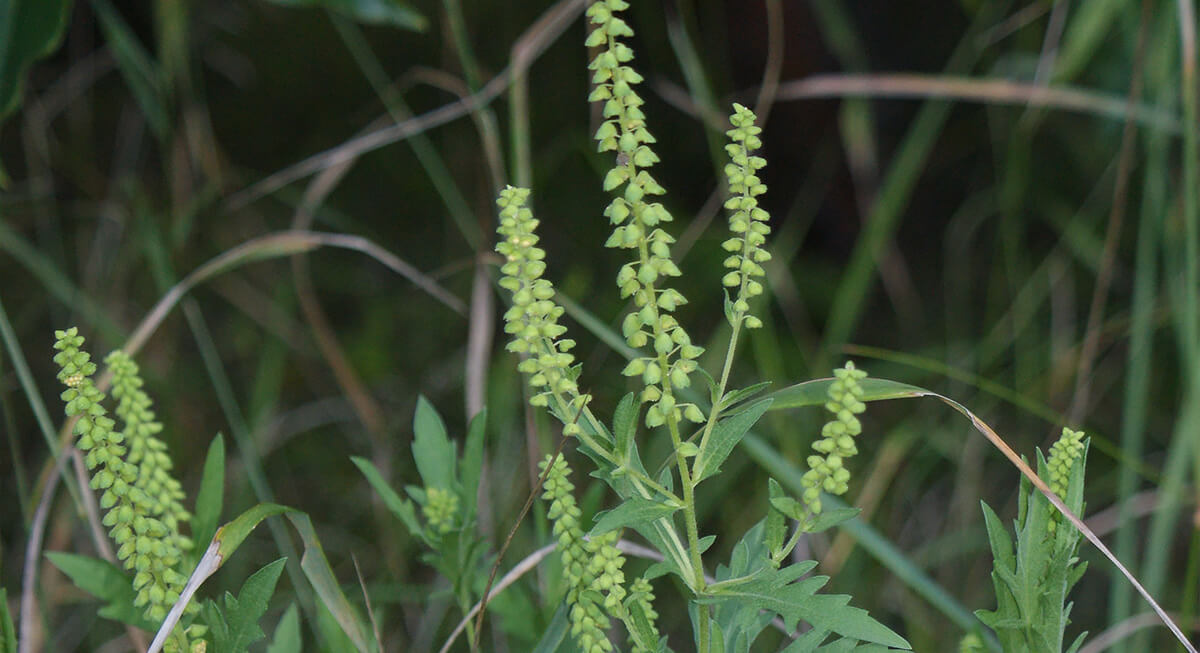
Weed pollens such as ragweed and pigweed hide in plain sight while boosting pollen levels for sensitive pups. The problem may not be a single plant. Instead, the real trouble comes when tree, lawn, and weed particles pile up over time. Watch for frequent licking or scratching in late spring. Catch these habits early to protect your dog’s skin from inflammation during the peak season.
Pollen Tracked Indoors
Credit: Wikimedia Commons
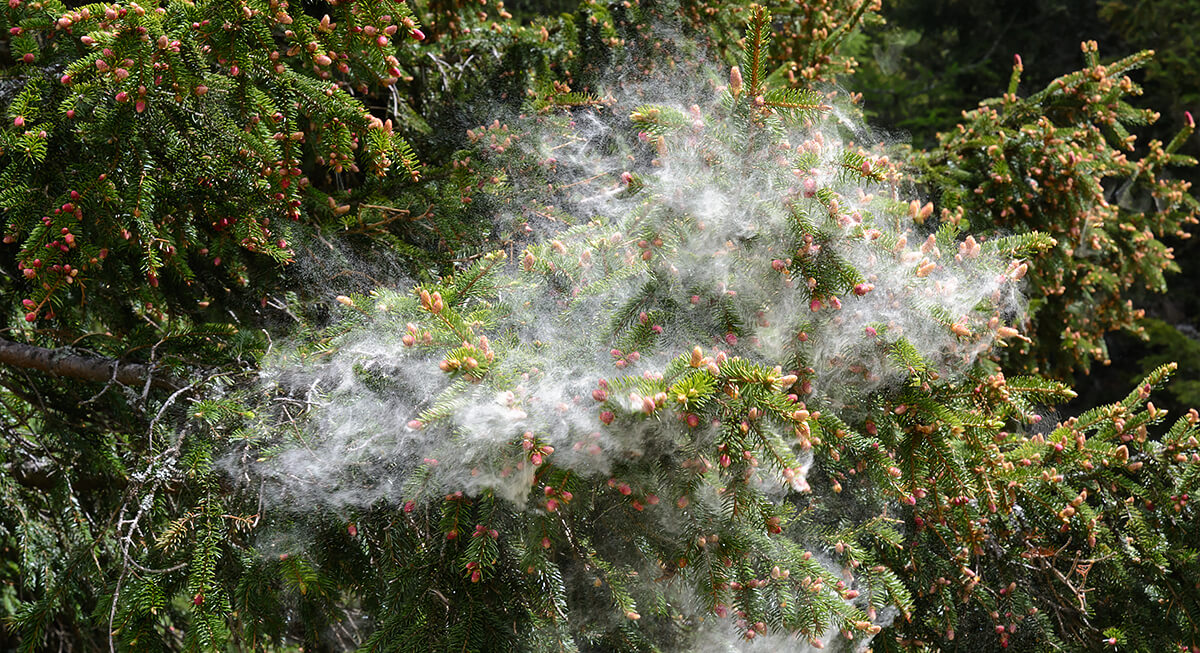
The house is not automatically a pollen-free zone. Clothing, open windows, and pets also carry allergens inside. These particles stick to furniture and rugs, which triggers reactions long after a walk ends. Using HEPA filters and washing pet bedding regularly helps to lower exposure. If you notice intense itching, inflamed skin, hair loss, or recurring ear issues, see a vet.