10 Spring Tick Hotspots Most Dog Owners Walk Right Through Without Knowing
Warmer weather gets dogs and their owners back outside, from neighborhood walks to afternoons at the park. It also brings a sharp increase in tick activity. While many people associate ticks with deep woods and hiking trails, dogs are often exposed much closer to home. Ticks thrive in a surprising number of everyday spots, hiding in places that look completely harmless during a routine spring walk.
Trail Edges

Credit: Canva
Tick researchers often collect far more ticks a few feet off a trail than on the trail itself. The reason is simple: animals use those margins as travel lanes. Deer, mice, chipmunks, and rabbits tend to move under cover rather than across open ground. Dogs naturally drift toward the edge to investigate scents left behind.
Forest Play Areas

Credit: Canva
Studies have found ticks in areas heavily used by families and children. Dogs accompanying their owners through these areas often move between mulch, leaves, and undergrowth, where ticks remain protected from direct sunlight. The combination of foot traffic and nearby vegetation creates an environment where encounters happen more often than many people expect.
Leaf Litter Along Paths

Credit: pexels
Ticks spend much of their lives avoiding dry conditions. A layer of decomposing leaves acts as a protective blanket and traps moisture near the soil surface. During spring, ticks emerge from these sheltered pockets after surviving winter beneath the leaf cover. Dogs searching for sticks or chasing squirrels often plunge into exactly the places ticks favor.
Lakeside Walking Routes
Credit: pexels
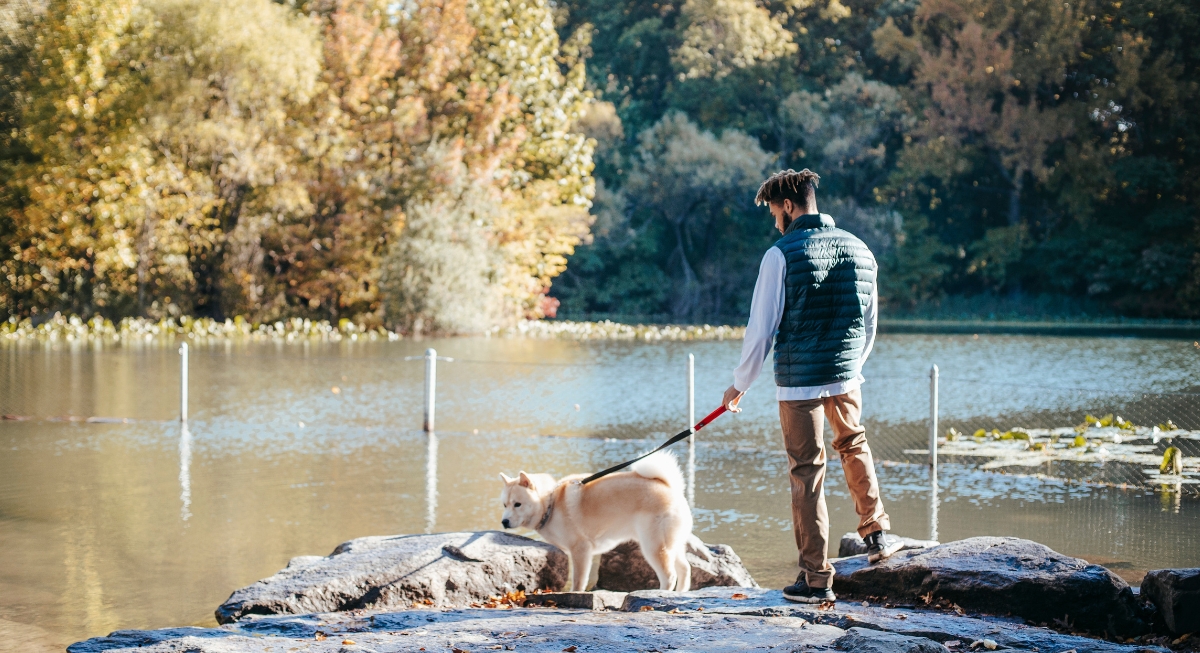
Migratory birds stop at lakes, ponds, and wetlands during spring journeys across North America. Many arrive carrying ticks acquired hundreds of miles away. Scientists estimate that migratory birds transport millions of ticks annually. Add shoreline vegetation, moderate humidity, and steady wildlife traffic, and lakeside trails become an attractive habitat.
Woodpile Areas

Credit: Getty Images
Stacks of firewood provide shelter for rodents and other small animals that ticks frequently feed on during certain life stages. A dog sniffing around a backyard woodpile may be entering a surprisingly busy ecosystem. The shaded conditions around stored wood help preserve moisture, which benefits tick survival.
Edges Of Sports Complexes

Credit: Getty Images
Soccer fields and baseball diamonds are usually maintained closely, but the outer boundaries often receive less attention. Beyond the sidelines, there may be drainage ditches, wooded buffers, or strips of taller grass. Dogs accompanying families to weekend games frequently explore these quieter areas between activities.
Botanical Gardens

Credit: Getty Images
Beautiful landscaping does not automatically mean fewer ticks. In fact, researchers have documented remarkably high tick populations in certain botanical gardens. Mature vegetation, shaded pathways, and a stable environment can support tick activity throughout spring. Dogs visiting these attractions often encounter habitats that mimic natural woodlands.
Backyard Fence Lines
Credit: Getty Images
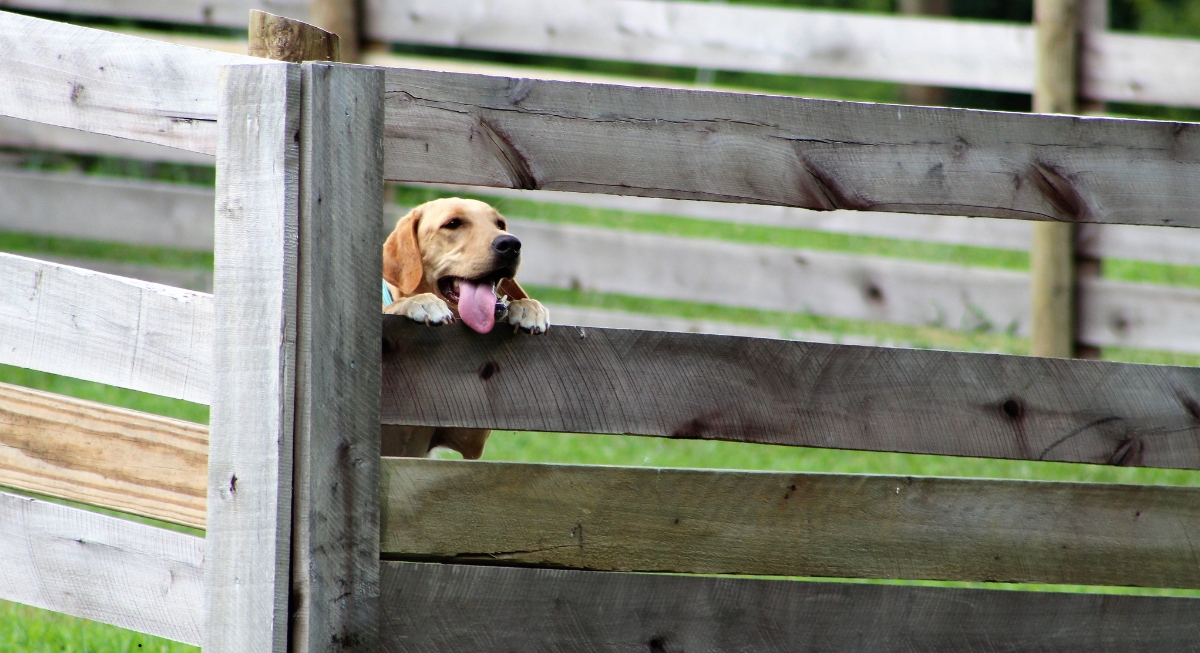
Many owners focus on distant hiking destinations and overlook the space just outside the back door. Fence lines often become wildlife highways after dark. Rabbits travel them. Mice use the cover of shrubs. Raccoons and opossums frequently follow the same routes. By morning, dogs encounter a concentrated collection of animal scents and head straight for investigation.
Abandoned Rail Trails

Credit: Getty Images
Many former railroad lines have been converted into popular walking and biking trails, especially in the Northeast and Midwest. The gravel or paved path is usually kept clear, but the strips of vegetation on either side often tell a different story. Deer, rabbits, and small mammals use these long, uninterrupted corridors to move across the landscape.
Vacant Residential Lots
Credit: Canva
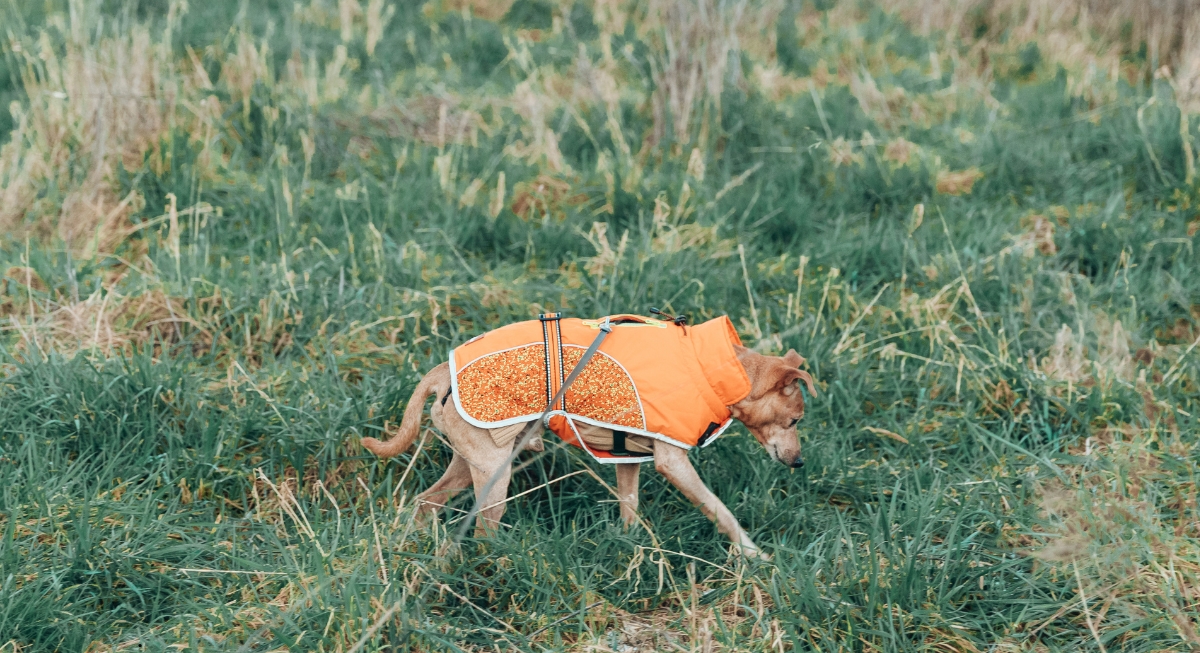
An empty lot between houses often develops into a patchwork of unmanaged vegetation. That creates ideal cover for wildlife and the ticks that rely on them. The contrast is worth noting. One property may be carefully maintained, yet the lot next door functions as a miniature refuge for ticks.