10 Exotic Pets That Are Surprisingly Legal in Most States
Exotic pet laws in the United States are surprisingly inconsistent, which creates some unexpected outcomes. An animal that is generally considered wild and dangerous can be legal in one state while a much smaller one could be banned in a neighboring state. Many of these animals reside in a legal gray area because states balance wildlife protection, public safety, and animal welfare in varying ways. Below are 10 exotic pets that are legal in many US states, although they come with significant responsibilities and serious considerations.
Hedgehogs
Credit: Canva
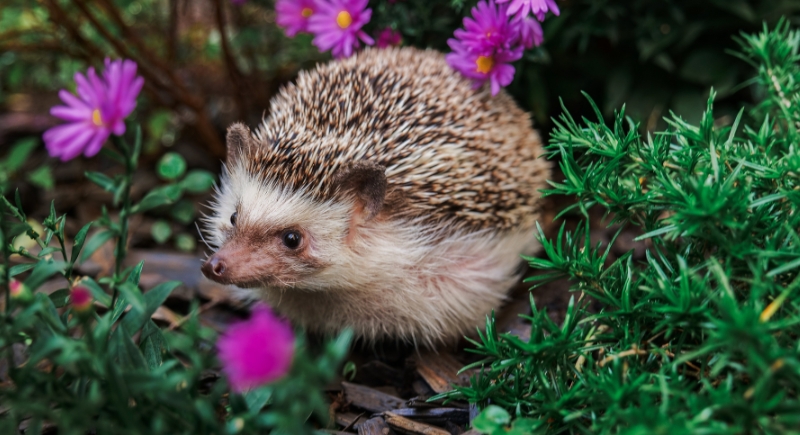
These small, nocturnal mammals are legal in most states, although a few still ban them due to concerns about disease transmission. African pygmy hedgehogs are the most commonly kept pet species in America. They require consistent warmth because temperatures below 72°F can cause health problems. Many hedgehogs dislike frequent handling, which often surprises owners who expect a cuddly animal.
Sugar Gliders
Credit: Getty Images
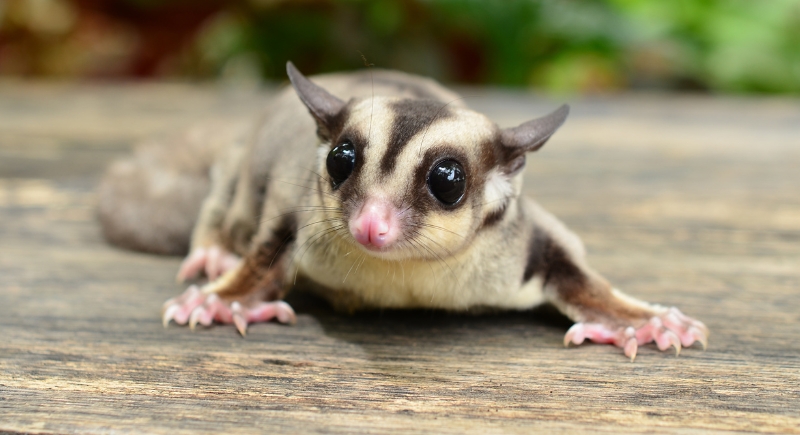
Sugar gliders are pocket-sized marsupials that can glide several feet using a membrane between their legs, which gives them their name. They are legal in many states but restricted in others due to concerns about welfare. They live up to 15 years and require a specialized diet that includes insects, fresh fruits, and vegetables. Since they are social animals, keeping just one often leads to stress-related behavior.
Fennec Foxes
Credit: Getty Images
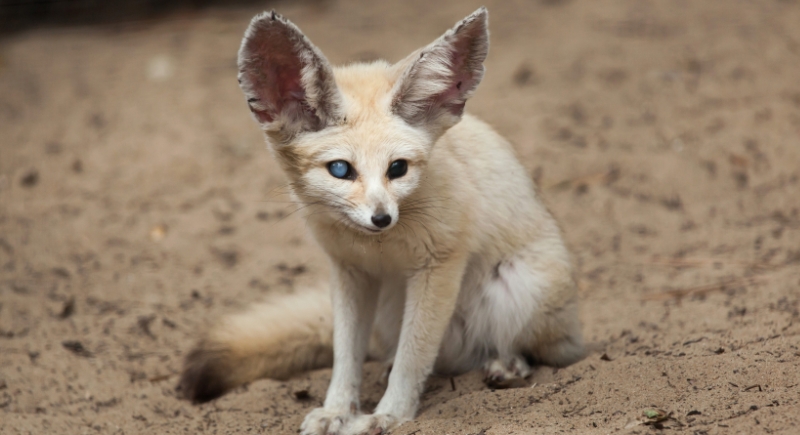
Having oversized ears helps fennec foxes regulate body temperature in desert climates. They are legal in several states, often with permits in place. They weigh about 2 to 3 pounds and are smaller than most house cats. Despite their size, they are energetic, loud, and known for digging, which makes apartment life challenging.
Capybaras
Credit: Canva
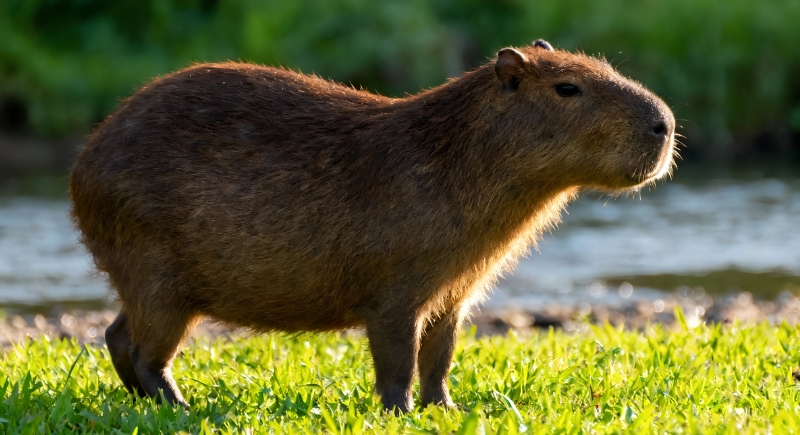
Social media made these giant rodents famous, but their legality surprises people more than their size. Capybaras are legal in several states, often where livestock-style regulations are in effect. Adults can weigh over 100 pounds and require constant access to water for swimming. They are herd animals, which means keeping a single capybara is widely considered poor care.
Prairie Dogs

Credit: pexels
Once popular in the exotic pet trade, prairie dogs remain legal in some states despite strict regulations. They are native to North America and live up to 10 years in captivity. These animals dig constantly, which means they need deep substrates or outdoor enclosures. Concerns about disease led to stricter oversight, but legal issues persist in certain parts of the country.
Raccoons
Credit: Getty Images
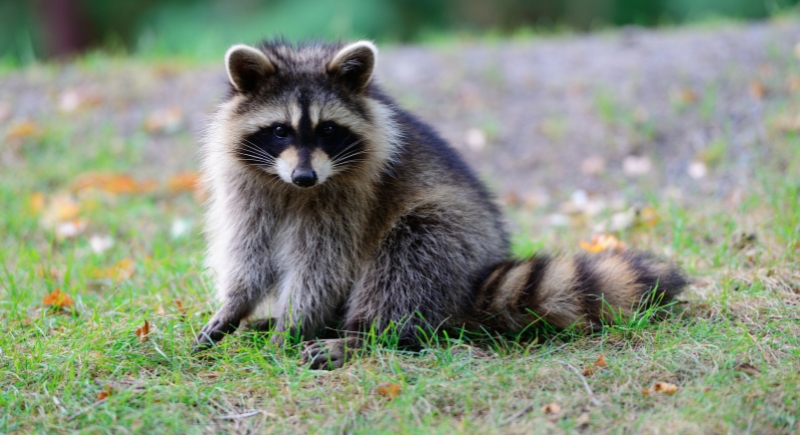
Few animals look more like cartoon characters than raccoons, and that curiosity gets them into trouble as pets. Some states allow raccoon ownership with permits, especially if the animal is captive-bred. Raccoons are highly intelligent and can open doors, drawers, and containers with ease. As they mature, many become territorial, which is why ownership laws are controversial.
Striped Skunks
Credit: Canva
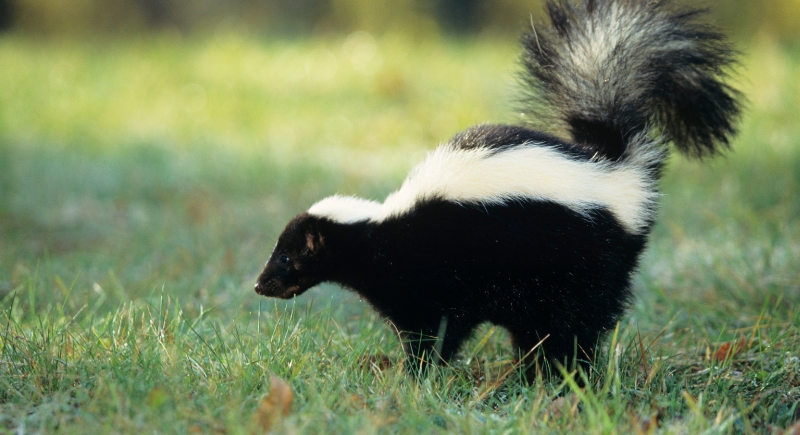
Descented skunks are legal in several states and are usually bred specifically for companionship. The scent glands are surgically removed when the animals are young, which raises ethical concerns. Skunks can live up to 10 years and require diets carefully balanced to avoid obesity. They are curious animals that need constant indoor enrichment.
Servals
Credit: Wikimedia Commons
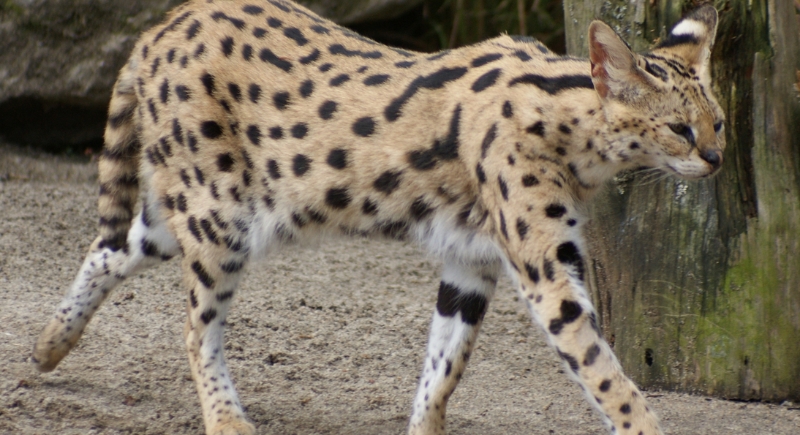
Long legs and spotted coats make servals resemble runway models among cats. These African wildcats are legal in some states, usually with permits. Adults can weigh 25 to 40 pounds and jump over 8 feet vertically. Even hand-raised servals retain strong hunting instincts.
Non-Human Primates
Credit: Getty Images
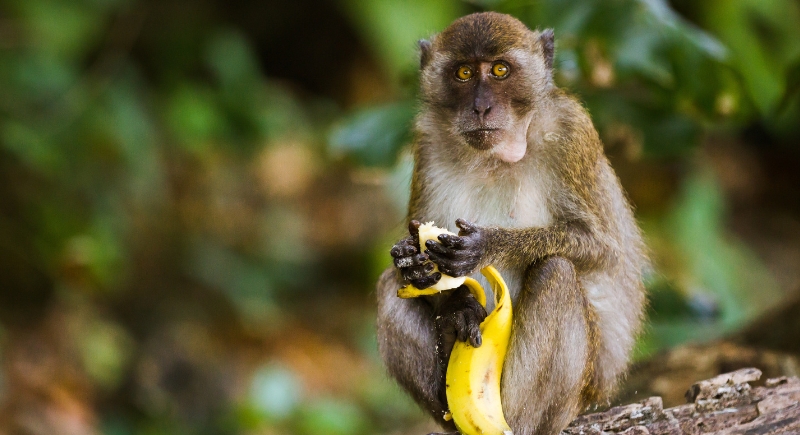
A shrinking number of states still allow certain primates with permits, which keeps them on the legal list in parts of the country. Some monkeys live more than 30 years and require constant social interaction. Disease transmission is a significant concern, especially for bites. Many states are actively phasing out private ownership of primates.
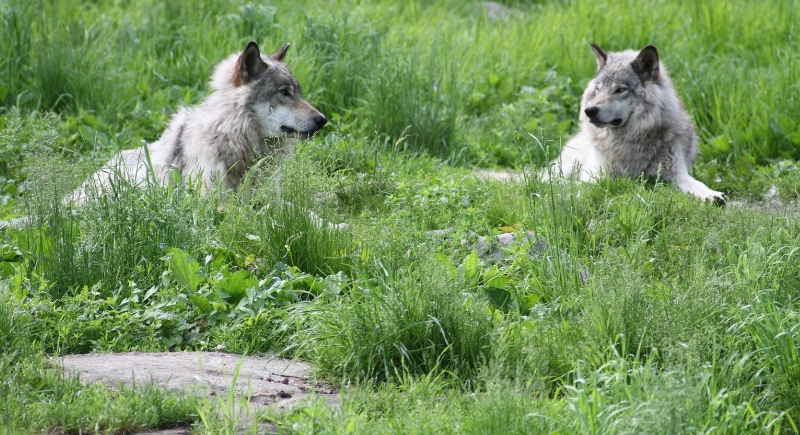
Wolfdogs
Credit: pexels
Wolfdogs remain legal in multiple states under specific conditions. Laws often depend on the animal’s wolf heritage, measured as a %. These animals require tall fencing, experienced handlers, and extensive space.