10 Things Veterinary Nutritionists Want You to Stop Feeding Your Dog
When you are eating, your dog may trot up to your chair and nudge you for a bite. It is easy to give in without much thought. But what you don’t realize is that this small habit can lead to real health concerns. Many everyday foods affect dogs in ways that are not obvious at first glance. Some interfere with organ function, while others upset digestion or create long-term strain on the body.
Veterinary nutritionists usually trace common health issues back to these feeding patterns. This means that awareness is an important part of responsible care.
Chocolate and Caffeinated Foods
Credit: Canva
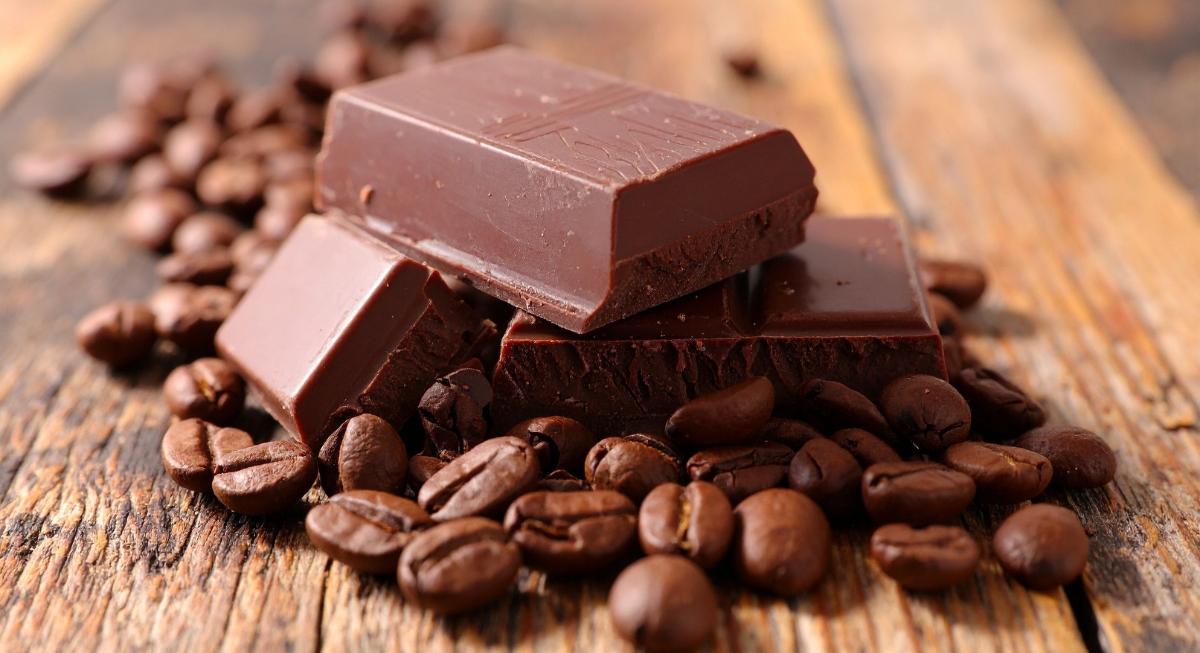
It is common for canines to get access to chocolate during holidays, when sweets are sometimes left within reach or dropped accidentally. Even a small amount can cause serious health problems because dogs cannot safely metabolize methylxanthines. Coffee and other caffeinated products produce the same internal effects, including restlessness, vomiting, and abnormal heart activity.
Sugar-Free Products with Xylitol
Credit: Wikimedia Commons
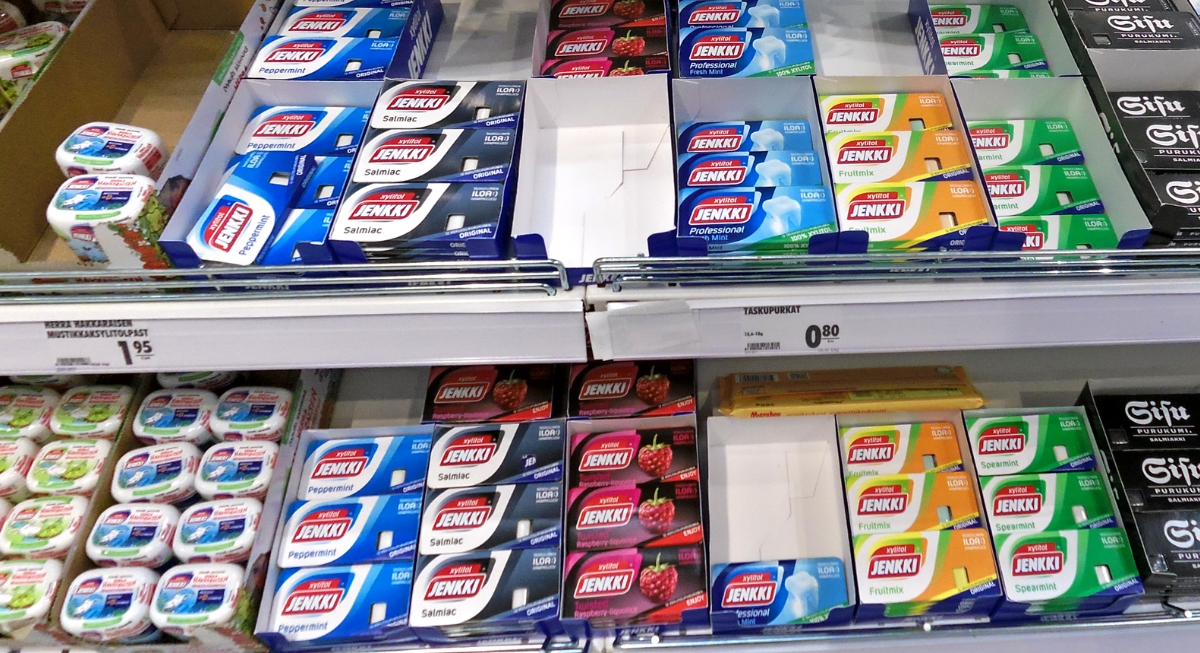
Many sugar-free products contain xylitol, and even small amounts are dangerous for dogs. It triggers a rapid insulin release, which causes blood sugar to drop quickly. Early signs include weakness, confusion, and trouble standing. Symptoms can appear within minutes. In more serious cases, it leads to liver damage within hours. Immediate veterinary care is critical to prevent severe complications or death.
Grapes and Raisins
Credit: Canva
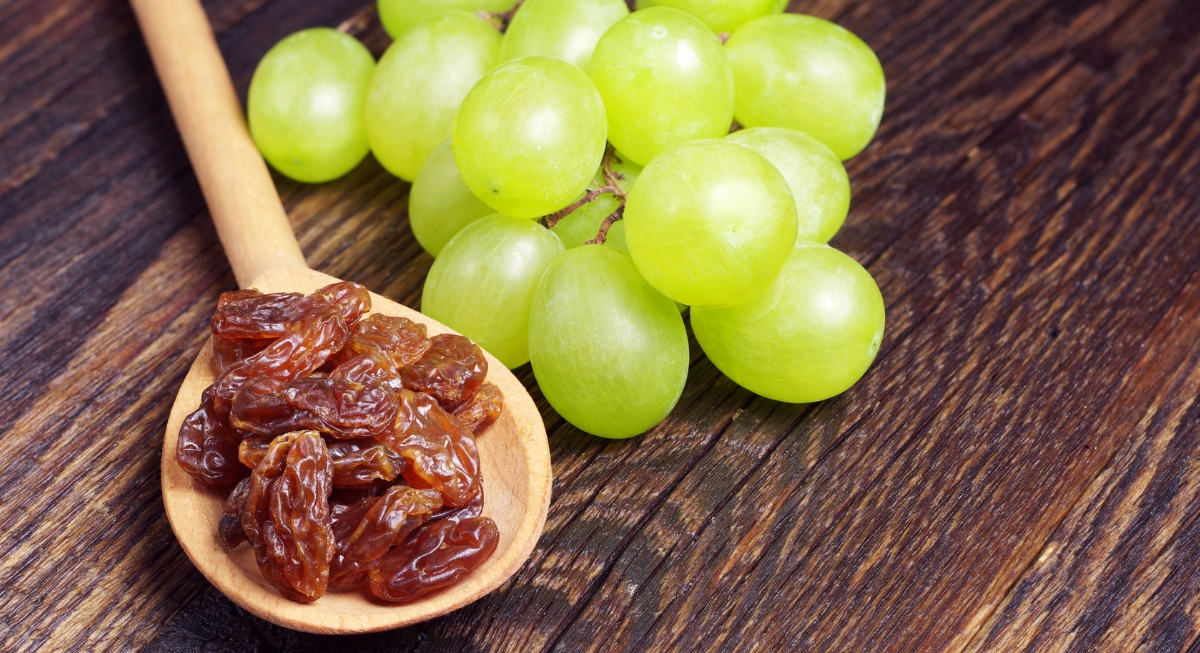
Veterinarians still do not know exactly why grapes and raisins harm dogs, which adds to the concern. Clinical reports show that these may cause kidney failure in certain animals. Though your pet may seem fine at first, they could develop symptoms that worsen over time. Because reactions vary widely, there is no safe amount to test.
Onions, Garlic, and Chives
Credit: Canva
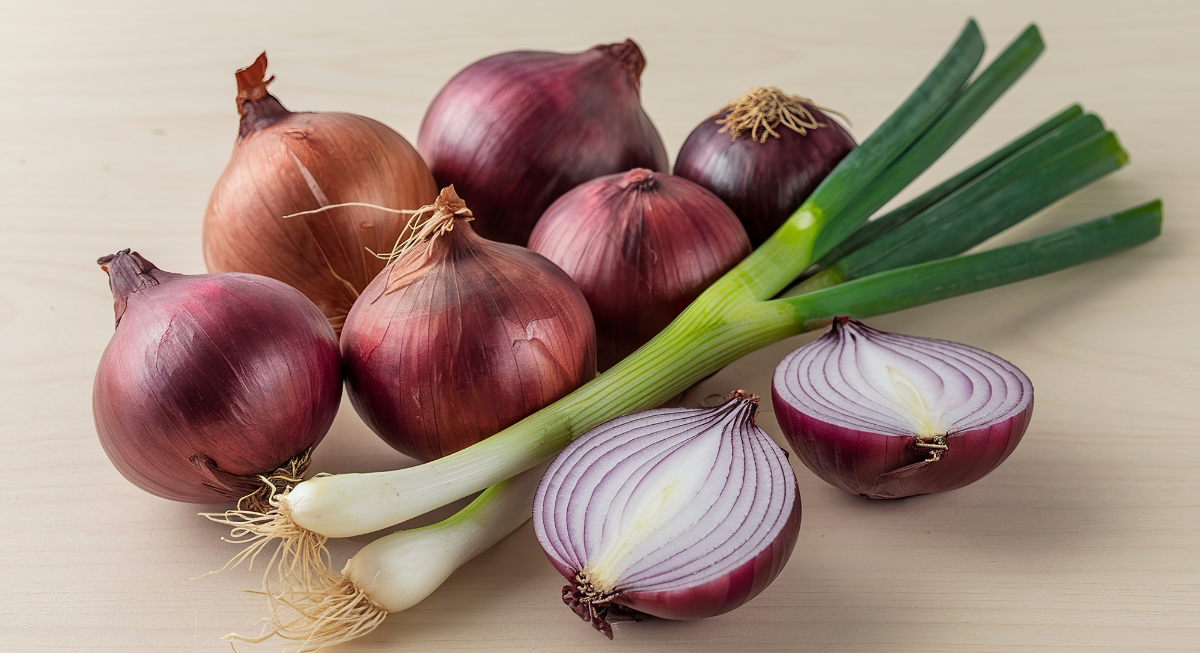
The reason why you should not share foods containing onions, garlic, and chives is that they are known to damage your dog’s red blood cells. As the damage builds, oxygen delivery drops, and your pup may appear weak or unusually tired. Paying attention to what goes into prepared food helps reduce accidental intake and supports better long-term health.
Yeast Dough
Credit: Getty Images
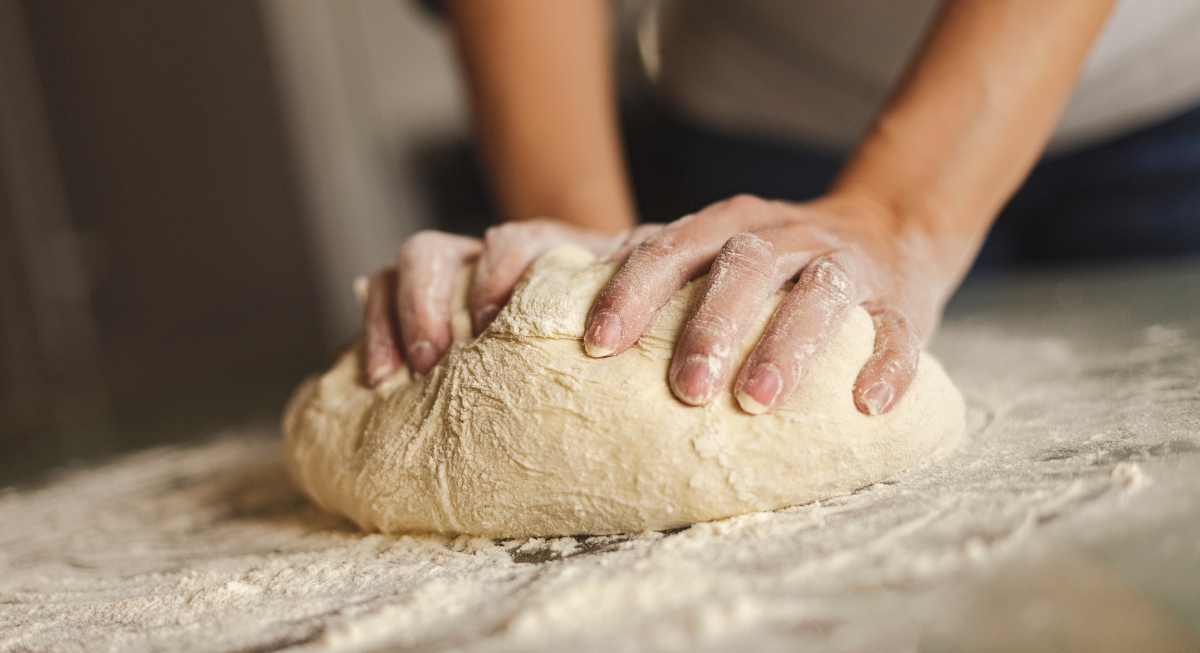
There are several hazardous consequences of feeding yeast dough to canines, and many of them develop quickly after ingestion. Once inside the stomach, the food continues to expand and produces gas, which creates painful pressure and swelling. This may result in a dangerous condition known as bloat.
Milk and Dairy Products
Credit: Canva
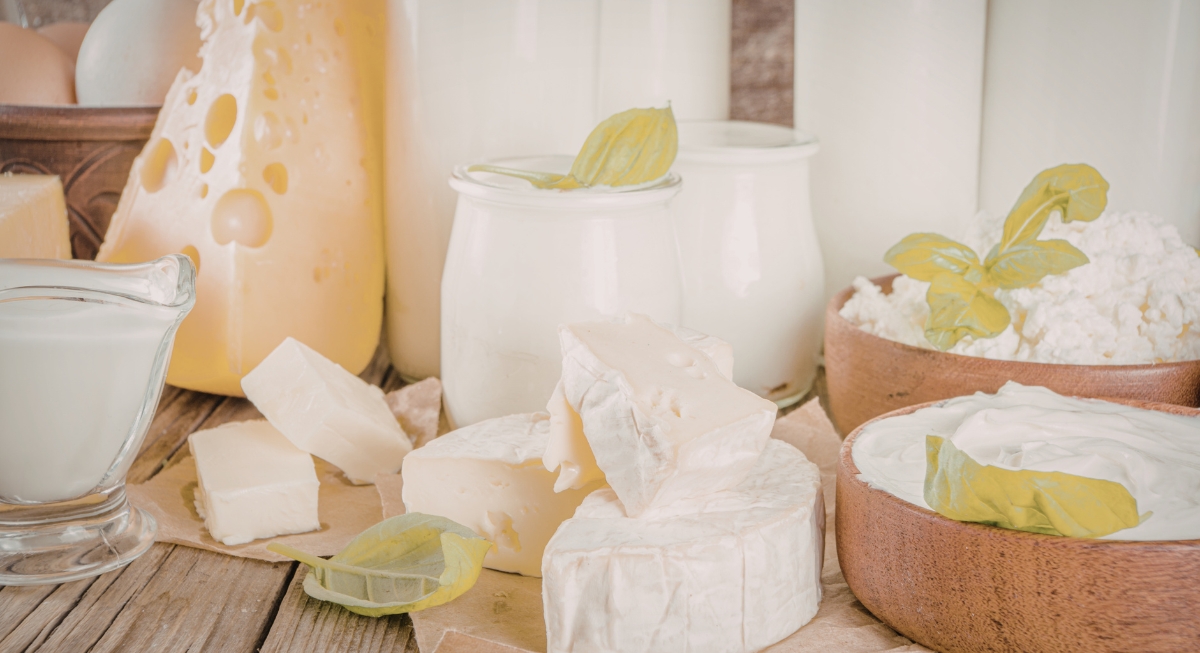
Many dogs cannot properly digest lactose because they lack the enzyme needed to break it down. After consuming milk or cheese, this often leads to diarrhea, gas, and stomach discomfort. The reaction can vary, but it is common even in adult dogs. High-fat dairy products add another risk, as they can trigger pancreatitis, which is a serious and painful condition that may require urgent veterinary care.
Salty Snacks and High-Sodium Foods
Credit: Canva
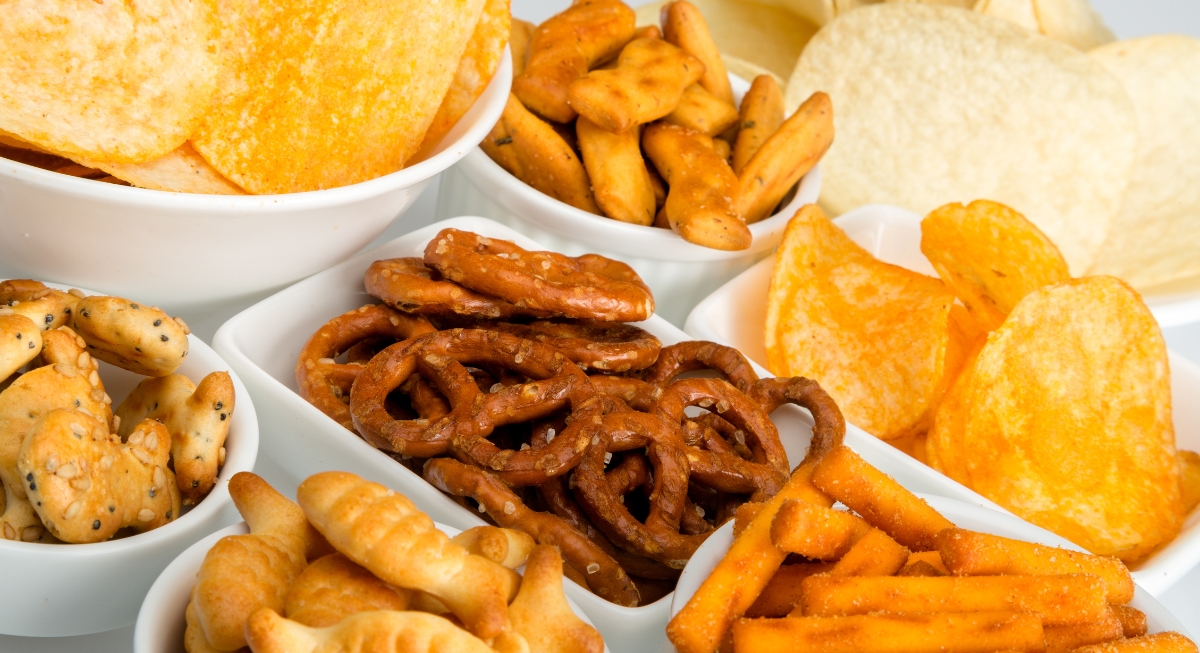
If your pet suffers from kidney or heart conditions, salty foods can place even more strain on their system. Excess sodium increases thirst and might be a direct driver of dehydration or digestive upset. Processed snacks and leftovers often contain more salt than a dog can safely handle. Regular exposure builds gradually and affects the body’s overall balance.
Raw Meat, Eggs, and Bones
Credit: Canva
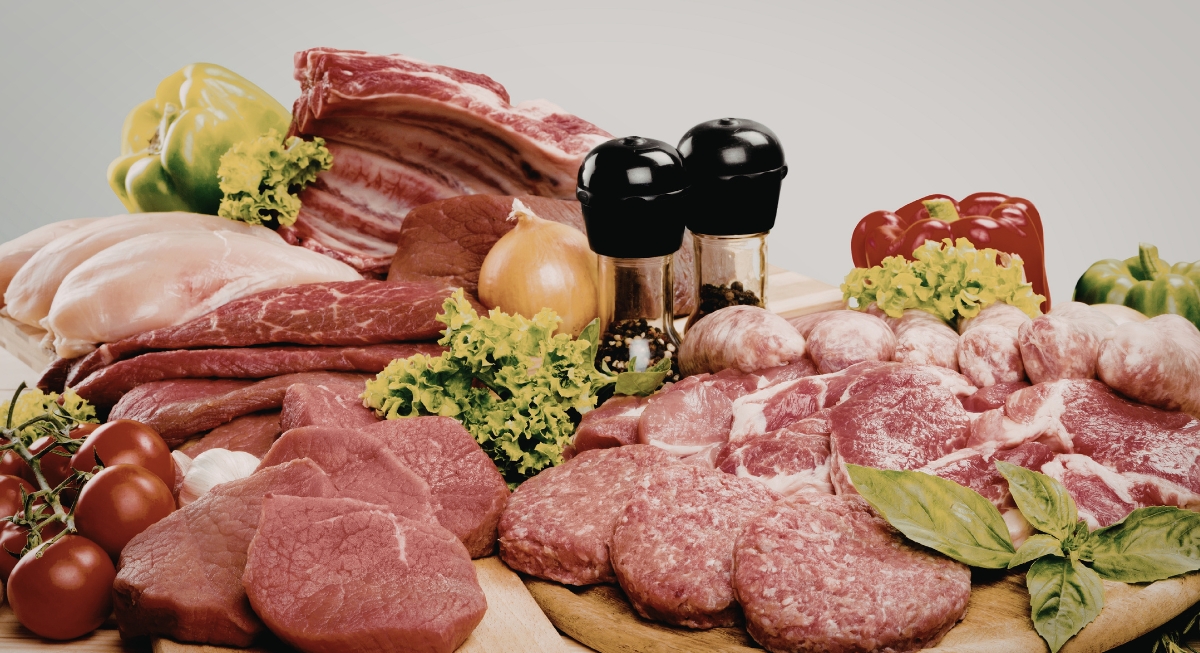
People often believe that there is nothing wrong with raw feeding because it appears closer to a natural diet. In reality, it introduces risks that are easy to overlook. Meat can carry bacteria like Salmonella, while eggs can interfere with vitamin absorption and affect coat health. Bones add another issue, since they can cause choking or internal injury.
Citrus and Coconut Products
Credit: Canva
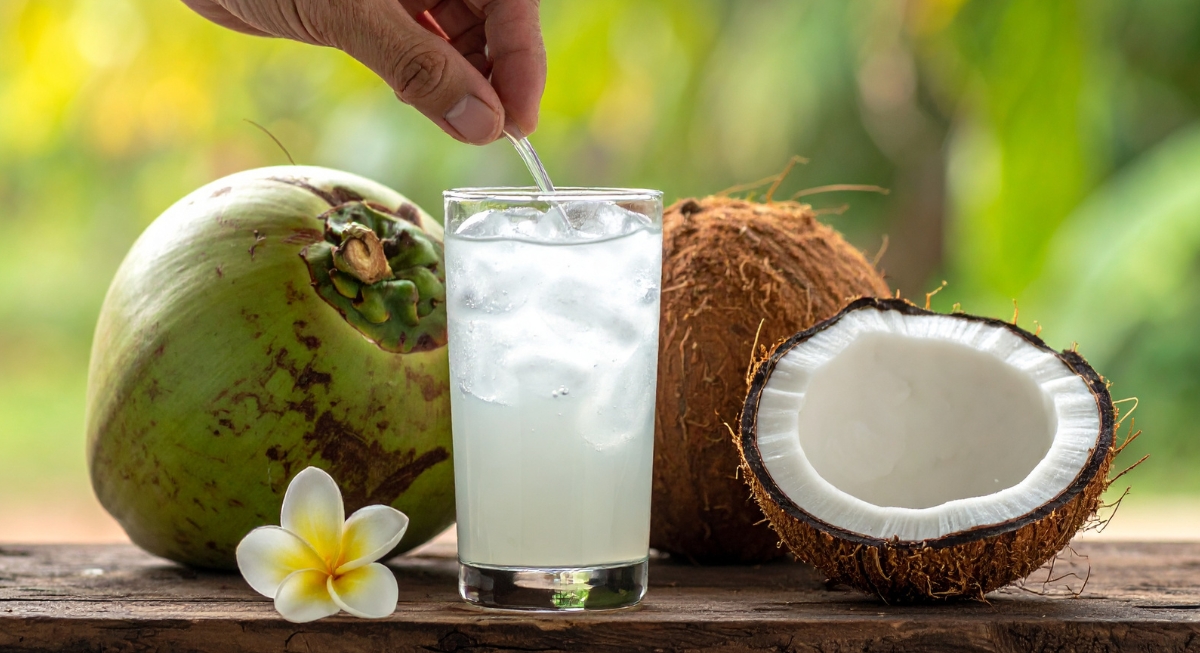
Citrus fruits contain oils that can irritate a dog’s digestive system, especially in larger amounts. The peels and seeds carry higher concentrations, which increase the chance of stomach upset. Dogs may show signs like vomiting or discomfort after eating them. Coconut products can also cause digestive issues, particularly in dogs with sensitive stomachs, leading to loose stools or irritation.
Macadamia Nuts
Credit: Getty Images
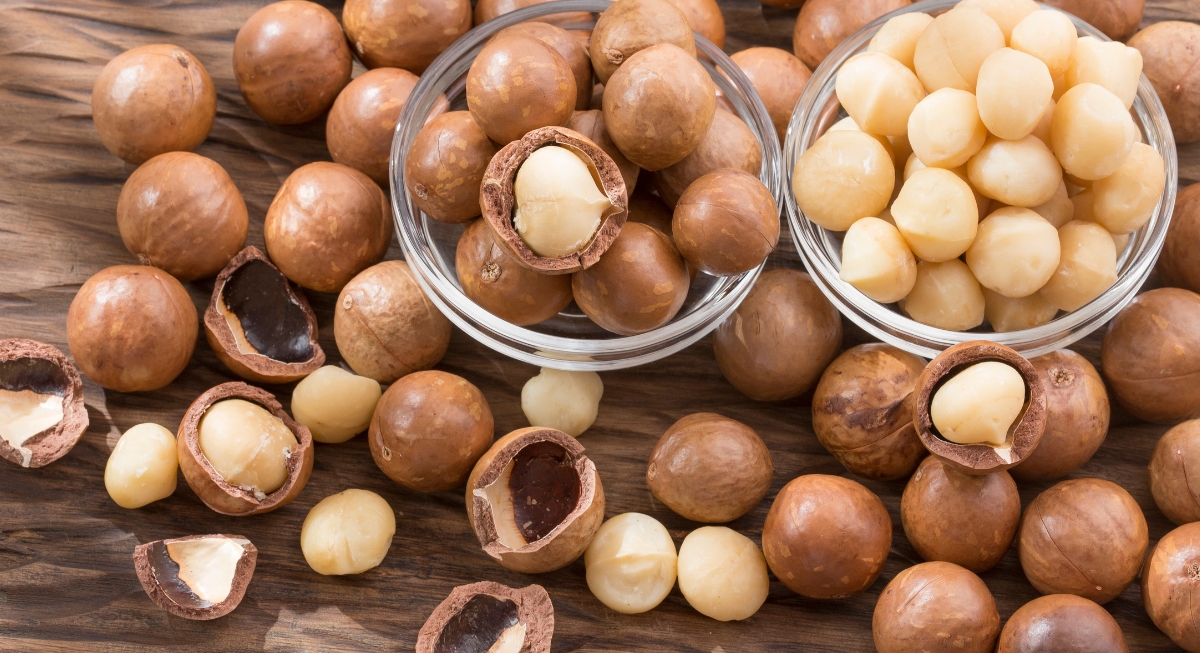
Vomiting, tremors, weakness, and an unusual increase in body temperature are only some of the symptoms dogs may experience after eating macadamia nuts. The exact cause of toxicity remains unknown, which makes it difficult to predict how severely your pet may respond. Because of this uncertainty, any exposure should be taken seriously.