Stop Ignoring This Common Dog Signal Because It Means Something Else
When a dog drops their chest to the ground and lifts their back end into the air, most people call it a play bow, which means they want to play. In many situations, that interpretation is correct.
The play bow is one of the clearest visual signals in canine communication. Research in animal behavior shows that it functions as a deliberate social cue. But posture alone does not tell the whole story.
What the Play Bow Really Signals During Play
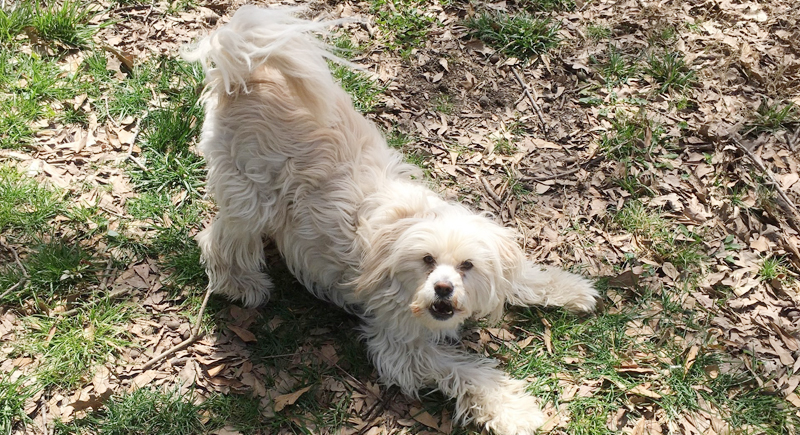
Image via Wikimedia Commons/SaltySemanticSchmuck
In relaxed dogs, the bow acts as a social invitation. The front legs extend forward, elbows touch the ground, and the hindquarters stay raised. The muscles remain loose. The tail moves freely. The body often springs back up into exaggerated movement.
Studies on dog play show that bows frequently occur just before play begins and after short pauses during active interaction. Researchers have documented that when play temporarily slows, one dog often bows before wrestling resumes. This pattern suggests the bow works as a reset signal. It clarifies intent and maintains cooperation.
Animal behaviorist Marc Bekoff has described play bows as metacommunication signals. In other words, they signal that whatever follows should be interpreted as play. Dogs bite, chase, growl, and body-slam during play. Those actions resemble aggression on the surface. The bow helps prevent misunderstanding by framing the behavior that follows.
How Bows Keep Play From Escalating
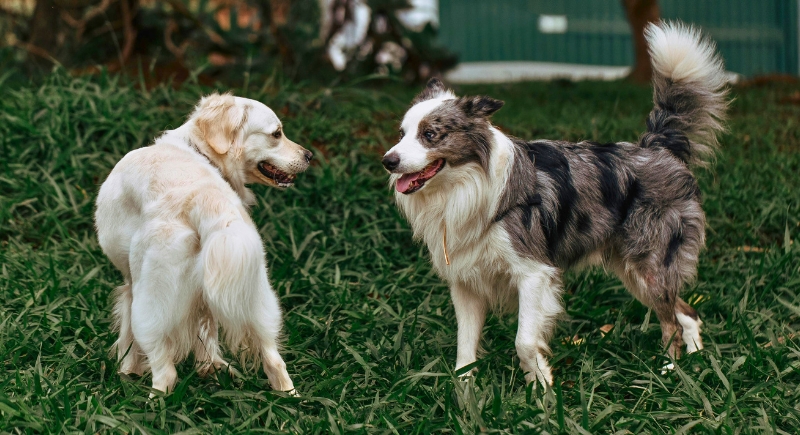
Image via Pexels/Helena Lopes
Play between dogs can get intense fast. When things become a little too rough or excitement spikes, you will often see a quick play bow right after a hard bump or bite. It works like a reset button, telling the other dog, “We’re still playing.”
Dogs that play well usually take turns chasing and holding back their strength. If that balance slips for a moment, the bow helps bring the interaction back into safe territory.
Sometimes the bow turns straight into a sprint. The dog drops low in front, then dashes off in loose, bouncy motion, inviting pursuit. That relaxed, springy movement signals playfulness, not conflict.
When the Same Posture Means Something Different
The bow does not always signal play, and it is important that you pay attention.
Behavior observers have documented bows that occur over toys or other valued objects. In these situations, the head remains low and close to the resource. The muscles appear tighter. Eye contact becomes fixed. If the toy sits between the paws and the body remains rigid, the posture may signal possession rather than invitation.
A low growl or a stiff mouth increases the likelihood that the signal indicates resource guarding. In this context, approaching casually can escalate tension. The difference lies in muscle tone and follow-up behavior, not the basic shape of the bow.
Dogs also use a more still, less bouncy bow to interrupt movement. When another dog approaches too directly, that reduced-motion bow can act as a pause signal, slowing the interaction instead of starting play.