Stop Using This Popular Cleaner Immediately if You Have Pets at Home
White vinegar is one of the most commonly used household cleaners in the United States. It is inexpensive, easily accessible, and widely promoted as a natural alternative to commercial cleaning products. Many pet owners rely on it for quick cleanups, especially for floors, carpets, and fabrics.
However, this popularity hides an issue. The same properties that make white vinegar useful for general cleaning create issues in homes with pets, particularly when paws, noses, and curious mouths are involved.
Why Vinegar Became the Go-To Cleaner
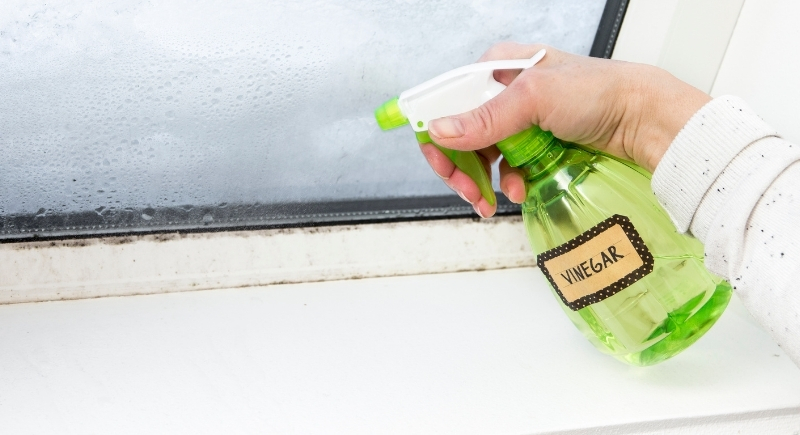
Image via Canva/FotoHelin
Vinegar earned its popularity for good reasons. The acetic acid helps break down mineral buildup, tackle grease, and wipe away surface grime. It costs a few dollars per gallon in the United States and feels safer than chemical-heavy alternatives.
That reputation spread into pet households without much scrutiny. Vinegar may sound mild, but it has a sharp smell that fades quickly, and many people assume this means it plays nicely with animals. It, in fact, does not.
What Vinegar Gets Wrong With Pet Messes
Pet accidents leave behind more than visible stains. Urine, vomit, and feces contain proteins that sink into carpet fibers, rugs, and upholstery. Vinegar does not break down those proteins, but covers the smell temporarily and leaves the source behind.
It is essential to note that pets track scent more effectively than humans. A spot that smells clean to humans can still signal “bathroom” to a dog or cat. This increases the likelihood of repeat accidents in the same area, even after repeated cleaning. Vinegar can also intensify certain odors as it dries, particularly those associated with urine. Instead of neutralizing the problem, it locks it in.
The Safety Issues Most People Miss
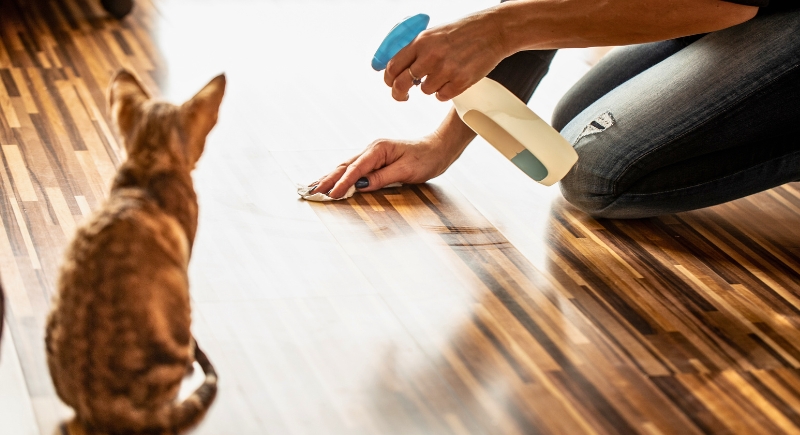
Image via Getty Images/CasarsaGuru
Effectiveness is only part of the issue; safety is more important. Pets interact with cleaned areas differently from humans. They walk across damp floors, lie on rugs, and lick their paws. Thus, strong acidic cleaners increase the risk of irritation during contact. Veterinary guidance emphasizes that many common household cleaners can cause problems through inhalation and skin exposure, as well as swallowing.
Aerosolized particles and residues on surfaces can irritate paws, tongues, and gastrointestinal systems. Vinegar may sound gentle, but undiluted solutions raise the risk of discomfort, especially on porous surfaces. If vinegar comes into contact with wood, marble, or natural stone, it can damage the finishes. That damage creates rough patches that trap odors and residues even deeper.
Enzyme Cleaners Work Better
Enzyme cleaners solve the problem that vinegar misses. They target the proteins inside pet waste and break them down into carbon dioxide and water. That removes the scent marker pets rely on, instead of covering it up. These cleaners work well on carpet, rugs, and upholstery, and remain safer around pets when used correctly.
Many enzyme formulas also avoid harsh fragrances that attract animals back to the same spot. This difference explains why switching cleaners often stops repeat accidents without any change in training.
When Vinegar Shows Up as a Backup Option
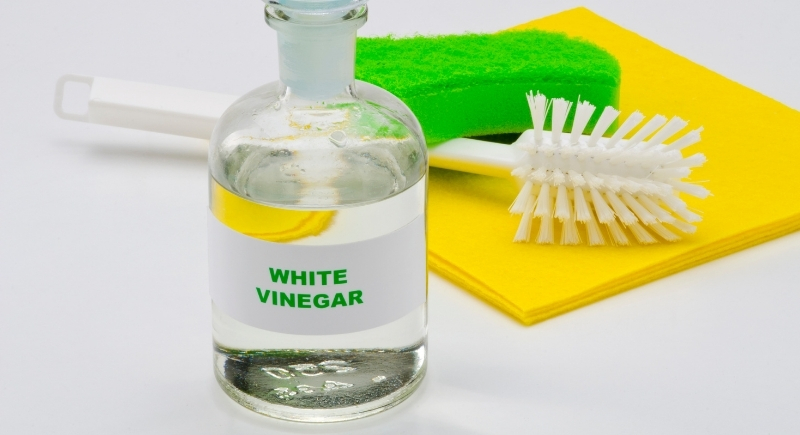
Image via Getty Images/Pat_Hastings
Sometimes, vinegar is the only option during a last-minute cleanup. In those cases, dilution is vital. Mixing white vinegar with water at a 50 percent ratio reduces irritation risks and surface damage. Blotting first and rinsing with clean water helps minimize residue.
That approach works as a temporary step. Following up with an enzyme cleaner removes what vinegar leaves behind. Generally, it is best to avoid using undiluted vinegar around pets. Accidental ingestion can lead to gastrointestinal upset and pain.
Smarter Cleaning Habits for Pet Homes
Pet-safe cleaning starts with understanding exposure. Keep animals out of rooms during cleaning, ventilate thoroughly, and let surfaces dry completely before allowing paws to return. Ingredient awareness matters too. Chemicals such as bleach, ammonia, hydrogen peroxide, and phenols pose known risks to pets, according to guidance referenced by the Centers for Disease Control and Prevention and veterinary poison experts.
If exposure happens, resources like the ASPCA Animal Poison Control Center at 888-426-4435 provide immediate guidance. White vinegar feels familiar and harmless, which makes it easy to overlook its downsides. In homes with pets, that assumption leads to lingering smells, repeated messes, and avoidable safety concerns. Switching to cleaners designed for pet biology changes the outcome faster than scrubbing harder ever will.