9 Ways to Stop Your Dog From Digging Up the Yard
When a dog starts tearing up the yard, it is easy to treat it like a landscaping issue. In reality, digging is usually a response to boredom, excess energy, stress, or curiosity rather than simple mischief. Once you understand what is driving the behavior, it becomes much easier to redirect it in ways that feel fair to both of you. These small, practical adjustments can reduce digging without turning it into a battle.
Keep the Brain Busy

Credit: Getty Images
When your dog finds nothing to solve, sniff, or think about, the ground becomes the most interesting option available. Mental work makes a bigger dent than most owners expect, so sniffing games, food puzzles, or even rotating toys every few days gives the brain something to chew on.
Burn Energy the Right Way

Credit: Canva
A quick walk around the block doesn’t always touch the kind of energy that ends up in holes. Some dogs need their muscles challenged, not just their legs moved. Games that involve pulling, chasing, or problem-solving burn energy more evenly. After the right kind of exertion, many dogs choose to rest instead of hunting in the yard.
Cool Dogs Down Before They Dig

Credit: Canva
On hot days, the soil beneath the surface stays noticeably cooler than the air above it. For many dogs, digging is less about destruction and more about finding relief. When they have better ways to stay comfortable, that urge often drops off on its own. Consistent shade, fresh water, and cooling options can make the yard feel livable without turning it into a digging zone.
Stop Accidental Rewards

Credit: Canva
From a dog’s point of view, running outside, shouting, or waving arms can look like instant entertainment. Even negative attention is still attention. When digging stops being interesting to humans and starts being boring, it loses value. Redirecting that energy toward play or training teaches a quieter lesson: calm behavior is what gets noticed.
Limit Buried Treasure

Credit: Getty Images
Some dogs dig because they feel the urge to stash things they care about, whether that’s a chew, a toy, or food. It is an old instinct tied to keeping valued items safe. When those high-value objects stay indoors, the temptation disappears. With less worth hiding in the yard, digging becomes far less appealing, especially during quiet hours when no one is around.
Create an Approved Dig Spot
Credit: Getty Images
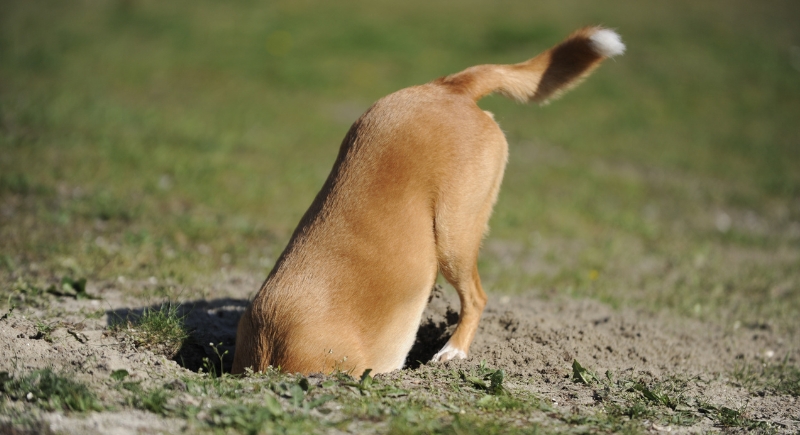
For certain dogs, confusion comes from everything being off-limits. When the yard offers no clear signals, they fill the gap with experimentation. A single area that feels different underfoot can stand out in a way words never will. Dogs tend to organize spaces visually and physically, noticing textures and boundaries long before they understand verbal rules.
Remove Underground Temptations

Credit: Getty Images
What looks like plain grass to us is full of information to a dog. Underground scents from insects, rodents, roots, and even other dogs can hang around for days, especially after rain or irrigation. Moist soil traps and amplifies smells, turning certain patches into hotspots of activity.
Use Training to Interrupt
Credit: Canva
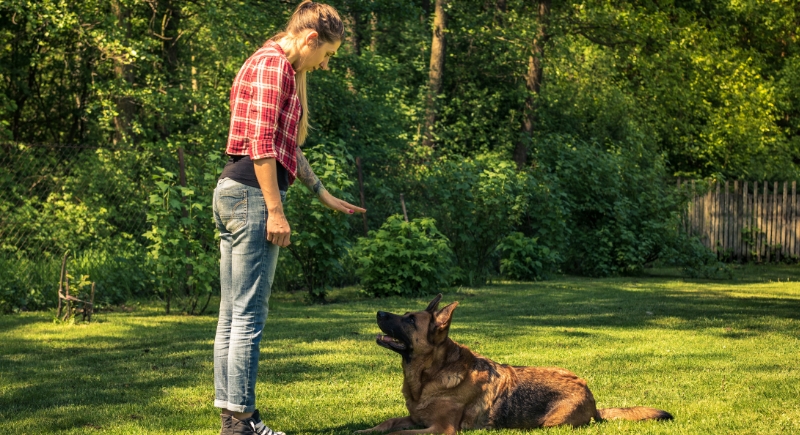
Digging often happens faster than people realize. A few seconds of focus, a burst of movement, and the moment passes. From a dog’s point of view, responses that arrive late don’t connect to the action itself. Even if the interruption is intense and loud, it won’t matter after the hole already exists.
Reduce Anxiety Triggers

Credit: Getty Images
Some dogs express stress quietly, through repetitive actions instead of obvious panic. Thunder, fireworks, neighborhood noise, or long stretches alone can push that tension into physical habits like digging. It doesn’t always look dramatic. A dog may seem calm while still unloading nervous energy through their paws, especially when the environment feels unpredictable or overstimulating.
Secure the Perimeter

Credit: Getty Images
Escape attempts usually leave clues near fences. Dogs test edges when they’re curious, restless, or unsure how solid the barrier really is. Loose soil, gaps, or shallow fencing invite investigation without the dog actively planning an escape. The edge feels negotiable, and dogs notice that long before people do.