12 Weird Things Hamsters Do and What They Mean
Hamsters might look like tiny, snack-powered athletes, but their daily habits can feel baffling if you are new to owning one. From sudden freezes to late-night acrobatics, their behavior often seems random at first glance. It rarely is. Most of these strange little routines come from instinct, communication, or the uniquely hamster way of making sense of the world. Here is a closer look at some of the odd things hamsters do, and what they are actually trying to tell you.
Random Mid-Air Jumps
Credit: Getty Images
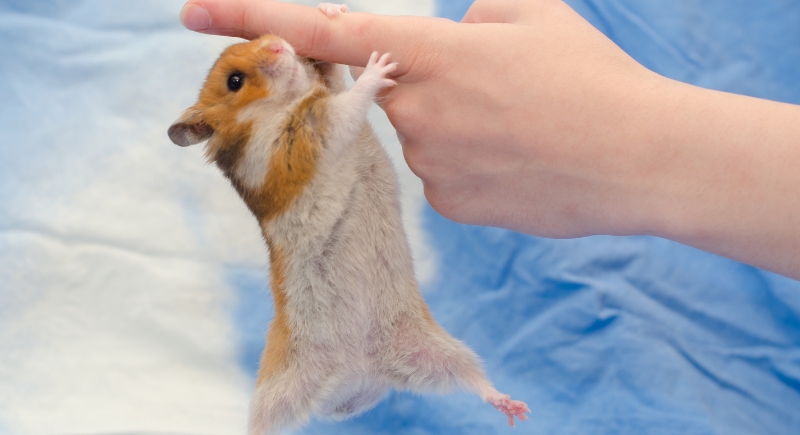
These sudden jumps, known as “popcorning,” are often associated with excitement or high energy. Young hamsters do it more often, but even adults will bounce around when they’re feeling playful or overstimulated. It usually means they’re in a good mood, though it might look slightly unhinged at first glance.
Obsessive Bar Biting
Credit: Getty Images
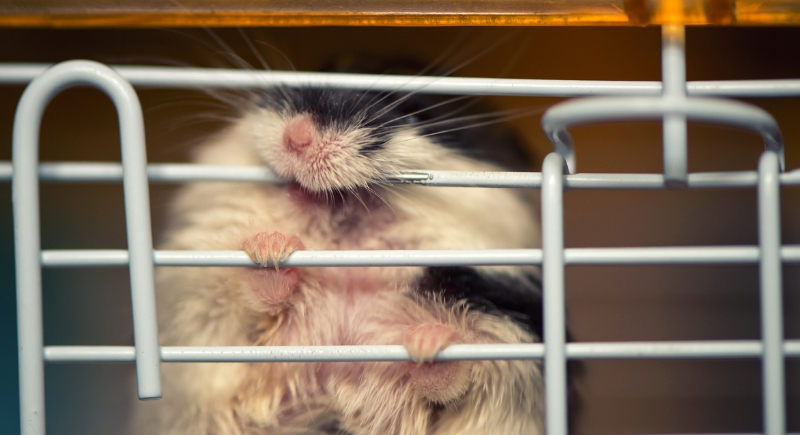
Repetitive chewing on cage bars is usually a sign of stress or frustration rather than a harmless habit. A hamster may be trying to escape a space that feels too small, or reacting to boredom when there is not enough to explore. While gnawing does help keep teeth worn down, the behavior also serves as a clear hint that the cage layout, space, or daily stimulation may need to be adjusted.
Sudden Freezes With Wide Eyes

Credit: pixabay
A hamster may suddenly stop moving, eyes wide and ears alert, as if something alarming just appeared. Nothing supernatural is happening. It is responding to an unfamiliar sound, scent, or vibration in its surroundings. This moment of total stillness comes from prey instinct. By freezing, the hamster hopes to avoid drawing attention until it decides whether the situation is safe.
Cheek Pouch Overload

Credit: Getty Images
Hamsters’ cheek pouches can hold about half their body weight and stretch back toward the shoulders. In the wild, this trick lets them gather supplies quickly and stash them in hidden burrows. At home, it’s a sign they’re feeling secure enough to stock up for later, even if the pantry is a food bowl away.
Scent Gland Rubbing
Credit: Canva
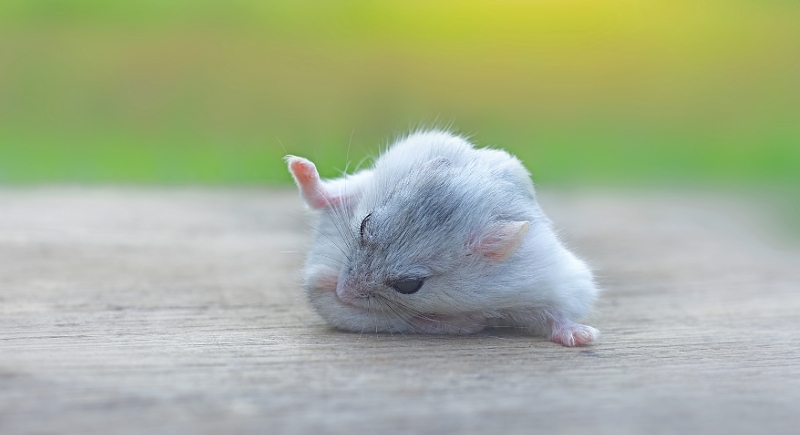
When a hamster rubs its hips or belly on objects, it’s marking territory. Syrians do this with flank glands, while dwarves use a scent gland on their underside. The behavior spreads pheromones that communicate ownership to other hamsters, even if none are around.
Wheel Running Marathons
Credit: Getty Images
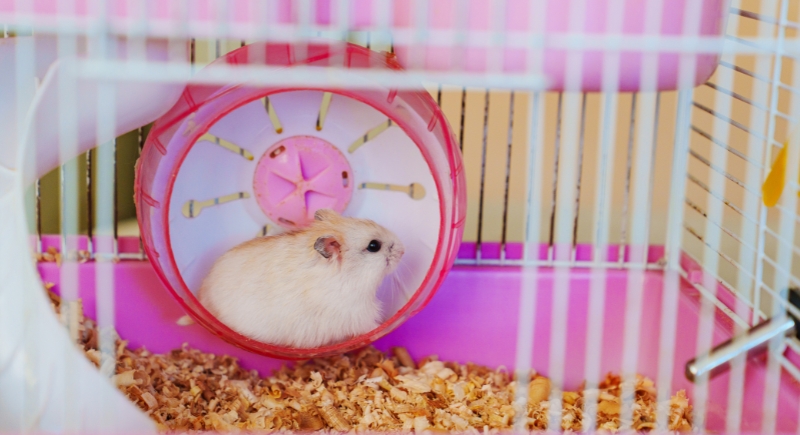
Hamsters can clock several miles overnight on an exercise wheel, which is a normal and necessary activity. In the wild, they’d travel long distances searching for food. The wheel mimics that instinctive drive. A hamster that runs for hours is just following its natural urge to move.
Sleeping in Odd Positions
Credit: Getty Images
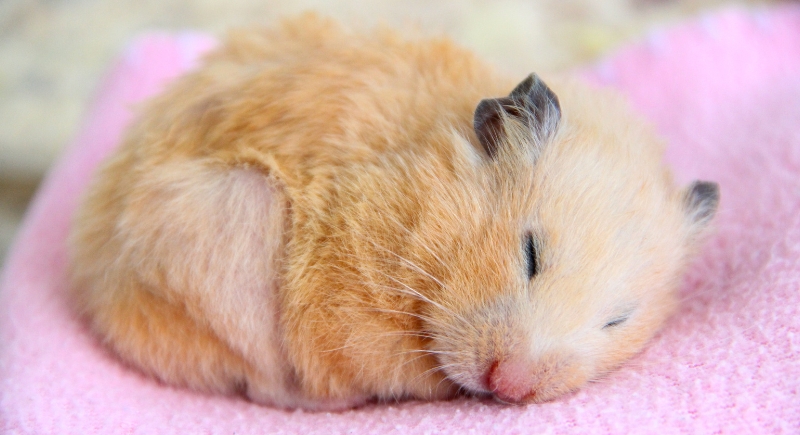
Hamsters do not all sleep the same way, and their positions can look strange to someone watching for the first time. A body stretched out, twisted, or even lying on its back can be surprising but is rarely a problem. These relaxed sleep postures usually indicate comfort and security. When a hamster feels safe in its space, it lets its body fully rest without staying guarded.
Sudden Hissing or Squeaking

Credit: Getty Images
These sounds are more serious than they seem. A loud squeak or short hiss usually means a hamster feels threatened. It may happen if a hand enters the cage too fast or another pet is too close. This behavior signals discomfort or fear.
Rearranging Cage Furniture

Credit: Getty Images
Don’t be surprised if your hamster moves bedding, flips its hideout, or stacks chew toys into a corner. It’s customizing the space to fit its own comfort or hoarding strategy. This kind of behavior is instinctive—hamsters naturally design tunnel systems and nests. Letting them rearrange their setup gives them control.
Grooming With Focused Intensity

Credit: Getty Images
A hamster cleaning its face with its little paws might look cute, but it’s also practical. They groom frequently to remove food bits, regulate scent, and stay comfortable. A relaxed grooming session signals contentment. Overgrooming or constant scratching, however, might suggest stress or skin irritation.