These 10 Japanese Monsters Are More Strange Than Scary
Japanese folklore includes many spirits, and not all of them are meant to frighten. Some are remembered for strange habits or mildly disruptive behavior rather than fear. They come across as odd, sometimes annoying, and occasionally confusing. This side of folklore shows that monsters can be memorable without being especially threatening.
Shirime
Credit: Wikimedia Commons
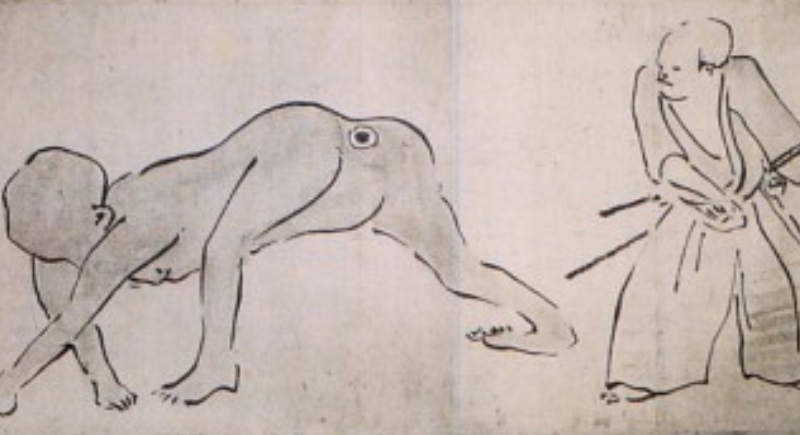
Shirime appears as a traveler who politely asks for help at night. The encounter turns bizarre when he reveals an unexpected eye on his backside. Edo-period texts mention this creature, and artists kept the legend alive for centuries. Stories never explain his purpose, which adds to the uncomfortable humor surrounding him.
Nurikabe
Credit: Wikipedia
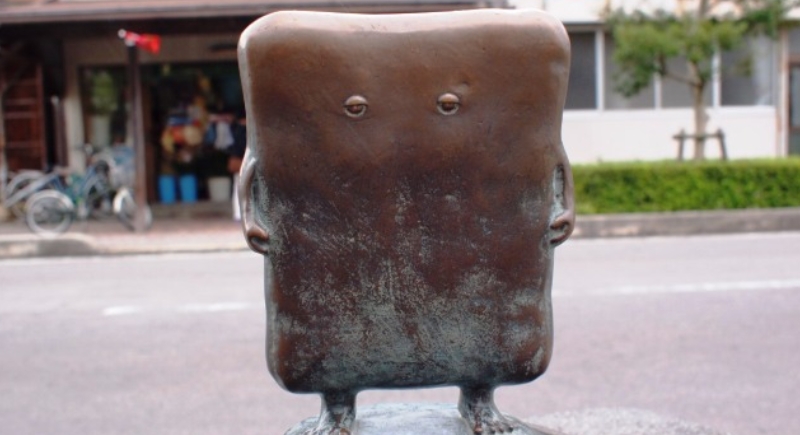
Nurikabe creates invisible walls that block travelers during nighttime walks. People try walking around the barrier, yet it keeps stretching. Climbing never works either. Folklore says tapping near the ground can make it disappear. The creature feels less like a threat and more like a symbol of frustrating obstacles that appear without warning.
Nopperabo
Credit: Wikipedia
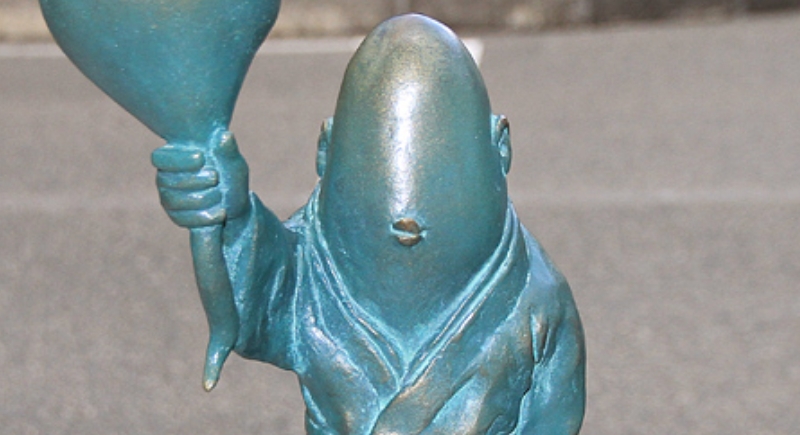
Nopperabo looks completely human at first. A casual conversation usually begins before the shock arrives. Their face suddenly turns smooth and featureless. Legends describe them as pranksters who enjoy startled reactions. They rarely harm anyone. Their stories focus on surprise and discomfort rather than danger.
Sunakake Babaa
Credit: Youtube
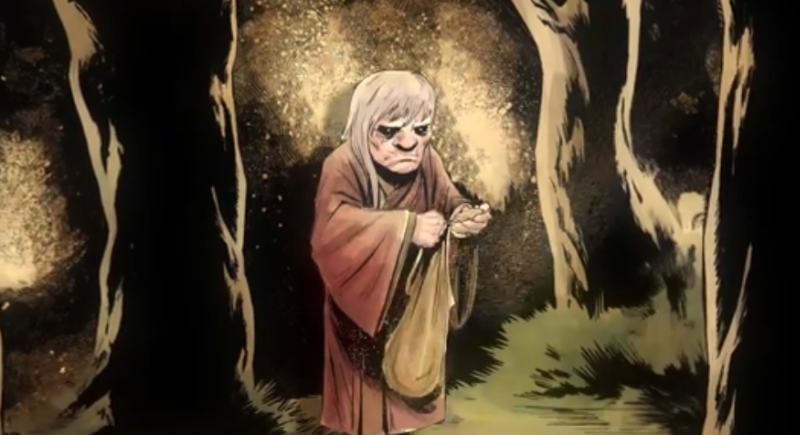
Sunakake Babaa appears as an elderly woman who throws sand into people’s faces before vanishing. Her behavior never changes across different legends. Scholars often interpret her as a playful explanation for sudden annoyance or disruption. The simplicity of her actions makes her oddly memorable in folklore.
Tanuki
Credit: Wikimedia Commons
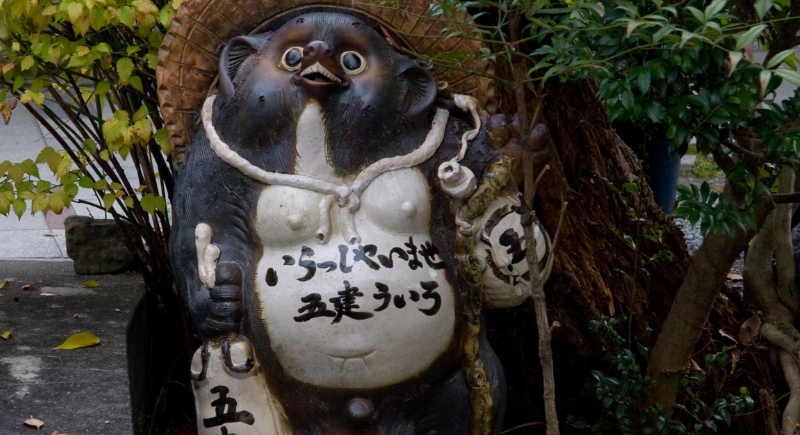
Tanuki are raccoon dogs famous for shapeshifting tricks. They enjoy harmless pranks such as disguising themselves as everyday objects or pretending to be monks. Traditional art exaggerates its playful appearance. Shops across Japan still display tanuki statues because they symbolize good fortune and cheerful mischief.
Kasa-Obake
Credit: Instagram
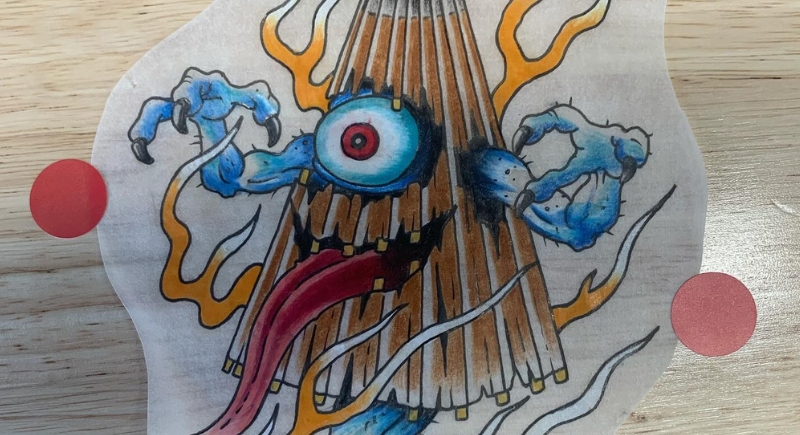
Kasa-Obake is a living umbrella with one eye and a single leg. Folklore links it to tsukumogami, objects believed to gain life after long use. The creature hops around homes and watches people closely. The legend reminds people to respect everyday belongings rather than discard them carelessly.
Rokurokubi
Credit: Wikimedia Commons
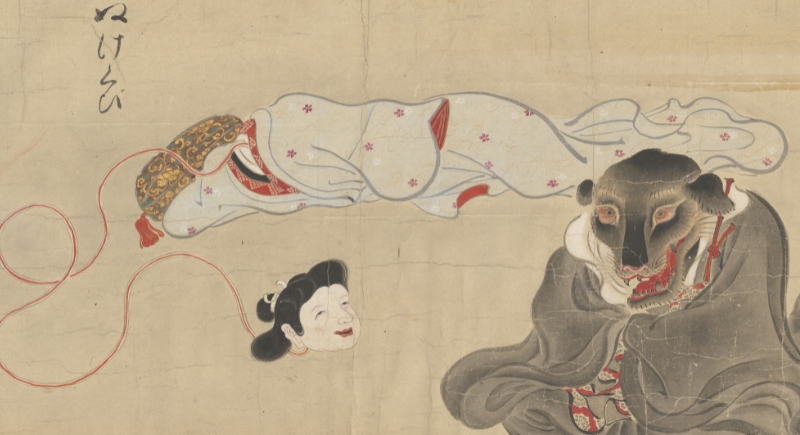
Rokurokubi appear as ordinary women during the day. Nighttime reveals their unusual ability as their neck stretches across rooms and hallways. Most legends describe awkward discoveries instead of violence. Their stories highlight the contrast between normal appearances and hidden strangeness.
Ashiarai Yashiki
Credit: Facebook
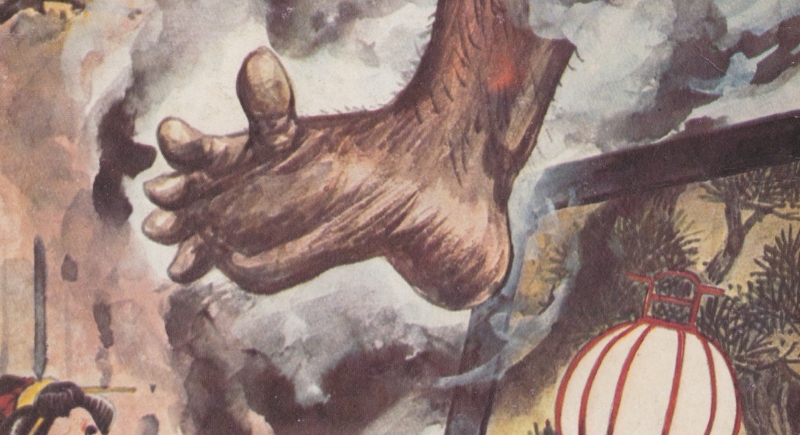
Ashiarai Yashiki involves a giant foot crashing through ceilings and demanding to be washed. Homeowners must clean it carefully until it leaves. The encounter creates chaos yet rarely causes direct harm. The story feels absurd, turning household panic into a strange negotiation with a demanding visitor.
Zashiki Warashi
Credit: Youtube
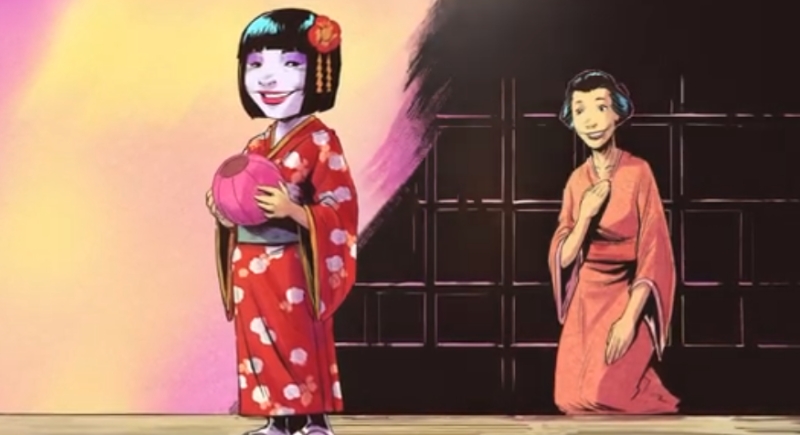
Zashiki Warashi are childlike spirits believed to live inside homes. They play small pranks such as leaving footprints or moving objects. Families once believed their presence brought prosperity and protection. Legends warn that losing them could invite bad luck, which makes them unusual among ghost stories.
Betobeto-san
Credit: Youtube
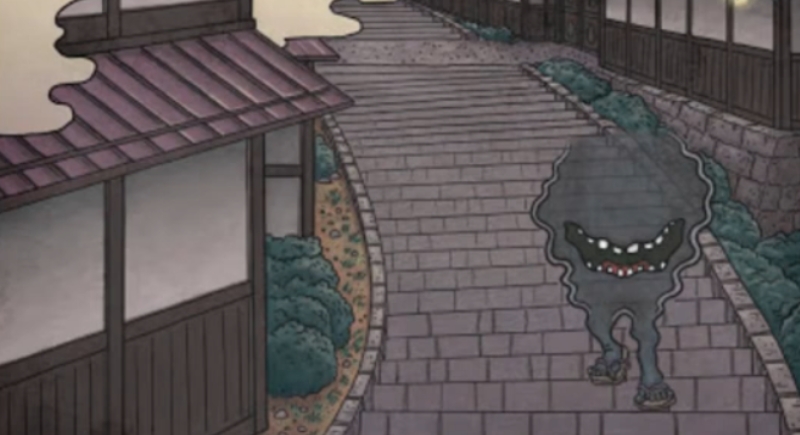
Betobeto-san announces itself through footsteps that follow people along empty roads. The sound always matches the traveler’s pace. Turning around reveals nothing. Folklore suggests stepping aside and politely letting the spirit pass. The creature reflects the uneasy feeling of being followed when no one is there.