10 Scents That Are Overwhelmingly Strong to Dogs (But Odorless to Us)
Dogs experience the world through scent in a way that’s almost alien to humans. Their noses have up to 300 million receptors, compared to our five million. That makes their perception of odor massively more intense; in fact, dogs can pick up even those smells we don’t know exist. Certain aromas that seem totally odorless to us are loud and clear signals to them. These smells can guide search efforts, predict medical episodes, or uncover hidden items.
Electronic Devices

Credit: Canva
Inside every phone, USB stick, or memory card is a compound called triphenylphosphine oxide. Humans can’t smell it at all, but dogs trained to detect electronics can find it easily. This ability has helped law enforcement uncover hidden evidence during major investigations. One black Lab famously found a concealed thumb drive that led to a conviction.
Stress Hormones

Credit: Getty Images
To a dog, someone feeling anxious doesn’t just act differently, but they smell different, too. Hormones like cortisol rise in the body during stress, and pups can detect those changes through sweat and breath. This makes them especially helpful for people with anxiety disorders or PTSD. Service dogs learn to alert their handlers early.
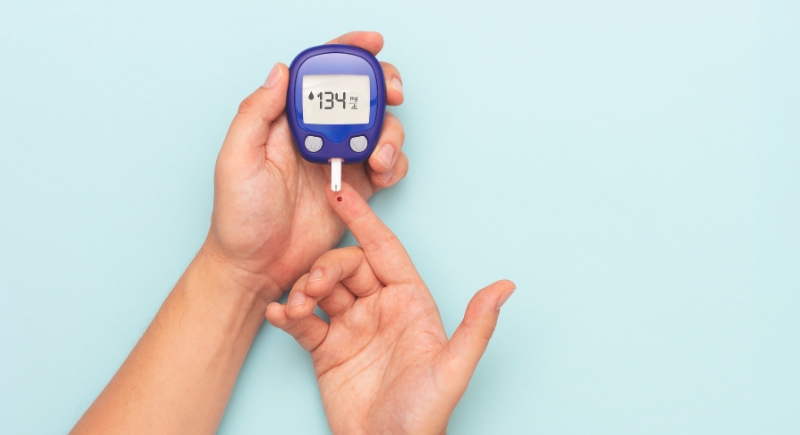
Low Blood Sugar
Credit: Canva
Trained diabetic alert dogs tend to react before any visible symptoms appear. That’s because low blood sugar creates a subtle chemical scent change that dogs learn to recognize. The signal comes through the person’s breath or skin, and dogs associate it with reward-based training. When they detect it, they may nudge, bark, or seek help.
Cancer Compounds
Credit: Getty Images
Medical studies show that dogs can detect certain types of cancer, such as lung or breast cancer, with high accuracy. This is because they respond to volatile organic compounds released by tumors, which aren’t detectable by people. Some clinics now use trained dogs alongside traditional screening tools.
Pre-Seizure Scent Changes

Credit: Canva
Before a seizure begins, the body emits a scent that dogs can detect. Experts haven’t isolated the exact compound, but working dogs consistently detect it. This gives people with epilepsy a chance to prepare, such as by lying down, alerting someone, or avoiding stairs. Dogs typically learn this skill by working closely with their owner and observing patterns over time.
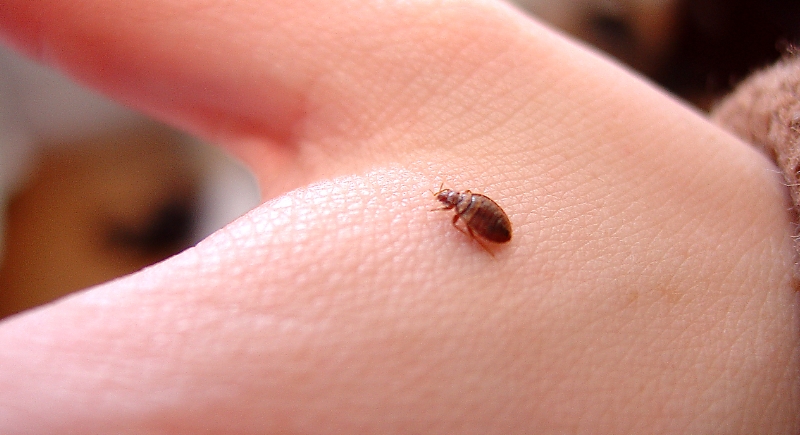
Live Bed Bugs
Credit: Wikimedia Commons
Even in a spotless hotel room, just one live bed bug gives off a smell that dogs can detect in seconds. Pest control companies now use bed bug detection dogs to locate infestations early, before they spread. The bugs release a specific odor from their scent glands, which dogs are trained to recognize.
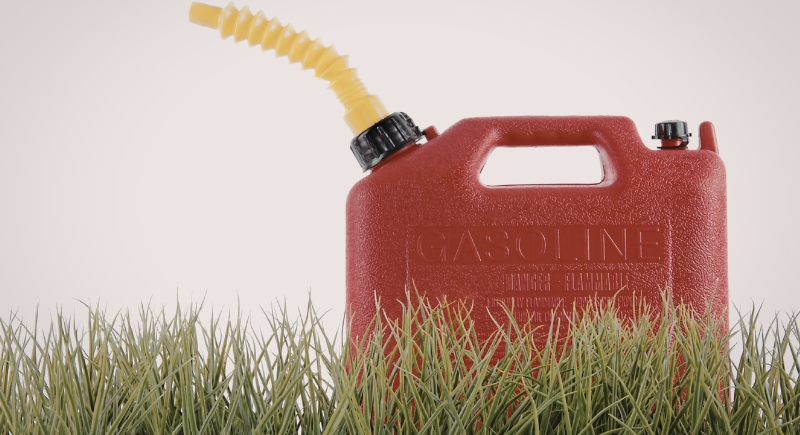
Gasoline and Other Accelerants
Credit: Canva
Dogs working in fire investigations can find traces of gasoline or diesel even after a building burns down. Just a single drop leaves behind enough scent for detection. These dogs search for debris, vehicles, or clothing to help pinpoint where and how a fire started. Their work helps arson investigators gather evidence quickly in hazardous environments.
Digital Storage Media
Credit: Canva
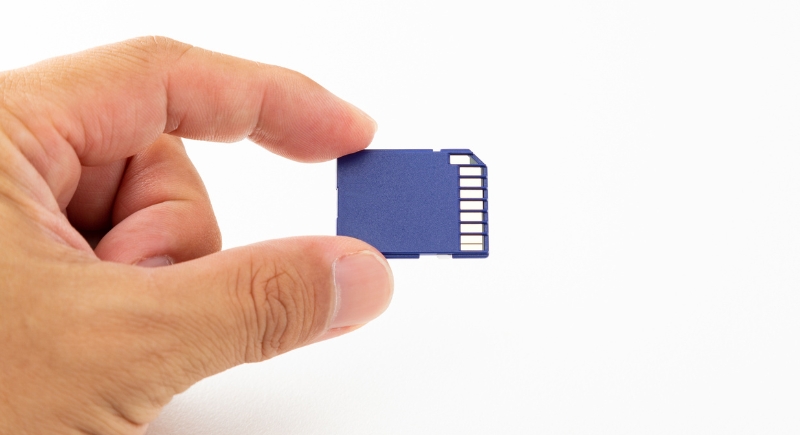
In 2015, electronic scent detection gained attention after trained dogs helped uncover hidden digital evidence during cybercrime investigations. The compound dogs detect in digital storage devices isn’t tied to what’s stored on them, but to how they’re made. A chemical used in electronics manufacturing is found in flash drives, SD cards, and phones.
Individual Human Scents

Credit: Getty Images
Each person leaves behind a unique trail made up of sweat, skin cells, and body oils. Humans can’t detect these trails, but dogs can follow them over long distances and even through water or rubble. Search-and-rescue dogs rely on this skill to locate missing people after disasters.
TCA in Wineries

Credit: Canva
Winemakers worry about TCA, which is short for 2,4,6-trichloroanisole, because even a tiny amount can ruin wine. It hides in corks, barrels, and packaging materials. This is why specialized dogs are brought in to smell it long before humans notice anything is wrong. Since 2012, some vineyards have hired dogs to inspect production areas.