10 Backyard Wildlife Species That Are More Common in Suburbs Than You Think
All our lives, we have pictured wildlife deep in forests, deserts, and mountain ranges, far from crowded neighborhoods and shopping centers. However, not all animals live far away, and a surprising number of them can be found beside sidewalks, garages, fences, and sometimes, your own backyard.
And if you are wondering how they get there, many animals quietly adapt to suburban life by using storm drains, parks, gardens, rooftops, and fences to find food and shelter. Most stay out of sight because they are active late at night or early in the morning. Still, they leave clues behind. Torn trash bags, muddy pawprints, strange sounds outside, or missing vegetables from a garden can all point to wildlife living nearby.
Raccoons
Credit: Wikimedia Commons
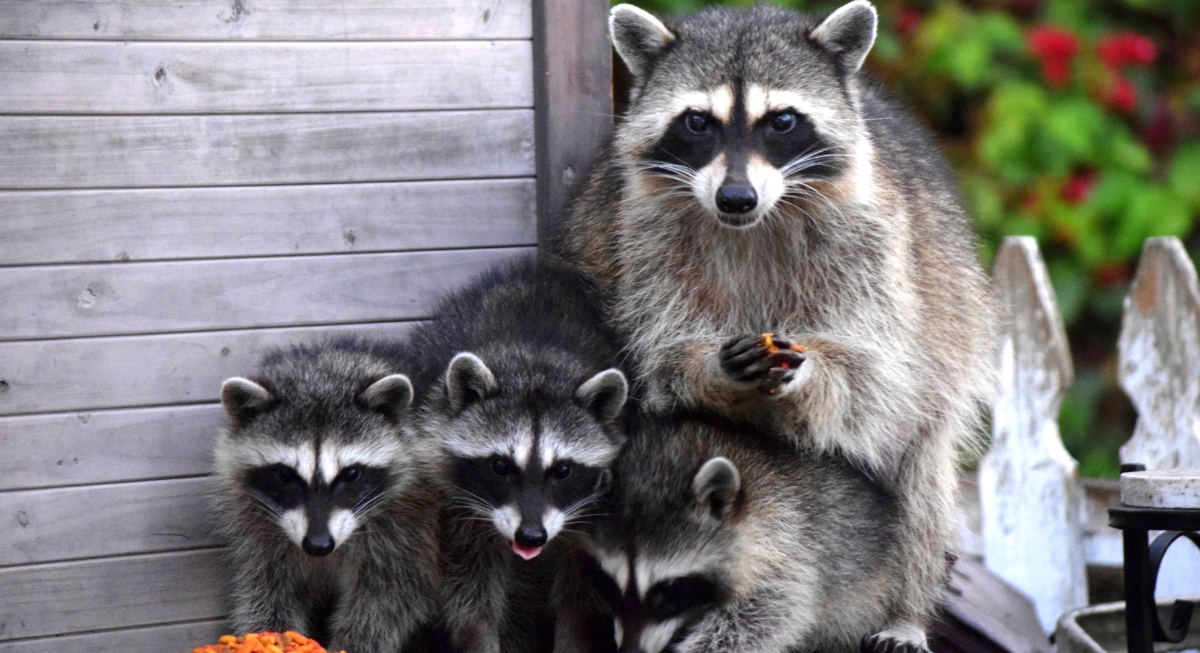
If you hear noises near your garbage bins late at night, possibly raccoons have discovered an easy food source on your property. They survive comfortably alongside people, as suburban neighborhoods provide shelter, pet food, garden crops, and unsecured trash year-round.
Coyotes
Credit: Wikimedia Commons
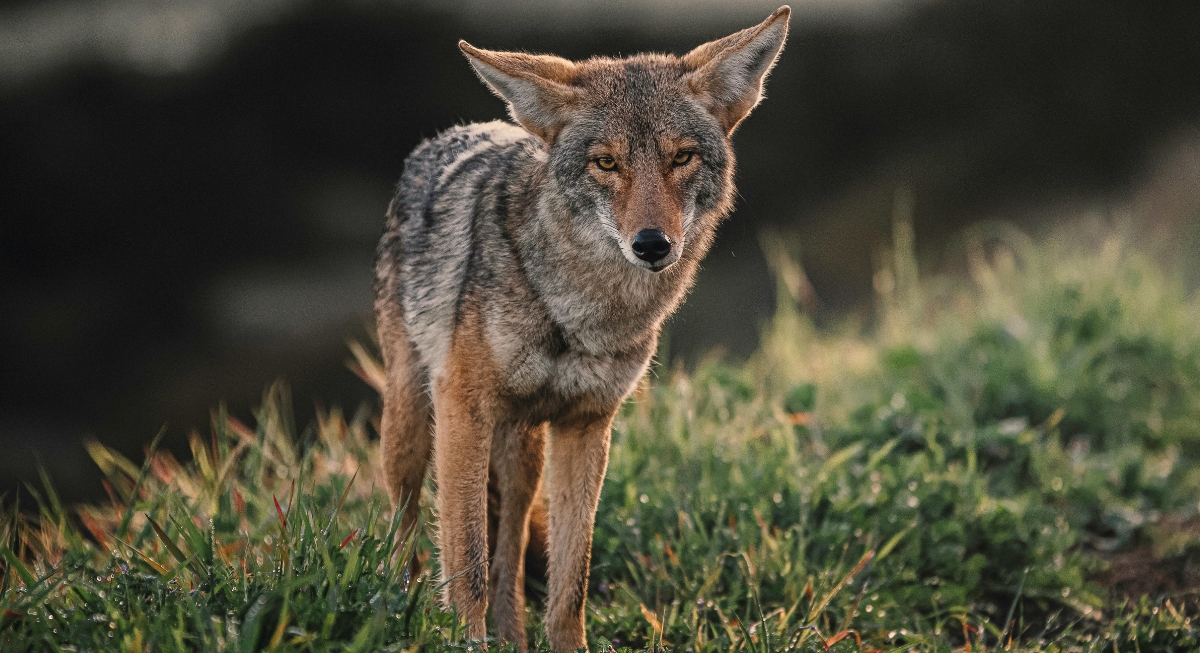
Suburban coyotes can be seen traveling through parks, drainage channels, and undeveloped lots after activity in the area slows in the evening. Biologists classify these as adaptable omnivores because they eat rodents, insects, fruit, and other discarded food. You can spot this animal near your home, but attacks involving humans are extremely uncommon.
Opossums
Credit: Wikimedia Commons
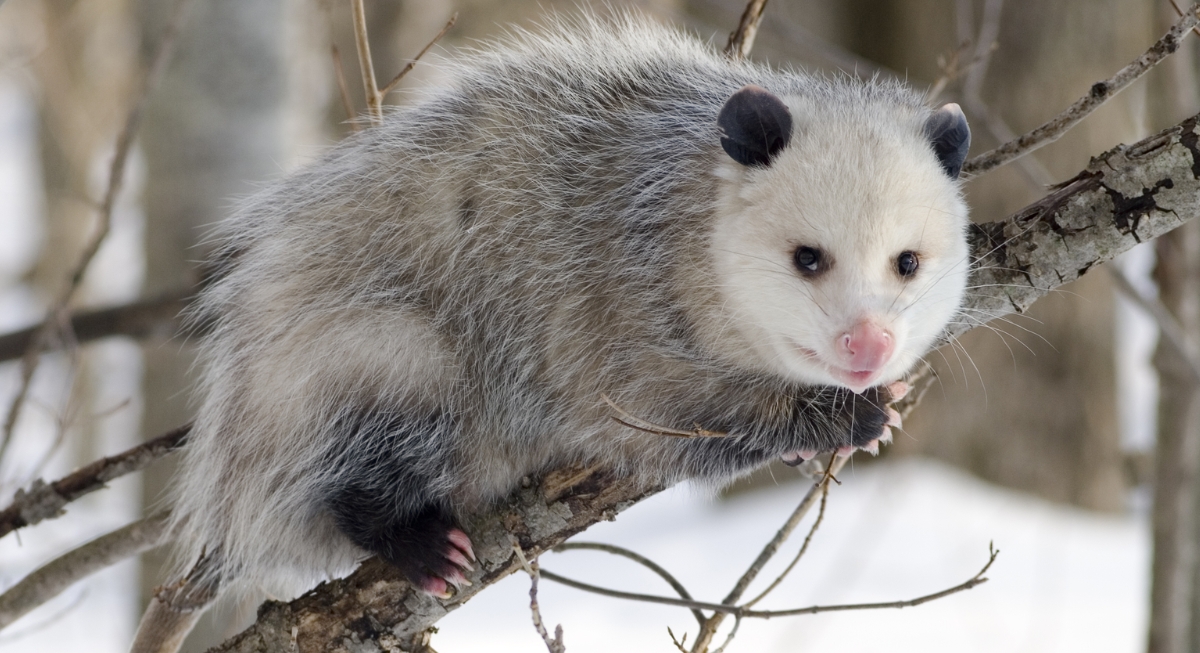
North America has only one marsupial species, the opossum, and healthy populations of these creatures can be found in parks and residential areas. Many homeowners mistake them for dangerous animals, while they actually avoid conflict and regularly spend nights searching for insects, carrion, fruit, and leftover pet food.
Foxes
Credit: Wikimedia Commons
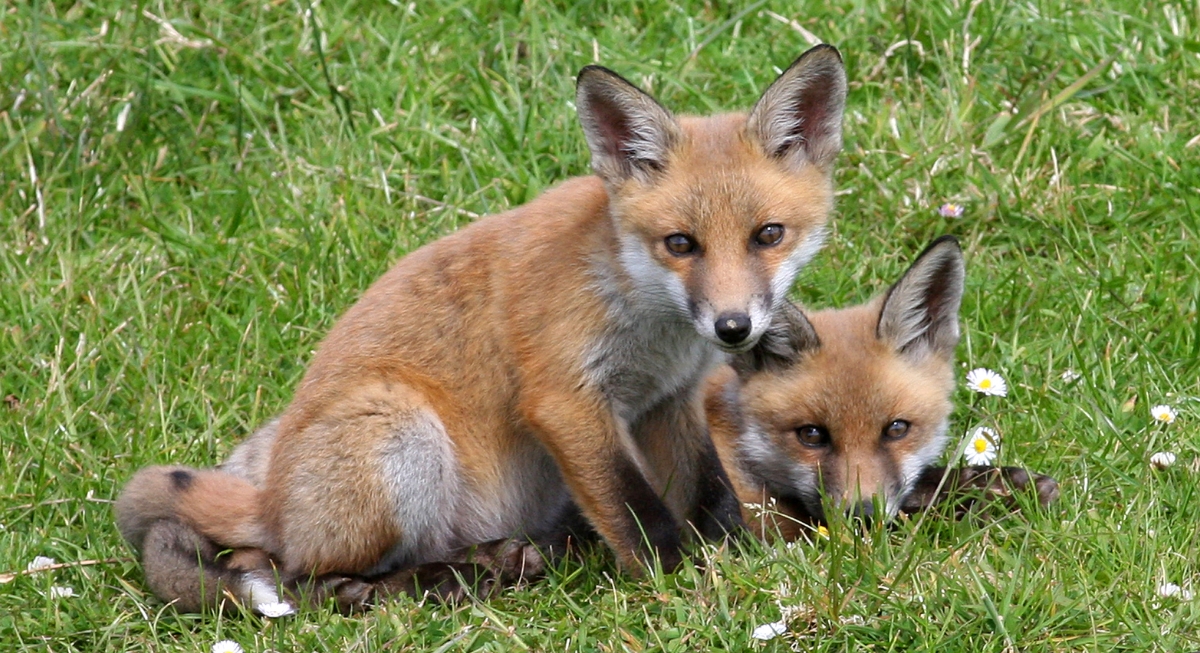
Small pawprints across the lawn or movement near a fence late at night could mean a fox has been passing through the area. Foxes often settle beneath porches, near wooded property lines, or inside thick brush where they can stay hidden during the day. Even in the suburbs, they usually keep their distance from people and avoid direct interaction whenever possible.
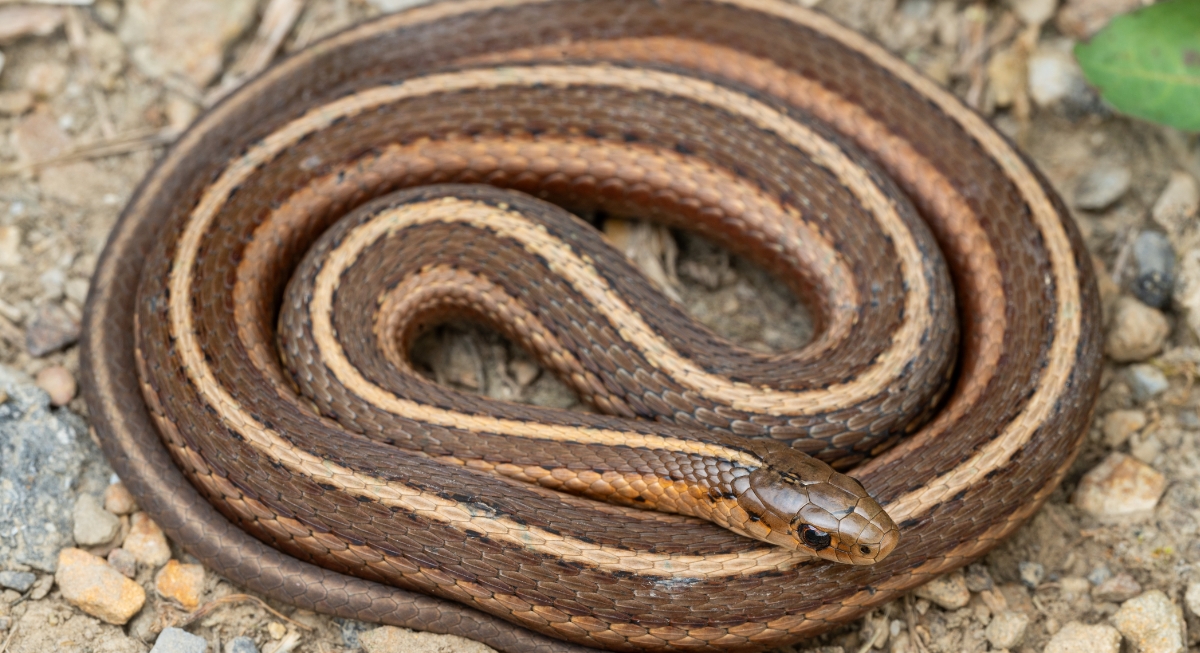
Snakes
Credit: Wikimedia Commons
Fear shapes many conversations about snakes, though most species keep their distance from humans once they sense movement. It is mostly garter snakes that appear near ponds, gardens, drainage channels, and thick vegetation, as those areas support insects, fish, and amphibians for them to feed on.
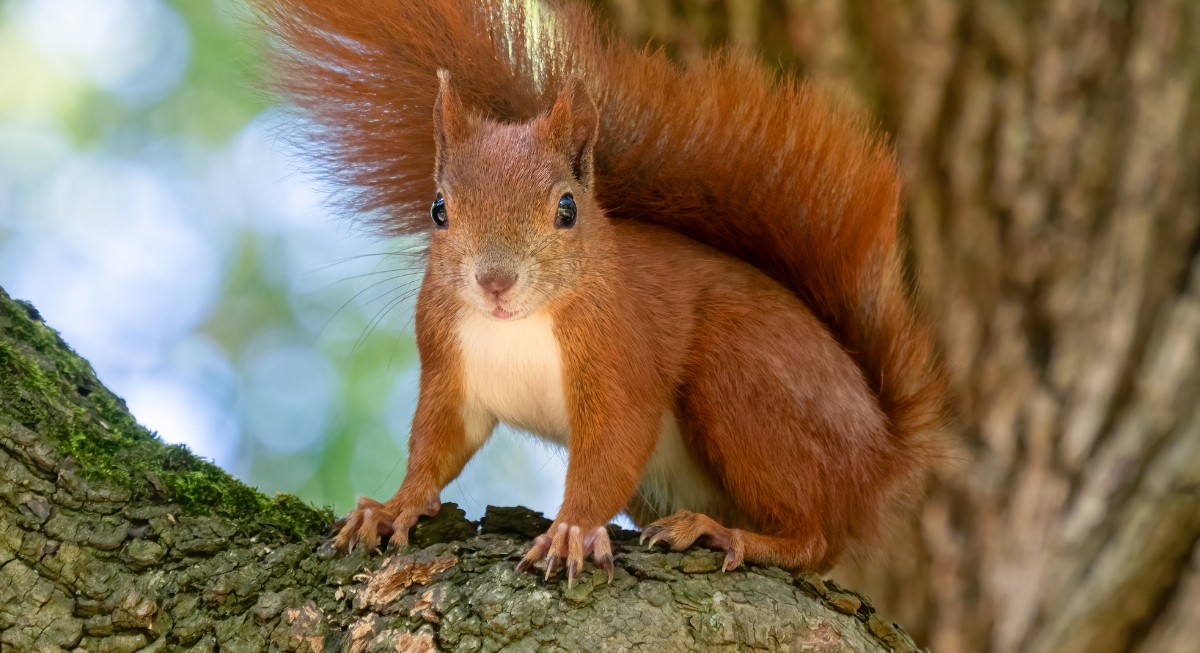
Squirrels
Credit: Wikimedia Commons
Squirrels are some of the most common backyard animals in suburban neighborhoods. You will often spot them racing along fences, climbing trees, or darting across rooftops during the day with surprising speed. Many spend their time collecting nuts and searching for food around lawns and gardens. Once colder weather arrives, some also slip into attics or wall spaces through small openings to stay warm.
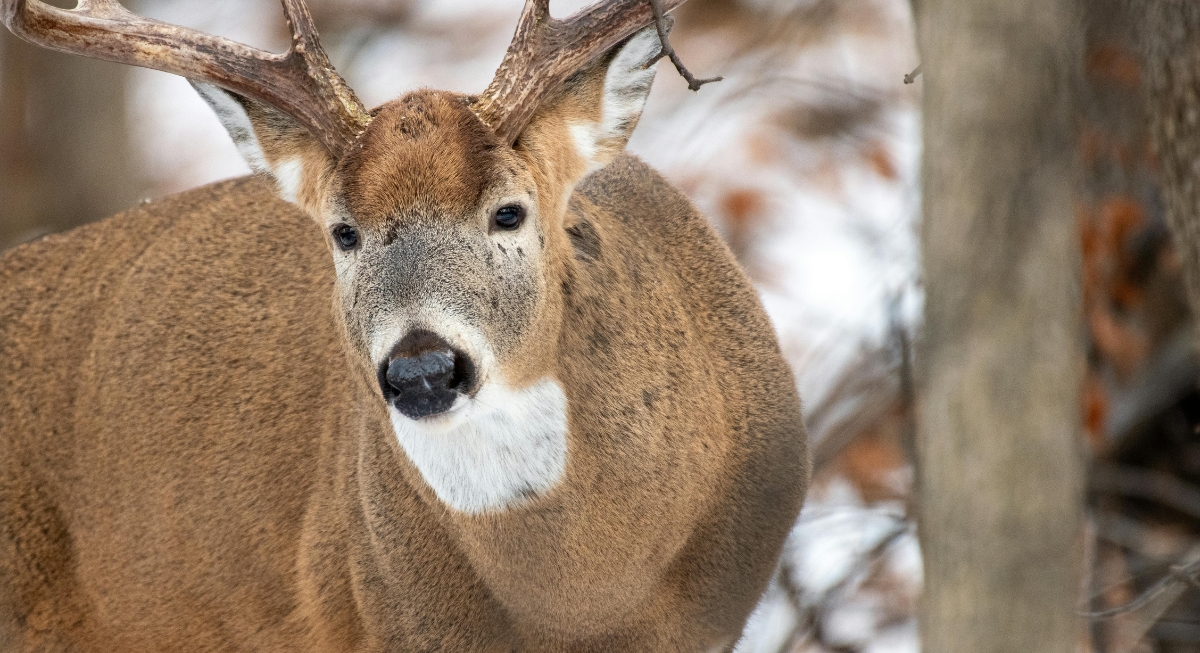
White-Tailed Deer
Credit: pexels
Fresh bite marks across garden plants usually provide the first clue that deer visited during nighttime feeding trips. This is because residential landscaping provides them with a reliable food source through ornamental shrubs, flowers, vegetables, and watered lawns. They are also common in many suburban areas where housing developments overlap former woodland habitats.
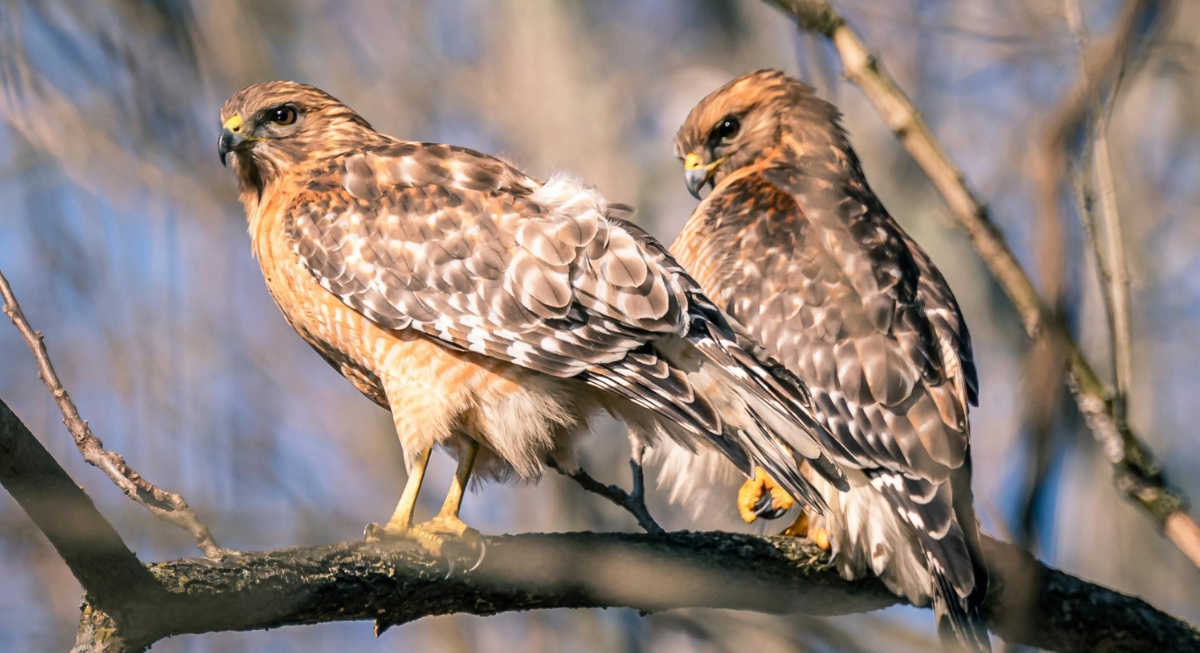
Hawks
Credit: pexels
One of the biggest benefits of having hawks close to your property is natural control over mice and other small rodent populations. Red-tailed hawks and American kestrels hunt successfully thanks to lawns, roadsides, and open green spaces that support plenty of prey. Tall buildings, utility poles, and mature trees also give hawks excellent lookout points amid daily hunting patrols.
Bats
Credit: Wikimedia Commons
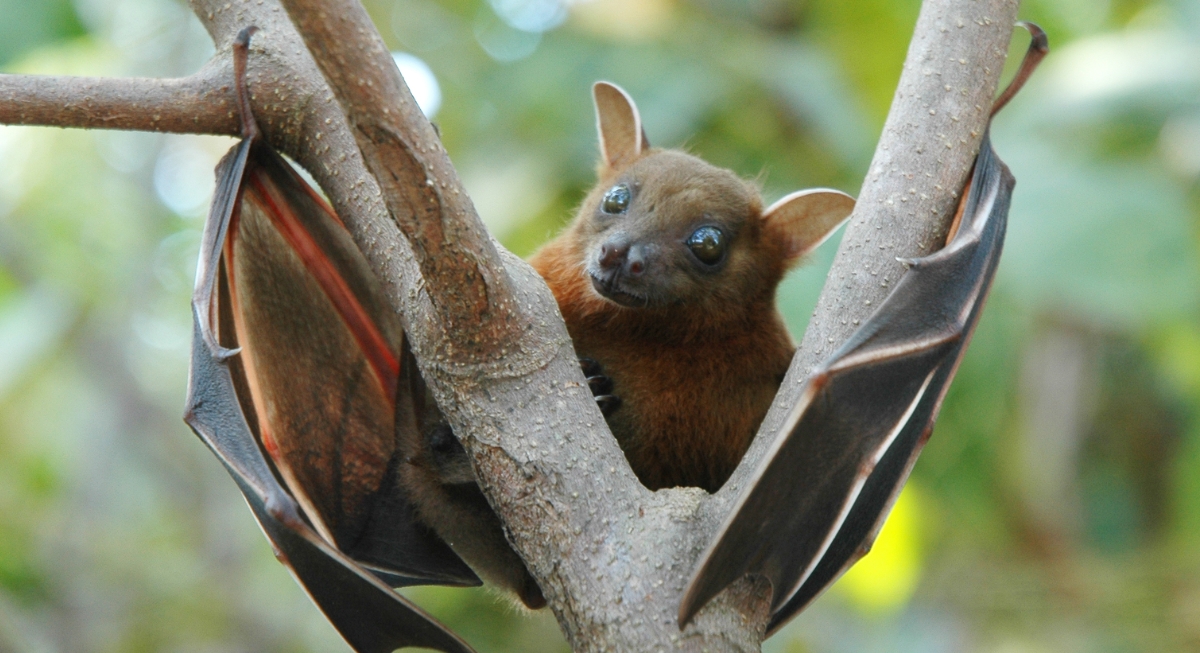
Public discussions about bats mostly center around rabies concerns, yet direct contact between bats and humans remains relatively uncommon. Experts still encourage caution on account of these creatures carrying diseases, though most infected animals die almost immediately. Where sightings are concerned, a large number of bats spend daylight hours inside attics, barns, bridges, and hollow trees before emerging after sunset to hunt.
American Robins
Credit: Wikimedia Commons
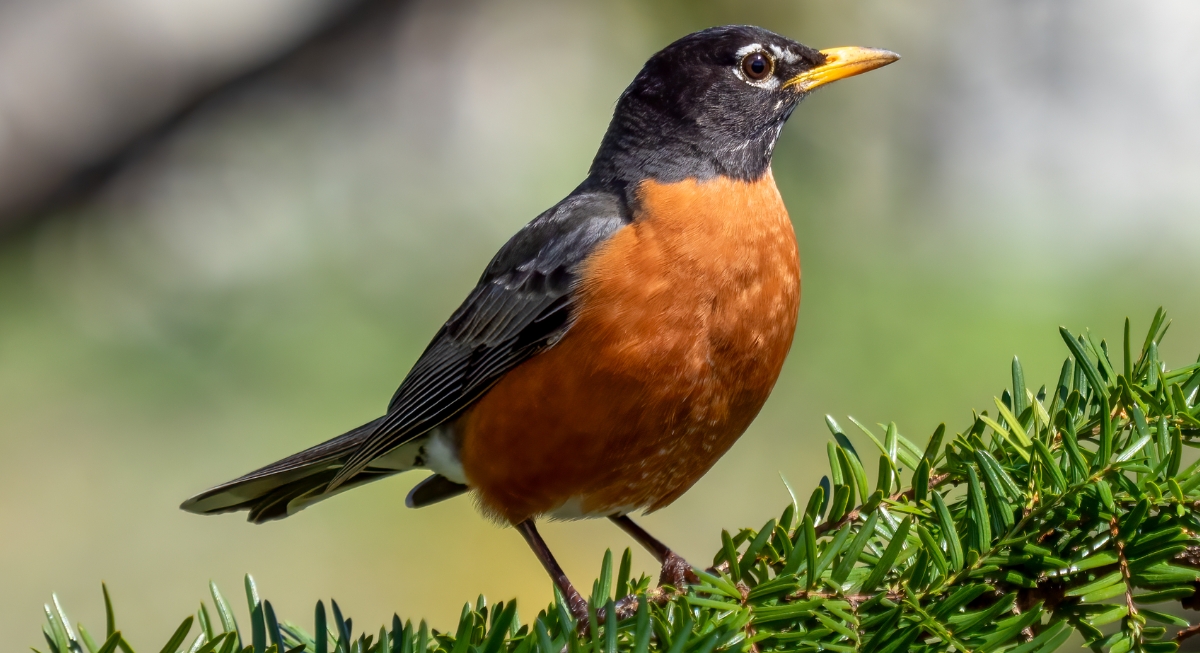
After rain, American robins are often seen hopping across wet lawns searching for worms near the surface. During breeding season, parent robins spend much of the day carrying insects back and forth to nests hidden in trees and thick shrubs. They are easy to recognize and are commonly spotted in parks, gardens, schoolyards, and quiet neighborhood streets.