Sugar Gliders as Pets: What Vets Want You to Know Before Buying One
Sugar gliders are small enough to fit in your palm, but caring for one is not as simple as it looks. These tiny marsupials, known scientifically as Petaurus breviceps, come from Australia and Indonesia and can live for well over a decade in captivity. In the wild, they stay in close-knit groups, which shapes how they behave at home too.
Because of their specific needs, some U.S. states have banned them as pets altogether. Even so, interest in owning sugar gliders continues to grow. That gap between popularity and proper care is exactly why veterinarians keep raising the same concerns before anyone decides to bring one home.
They Are Tiny, But the Commitment Is Not
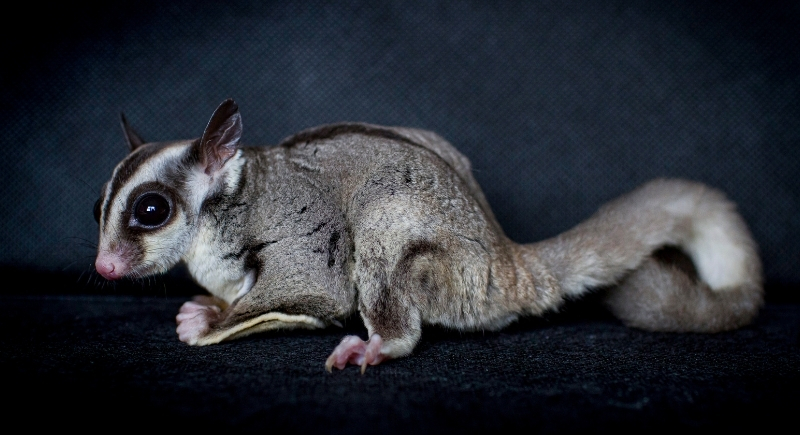
Image via Getty Images/Brittany Crossman
Sugar gliders look manageable because of their size. Most adults weigh between 2 and 5 ounces, with tails as long as their bodies. What catches many buyers off guard is lifespan. With proper care, they commonly reach 10 to 15 years. That’s closer to a small dog’s commitment than a hamster’s.
Vets also stress that these animals are highly social in nature and rely on group structure. Housing a single glider often leads to stress, depression, appetite loss, and even self-mutilation. Most professionals recommend keeping at least a pair. That doubles food costs, enclosure size, and veterinary planning overnight.
Space And Housing Needs
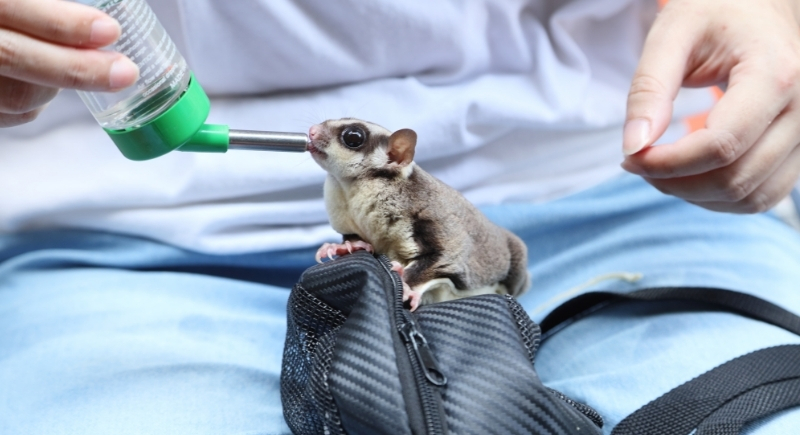
Image via Canva/Kimberrywood
For animals that fit in a pocket, sugar gliders require serious vertical room. Minimum cage recommendations vary, but many exotic veterinarians suggest an enclosure around 36 inches wide, 24 inches deep, and 36 inches high for a pair. Bar spacing should not exceed 0.5 inches, as they can easily squeeze through gaps.
Height is essential, as these animals glide and climb, and a cramped cage can cause stress and behavioral problems. The enclosure should include branches, ropes, platforms, and a closed exercise wheel designed to protect their tail. The ideal room temperature should range from 70 to 90 degrees Fahrenheit. Drafts and direct sunlight can create health risks. Weekly cleaning with safe materials is critical because unsanitary cages contribute to infections.
Diet Is More Complex Than Fruit in a Bowl
The name “sugar” leads many first-time owners to assume fruit-heavy meals are ideal, and that assumption creates medical problems fast. In the wild, sugar gliders consume nectar, sap, insects, and small prey. In captivity, veterinarians often recommend a structured diet that includes commercial pellets, controlled portions of leafy vegetables, and protein such as insects, cooked egg, or lean meat.
Fresh fruits and vegetables should be limited because many lack essential nutrients and can disrupt balance. Improper nutrition frequently leads to obesity, dental disease, anemia, low calcium levels, and metabolic bone disease. Some high-oxalate greens, such as kale and spinach, can contribute to the formation of kidney stones. Exotic vets regularly treat gliders whose issues stem from dietary errors.
Their Schedule Clashes With Most Households
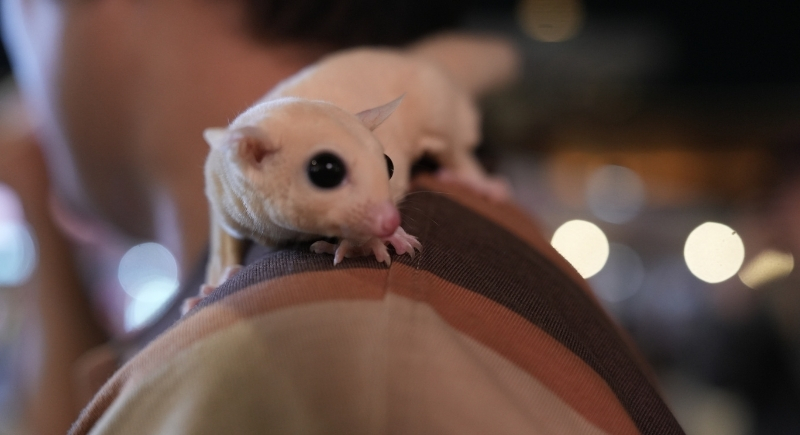
Image via Canva/radhitya adrian arkan
Sugar gliders are nocturnal. They sleep during the day and become active at night. They bark, chirp, hiss, and screech to communicate hunger, stress, or attention needs. That noise surprises many new owners.
Daily bonding must occur when the animal is awake, usually late in the evening. Without consistent handling, they can become nippy or fearful. Vets caution families with children under six because gliders are fragile and may bite if frightened. They also do not mix well with cats or dogs. Even calm household pets may view them as prey.
Finding Medical Care Is Not Always Easy
Exotic veterinary care is another hurdle. Many general practice veterinarians do not treat marsupials. Owners often need to locate specialists before purchasing a glider. Common health concerns include bacterial and parasitic infections such as Giardia, dental disease linked to sugary diets, and stress-related disorders. Self-mutilation is a serious red flag that requires immediate veterinary evaluation.
Preventive care costs add up. Between specialized diets, large enclosures, and exotic vet visits, sugar gliders typically cost between $100 and $500 to purchase, with long-term expenses far exceeding that initial price.