9 Hot-Pavement Safety Checks Every Dog Owner Should Do Before a Summer Walk
Walking your dog in summer can create a problem many owners do not notice until damage has already occurred. Pavement temperatures rise much faster than air temperatures, and dogs experience that heat directly through sensitive paw pads while standing only inches above radiating surfaces.
A sidewalk that’s merely warm to a person wearing shoes can become dangerous for an animal walking barefoot. Dogs also tend to keep walking some distance despite feeling discomfort. To safely walk your dog in the summer, check the conditions first.
Press Your Hand Against the Pavement First
Credit: Getty Images
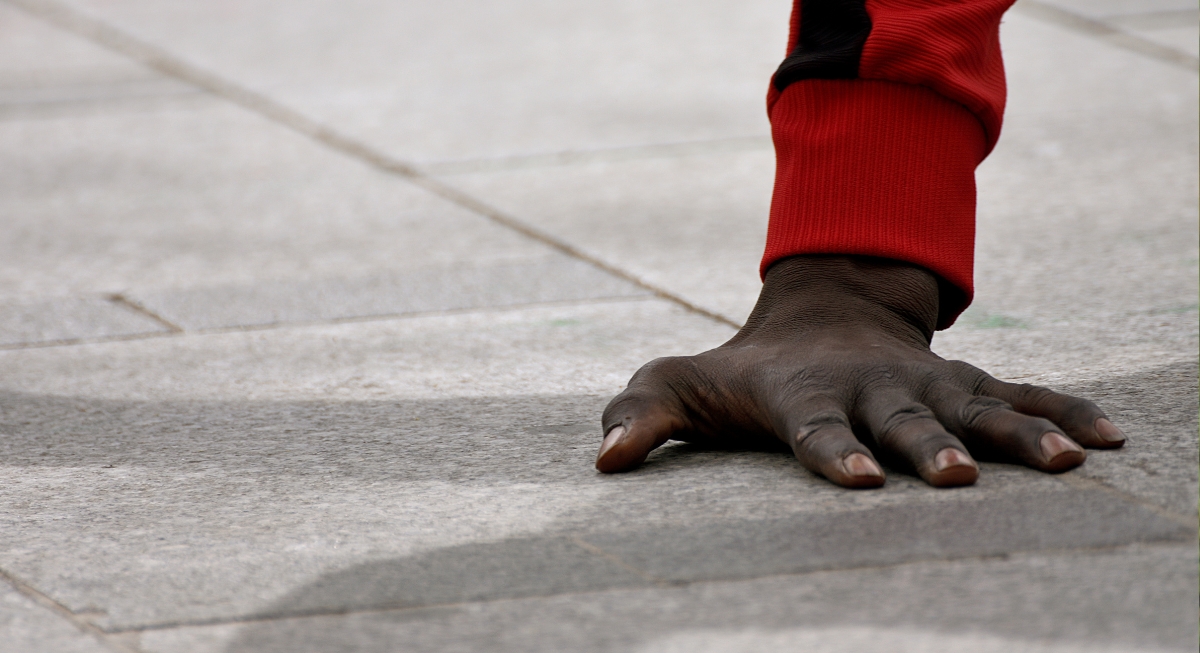
Before going out, many dog owners check the weather app while ignoring the surface their dog will actually touch. Pavement absorbs and holds heat far differently than air. Asphalt exposed to direct sunlight can become hot enough to burn paw pads, even when the outside temperature is still comfortable for humans. That is why veterinarians and dog safety groups recommend the simple hand test. Press the back of your hand against the pavement for about ten seconds.
Check the Air Temperature Before Trusting the Sidewalk
Credit: Canva
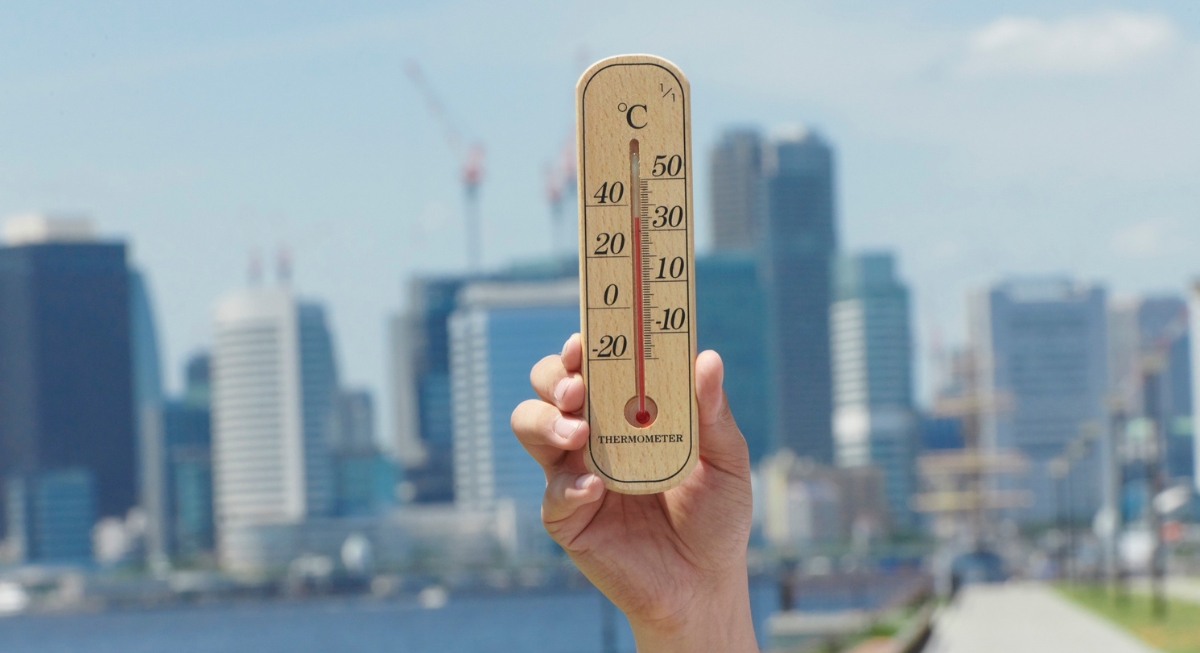
Air temperature still matters, even if the pavement does not feel scorching at first. Dogs cool themselves mostly through panting, so hot and humid weather can wear them out faster than many owners expect. Once temperatures reach around 85°F, pavement in direct sun can become dangerous for paws within minutes. Checking the forecast before heading out makes it easier to choose a safer time for walks.
Compare Asphalt, Concrete, Grass, and Shade
Credit: Getty Images
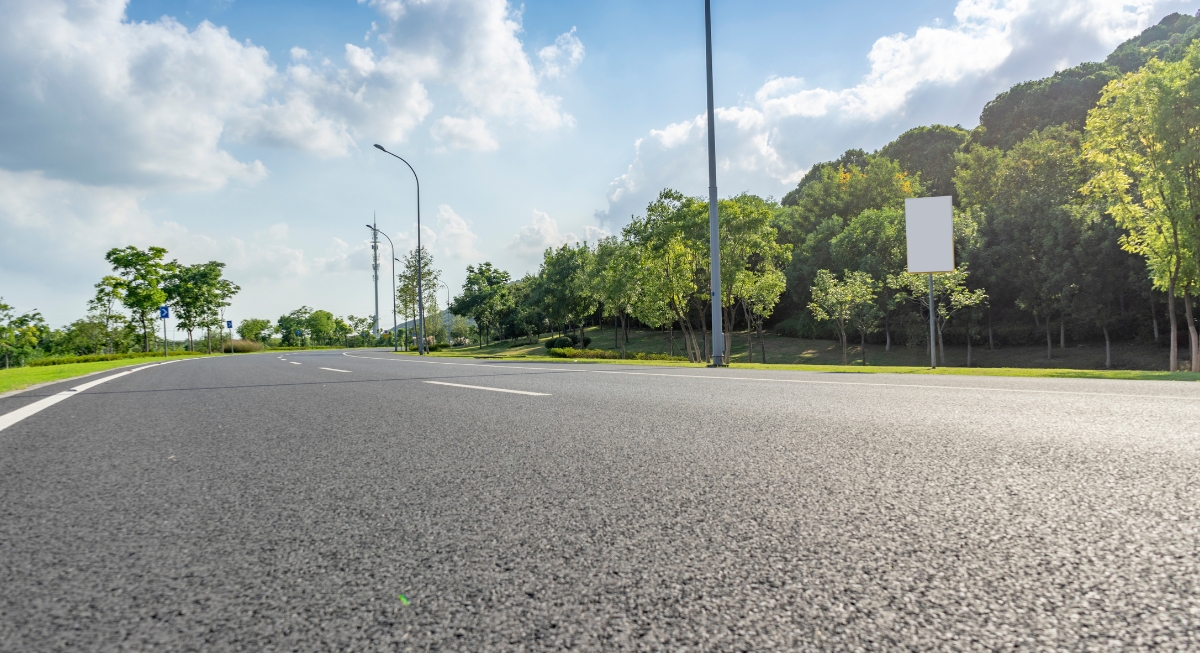
Not every walking surface heats up the same way. Black asphalt usually becomes the hottest because it absorbs sunlight aggressively and holds heat long after temperatures peak. Concrete can also become dangerous but may be slightly cooler depending on color and surrounding shade. Grass, dirt trails, and shaded sidewalks create safer alternatives during summer afternoons. Smart dog owners pay attention to surface changes along the route.
Look at the Time of Day Before Grabbing the Leash
Credit: Getty Images
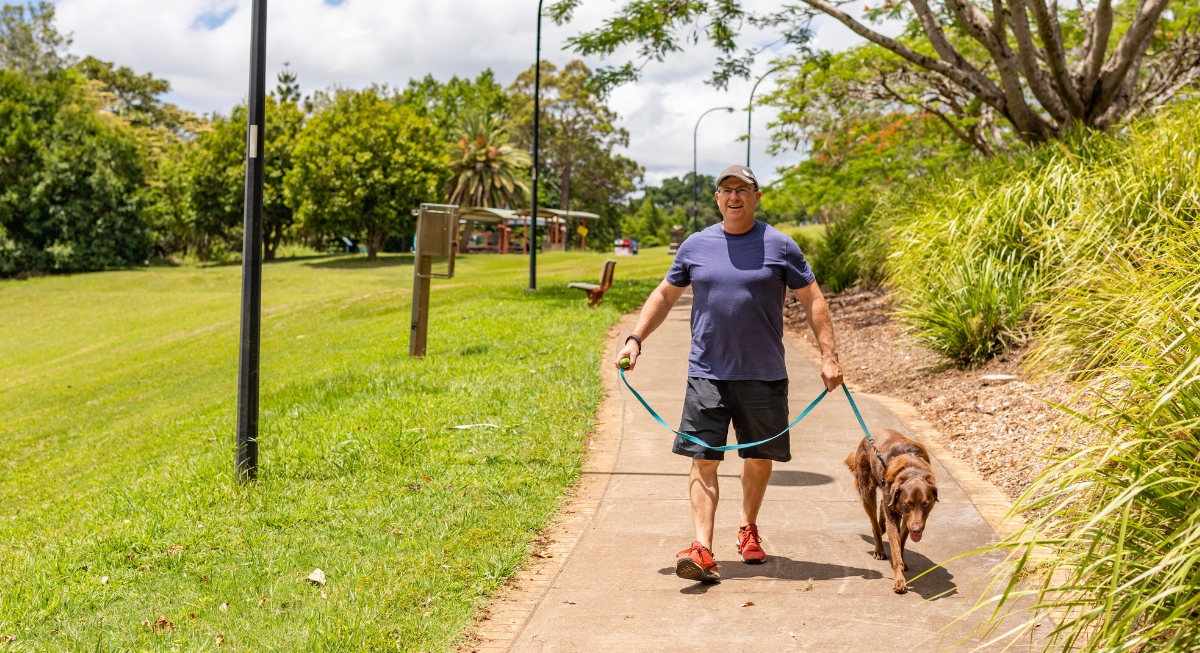
Summer dog walks are much safer when owners think like runners instead of casual pedestrians. Early morning and late evening usually have the safest pavement conditions because the ground has not absorbed hours of direct sunlight. Midday walks create the highest risk window, especially between late morning and early evening when surfaces continue storing heat.
Inspect Your Dog’s Paw Pads Before Leaving
Credit: pexels
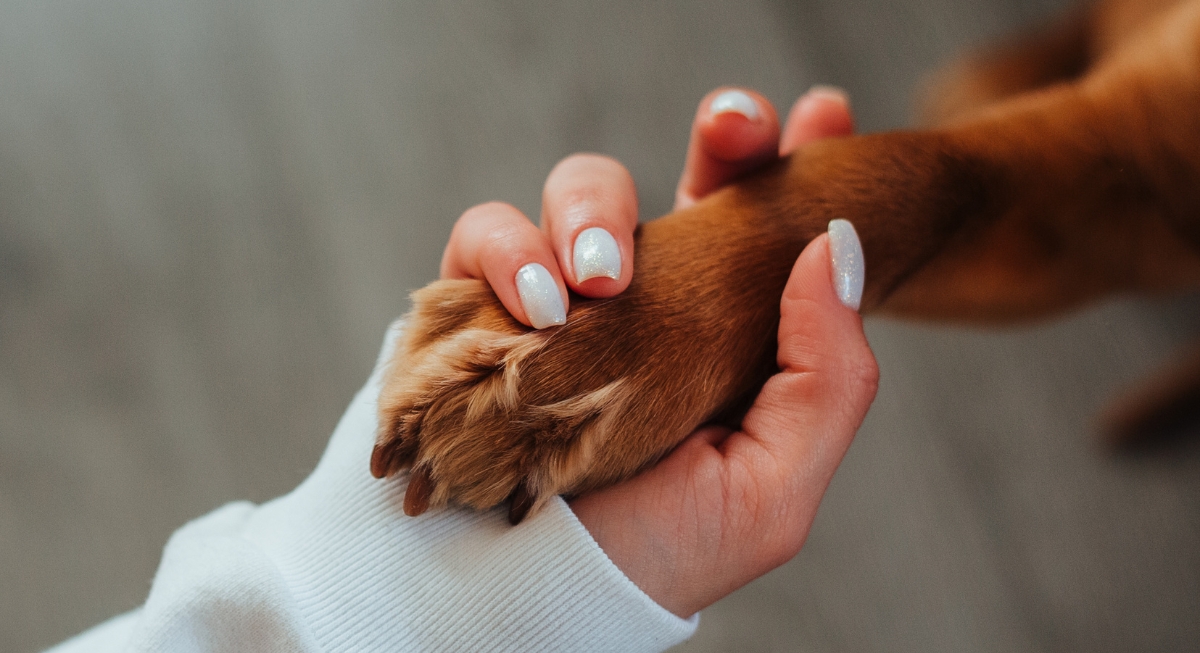
Take a quick look at your dog’s paw pads before heading outside, especially during hot weather. Cracks, peeling skin, redness, or small cuts can make paws much more sensitive to hot pavement. Dogs with irritated or recently injured pads often feel heat faster and may struggle sooner on rough surfaces. Paw toughness also varies between dogs. A dog that spends most of its time indoors usually has softer, more sensitive paws than one that walks outside regularly.
Test Any Booties Before the Walk
Credit: Getty Images
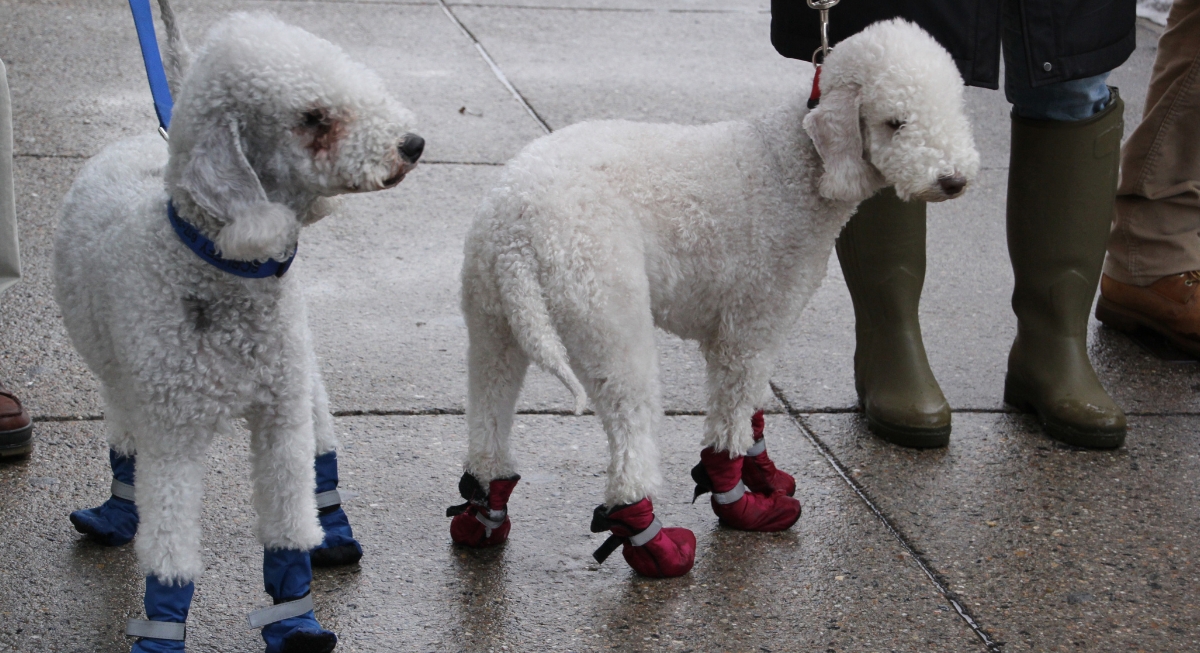
Many owners buy protective footwear during summer heat waves without first testing fit, comfort, or movement indoors. Poorly fitted booties can twist, rub skin raw, trap heat, or fall off halfway through the walk. Some dogs also panic when they feel unfamiliar material on their paws. Testing booties beforehand allows time for adjustment and training without adding hot-pavement stress to the situation.
Pack Water for the Dog, Not Just Yourself
Credit: pexels
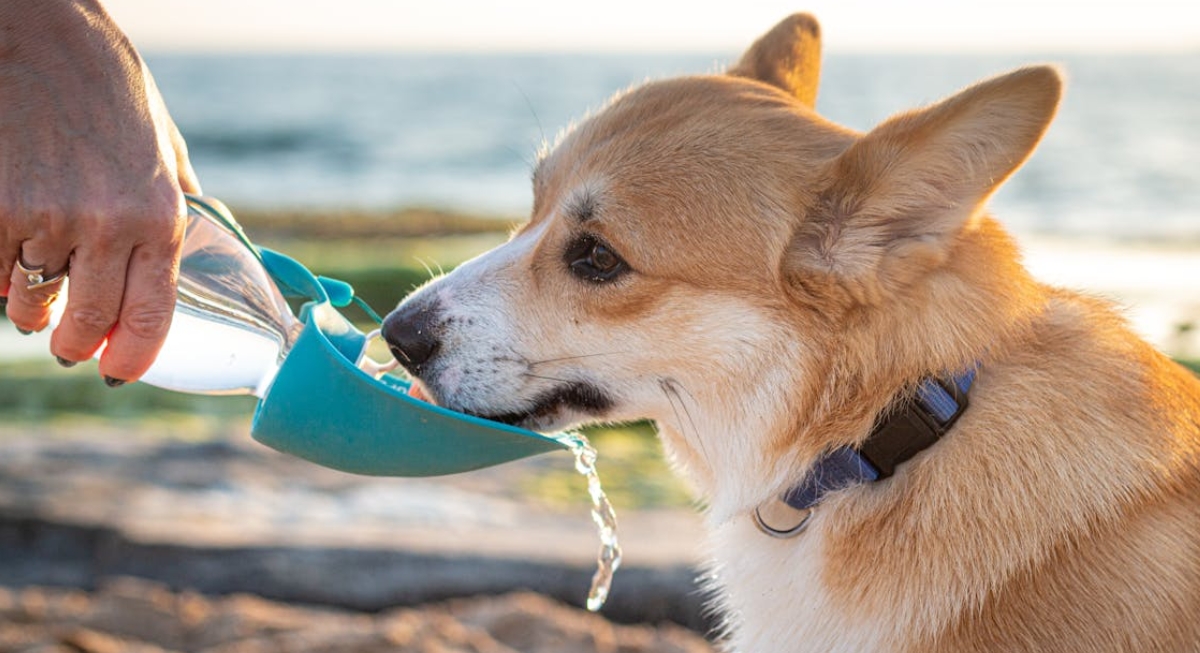
When you step out into the sun, you remember to bring sunscreen, sunglasses, and water bottles. You should not assume that, unlike you, the dog can wait until returning home. Heat radiating upward increases overall body stress during walks. Dogs lose moisture rapidly. Water helps prevent dehydration while cooling the dog. Portable dog bowls and squeeze bottles make hydration much easier during longer outings.
Watch the First Few Minutes for Paw Discomfort
Credit: Getty Images
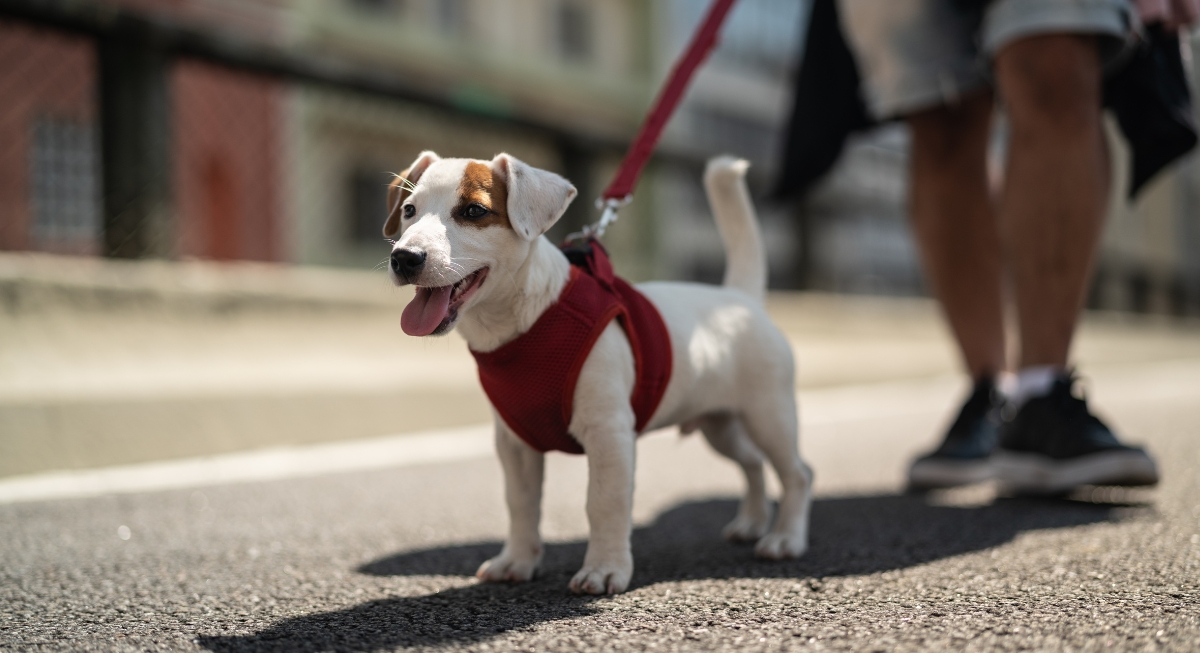
Pay close attention during the first few minutes of the walk because early signs of paw discomfort are easy to miss. Hesitation, shorter steps, limping, frequent stops, paw licking, or pulling toward grass and shade can all signal that the pavement is too hot. Some dogs also start lifting their paws repeatedly once the surface becomes uncomfortable.
Know Your Breed’s Susceptibility
Credit: Getty Images
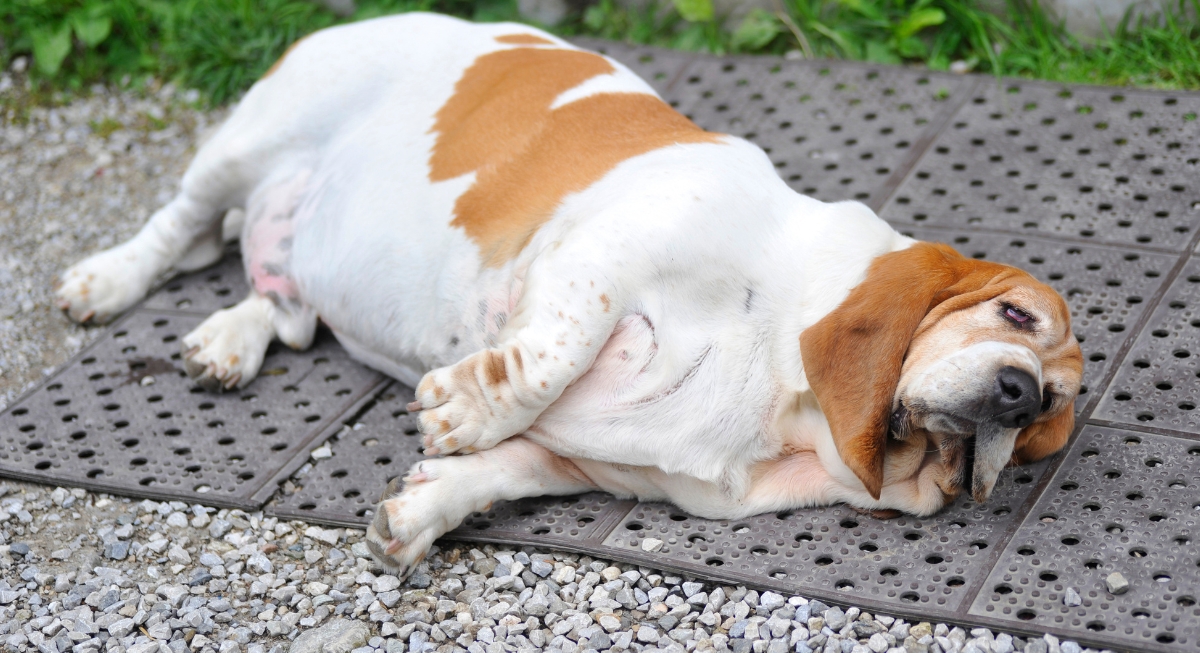
Certain dogs face a much higher risk during heat, including brachycephalic breeds, overweight dogs, puppies, seniors, and animals with respiratory or heart conditions. Responsible ownership sometimes means recognizing when conditions have crossed the line from uncomfortable into unsafe. You may feel guilty skipping exercise, but pavement burns and heatstroke create far bigger problems. Indoor play sessions, scent games, and training exercises can replace walks temporarily when temperatures become dangerous.