10 Dog Breeds That Get Super Anxious
Some dog breeds just don’t handle stress well. They whine, chew, bark, or shut down when something unpredictable comes their way. It’s not always a training issue because sometimes it can also be genetics.
Anxiety in dogs can come from sensitivity, strong emotional bonds, high energy, or a history of selective breeding. These dogs can be easily cared for through exercise and calm environments that keep them balanced.
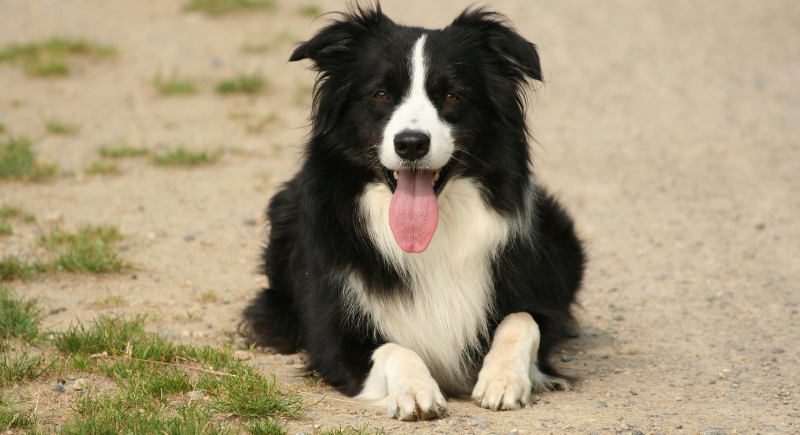
Border Collie
Credit: Getty Images
Herding instincts and constant vigilance make the Border Collie one of the most anxiety-prone breeds. They were bred to scan, respond, and control fast-moving situations, which doesn’t translate well to a domestic home life. If they don’t get complex mental tasks or physical exertion daily, they may pace, bark, or become fixated on controlling their environment.
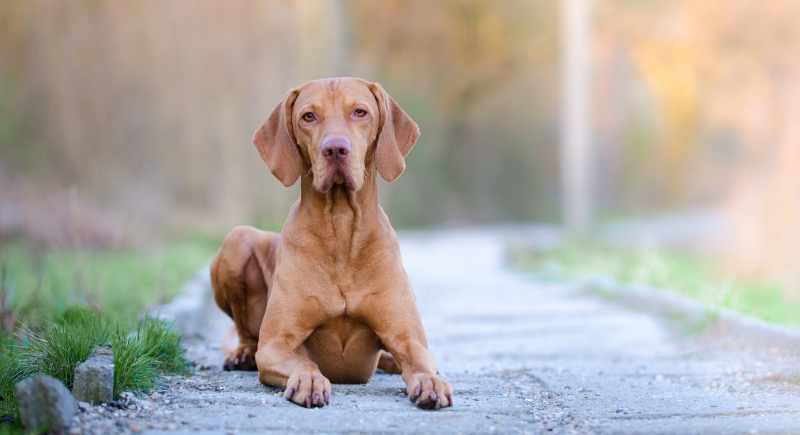
Vizsla
Credit: Getty Images
When left alone, the Vizsla tends to panic. They form deep attachments and don’t enjoy extended separation from their people. Typically called “Velcro dogs,” they follow their owners around and struggle with being alone even for short periods. Signs of anxiety include destructive chewing, restlessness, and whining near exits.
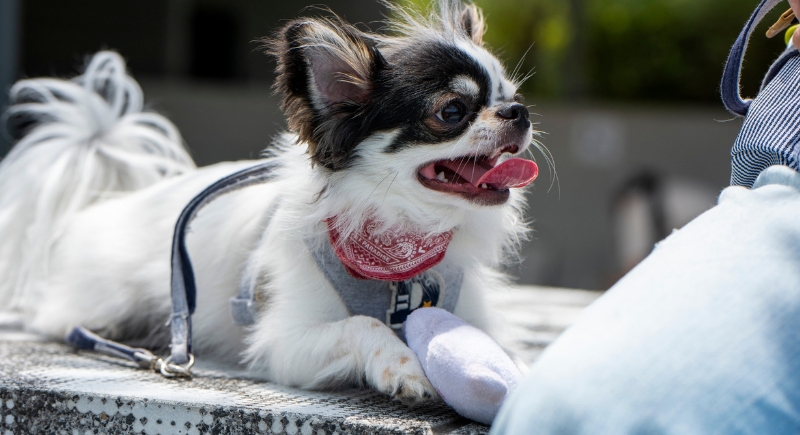
Chihuahua
Credit: Canva
A Chihuahua may become overwhelmed in loud and chaotic environments. Eventually, they may react with barking, growling, or hiding when they feel unsafe. Their small size amplifies everyday stressors and makes unfamiliar situations seem threatening. Early and gentle socialization can help build their confidence.
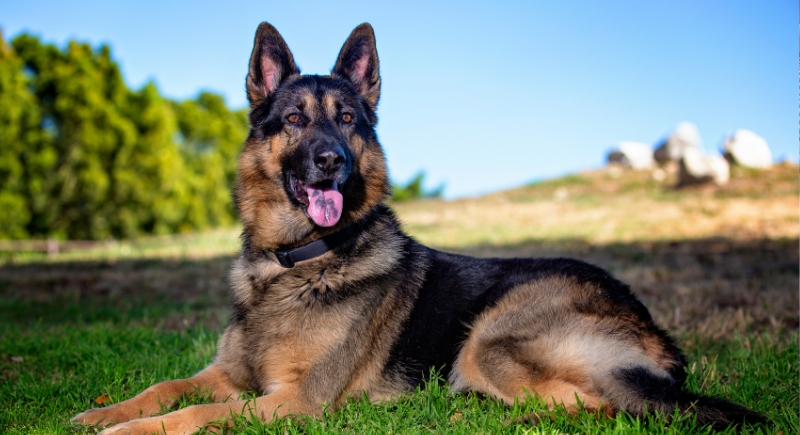
German Shepherd
Credit: Getty Images
The German Shepherd can experience anxiety when underchallenged or uncertain about its role. This breed was developed for serious work, such as herding, police, and military tasks, so they thrive on consistency. On this note, they respond best to task-based games, physical exercise, and firm but calm training to keep their focus and reduce tension.
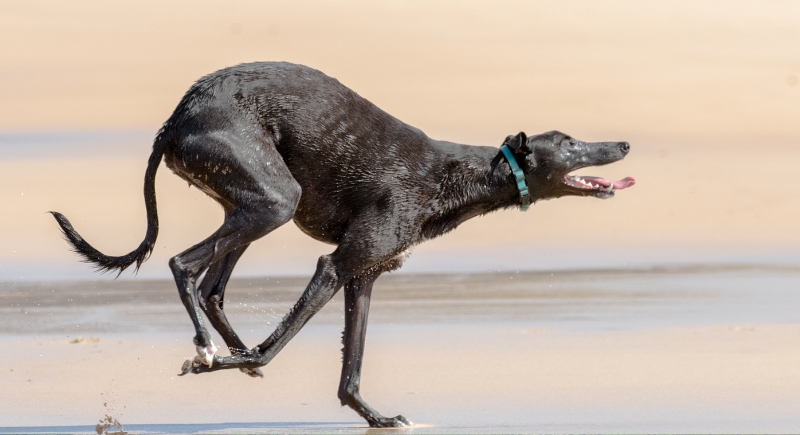
Greyhound
Credit: Getty Images
According to experts, many dogs display anxiety in different forms, and Greyhounds are no exception. Retired racers tend to struggle with everyday life outside the track and kennel, where their exposure to typical home environments was limited. Instead of acting out, they tend to shut down by freezing, avoiding contact, or withdrawing in new situations.
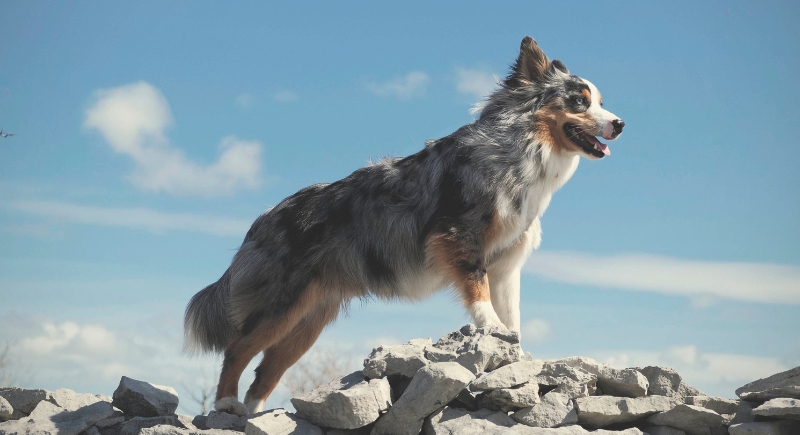
Australian Shepherd
Credit: pexels
A lack of challenge stresses the Australian Shepherd more than anything else. This breed was designed for demanding ranch work and needs mental tasks to feel balanced. When that stimulation disappears, they can become restless and destructive. Owners should look for indicators of boredom turning into stress, like circling or compulsive barking.
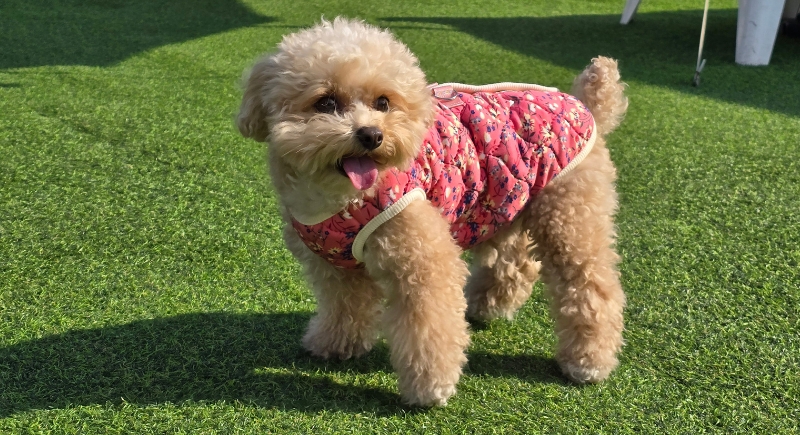
Toy Poodle
Credit: pixabay
Watch for signs like trembling, pacing, or changes in appetite, because these can mean a Toy Poodle is under stress. Loud noises, strangers, or even moving their bed can throw them off. They’re emotionally attuned to their environment, and that sensitivity makes them quick to react when things seem out of place.
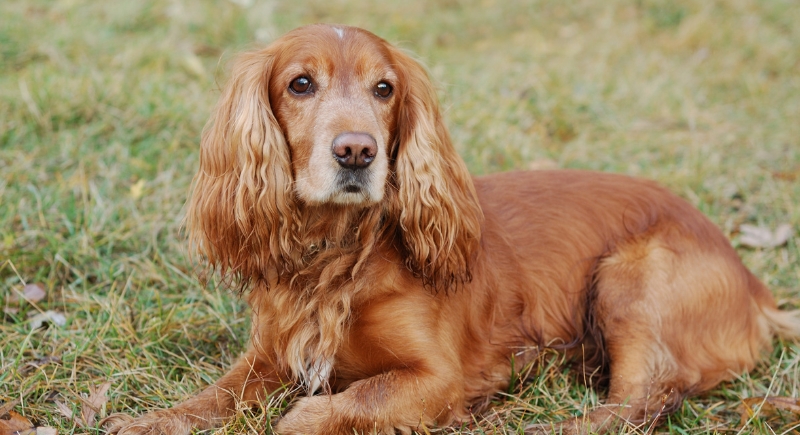
Cocker Spaniel
Credit: Getty Images
Selective breeding for sensitivity has made the Cocker Spaniel emotionally responsive but also vulnerable to stress. These dogs crave close contact and often rely heavily on human companionship. They can react strongly to changes in schedule or unfamiliar people. Their anxiety may surface as whining, hiding, or even stomach upset.
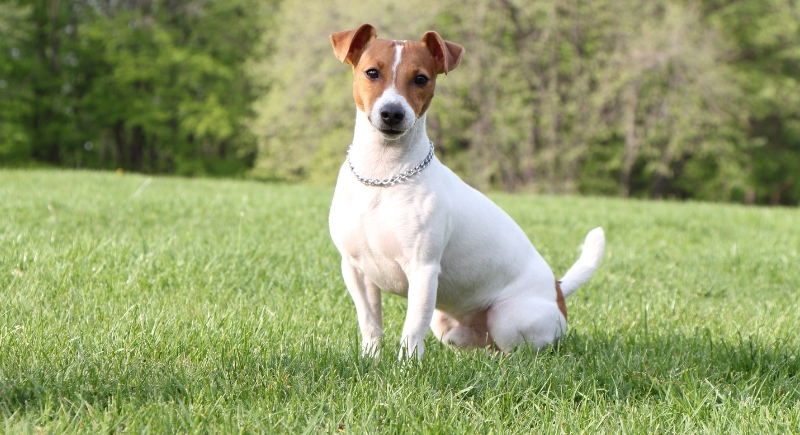
Jack Russell Terrier
Credit: Getty Images
High energy fuels the anxiety you often see in a Jack Russell Terrier. These dogs were built for the chase, such as digging, sniffing, and hunting in small spaces. When kept inactive, they get frustrated and release that tension by barking, destroying things, or escaping yards. They don’t need endless space but do need regular outlets.