10 Ways to Support Your Local Animal Shelter Without Adopting
Most people assume adoption is the only meaningful way to help an animal shelter. It is one option, but shelters depend on many kinds of support to keep running. Limited space, small teams, and tight budgets put constant pressure on daily operations.
Community support helps ease that pressure and directly improves care for animals waiting for homes. Once you know where the gaps are, it becomes much easier to step in and help in practical ways.
Donate Essential Supplies

Credit: Getty Images
Just like your pets at home, animals in shelters also require consistent care to stay healthy and comfortable. Food allows the residents to follow regular feeding schedules, while cleaning supplies maintain sanitary living spaces. Without these basics, shelters must stretch constrained budgets, which can affect overall care.
Volunteer Time
Credit: Canva
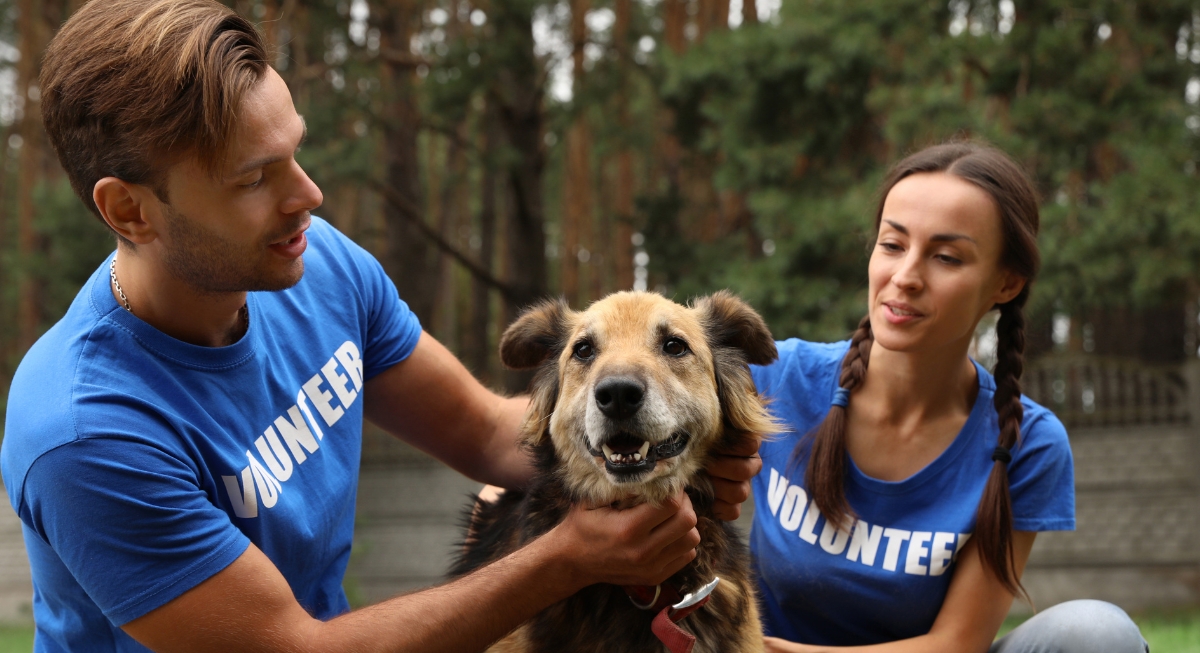
Shelter staff often work under constant pressure because they manage large numbers of pets with limited time and resources. Volunteers can ease that workload by handling essential daily tasks, such as walking dogs, cleaning kennels, and organizing supplies, to keep operations running smoothly.
Foster Temporarily
Credit: Getty Images
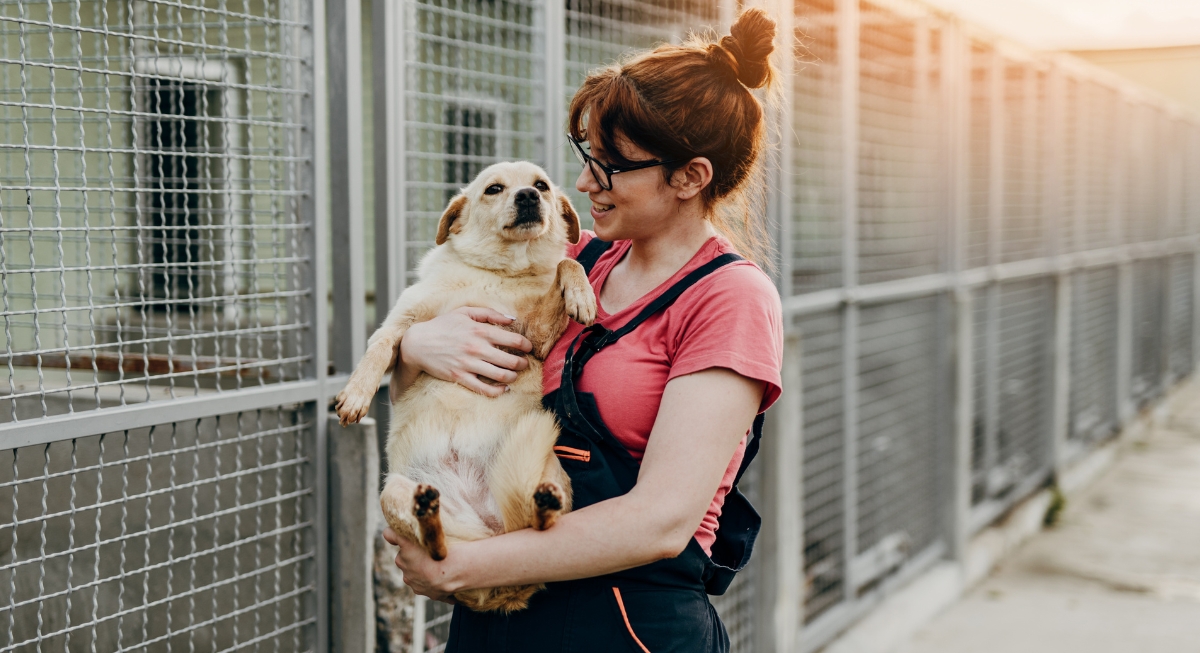
Fostering provides animals with a break from the shelter environment and reduces overcrowding. Many facilities have limited space, which can lead to difficult decisions during high-intake periods. Foster homes provide space for additional residents and help current residents adjust to home life.
Share Posts Online
Credit: Getty Images
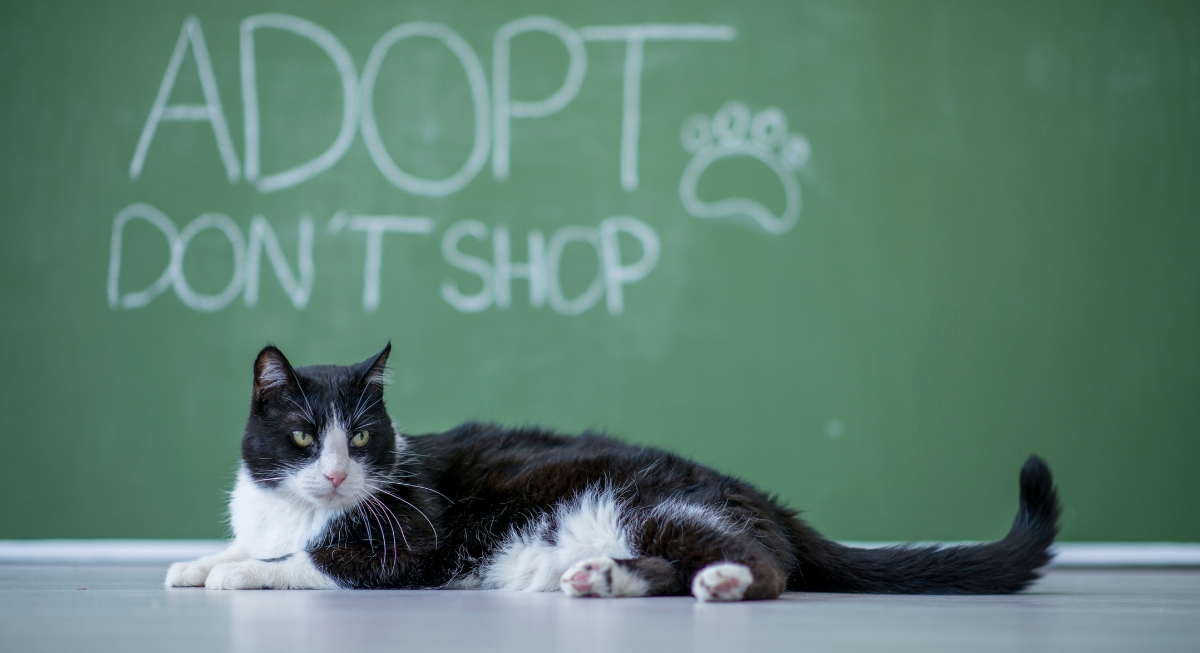
Social media has become a useful tool for shelters to reach larger audiences. Sharing posts about adoptable animals increases visibility beyond local visitors. A single post can connect an animal with a potential adopter who would not visit the location in person. Regular sharing also encourages fundraising campaigns and event promotion.
Attend Fundraising Events

Credit: Getty Images
If you make time to go to fundraising events, you directly support the shelter’s ability to cover operations and medical care. These events give you a closer look at how these facilities work and what they need. Your presence can help ensure steady funding and keep the organization visible in the community.
Organize Local Fundraisers

Credit: Getty Images
In addition to attending fundraisers, you can also take the initiative to organize one yourself. Small events, such as donation drives or community gatherings, encourage wider participation. Without community-led initiatives, shelters rely heavily on finite internal resources, which may limit how much they can contribute to the animals.
Create Handmade Donations

Credit: Canva
Toys, blankets, and bedding in shelters wear out quickly because many animals use them throughout the day. Handmade items could replace these essentials and may not cost you anything. All you need to do is use old fabric to provide enrichment, comfort, and warmth.
Offer Useful Skills

Credit: Canva
Specialized skills can address needs that general volunteering cannot. Photography improves how animals appear in adoption listings, attracting greater interest. On the other hand, maintenance work keeps facilities safe and functional. You can further offer transport services to assist with moving animals between locations.
Socialize Animals
Credit: Getty Images
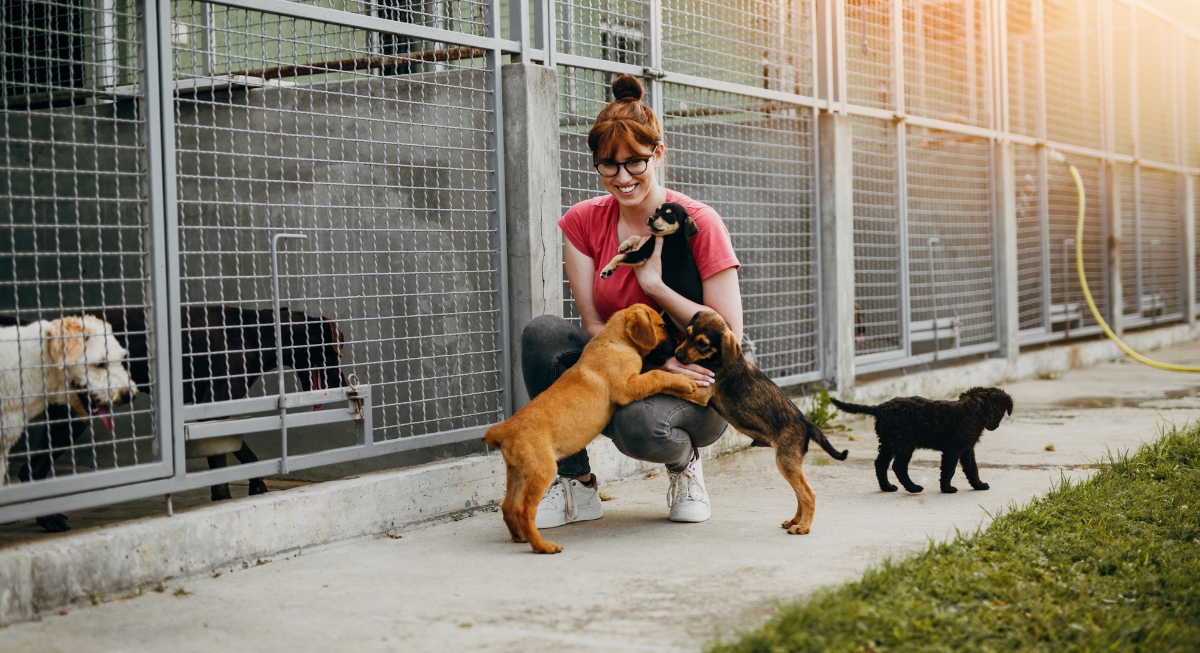
Regular human interaction plays a key role in improving animal behavior inside shelters. Dogs benefit from leash training and outdoor walks, which reduce anxiety. Cats become more comfortable through consistent and calm interaction. Some programs involve reading to animals because the sound of a human voice, even without direct interaction, helps animals become more comfortable around people.
Sponsor an Animal
Credit: Getty Images
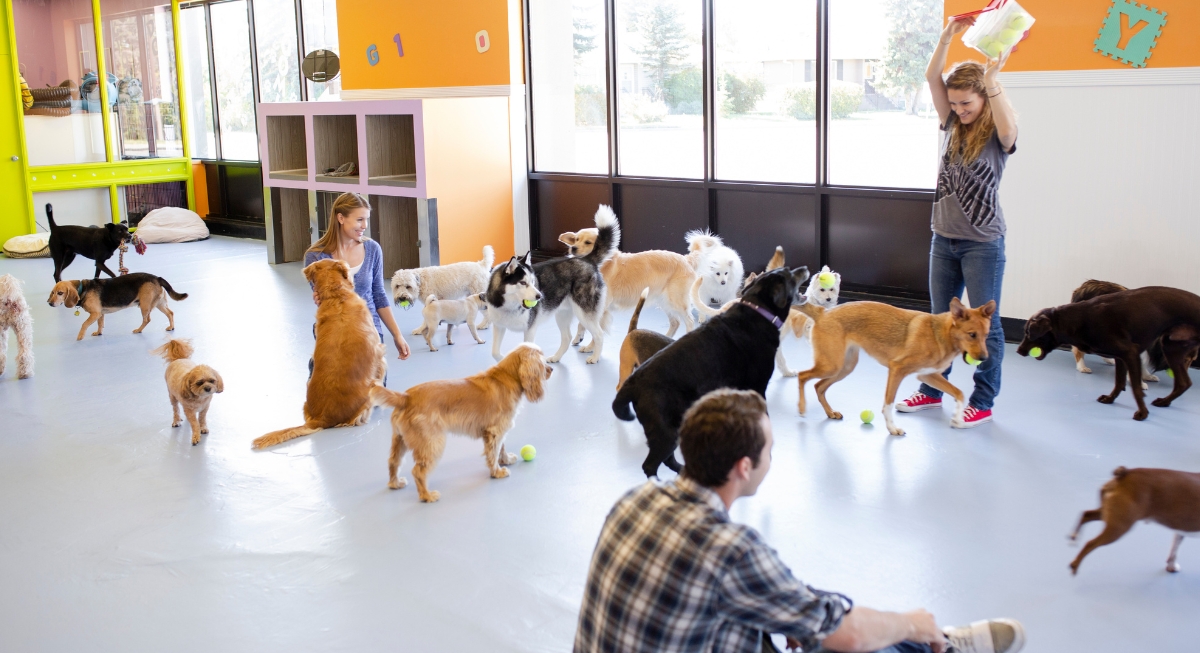
There are a number of shelter residents who require special diets or extra care, which can become expensive for facilities managing tight budgets. For this reason, sponsoring an animal covers these ongoing costs through a monthly contribution. This approach can fund food, medical treatment, and care for a specific pet.