10 Interesting Facts About Horses You Probably Didn’t Know
Horses have been around humans for thousands of years, yet they manage to surprise people who claim to know them. They sometimes exhibit odd quirks and social habits that sound strange for this majestic animal. While these facts explain the everyday stuff horse owners know, the rest of us are about to get wowed by these ten horse facts worth knowing.
Nose-Only Breathers
Credit: pexels
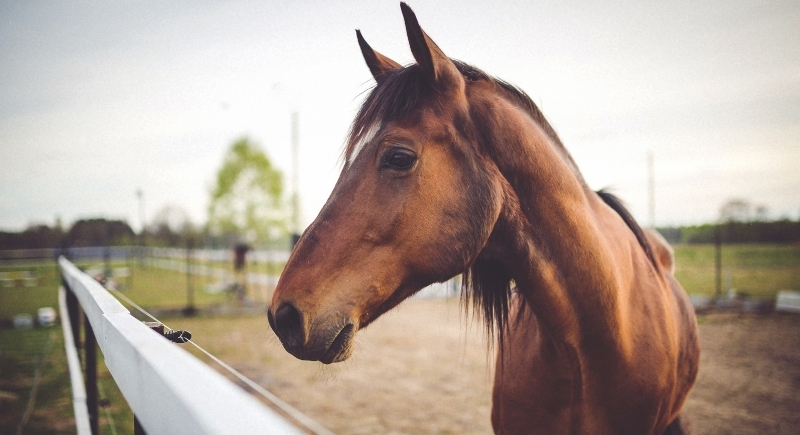
Horses breathe only through their noses. The soft palate seals the mouth off from the airway and opens only during swallowing. This design prevents food from entering the lungs but leaves no backup route for air. When the nasal passages are blocked, breathing can turn dangerous very quickly. Owners often notice the problem fast because affected horses show clear signs of distress.
Sleep Comes In Two Modes
Credit: Getty Images
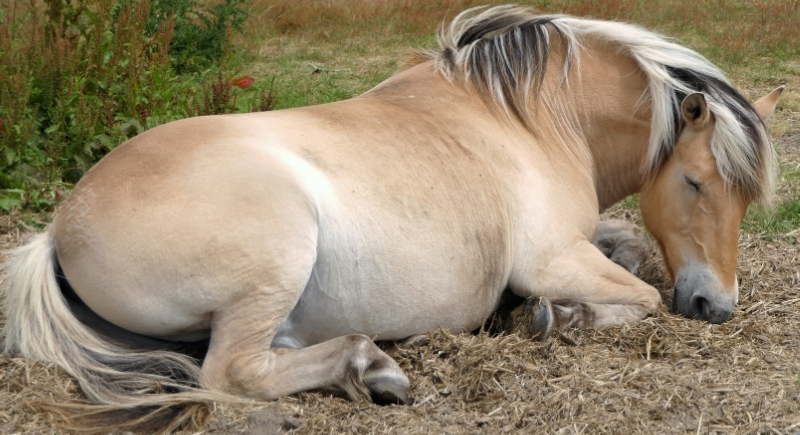
Horses rest in two very different ways. They can nap while standing because the stay apparatus locks their legs in place, which lets them relax without fully dropping their guard. This light sleep helps them recover without feeling vulnerable. Deep REM sleep works differently. Horses need to lie down to reach it, and that stage matters for normal brain function. When a horse avoids lying down, it often signals stress, pain, or physical discomfort.
They Can’t Vomit, Ever
Credit: Canva
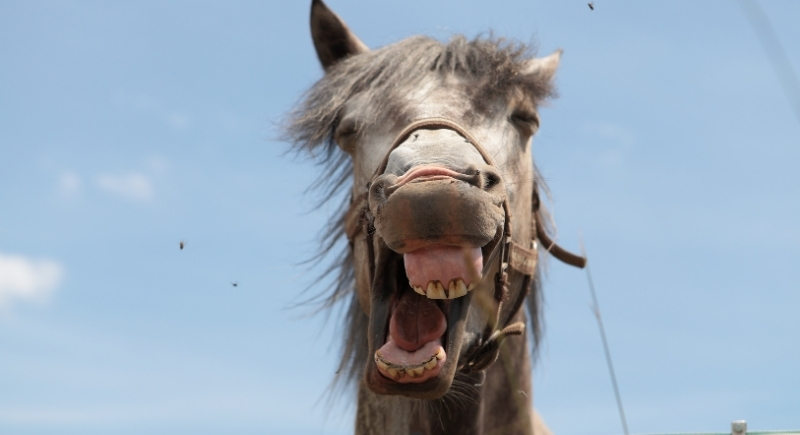
This is one of the strangest peculiarities of horse design. A powerful one-way stomach valve called the cardiac sphincter, along with the angle where the esophagus meets the stomach, prevents vomiting. That sounds like an advantage until something goes wrong. It raises the risk during digestive emergencies, including colic, because they can’t get relief from that pressure by throwing up, and sometimes requires surgery.
Ears With A Mind Of Their Own
Credit: pixabay
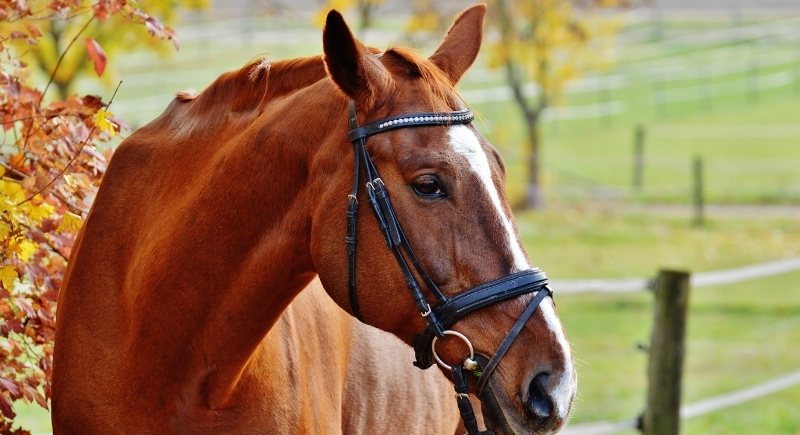
Their ears can rotate almost 180 degrees and can move independently. Humans have only three muscles that control ear movement, while horses have around 10. That’s why one ear can stay tuned to the barn while the other tracks a suspicious sound behind the fence. Ear position can also serve as body language.
Almost A Full Circle Of Vision
Credit: Getty Images
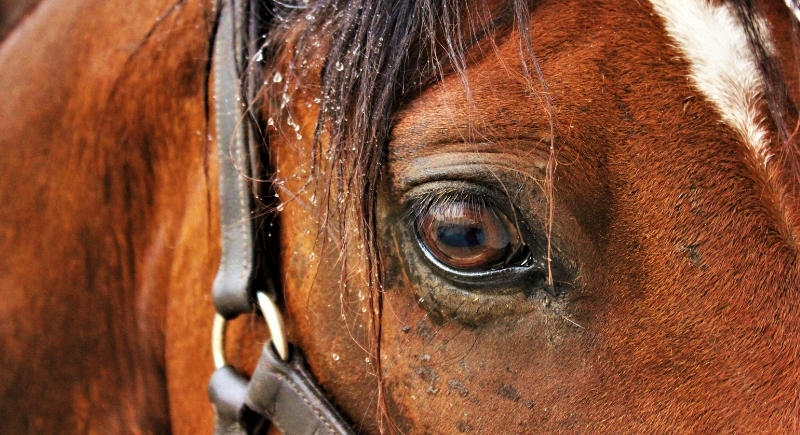
A horse’s eyes sit on the sides of its head, giving it a field of vision that reaches close to 350 degrees. This setup helps spot danger quickly. It does come with limits. Horses cannot see directly behind their tail or right in front of their nose. A sudden move from those angles can cause a sharp startle. It also explains why a horse often reaches forward to sniff a treat first, since it may not be able to see it clearly.
Hooves Grow Slowly, Like Fingernails
Credit: Canva
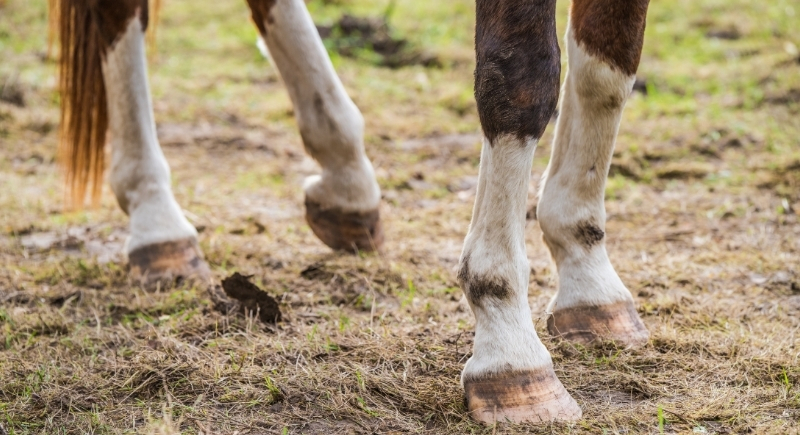
Hooves are made of keratin, the same material as human fingernails and hair, just far tougher. They grow about 0.24 inches per month, so it takes months to replace a worn hoof wall. That steady growth rate is why trims and shoeing schedules matter. Slight imbalances can accumulate over time and affect joints, posture, and movement.
Lightning-Fast Kick Timing
Credit: Getty Images
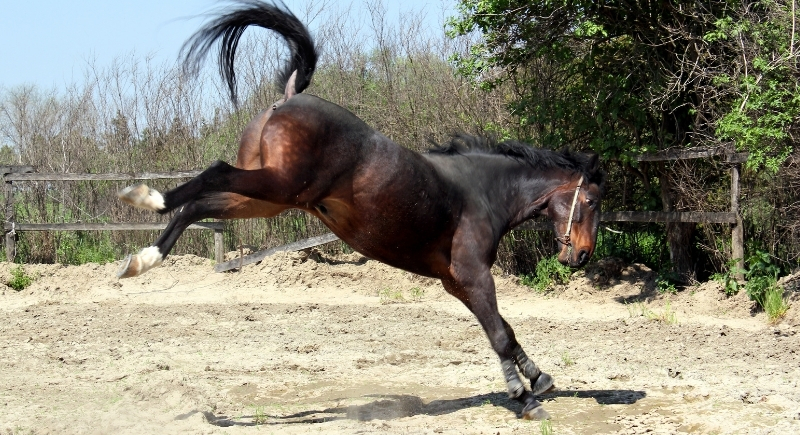
A horse can go from calm to dangerous in a blink. In a true threat response, a kick can happen in roughly 0.3 seconds. For comparison, the average human reaction time is around 1.6 seconds. That gap explains why moving into the future isn’t a feasible plan. That speed also explains why experienced handlers focus so much on positioning, reading body signals, and avoiding blind spots.
Foals Are Born Ready To Run
Credit: Getty Images
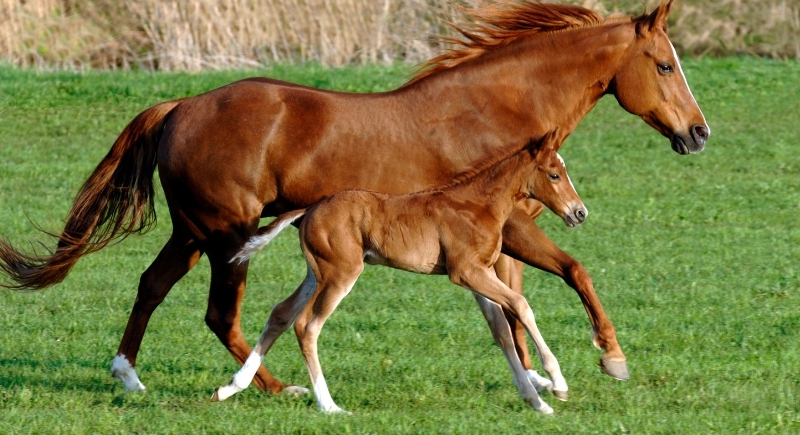
Unlike many baby animals, foals are surprisingly capable. Many can stand and walk within about an hour, and running often follows within a few hours. It’s a weapon of survival. In the wild, a newborn that can’t move quickly becomes an easy target for predators. This early mobility is why the first day matters so much for nursing, bonding, and monitoring health signs.
They Remember Faces And Feelings
Credit: Getty Images
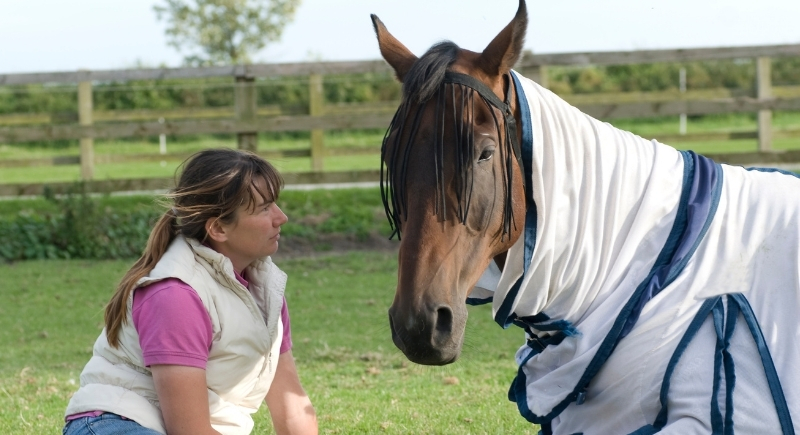
Research suggests that horses can read human facial expressions and respond differently to anger than to happiness. Their heart rate even rises when they view angry faces. Things get interesting when you consider that they remember both kind treatment and negative experiences. That’s why inconsistent behavior from people can create confusion.
The Nose Knows Too Much
Credit: Canva
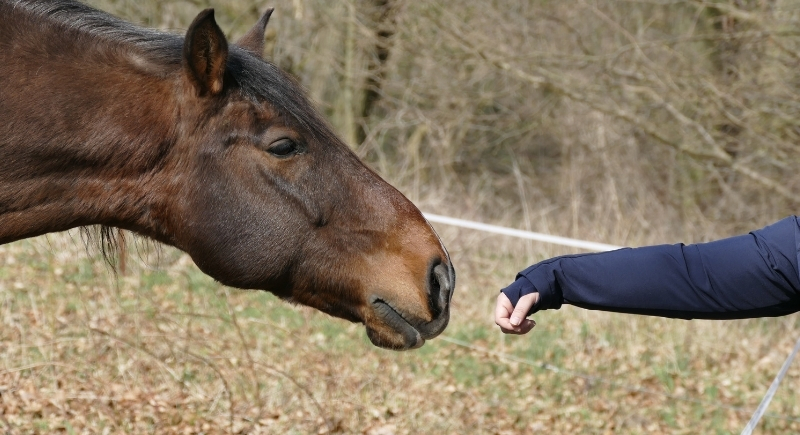
Hiding medicine in grain rarely works for long. One sniff is usually enough for a horse to walk away. Horses have a powerful sense of smell supported by a large nasal cavity that picks up even small changes in scent. Research suggests they can recognize manure from horses they have met before. When they refuse a meal, it is not stubbornness. Their nose has already decided.