Surprising Animals That Are Way Smarter Than Scientists Originally Thought
Our understanding of how animals think was very limited. Earlier definitions of intelligence missed a lot, but modern researchers are finally watching creatures on their own terms, and the results are mind-blowing. We’re seeing memory, complex planning, and social awareness in species once dismissed as simple. From problem-solving to emotional bonds, these animals are doing more than expected and reshaping how intelligence is understood.
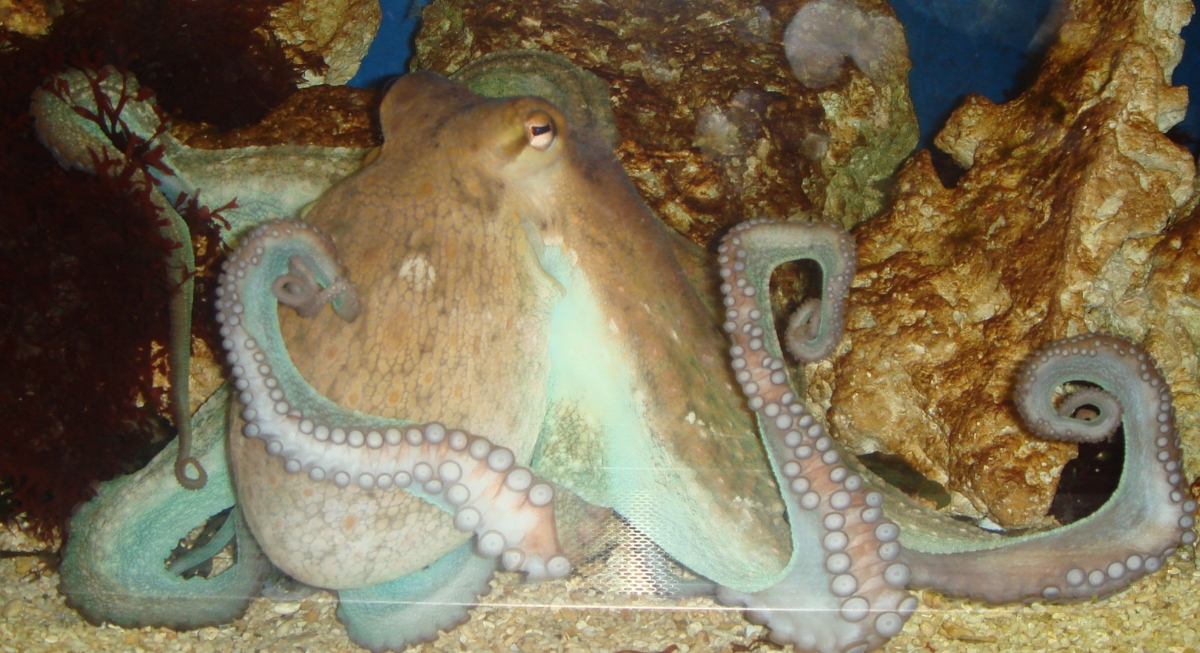
Octopuses Keep Finding A Way Out
Credit: Wikimedia Commons
A sealed container doesn’t stay sealed for long when an octopus is involved. In lab settings, they’ve opened jars, slipped through narrow gaps, and navigated unfamiliar spaces with little hesitation. Their nervous system spreads control across the body and gives each arm a level of independence. That setup supports quick adjustments in new situations.
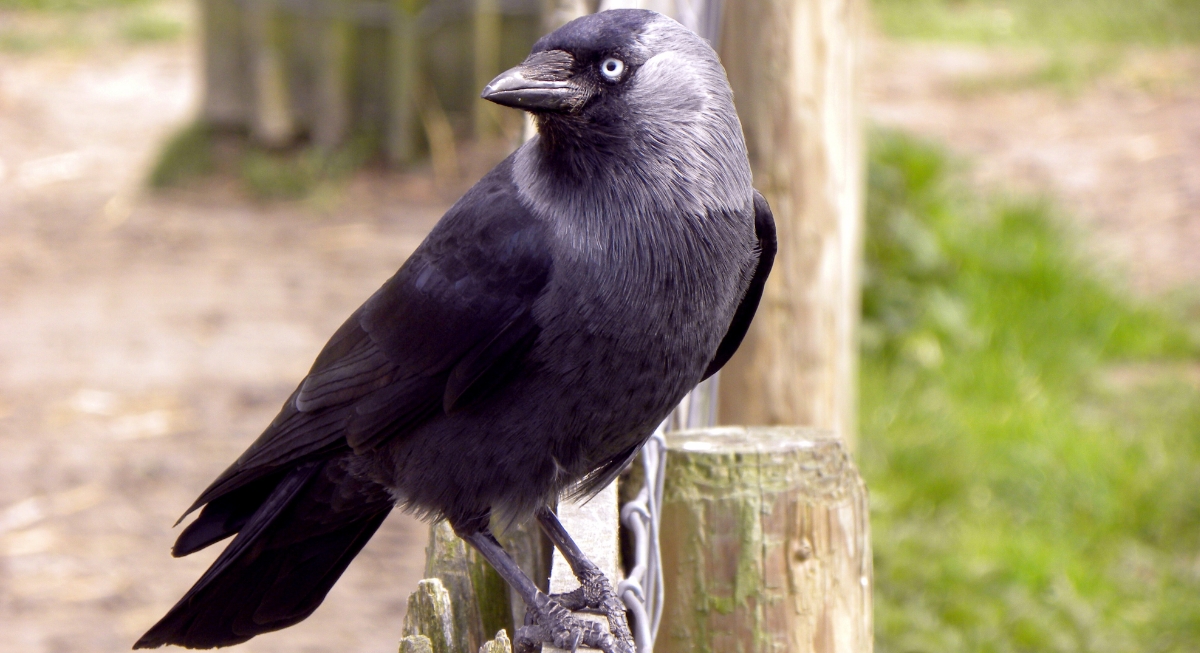
Crows Remember Faces For Years
Credit: Wikimedia Commons
A single masked researcher was enough to leave a lasting impression. Years later, crows still reacted aggressively to that same face, even when the person appeared in a crowd. The response spread through the group, with birds that never had direct contact joining in. Their intelligence also shows in tool use, as some species shape sticks into hooks to retrieve food.
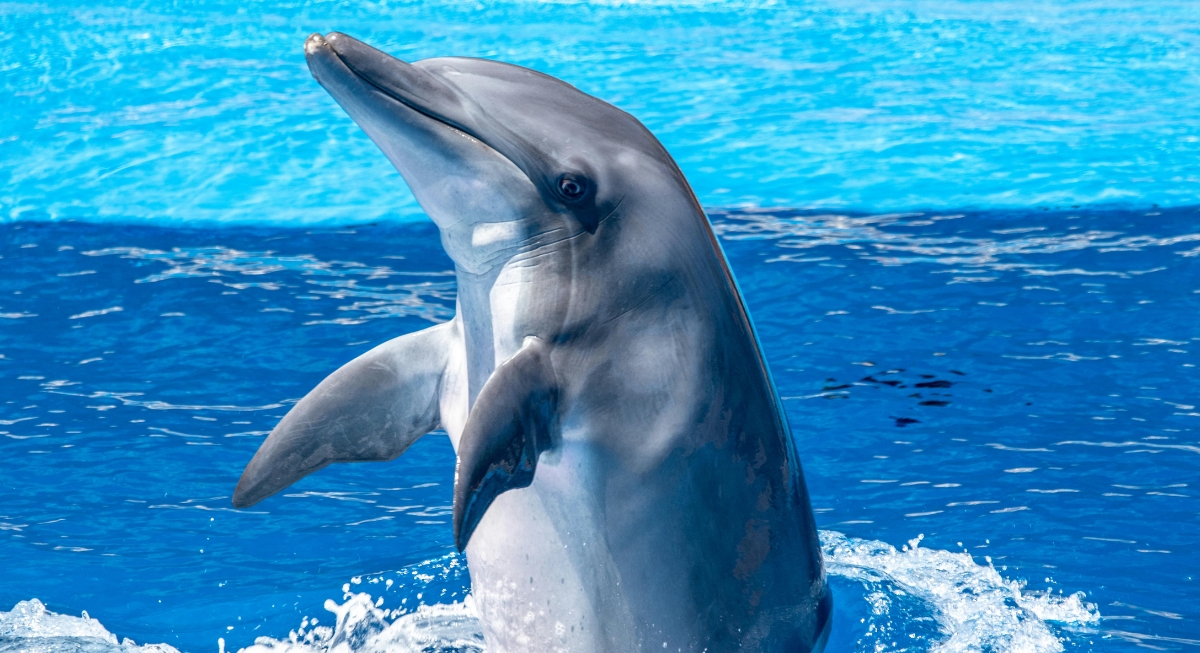
Dolphins Use Names Without Saying A Word
Credit: Wikimedia Commons
In open water, dolphins rely on sound to stay connected. Each develops a unique whistle that works like a name, and others can repeat it to call them. Recognition goes beyond sound. Mirror studies suggest they can identify their own reflection, a rare ability. Their social awareness is strong, showing in how they track relationships and respond to specific individuals.
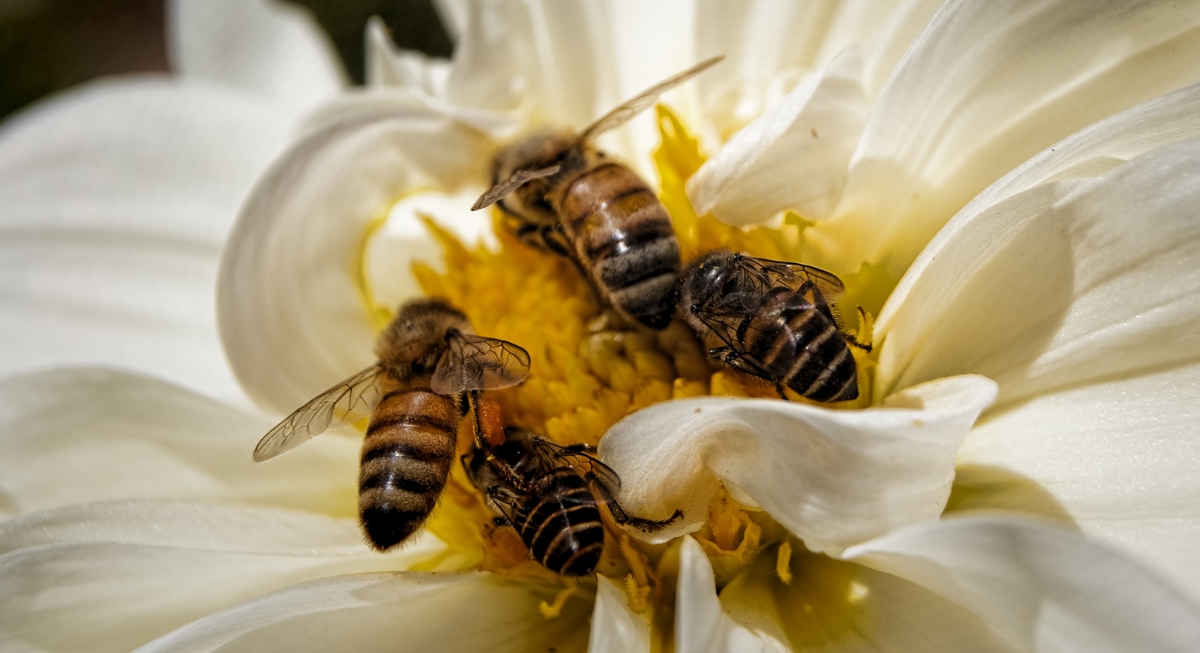
Bees Learn Tricks And Share Them
Credit: Wikimedia Commons
These insects tackled a problem-solving test by rolling small balls into position to earn sugary rewards. They didn’t just learn the trick; they sharpened their speed through practice. Observers even mastered the technique simply by watching their peers. This cognitive skill extends to navigation, where bees refine flight paths between flowers to build efficient routes over time through experience.
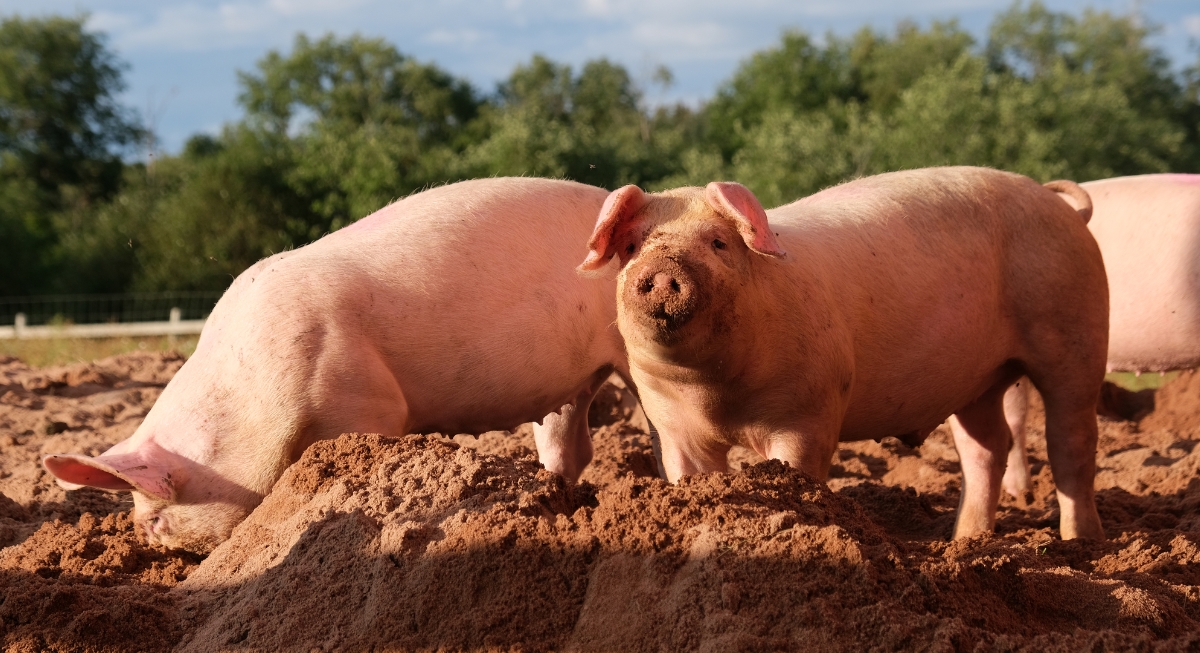
Pigs Adjust Their Strategy Mid-Test
Credit: Wikimedia Commons
A mirror changes everything in certain experiments. When food is hidden, pigs use the reflection to figure out where to go, which shows they can process indirect information. Memory carries over into later trials, where they avoid repeating mistakes. When conditions shift, their approach shifts too. That flexibility stands out. Instead of sticking to one method, they respond to what’s happening in real time.
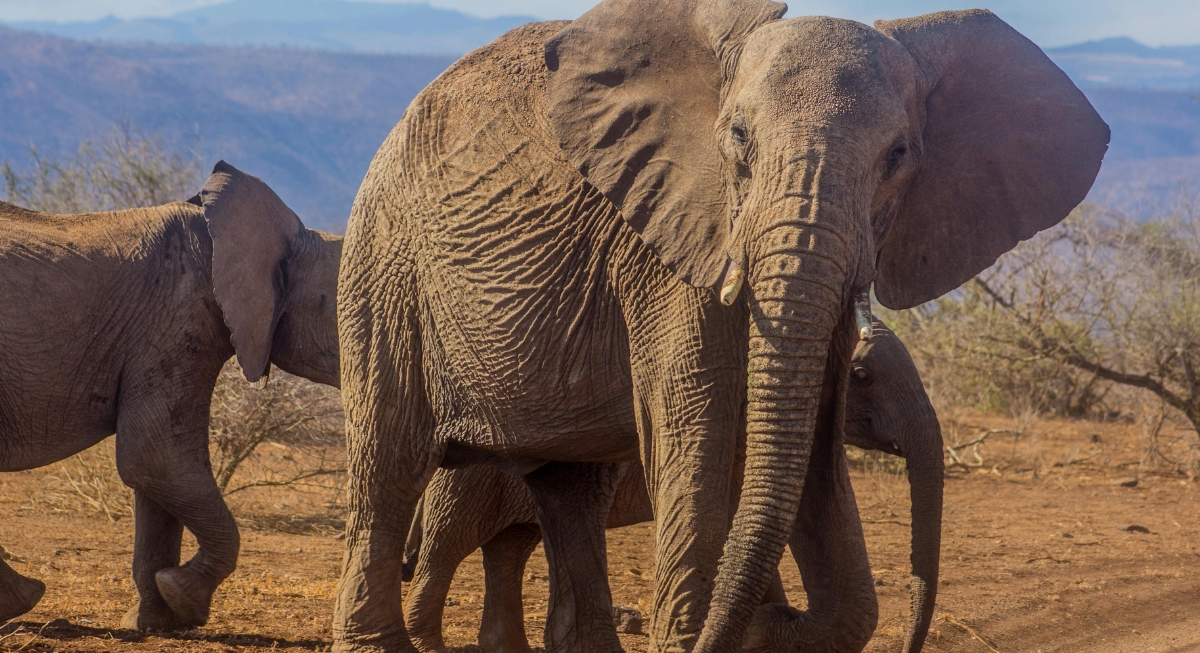
Elephants Recognize Voices Across Distance
Credit: pexels
Here’s one animal that proves that teamwork requires more than just muscle. Their survival hinges on deep social networks where they recognize individual voices across vast distances. New research into cooperative tasks shows exactly how they handle pressure. During rope-pulling tests, success requires perfect synchronization with a partner. If one friend rushes ahead, the effort collapses. These giants learn to pause, recalibrate, and coordinate their movements to ensure everyone wins together.
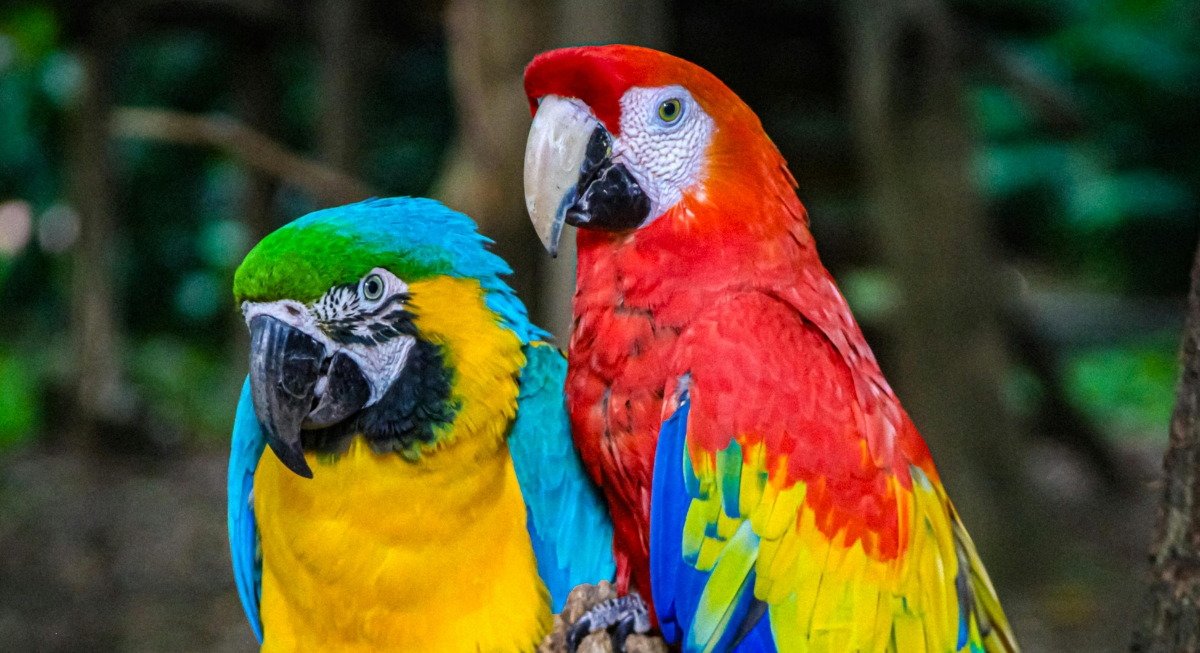
Parrots Understand More Than They Say
Credit: pexels
Words don’t tell the full story. In controlled studies, African grey parrots identify colors, shapes, and quantities with steady accuracy. They don’t rely on memorized patterns. When the setup changes, they still respond correctly, pointing to real understanding. Their choices often reflect weighing options, showing a level of thinking that goes beyond simple imitation.
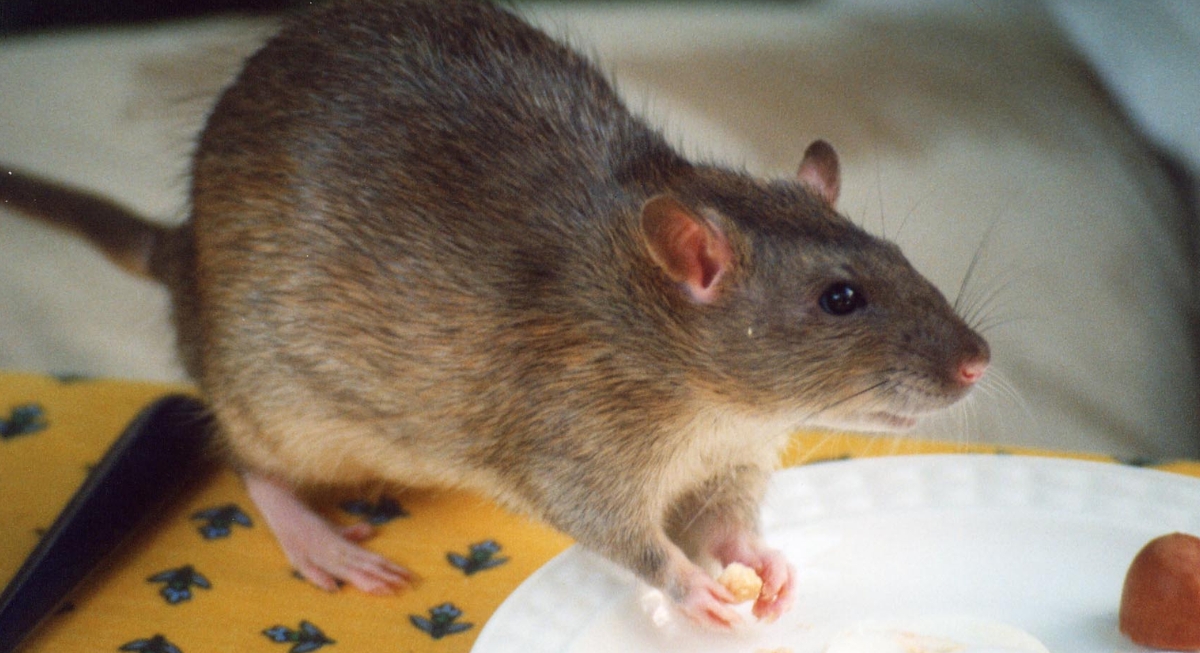
Rats Pause And Reconsider Their Next Move
Credit: Wikimedia Commons
A maze gives rats multiple paths, and not all lead to the same result. At certain points, they pause as if weighing their options before moving ahead. Brain activity backs this up, showing patterns linked to decision-making. When given another chance, they often choose differently based on past outcomes, showing how experience guides their next move.
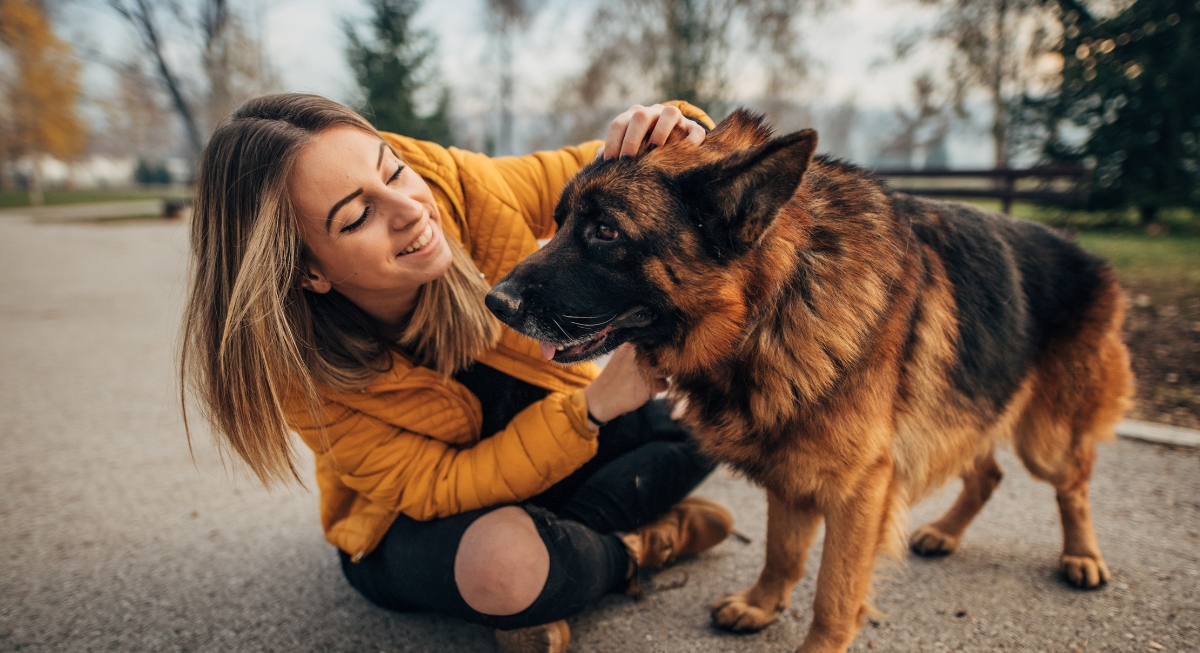
Dogs Pick Up On Human Cues Instantly
Credit: Getty Images
Dogs possess an uncanny ability to read the room without a single word being spoken. They track every raised eyebrow or subtle shift in posture, reacting with a level of accuracy that often feels like mind-reading. Neurological studies confirm their brains are wired to decode vocal cues in specialized ways. By mapping out human patterns over time, these animals navigate complex social situations using a silent language built on observation and instinct.
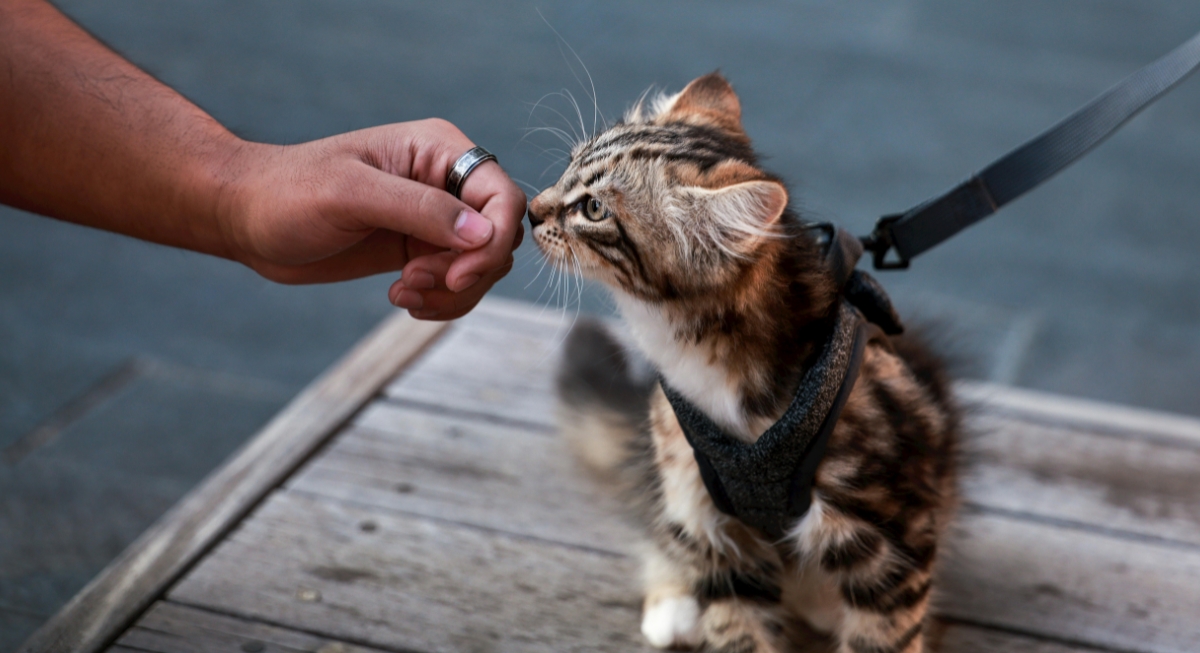
Cats Signal Trust In Subtle Ways
Credit: pexels
Cats communicate with quiet, deliberate signals like a slow blink, which acts as a sign of comfort and trust. Humans can return this gesture to strengthen the bond. Research shows many cats form secure emotional attachments to their owners. Their style is subtle and precise, but the connection behind those stares runs deep.