10 Animals That Can Survive Without Water for Months
Deserts reward preparation. Across the world, desert animals have developed ingenious and resourceful ways to conserve every drop of water they receive. Here’s a look at ten animals that play the long game with water and somehow manage to survive just fine.
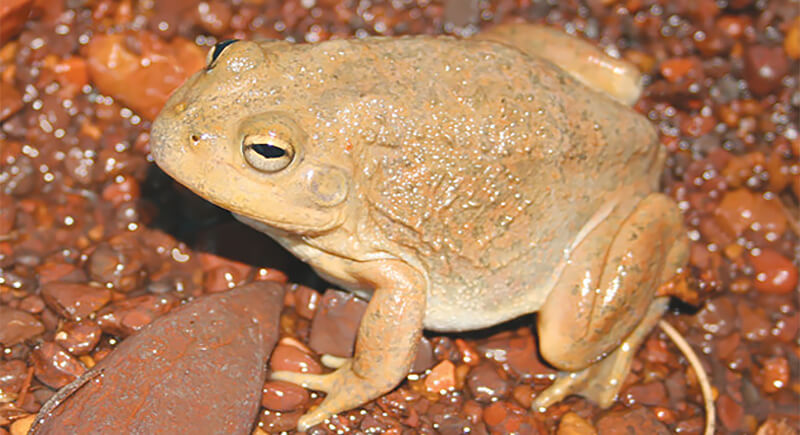
Water-Holding Frog
Credit: Wikimedia Commons
During Australia’s dry seasons, this frog survives dry spells by forming a self-made cocoon. It burrows underground and wraps itself in its own shed skin to retain moisture. While hidden, it slows its body down significantly and doesn’t move until the rain returns.
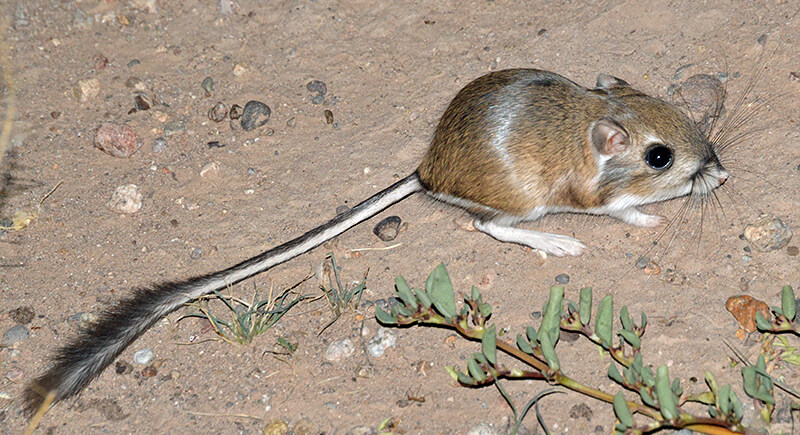
Kangaroo Rat
Credit: Wikimedia Commons
This desert rodent lives in North America and doesn’t drink water at all. It survives entirely on seeds, which release water as they’re metabolized. The kangaroo rat also has specialized kidneys that produce the driest possible urine to minimize moisture loss. Its nose also traps humidity from exhaled breath.
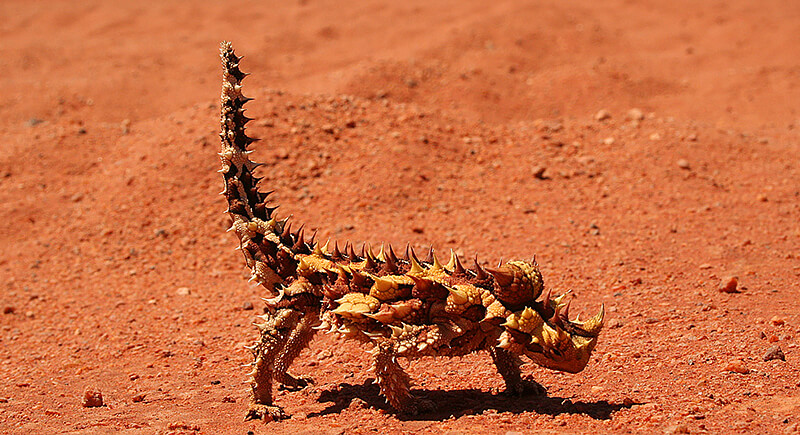
Thorny Devil
Credit: Wikimedia Commons
Native to Australian deserts, the thorny devil has skin with grooves that collect water from morning dew or rain. The moisture travels along the skin’s channels straight into its mouth. It doesn’t even have to move. Even the way it walks helps funnel water when it steps into damp patches.
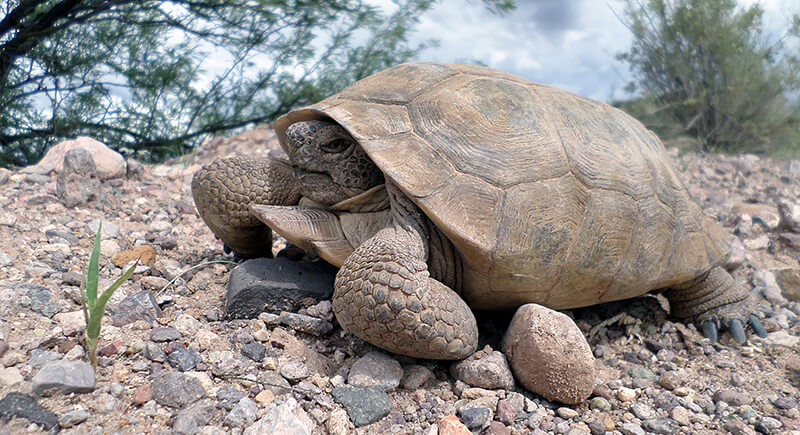
Desert Tortoise
Credit: Wikimedia Commons
The desert tortoise has a bladder that can hold up to 40% of its body weight. It stores water during rainy seasons and then slowly draws from its reserves as needed. If scared, it might release that precious water all at once, which can be fatal—so wild tortoises are best admired from a respectful distance.
Jerboa
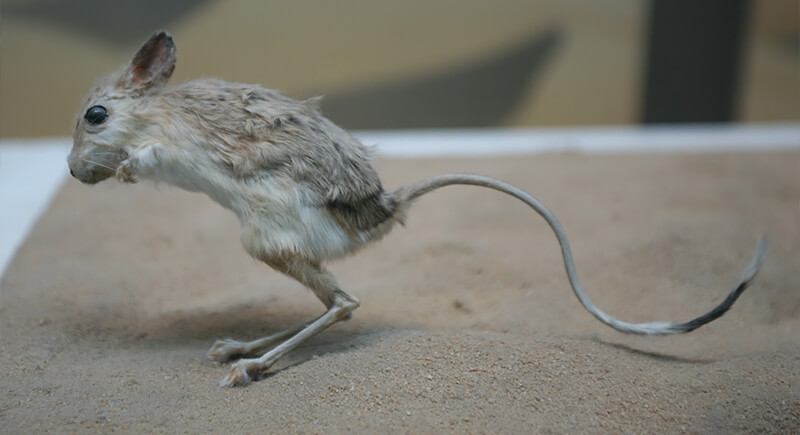
Credit: Wikimedia Commons
The jerboa’s secret is that it moves only at night and eats moisture-rich plants and insects. They never sip from puddles or streams and rely entirely on the water content of their food. Their kidneys and metabolism are finely tuned to eliminate waste, and they conserve energy by hopping instead of running.
Camel
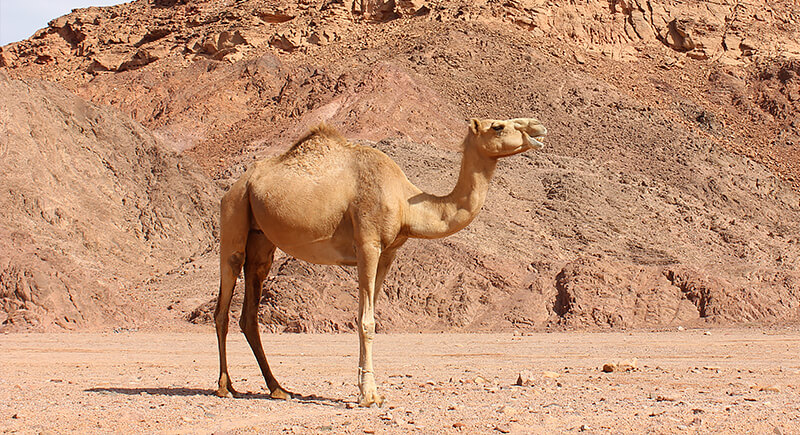
Credit: Wikimedia Commons
The camel’s humps are key to surviving thirst. It stores fat in its hump, and when needed, breaks it down to produce both energy and water. These animals can drink over 30 gallons at once, then go a week or longer without drinking again.
Gerenuk
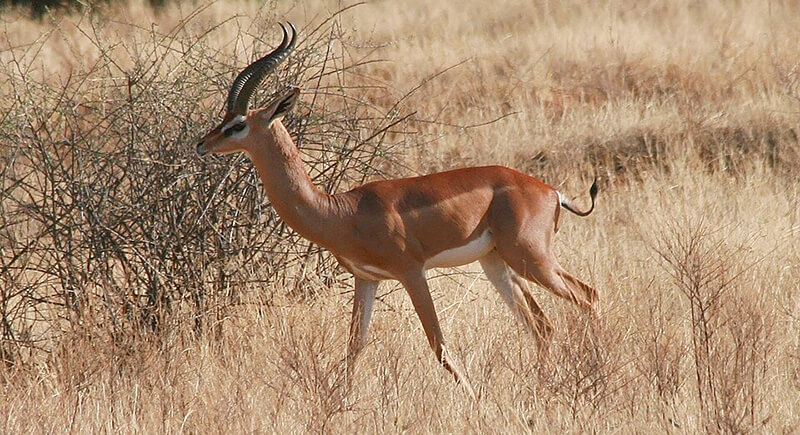
Credit: Wikimedia Commons
Gerenuks eat moisture-rich plants and leaves. Their height allows them to reach trees that other animals can’t. Even during drought, they stay upright on their hind legs to browse for the juiciest greens.
African Lungfish
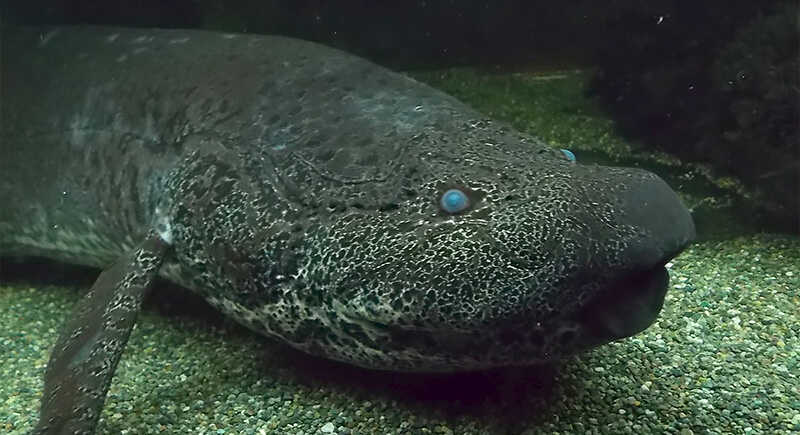
Credit: Wikimedia Commons
This fish has lungs and uses them. When its pond dries up, the African lungfish burrows into mud and creates a slimy cocoon around itself. Inside, it slows its body down and breathes air instead of using gills. It can stay like this for years while waiting for water to return.
Couch’s Spadefoot Toad
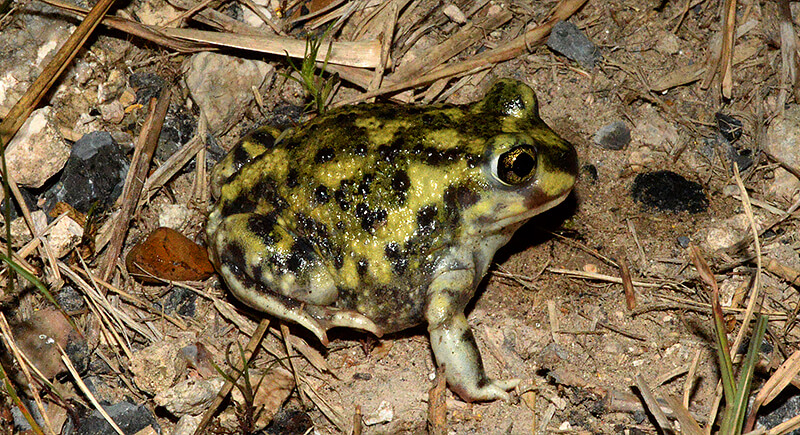
Credit: Wikimedia Commons
It’s not always easy to find this toad, but that’s the point. Couch’s spadefoot toads spend most of their lives buried in desert sand, deep enough to stay moist. Their skin forms a seal to keep in water, and their metabolism slows dramatically.
Fennec Fox
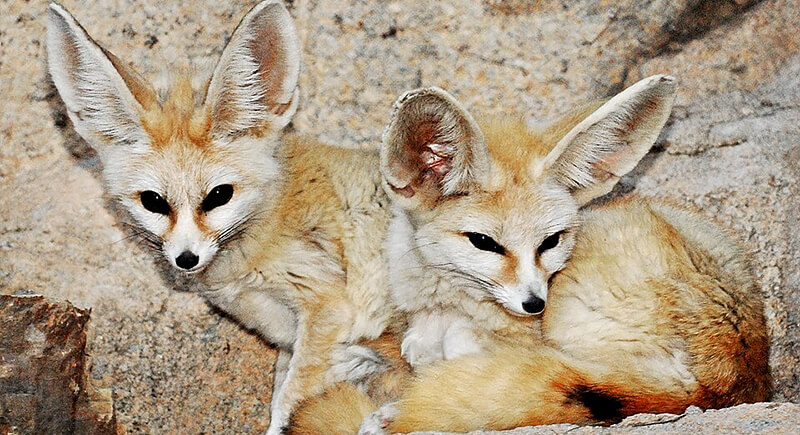
Credit: Wikimedia Commons
The fennec fox might look dainty, but it’s tough. While living in the Sahara Desert, it gets most of its moisture from insects, eggs, and plants. Its kidneys filter efficiently, and it stays cool thanks to its enormous ears, which release heat. By hunting at night, it avoids water loss in the sun.