How to Survive a Bear Encounter
Most people imagine a bear encounter as loud and chaotic, yet real encounters unfold with startling speed. A bear reads posture and movement almost instantly, and your reaction determines how the encounter ends. Strength plays little role in survival, but clear thinking and informed action matter far more.
Wildlife agencies have studied bear behavior for decades and have consistently provided guidance. Those recommendations focus on prevention, correct identification, and deliberate response.
Identify The Species to Choose the Right Response

Credit: Getty Images
Survival begins with accurate identification. Black bears lack a shoulder hump and show a straighter facial profile with taller ears. Meanwhile, grizzlies carry a pronounced shoulder hump and a dished face with small, rounded ears. However, color alone cannot confirm species because both can appear brown or black.
Stay Calm to Prevent Escalation
Credit: Canva
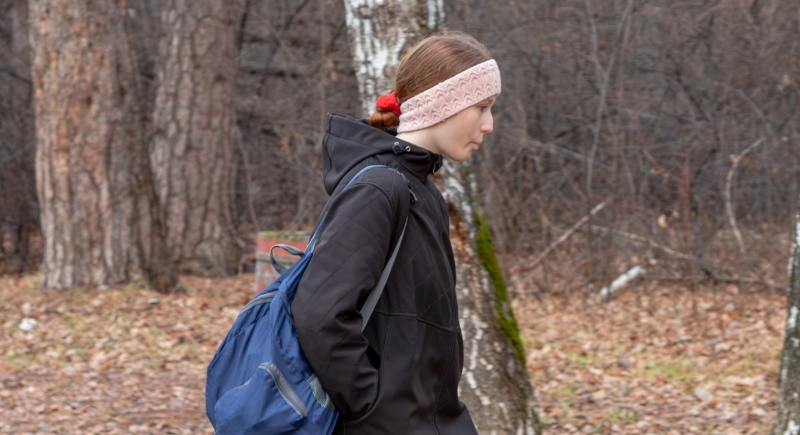
If you panic, you send the wrong message immediately as it leads to sudden movement and sharp gestures that bears interpret as threat or prey behavior. In such cases, slowing your breathing keeps your body steady, and a controlled stance communicates stability. Wildlife experts repeatedly stress that calm actions reduce the chance of attack.
Stand Your Ground Instead of Running
Credit: pexels
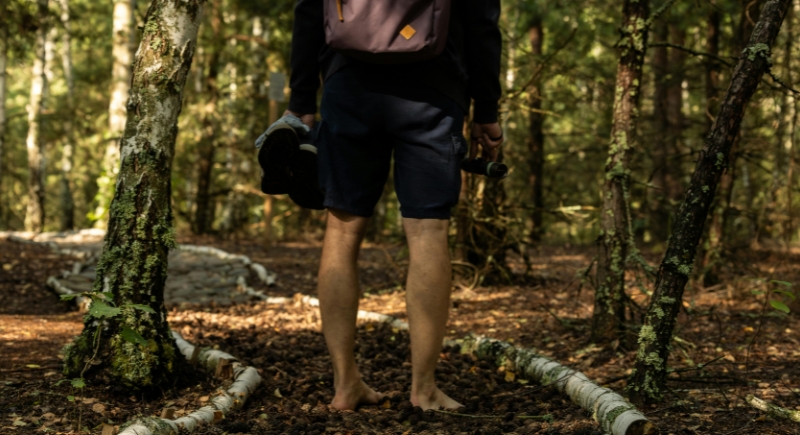
Keep your body facing the bear, plant your feet firmly, and steady your breathing so your posture stays steady. Remember, running triggers pursuit because fleeing resembles prey. In addition to that, bears can exceed thirty miles per hour, and no human can match that pace over any distance. They also climb efficiently and swim well enough to close space quickly.
Recognize a Bluff Charge and Hold Position
Credit: Getty Images
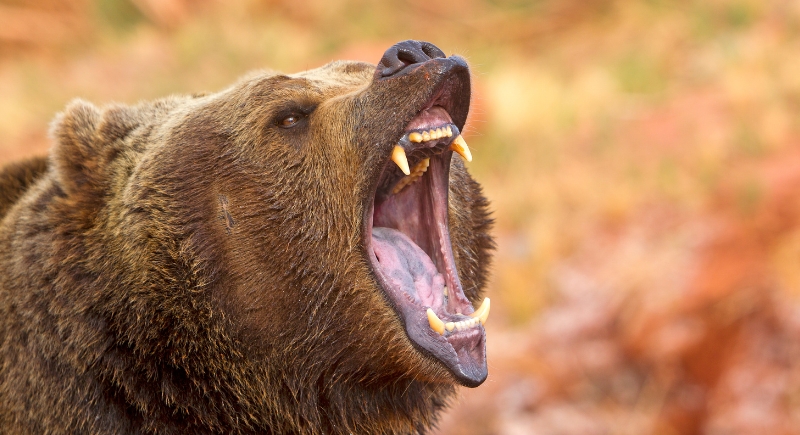
It is normal for a bear to perform bluff charges to test reaction. For example, the animal may rush forward and stop abruptly. This is just a test to assess your confidence and threat level. If you bolt, you confirm that you are vulnerable, but people who remain upright and steady live to tell the story.
Make Yourself Look Larger to Deter Approach

Credit: Canva
Raise your arms above your head and spread your jacket wide. If it is close and safe, step onto a nearby rock or onto higher ground. Make sure to move deliberately without abrupt jerks. Doing so will make you appear larger and signal strength and presence. This tactic reduces the chance that the bear will advance further.
Carry Bear Spray as Your Primary Defense
Credit: Facebook
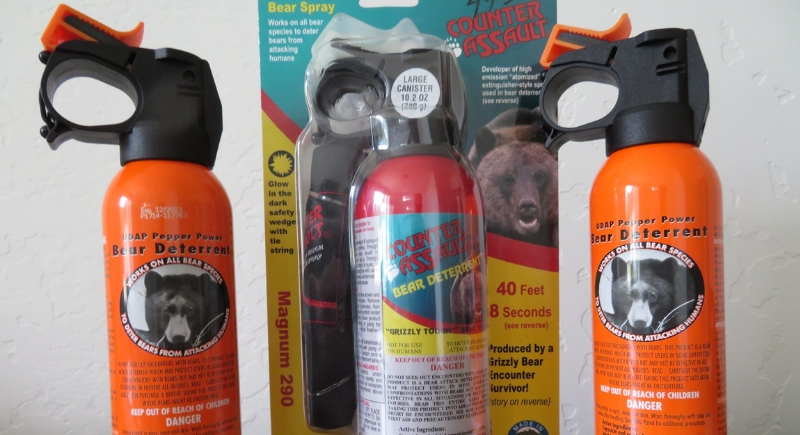
Research and field reports consistently show that bear spray deters attacks more effectively than firearms. Spray creates distance without intensifying aggression. Keep it accessible on a belt or backpack strap and make sure not to bury it inside gear. Quick access matters when seconds count.
Play Dead During a Defensive Grizzly Attack

Credit: Getty Images
Grizzly attacks are usually the result of surprise or cub protection. In that scenario, resistance can prolong aggression. Lie flat on your stomach and spread your legs wide to make flipping difficult. Then, place your hands behind your neck to shield your spine. You can also keep your backpack on for added protection. Remain completely still until the bear leaves and sounds disappear.
Fight Back Hard During a Black Bear Attack

Credit: pixabay
If a black bear makes physical contact or continues advancing with intent, your best chance would be to start fighting back right away. Black bear attacks can involve predatory testing, so passivity increases danger. Playing dead signals vulnerability in those situations. Use rocks, sticks, fists, or any available object to defend yourself. Aim for the eyes and nose to create maximum discomfort and disruption.
Announce Your Presence Early
Credit: pexels
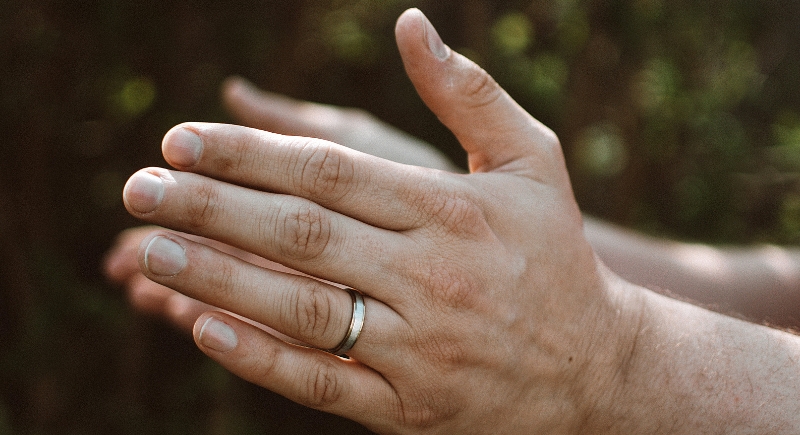
People who stay silent in bear country increase the risk of surprising a bear at close range. Sudden encounters may trigger defensive reactions, particularly with grizzlies guarding cubs or food sources. Speak in a steady voice, clap your hands, or call out clearly as you move. Human sounds indicate that you are not a victim.