Swedish Startup Trains Wild Crows to Pick Up Litter in Exchange for Food
Cigarette butts account for about 62 percent of Sweden’s street litter, according to the Keep Sweden Tidy Foundation, and cities spend millions each year dealing with the waste. Södertälje, a city near Stockholm, faces those same cleanup costs. A Swedish startup has introduced a method that uses wild crows trained to trade collected cigarette butts for small food rewards, and the program has drawn media coverage as officials review its potential impact. So what happens when a city tests an idea that shifts part of this cleanup to the sharpest birds around?
A Different Kind Of Cleanup Crew
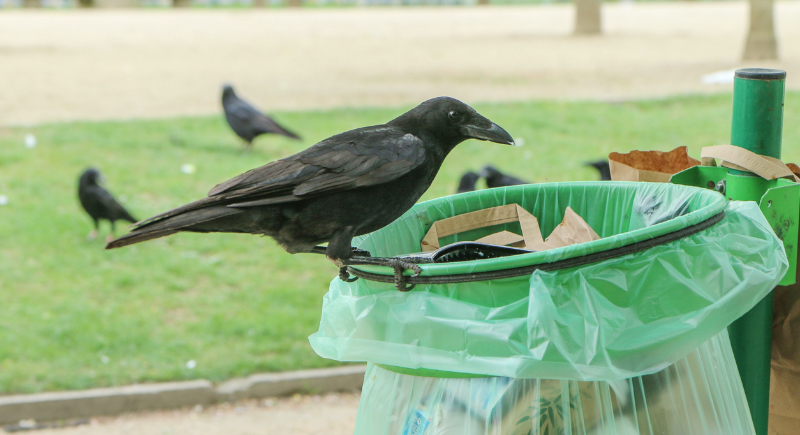
Image via iStockphoto/Undefined undefined
A Swedish startup called Corvid Cleaning believes it can reduce a significant portion of municipal cleaning expenses by collaborating with wild crows. The idea sounds like something passed around as a joke, yet the company treats it as a serious pilot project. The concept builds on simple conditioning. A crow drops a cigarette butt into a designated machine and receives a small food reward in return. Each bird participates on its own terms. Nothing cages them, controls them, or removes their wild habits.
The startup’s founder has stated that crows tend to figure things out faster than other birds and share discoveries within their groups. They also show less interest in debris that is unsafe to swallow, which helps reduce risks as the birds become accustomed to the routine. Their reputation for problem-solving is well established. Research indicates that reasoning skills align with what a young child can manage, placing them in a rare category of self-taught tool users.
How The Training Works
The training process follows a short sequence. Trainers first help the birds associate cigarette butts with food. Once that connection clicks, a feeder is introduced that drops food only when a crow approaches. Then the easy food access stops, so the crow begins poking around the device. At that point, it eventually hits the mechanism that releases the reward. The final step links everything together. The bird sees that the snack appears after placing a cigarette butt in the right spot. Months of development condensed into one smooth routine.
This method has been previously explored in the “Crow Box” experiments, but Corvid Cleaning aims for a municipal-scale application. Södertälje has agreed to run a pilot to see how well the concept performs in the real world. If the birds collect enough litter, the city could save a substantial portion of the current cleaning budget. The startup believes the savings could reach at least 75 percent of cigarette butt collection costs.
Municipal Interest And Public Buzz
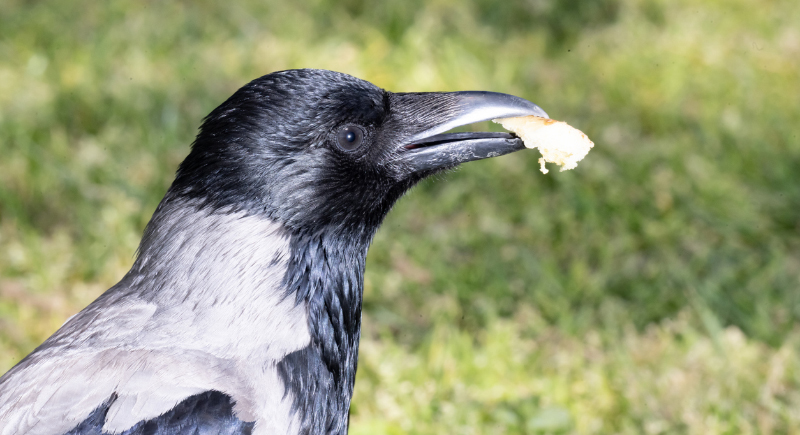
Image via iStockphoto/Herkisi
Local officials appear curious but cautious. Funding shapes much of the decision-making, as city cleaning budgets often stretch thin without leaving room for experimental programs. Still, the idea holds appeal because a simple machine that trades a treat for a cigarette butt feels far easier to manage than complex mechanical devices.
On the one hand, people find the concept clever. On the other hand, it triggers uncomfortable questions. Training crows to clean up after humans, while adults continue to flick butts onto sidewalks, strikes many as a strange twist in civic behavior. Ethical concerns also surface. Cigarette butts contain toxins, and the long-term impact on birds remains under review. Some fear that frequent rewards could make the birds rely on the machines for food. These points factor into ongoing discussions as the pilot moves forward.