6 Little-Known Tax Credits for Pet Owners Available in 2026
Tax returns rarely leave room for pets, yet the tax code makes a few exceptions. Under limited circumstances, animals tied to work, healthcare, charity, or military service can affect a federal return. These allowances are narrow and paperwork-intensive, which explains why many filers are unaware of them.
The value is not tremendous, yet it can matter. For households already paying these costs, missing them means leaving money unclaimed. Knowing where the lines are drawn helps owners avoid mistakes while identifying cases where pet expenses serve a recognized purpose under tax law.
Service Animals With Documented Medical Roles

Credit: Getty Images
Animals trained to assist with a diagnosed condition can be considered a medical expense when they perform actual tasks, such as guiding vision loss or detecting seizures. Costs such as training fees, food, and veterinary care may be itemized once medical spending exceeds the income threshold set by the Internal Revenue Service.
Pets That Perform Regular Business Functions
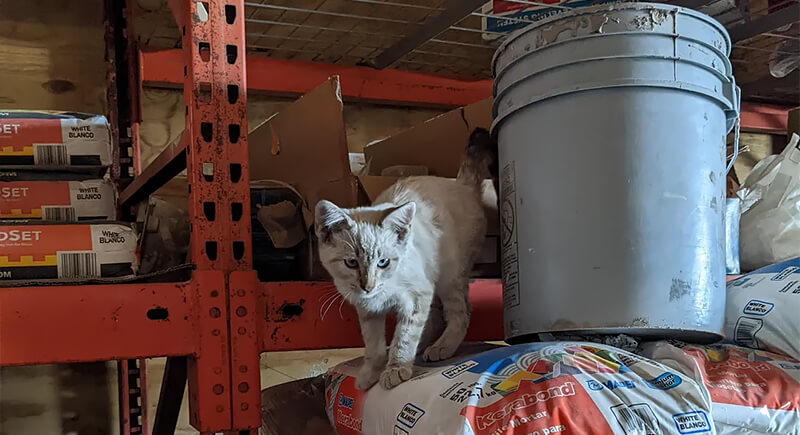
Credit: Reddit
Animals used directly in business operations may qualify as deductible assets. Common examples include warehouse cats used for pest control, guard dogs protecting commercial property, and herding dogs on farms. Expenses must be strictly related to the business role, with records showing that the animal is not a household pet.
Income-Generating Animals in Media or Competition

Credit: Getty Images
Pets that appear in ads, races, shows, or paid online promotions may qualify as business assets. Grooming, training, travel, and even casting photos can all be factored in. The activity must aim to make money. Posting a cute video without income rarely qualifies. Consistent earnings and contracts strengthen the case.
Breeding Operations Run as Businesses

Credit: pexels
Breeding animals may qualify when the goal is steady sales. Deductible costs often include food, vet care, and housing. The difference between a business and a hobby shows up on paper. Buyers, contracts, and regular advertising help. Occasional litters for friends usually fall outside the rules.
Out-of-Pocket Costs for Foster Animals

Credit: Getty Images
Fostering for a registered rescue can lead to a charitable deduction. Food, supplies, and veterinary bills paid personally may be counted when they are not reimbursed. The organization must confirm the foster work in writing. This follows standard itemized rules rather than a special credit.
Pet Relocation Costs for Active-Duty Military Moves

Credit: Canva
Active-duty service members relocating under official military orders may be eligible to deduct certain pet moving expenses. This can include required transportation fees associated with the move. The provision applies narrowly to qualifying military relocations and does not extend to civilian moves under current federal law.