Thailand Has Officially Declared Cats as National Symbols
In November 2025, Thailand made a deliberate decision when the cabinet officially recognized native Thai cat breeds as national symbols, framing the move as an effort to protect animals that have shared homes, temples, and traditions for centuries.
As foreign registries and breeders began formally registering Thai cats and defining breed standards abroad, Thailand faced the real possibility of losing authority over animals that originated within its own borders. Once standards are set elsewhere, control often follows. By assigning national symbol status, the government drew a clear boundary that these cats are not just commodities, but part of a living history shaped locally over hundreds of years.
The Five Breeds That Carry the Title
Five native breeds were included in the designation. Suphalak cats are known for their copper-colored coats and long-standing associations with wealth and prosperity. Korat cats, easily recognized by their silver-gray fur and bright green eyes, have traditionally appeared in wedding ceremonies as symbols of good fortune.
Khao Manee cats remain among the rarest, prized for their white coats and striking mismatched eye colors. Konja cats, black-coated and often misunderstood abroad, are regarded in Thailand as bringers of luck rather than omens of bad fortune. Wichienmas cats, known internationally as Siamese cats, remain the most recognizable and commercially valuable of the group.
Market prices already reflect the growing attention. In Thailand, a Wichienmas typically sells for 15,000 to 20,000 baht, or roughly $465 to $620, while the other recognized breeds usually fall between 7,000 and 15,000 baht. Most demand still comes from Thai buyers, though interest from Europe and the United States continues to increase as awareness spreads.
Cultural Pride Meets Commercial Reality
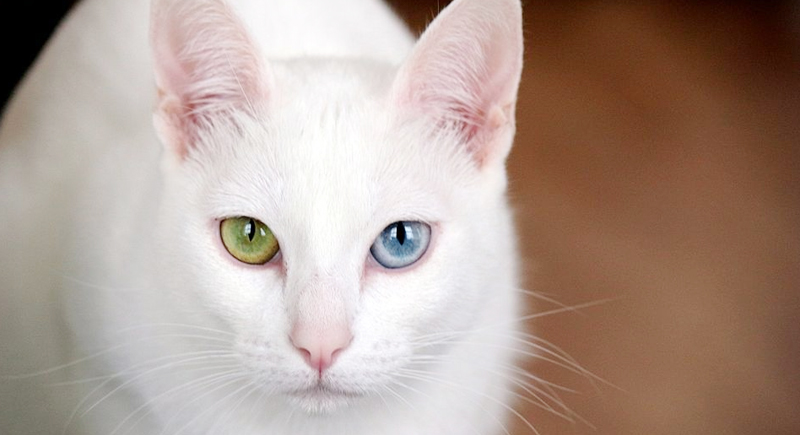
Image via Wikimedia Commons/Lunile
From the government’s perspective, cultural preservation and economic opportunity are closely linked. Officials have openly stated that the designation is meant to support tourism, creative branding, and export-oriented industries.
Thai cats have been featured in art, literature, and folklore for centuries, with historical manuscripts describing them as protectors of homes and symbols of good fortune. Converting that heritage into modern economic value is being treated as a natural extension of their cultural importance.
Breeders, for the most part, have welcomed the move. National recognition helps establish clearer standards and builds confidence among buyers, while also drawing attention to cats that are naturally adapted to Thailand’s climate. These local breeds tend to experience fewer health issues than imported cats, a point breeders often emphasize when discussing long-term care and sustainability.
A Complication the Title Does Not Fix
Not everyone views the announcement without concern. Animal welfare groups have pointed out that Thailand continues to struggle with a large stray population, estimated at around 820,000 animals nationwide based on earlier government figures.
Many street cats lack access to vaccination or sterilization programs, creating ongoing cycles of illness and uncontrolled breeding that national symbolism alone does not address.
Bangkok has already moved in a more regulatory direction. Starting on January 10, cat owners in the metropolitan area will be required to register and microchip their pets, with limits placed on the number of animals allowed based on the size of their housing. These rules aim to increase accountability among owners, even if they aren’t helping to solve the nationwide stray problem.