The 3-3-3 Rule: How to Help Your Rescue Dog Adjust to Their New Home
Bringing a rescue dog home rarely goes the way people imagine. You expect quick bonding and easy adjustment, but the first few days can feel uncertain instead. Your dog might seem distant, nervous, or unpredictable, and that can be confusing. This is completely normal. The 3-3-3 rule helps you understand what your dog is going through and what to expect as they slowly adjust to their new home.
What the 3-3-3 Rule Actually Means
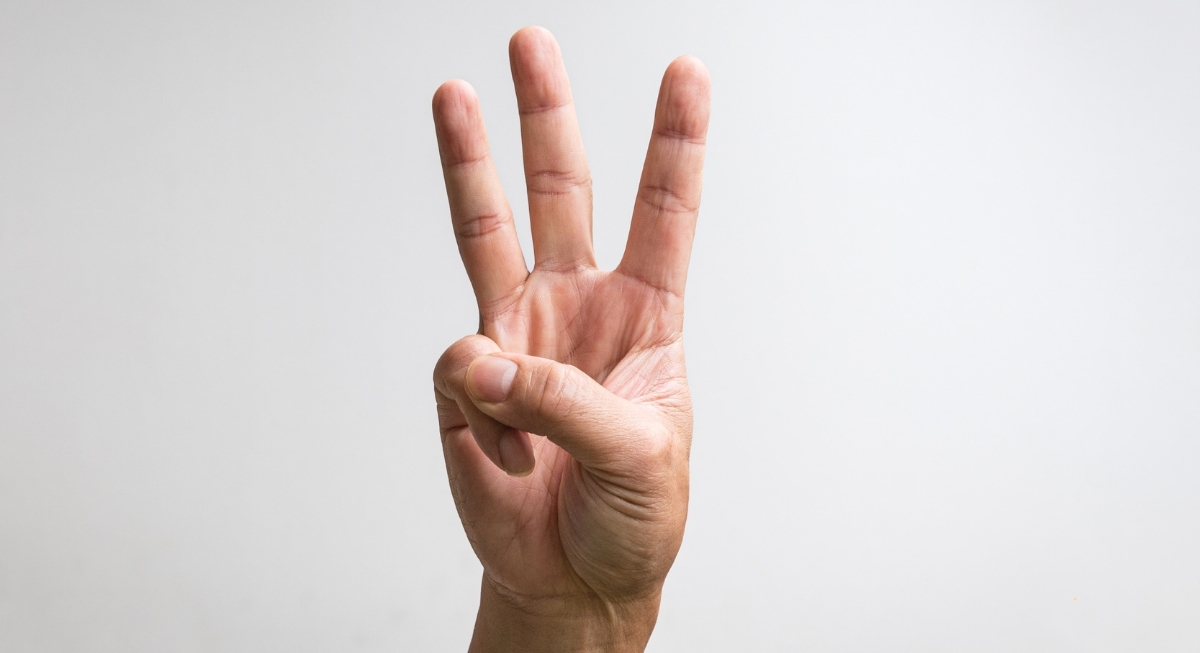
Image via Canva/Sinsee Ho
The 3-3-3 rule breaks the adjustment period into three stages: the first three days, the first three weeks, and the first three months. Each phase reflects a shift in how your dog feels and behaves as they settle into a new environment.
It’s not a fixed schedule. Some dogs move through these stages quickly, while others need more time. What matters is understanding that adjustment happens in layers, not all at once.
The First 3 Days: Decompression Mode
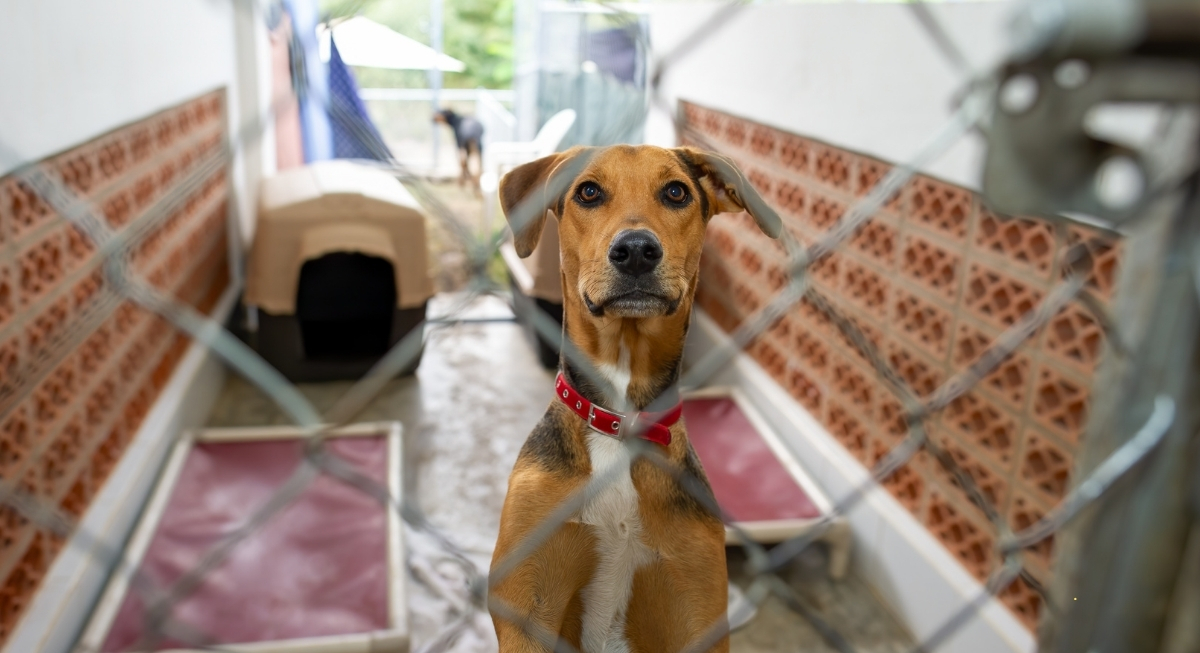
Image via Getty Images/David Baileys
During the first few days, most rescue dogs are overwhelmed. Everything around them is unfamiliar, from the smells to the sounds to the people. Even small things can feel intense. Because of that, many dogs pull back.
You might notice your dog sleeping more than expected or staying in one spot for long stretches. Some avoid interaction entirely. Others show little interest in food. This isn’t stubbornness or disinterest. It’s a stress response.
What helps most at this stage is creating a calm, predictable environment. Keeping noise low, limiting new experiences, and giving your dog a space they can retreat to allows them to take everything in at their own pace.
Routine matters early, even if it feels basic. Feeding, bathroom breaks, and quiet time should follow a steady rhythm. At this point, your dog isn’t showing who they are yet. They’re still figuring out where they are.
The First 3 Weeks: Adjustment Begins
As the initial stress fades, your dog starts to engage more with their surroundings. This is when you’ll begin to see glimpses of personality. They may move around more, show interest in play, or seek out attention. The home starts to feel familiar, and your presence becomes part of their routine.
This phase also comes with changes that can surprise new owners. Dogs often begin testing boundaries as they learn what’s allowed and what isn’t. Barking, ignoring commands, or pushing limits are common behaviors here.
Consistency becomes the key factor because this is the stage where your dog begins learning how life works in your home. Dogs rely on patterns to understand expectations.
Keeping feeding times, walks, and training consistent helps them settle faster. Basic commands can be introduced during this stage, along with clear responses to both good and unwanted behavior. Positive reinforcement builds confidence, while calm correction helps define limits.
The First 3 Months: Trust and Confidence
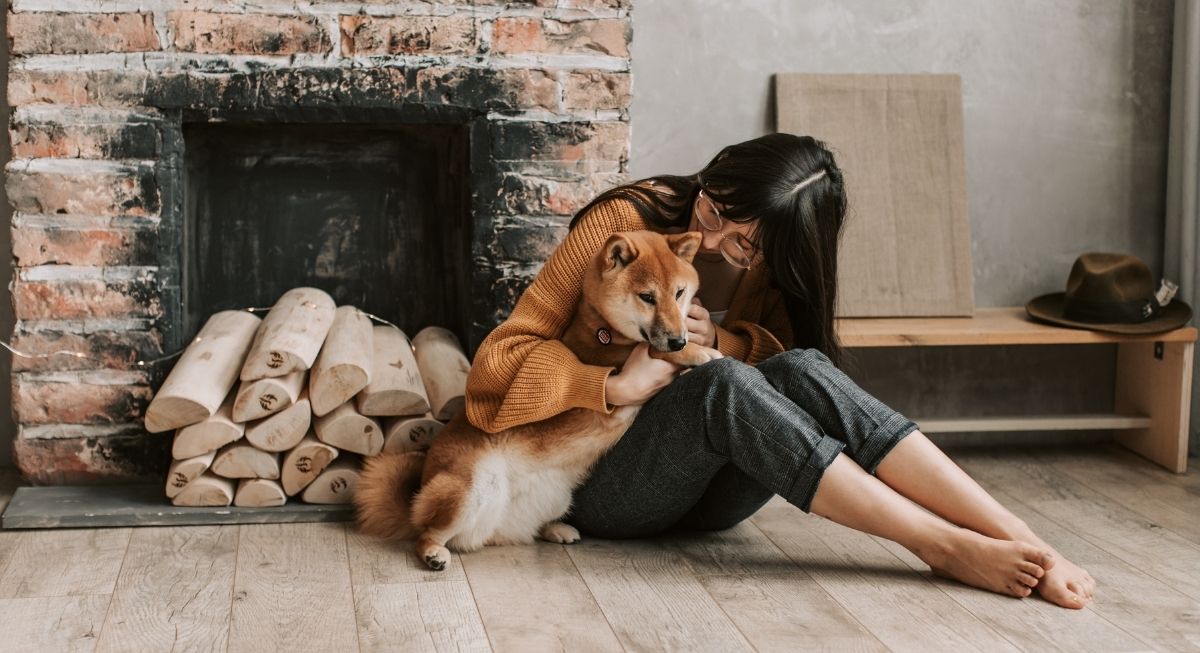
Image via Pexels/Vlada Karpovich
By the three-month mark, most dogs show a noticeable adjustment. The environment feels familiar, the routine makes sense, and your presence carries meaning. Trust starts to take shape.
Your dog will likely appear more relaxed and more responsive. Their behavior becomes more consistent, and their personality is easier to recognize. Training begins to stick, and the bond between you strengthens naturally.
Confidence also grows during this stage. With that comes the ability to handle new experiences. You can gradually introduce walks in different places, car rides, and meeting other people or dogs. These experiences help build stability without overwhelming your dog.
Even here, setbacks can happen. A sudden change or a stressful moment may cause temporary regression. That doesn’t undo your progress; it’s all part of adjusting.
Patience Shapes Everything
The biggest mistake new owners make is expecting the bond to happen instantly. It’s easy to assume that bringing a dog into a safe home should lead to immediate trust and affection. In reality, most rescue dogs need time to understand that they are safe and that the routine around them is reliable.
Doing too much too soon can slow that process. Introducing too many people, changing routines frequently, or expecting quick obedience can create confusion. Stability matters more than speed.
The 3-3-3 rule works because it follows how dogs process change. They adjust through repetition, predictability, and positive experiences. Each stage builds on the one before it. When their adjustment is given the time it needs, you’ll see that the bond was worth earning.