The Biggest Pet Food Recalls in History and What They Taught Us
Most of us don’t think much about what we pour into our pets’ bowls. It feels routine, almost automatic. That changed in 2007, when a massive recall pulled millions of products off shelves and left pet owners trying to understand why their animals were suddenly getting sick. It forced people to question something they had always trusted.
The Melamine Crisis
Image via Getty Images/chendongshan
The turning point came on March 16, 2007, when Menu Foods Ltd. announced a recall that would eventually cover about 60 million dog and cat food products made between November 8, 2006, and March 6, 2007. The issue was traced back to wheat gluten imported from China that was contaminated with melamine, an industrial chemical.
The United States Food and Drug Administration confirmed at least 16 pet deaths at the time, though reports from owners suggested the real toll was far higher. What made the situation more alarming was the uncertainty. Experts expected melamine to have low toxicity, yet pets were developing severe kidney failure.
As investigators dug deeper, a pattern emerged. A single supplier had distributed contaminated wheat gluten across a wide network of manufacturers. One ingredient ended up in more than 100 brands. The scale of the recall stopped being surprising once that connection became clear. Centralized sourcing made production efficient, but it also meant that a single failure could spread quickly across the market.
The Problem With Oversight
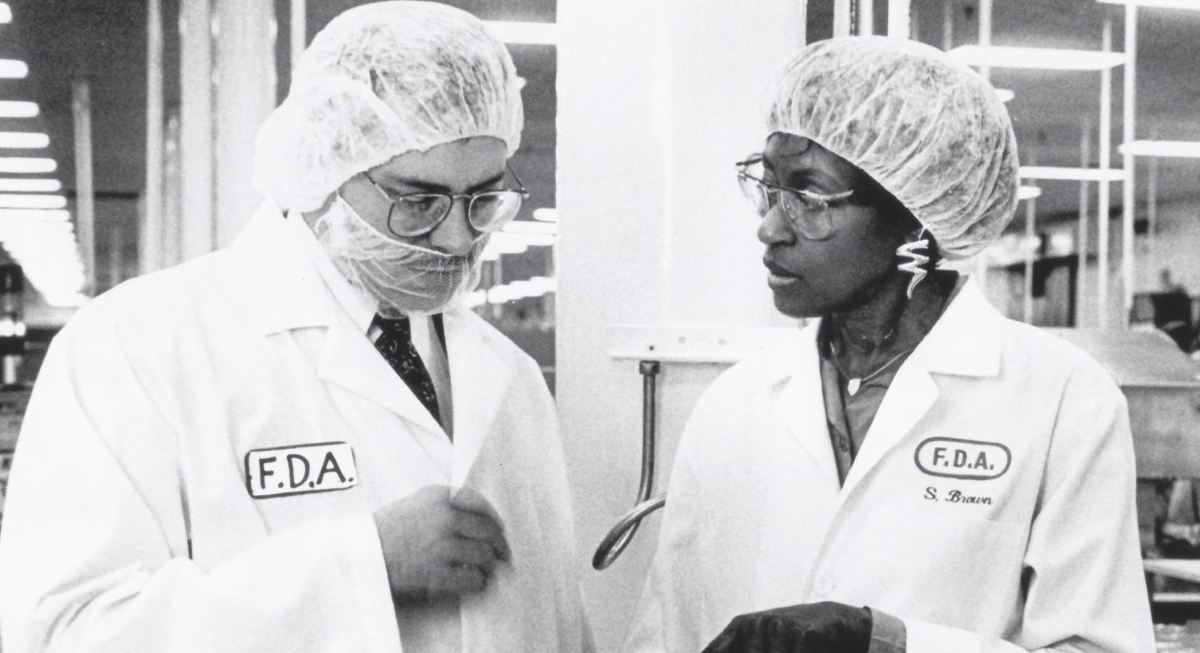
Image via Wikimedia Commons/The U.S. Food and Drug Administration
The crisis also highlighted how pet food is regulated. The FDA sets safety standards, but it does not approve products before they hit the market. Much of the responsibility falls on manufacturers and advisory groups without direct enforcement power.
That structure leaves gaps. When resources are limited, oversight becomes reactive instead of preventive. In 2007, action followed reports of illness, not early warning signs. The system did not miss the problem because it was invisible; it missed it because it was not looking closely enough.
Recalls Didn’t Stop After 2007
Image via Canva/pixelshot
If the 2007 crisis felt like a one-time failure, recent data tells a different story. Between July 1, 2020, and June 30, 2025, the FDA issued 45 pet food recall announcements.
The scale behind those announcements is where things get interesting. Kibble accounted for about 68.8 million pounds of recalled food, roughly 99 percent of the total volume. Raw food, often seen as the bigger risk, accounted for just 79,000 pounds.
Aflatoxin contamination caused the largest share of recalls and affected more than 60 million pounds of pet food. Bacteria such as Salmonella and Listeria followed, with over 8 million pounds linked to them. These numbers make one thing clear. Recalls still happen, and they usually involve the products people use the most.
Where Risk Shows Up Every Day
Small risks show up in everyday choices. Treats are a good example. Many freeze-dried or animal-part treats skip a cooking step, so bacteria like Salmonella or Listeria can remain.
Recalls in October 2025 involving raw frozen diets and freeze-dried treats highlighted this again. In those cases, routine FDA testing detected contamination before any illnesses were reported.
The core issue is simple. If a product is not cooked, contamination at the ingredient stage can carry through to the final product. Supply chains can also spread problems quickly, and oversight often responds after the issue appears.